As a homeowner, recognizing that a roof replacement is a significant home improvement project is essential. While you’re juggling work, family, and other daily tasks, adding a roof replacement to your plate may feel overwhelming. Understanding how long it takes to replace a roof is crucial for proper planning.
While you’re excited to protect your home with a new roof, preparing for the disruption and any potential inconvenience is equally important. So, how long does it take to replace a roof? Let’s explore the factors that can impact the project timeline. With the national average cost at $9,500 (ranging from $5,800-$46,000) and projected price increases of 3-5% in 2026, understanding timing helps you plan both your budget and schedule.
Key Takeaways: How Long Does It Take To Replace A Roof
- Standard Timeline: Most residential roof replacements take 1-3 days for average-sized roofs, while larger roofs (4,000+ sq. ft.) require 5-7 days.
- Material Impact: Asphalt shingles install fastest at 1-3 days ($3-$7/sq. ft., 20-25 year lifespan), while slate takes 6-14 days ($10-$30/sq. ft., 75-200 year lifespan).
- Weather Delays: Temperatures below 40-45°F prevent shingle sealing and halt installation—schedule during late spring or early fall for uninterrupted progress.
- Daily Progress Rate: Professional crews typically install 1,000-1,200 square feet per day, helping you estimate your project’s duration based on roof size.
Average Time Needed for a Roof Replacement
The time needed for a roof replacement can vary greatly, from just one day to several weeks. For a standard residential roof with average size and complexity, the process typically takes 1 to 3 days. However, larger roofs or those with more intricate designs may extend the timeline to seven days or more, depending on the project’s details.
Typical Roof Replacement Timeframes
| Roof Size | Square Footage | Estimated Time | Estimated Cost |
|---|---|---|---|
| Small Roof | 1,000-2,000 sq. ft. | 1-2 days | $4,000-$22,000 |
| Medium Roof | 2,000-3,000 sq. ft. | 2-3 days | $8,000-$33,000+ |
| Large Roof | 3,000-4,000 sq. ft. | 3-5 days | $8,000-$33,000+ |
| Very Large Roof | 4,000+ sq. ft. | 5-7 days | $33,000+ |
How Long Does It Take To Get A Roof Replaced With Different Materials?
Different roofing materials require varying installation times, costs, and offer different lifespans. Here’s a comparison to help you make an informed decision:
| Material | Installation Time | Cost per Sq. Ft. | Lifespan |
|---|---|---|---|
| Asphalt Shingles | 1-3 days | $3-$7 | 20-25 years |
| Metal Roof | 2-4 days | $6-$16 | 40-75 years |
| Wood Shakes | 2-8 days | N/A | N/A |
| Tile Roof | 4-7 days | N/A | N/A |
| Concrete Tiles | 8-9 days | N/A | N/A |
| Slate | 6-14 days | $10-$30 | 75-200 years |
1. Asphalt Shingles
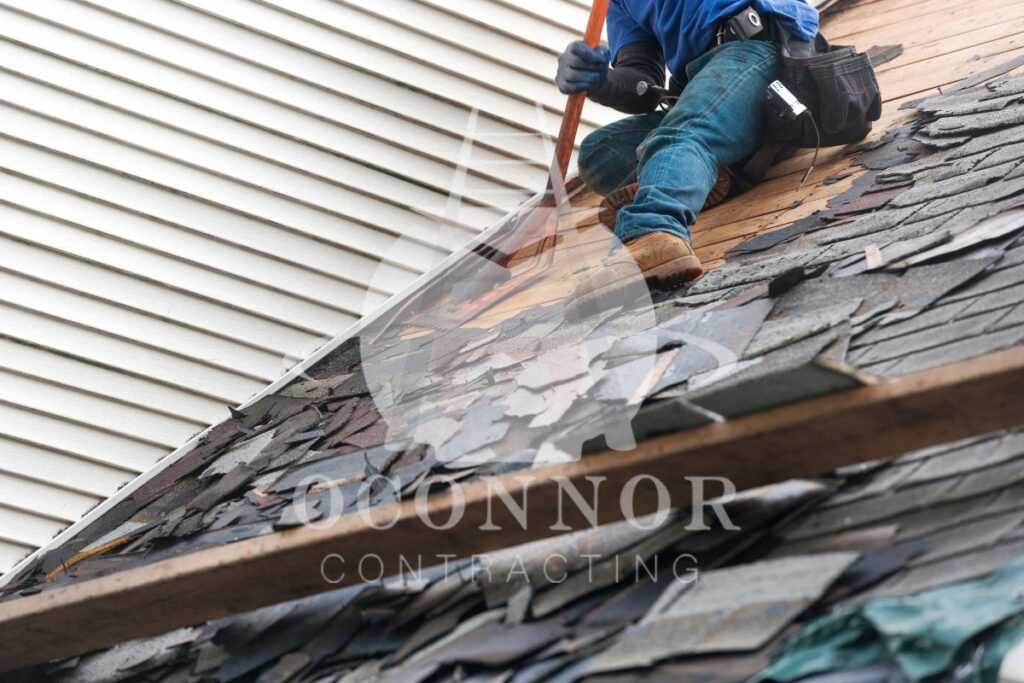
Affordable and easy to install, asphalt shingles typically take 1 to 3 days on an average-sized roof. At $3-$7 per square foot with a 20-25 year lifespan, their strip-like design simplifies handling and application, but the sealing process for adhesive bonding may take a few days to several weeks, depending on the weather.
2. Metal Roof
Valued for their durability and energy efficiency, metal roofs can last 40 years or more. Installation generally takes 2 to 4 days, depending on the roof design and metal type. At$6-$16 per square foot with a 40-75 year lifespan, while panels install quickly, intricate designs and precise fastening can extend the timeline. Skilled labor is essential for proper alignment and weatherproofing.
3. Wood Shakes
Wood shakes, often made from cedar, have a natural, rustic look. Installation generally takes 2 to 8 days due to the careful placement and additional sealing steps required.
4. Tile Roofs
Tile roofs offer excellent durability and style, with installation typically taking 4 to 7 days. The extended time is due to the weight of the tiles and the need for precise alignment and secure fastening.
5. Slate
Known for their durability and elegant appearance, slate roofs last over 100 years. Installation usually spans 6 to 14 days because of the heavy tiles, which require careful handling and precise placement. At $10-$30 per square foot with a 75-200 year lifespan, skilled labor is needed to ensure the roof supports the weight and achieves the desired look.
6. Concrete Tiles
Durability and style characterize concrete tiles, with installation typically taking about 8 to 9 days. The extended time is due to the weight of the tiles and the need for precise alignment and secure fastening. Additional structural support may be needed, lengthening the overall project.
Factors That Affect The Roof Replacement Timeline
1. Roof Size
A larger roof means more materials and labor, which can extend the installation time. While an average-sized roof might be completed in a day, bigger roofs could take several days. A professional crew typically installs 1,000-1,200 square feet per day, giving you a benchmark for expected daily progress.
2. Roof Pitch and Complexity
Roofs that are steeper or have complex features like multiple facets or obstructions require more time and safety measures. These factors can make the replacement process longer compared to simpler, low-pitched roofs.
3. Weather Conditions
Weather plays a significant role in roofing projects. Rain, snow, or extreme temperatures can delay work, as contractors often pause during adverse conditions to ensure safety and maintain quality. When temperatures fall below 40-45 degrees Fahrenheit, shingles won’t seal properly, requiring delays until conditions improve. During adverse weather, the roofing company will need to use a tarp to cover the area, which further delays the project.
4. Contractor Experience
The experience level of the roofing contractor affects the speed of the project. Skilled contractors are more efficient, thanks to their familiarity with materials and techniques, which helps them complete the job faster. Since labor typically accounts for 55-65% of the total roof replacement cost, investing in experienced professionals ensures both quality and efficiency.
5. Removal of the Old Roof
Removing an old roof adds time to the project. The process can be labor-intensive, especially if the roof is damaged or has multiple layers. This step must be finished before the new roof can be installed. Proper surface preparation ensures the area is clean, smooth, and ready for the new roof installation – this behind-the-scenes work lays the foundation for a durable, long-lasting roof.
6. Number of Workers
The number of workers on the job influences how quickly the project progresses. A larger crew can complete the installation faster by dividing tasks, while a smaller crew might take more time.
Also Read: Should You Stay Home During A Roof Replacement?
Stages of a Roof Replacement
Understanding the roof replacement process helps clarify why it takes time:
1. Site Preparation and Protection (0.5-1 Day)
The first step involves setting up safety equipment and protecting your home’s landscaping and exterior features.
2. Removal of Old Roofing (1-2 Days)
Old shingles or other roofing materials are stripped away. During this stage, the underlying roof structure is inspected for any issues.
3. Repairs to the Roof Deck (0.5-2 Days)
Any problems with the roof deck are addressed before new roofing materials are installed. This ensures the new roof is installed on a solid foundation with a clean, smooth surface ready for installation.
4. Installation of New Roofing Materials (1-5 Days)
The new roofing materials are installed, with the duration varying based on material type and roof complexity.
5. Cleanup and Final Inspection (0.5-1 Day)
The site is thoroughly cleaned, and a final inspection ensures everything meets quality standards.
What Can Extend the Timeline?
While you can get a rough idea of the time needed for a roof replacement, some factors can cause delays. Here’s what might extend the project:
1. Unforeseen Damage
Sometimes, during the tear-off, contractors find hidden issues like water damage or mold that weren’t visible before. These problems need to be fixed before the new roof can be installed, adding extra days to the timeline.
2. Permit Delays
In some areas, getting the necessary permits can take time. If the local building department is busy, it might delay the start of your roof replacement.
3. Supply Shortages
If the roofing materials you’ve chosen are not readily available, it can slow down the project. This is especially true for rare materials or special orders that need to be delivered.
4. Bad Weather
The project timeframe may need to be extended due to bad weather, heavy rain, or snowfall.
How to Speed Up the Process/Tips for a Faster Roof Replacement
While some factors are beyond your control, you can take steps to keep your roof replacement on track:
1. Choose an Experienced Contractor
Skilled contractors work faster and handle unexpected issues more effectively.
2. Schedule During Good Weather
Plan your roof replacement during mild weather, typically in late spring or early fall. Try to avoid scheduling during peak seasons or extreme weather to help ensure a smoother process.
3. Get Multiple Quotes
Don’t go with the first roofing contractor you find. Obtain quotes from several reputable companies to compare their timelines and choose an experienced and efficient team.
4. Prepare Your Home
Prepare your property by clearing driveways and outdoor areas to provide easy access for the crew. If possible, arrange for pets and family members to be away from the house to avoid disruptions.
5. Communicate with Your Contractor
Keep in touch with your roofing contractor throughout the project. Address any concerns or questions quickly to prevent delays and ensure everything goes smoothly.
6. Consider Your Material Choices
If time is crucial, choose materials that are known for quicker installation. However, prioritize quality over cost, as investing in robust materials pays off in the long run, reducing maintenance and replacement needs.
What To Check After Having A New Roof Installed
After your new roof is installed, inspect the work to ensure it’s done correctly. Check that debris is cleaned up and the roof matches your contract. Look for issues like missing shingles or faulty flashing. Ensure all warranties are documented. Finally, schedule a final inspection with the contractor to address any concerns and confirm installation standards.
Get a Quick Estimate for Your Roof Replacement With OConnor Contracting
There’s no universal answer to “How long does it take to replace a roof?” because each project varies. Factors like roof size, complexity, and weather can affect the timeline. To get a precise estimate, consult a qualified roofing contractor. They’ll assess your situation and provide a detailed plan with a realistic timeline tailored to your project.
At OConnor Contracting, we provide fast, reliable, and high-quality roof replacement services in Western New York. Contact us today at (716) 600-7663 for an instant quote and let us help you plan your next roofing project!
What happens if it rains during my roof replacement?
Contractors will immediately cover exposed areas with tarps to protect your home’s interior and structural elements. Work typically resumes once conditions are safe, though wet surfaces may need drying time before installation continues. Your roofing company should have weatherproofing protocols in place to minimize any water intrusion risks during unexpected weather events.
How much noise should I expect during a roof replacement?
Roof replacement involves significant noise from equipment, hammering, and material removal, particularly during the tear-off phase. The loudest work typically occurs during the first 1-2 days when old materials are stripped away. Consider staying elsewhere if you work from home, have young children, or are sensitive to noise, as sound levels can be disruptive throughout daylight working hours.
Do I need to move my car or outdoor furniture before roof replacement starts?
Yes, you should relocate vehicles, patio furniture, grills, and potted plants at least 15-20 feet away from your home’s perimeter. Falling debris and nails are common during tear-off, and contractors need clear access around the entire structure. Protect items in your garage or driveway, as vibrations from roofing work can cause dust and debris to fall inside open spaces.
Can a roofing crew work on weekends to finish my roof replacement faster?
Many roofing contractors offer weekend work, though it depends on local noise ordinances, crew availability, and your agreement terms. Weekend scheduling may help accelerate your roof replacement timeline, especially for larger projects. Discuss this option during your initial consultation, as some companies charge differently for weekend labor or have restrictions based on neighborhood regulations.
Will my homeowner’s insurance cover delays in my roof replacement timeline?
Insurance typically doesn’t cover timeline delays themselves, but may cover temporary protective measures if weather interrupts an insurance-approved replacement. If your claim includes living expenses due to roof damage, extended timelines might affect those benefits. Contact your insurance adjuster to understand coverage specifics, especially if unexpected structural damage is discovered during the replacement process.