
Do You Need a Permit to Install a Roof? Your Complete Guide to Roofing Regulations
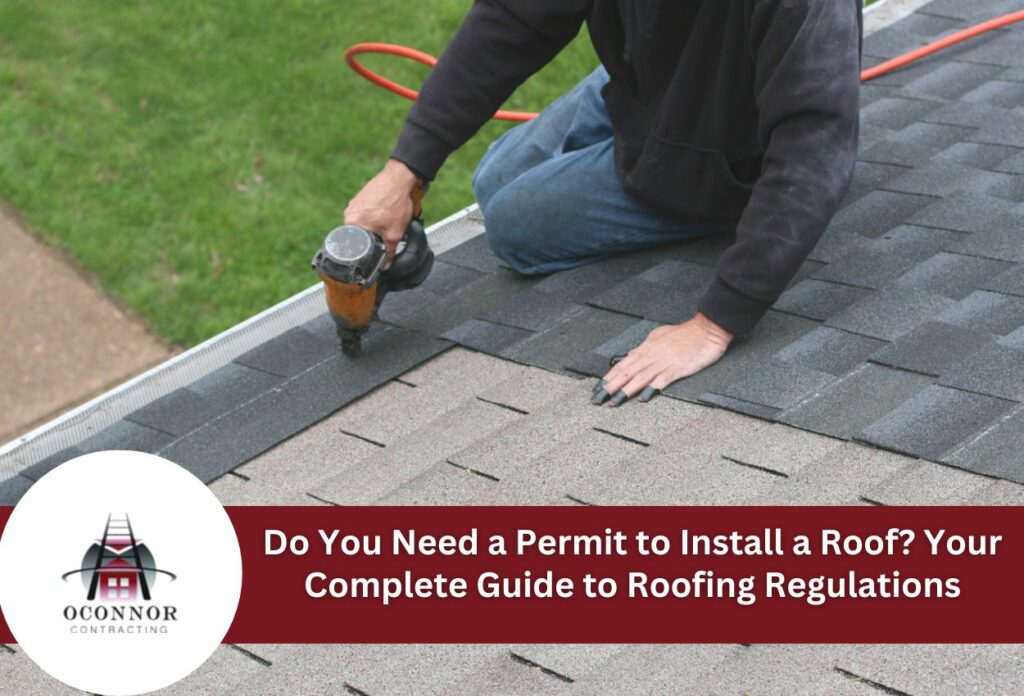
Installing or replacing a roof typically requires obtaining building permits from local authorities. Roofing permit requirements exist to ensure that all installation work meets established safety standards and building codes, protecting both homeowners and their communities. These regulations help guarantee that roofing projects use appropriate materials, follow structural guidelines, and are inspected throughout the process.
Residential roofing permits are usually mandatory when replacing an entire roof, installing a new roof on new construction, or making significant structural modifications to existing roofing systems. However, minor repairs like replacing a few shingles or fixing small leaks may not require permits in many jurisdictions. The distinction between repair work and replacement projects often determines whether roof installation permits are necessary.
Different municipalities, counties, and states have their own specific requirements for building permits for roofing projects. Some areas have streamlined processes for standard residential roofing permits, while others require detailed plans and multiple inspections. Understanding whether a roof replacement permit is needed for your specific project requires checking with local building departments or consulting with licensed roofing contractors who can help you navigate the permitting process.
When Roofing Permits Are Required vs. When They’re Not
Whether you need a permit for your roofing project mainly depends on the scope and nature of the work being done. Complete roof replacements almost always trigger permit requirements, as these projects involve removing existing materials and installing entirely new roofing systems. Major modifications such as adding dormers, changing roof pitch, or altering support beams also usually require roof installation permits because they affect the building’s structure.
Projects involving changes to rooflines, switching between different roofing materials, or installing new components like chimneys and vents typically necessitate building permits. Adding skylights, solar panels, or other roof-mounted equipment also requires a permit due to the structural penetrations and modifications involved.
Conversely, many routine maintenance activities do not require residential roofing permits. Minor repairs affecting small sections of shingles, replacing individual damaged tiles, or fixing minor flashing issues generally fall outside permit requirements. Basic maintenance work like cleaning gutters, replacing worn caulking, or applying roof coatings for weatherproofing typically proceeds without permits.
The main distinction is between repair work that maintains existing conditions versus replacement or modification work that changes the roof structure or materials. When determining if a permit is needed, consider whether the project involves structural changes, covers significant square footage, or requires professional installation that could impact building safety standards.
Understanding Your Local Building Code Requirements
Researching roofing permit requirements begins with contacting your local building department, as these offices maintain current information about residential roofing permits and application procedures. Building departments typically provide permit applications, fee schedules, and specific requirements for roof installation permits in their jurisdiction. Many municipalities now offer online resources where property owners can access permit information, application forms, and submission guidelines.
Municipal variations in building permit requirements can be substantial, even between neighboring communities. Some jurisdictions require detailed architectural drawings for simple roof replacements, while others accept basic project descriptions. Certain areas mandate multiple inspections throughout the installation process, whereas other locations require only final inspections upon project completion.
Several key factors influence whether a roof replacement permit is needed and what requirements apply to your specific project. Property type plays a significant role, as commercial buildings typically face stricter regulations than residential properties. Roof size affects permit complexity, with larger installations requiring more detailed documentation and potentially additional inspections.
Material changes from existing roofing systems often trigger additional roofing permit requirements, particularly when switching from lighter materials like asphalt shingles to heavier options like tile or slate. Proximity to property lines can impact permit approval, especially in areas with setback requirements or fire safety considerations.
Properties located within historic districts face specialized regulations that may require additional approvals beyond standard building permits. These areas often have restrictions on materials, colors, and installation methods to preserve architectural character and historical integrity.
The Step-by-Step Process of Obtaining a Roofing Permit
Obtaining building permits for roofing work requires gathering specific documentation before submitting your application to local building authorities. Essential paperwork typically includes detailed project plans showing roof dimensions, material specifications, and installation methods. Contractors usually provide their business credentials, insurance certificates, and bonding information as part of the roofing permit requirements.
Material specifications are a critical component of residential roofing permit applications. Most building departments require documentation showing the type, grade, and manufacturer specifications for shingles, underlayment, flashing, and fasteners being used. These details ensure that all materials meet local building codes and climate requirements for your specific area.
Property surveys or plot plans showing the building’s location relative to property boundaries are often mandatory for roof installation permits. Some jurisdictions require photographs of existing roof conditions, particularly when replacing damaged sections or upgrading from older roofing materials.
Timelines for roof replacement permit approvals vary depending on local workload and application complexity. Standard residential applications typically receive approval within a week or two, though busy construction seasons may extend processing times. Building departments usually schedule initial inspections within several days of permit issuance.
If applications require revisions, building departments typically provide specific feedback about necessary changes or additional documentation. Resubmitting corrected applications generally moves through faster review processes, assuming all required modifications have been properly addressed. Working with experienced contractors familiar with local roofing permit requirements often streamlines the entire approval process and reduces potential delays.
Consequences of Skipping Required Roofing Permits
Bypassing roofing permit requirements creates significant legal and financial risks that can affect homeowners for years after project completion. Municipal building departments actively enforce permit regulations, and unpermitted roofing work discovered during routine inspections or neighbor complaints can result in substantial fines and penalties. Property owners may face stop-work orders that halt ongoing construction, forcing project delays while they scramble to obtain retroactive building permits.
Insurance complications are another serious consequence of unpermitted roof installation work. Many homeowners insurance policies contain clauses that void coverage for damages resulting from unpermitted construction or modifications. Claims for wind damage, water intrusion, or structural problems may be denied if insurers discover that roofing work was completed without proper residential roofing permits, leaving homeowners responsible for expensive repairs.
Property sales can become complicated when unpermitted roofing work is discovered during home inspections or title searches. Potential buyers often need permit documentation before closing, and missing roof replacement permits can derail real estate transactions or force sellers to accept reduced offers. Some buyers may walk away entirely rather than assume liability for unpermitted work.
Retroactively obtaining permits for completed roofing projects is generally significantly more expensive and complex than securing approvals beforehand. Building departments may require extensive documentation, engineering reports, or partial roof removal to verify that work meets current building codes, substantially increasing overall project expenses beyond original roof installation permit costs.
Working with Licensed Contractors and Determining Permit Responsibilities
Professional roofing contractors typically handle permit applications and inspection scheduling as part of their comprehensive service offerings. Licensed contractors understand local roofing permit requirements and maintain established relationships with building departments, which streamlines the approval process for residential roofing permits. These professionals ensure that all documentation meets current standards and that projects comply with applicable building codes throughout the installation process.
Experienced contractors manage inspection schedules efficiently, coordinating with building officials to minimize project delays. They understand when inspections are required during different phases of roof installation, from initial material delivery through final completion. Professional roofers also address any code violations or inspection issues that arise, making necessary corrections to meet building standards.
When hiring contractors, homeowners should verify that their chosen professional holds current licensing and insurance credentials. Legitimate contractors readily provide license numbers, if applicable, which property owners can verify through state licensing boards or local building departments. Contractors should clearly explain their role in obtaining roof replacement permits and provide written agreements outlining permit responsibilities.
Clear communication about permit handling prevents misunderstandings between contractors and homeowners. Written contracts should specify who obtains roof installation permits, pays associated fees, and manages inspection scheduling. Reputable contractors include permit costs in their project estimates and handle all regulatory interactions, ensuring that homeowners receive proper documentation for their roofing investment while maintaining compliance with local building requirements.
Navigating Special Circumstances and Permit Exceptions
Emergency roofing situations often require immediate attention that cannot wait for standard permit processing times. Storm damage, severe leaks, or structural failures create urgent circumstances where temporary repair permits may be available through expedited approval processes. Many building departments maintain emergency protocols that allow contractors to begin critical repairs while permit applications move through accelerated review procedures.
Temporary roofing work and immediate stabilization, such as tarping damaged areas, securing loose materials, or making basic weatherproofing repairs, generally do not require a permit. However, if the damage requires a full roof replacement or significant repairs, permits must be applied for within specified timeframes, depending on local regulations. Building departments may waive certain documentation requirements for emergency situations, but still expect compliance with safety standards and inspection protocols.
Historic properties face additional layers of regulatory oversight beyond standard roofing permit requirements. Historic preservation commissions often review material choices, installation methods, and aesthetic considerations before standard building permits can be approved. These properties may require specialized materials or installation techniques that maintain historical authenticity while meeting current building codes.
Homeowners association regulations can impose additional restrictions on residential roofing work, particularly regarding material colors, styles, or installation schedules. Properties under multiple jurisdiction oversight, such as those in historic districts with HOA governance, may require approvals from several different authorities before roof installation permits are granted.
Ensure Compliance with Expert Roof Installation from OConnor Contracting
Understanding the complexities of roofing permits can be daunting, but ensuring that your roof installation complies with local building codes is vital for your home’s safety and value. Whether you’re considering a full roof replacement or significant modifications to your Buffalo home, OConnor Contracting is here to guide you through the permit process seamlessly.
At OConnor Contracting, we handle all aspects of permit applications and ensure that every project meets strict building standards. Don’t risk the consequences of unpermitted work, which can include severe fines and complications with future property transactions. Let our licensed professionals provide you with peace of mind.
Ready to start your roofing project with full compliance? Call OConnor Contracting at (716) 600-7663 to secure expert roofing services in Buffalo and the surrounding areas!
Related Articles
-
 October 25, 2025A Roofing Safety Standard and Regulations Guide for ContractorsWant to keep your roofing crew safe and compliant? Learn essential safety rules to prevent accidents and costly violations.
 -
 August 11, 2026Roof Installation in Buffalo, NY: Costs, Materials, Timing & What to ExpectPlanning a roof replacement in Buffalo? Explore the process, local costs, material options, and contractor tips, then get your free estimate today.
 -
 June 8, 2026Fiber-Cement Siding Installation in Buffalo, NY: What Homeowners Need to Know Before They StartUpgrade to fiber cement siding built for Buffalo winters. Get your free estimate today.
Protect Your Home with Expert Roofing
Don’t wait for leaks or storm damage to cause costly repairs. Our experienced roofing team provides fast, reliable service, high-quality materials, and lasting results. Ensure your home stays safe, secure, and looking great—contact us today for a free estimate.