Essential Guide to Flat Roof Flashing Types for Long-Lasting Protection


Flat roof flashing is an essential defense against water damage in commercial and residential buildings. These critical components direct water away from vulnerable areas where the roof meets walls, vents, chimneys, and other structural elements. Without proper flat roof flashing, even the smallest gap can allow water to leak in and cause extensive structural damage over time.
Different kinds of roof flashing work together as an integrated waterproofing system. Each type addresses specific areas of vulnerability on flat roofs. Drip edge flashing protects the roof perimeter, while step flashing secures joints between roof surfaces and vertical structures. Understanding how these components function helps property owners make informed decisions about their roofing systems.
The selection of appropriate flashing roof membranes depends on factors including climate conditions, building design, and existing roofing materials. Some flashing types excel in extreme weather conditions, while others offer superior durability for high-traffic areas. Professional installation ensures these protective barriers perform effectively for years.
Modern flashing repair techniques have evolved to address common failure points in older installations. Property owners who recognize the importance of quality flashing systems can prevent expensive water damage and extend their roof’s lifespan significantly.
Most Common Flat Roof Flashing Materials and Their Benefits
The roof flashing materials installed significantly impact the longevity and performance of flat roofing systems. Aluminum flashing offers excellent corrosion resistance and lightweight properties, making it ideal for most residential applications. Its flexibility allows for easy installation around complex roof shapes while maintaining strong weather resistance against temperature fluctuations.
Copper flashing provides superior durability and develops a protective patina over time that enhances its weather-resistant qualities. This premium material works exceptionally well with high-end roofing membranes and offers decades of reliable protection. Steel flashing delivers maximum strength for areas requiring robust structural support, though it requires proper coating to prevent rust.
Rubber flashing materials excel in flexibility and seamless integration with membrane roofing systems. These materials conform easily to irregular surfaces and maintain their elasticity through extreme temperature changes. EPDM and TPO flashing bond directly with compatible roof membranes, creating watertight seals.
Climate conditions play a crucial role in material selection. Areas with frequent freeze-thaw cycles benefit from flexible materials that accommodate thermal expansion. High-wind regions require flashing with superior mechanical attachment capabilities. The existing roof membrane type also influences material compatibility, as certain combinations create stronger, more durable waterproofing systems.
Long-term maintenance preferences should also guide material choices. While some materials require periodic inspections and treatments, others provide maintenance-free performance for extended periods. Property owners should consider how much care they are willing to provide to their roof flashing before making a final decision.
Perimeter and Edge Flashing Solutions for Maximum Water Protection
Perimeter protection is one of the most critical aspects of flat roof waterproofing systems. Drip edge flashing specifically channels water away from roof edges, preventing moisture infiltration that can damage fascia boards and building foundations. These specialized flashing systems extend beyond the roof deck, creating an overhang that directs water into gutters.
Various drip edge flashing configurations accommodate different architectural requirements and roof membrane types. Standard drip edges work effectively for basic applications, while extended designs provide enhanced protection for buildings in high-rainfall areas. The material thickness and profile shape determine how effectively water flows away from vulnerable edge areas. Proper installation requires precise positioning to ensure adequate water clearance while maintaining structural integrity.
Parapet wall flashing presents unique challenges for commercial flat roofing systems. These raised perimeter walls require specialized flashing roof membranes that transition seamlessly from horizontal roof surfaces to vertical wall surfaces. Counter flashing must account for thermal movement between different building materials while maintaining watertight seals.
Installing step flashing along parapet walls needs careful attention to overlap patterns and mechanical attachment methods. The flashing must extend sufficiently up the wall surface to prevent wind-driven rain from seeping through. Base flashing anchors to the roof deck, while cap flashing secures to the wall structure, creating a dual-layer protection system that accommodates building movement without compromising water resistance. These flashing types work together to protect this vulnerable part of the flat roofing system.
Flashing Types for Roof Equipment and Features
Roof penetrations create the most vulnerable points in flat roofing systems, requiring specialized flashing solutions tailored to each equipment type. Step flashing around chimneys, skylights, and HVAC units needs precision-fitted waterproof barriers that accommodate both structural movement and thermal expansion. These custom installations involve layered roof flashing materials that create overlapping protection zones around complex geometric shapes.
Installing step flashing around chimneys requires careful measurement and cutting to ensure proper water diversion. Each piece must overlap the previous section while following the contours of both the roof surface and the chimney structure. The flashing extends under the roofing membrane and up the vertical surface, creating a stepped pattern that guides water away from vulnerable joints.
Boot and collar flashing systems provide reliable sealing solutions for pipes, vents, and smaller mechanical equipment. These flexible components stretch over these gaps and bond directly to roof membranes, creating seamless transitions. Rubber boot flashing accommodates pipes of various diameters while maintaining elasticity through temperature changes. Metal collar systems offer enhanced durability for larger pipes and vents that need frequent maintenance access.
Specialized equipment flashing addresses unique challenges presented by rooftop HVAC units, exhaust fans, and communication equipment. These installations often require custom fabrication to match specific equipment footprints. Proper design includes adequate drainage provisions and removable sections for equipment maintenance. Understanding these flat roof flashing types ensures long-term protection against the most common sources of roof leaks.
Membrane-Specific Flashing Compatibility and Integration Methods
Different membrane systems require specific flashing approaches to ensure optimal waterproofing performance. TPO roof membranes work best with thermoplastic flashing materials that can be heat-welded to create seamless bonds. The welding process fuses the flashing directly to the membrane surface, eliminating potential leak points that mechanical fastening methods might create. This chemical bonding provides superior water resistance compared to adhesive-only installations.
EPDM rubber membranes require flashing made from compatible rubber materials or specially designed transition strips. These systems rely primarily on adhesive bonding techniques using contact cement or specialized tapes. The flexibility of both the membrane and flashing allows thermal movement without compromising the seal. Proper surface preparation is critical for achieving long-lasting adhesive bonds with EPDM systems.
Modified bitumen membranes accommodate both torch-applied and cold-applied flashing integration methods. Hot-applied techniques create strong thermal bonds between the membrane and roof flashing materials, while cold adhesives offer safer installation alternatives. The multi-layer nature of modified bitumen systems allows for embedded flashing installation, where flashing components become integral parts of the membrane assembly.
Mechanical fastening methods provide additional security for all membrane types but require careful sealing to prevent water infiltration through fasteners. The choice between adhesive and mechanical attachment depends on wind loads, membrane thickness, and building design requirements. Professional installation ensures compatibility between flashing materials and membrane systems for maximum protection.
Professional Installation Techniques That Prevent Future Problems
Professional installation techniques focus on creating watertight seals that accommodate thermal expansion and building movement throughout the structure’s lifespan. Surface preparation is necessary for successful flashing installation, requiring thorough cleaning and primer application to ensure optimal adhesion. Temperature conditions during installation directly affect material performance, as roof flashing materials must be installed within manufacturer-specified temperature ranges to achieve proper bonding.
Critical installation steps include precise measurement and cutting to minimize field modifications that can compromise waterproofing integrity. Installing step flashing requires careful attention to overlap patterns, with each piece extending beyond adjacent sections. Mechanical fasteners must go into substrates adequately while avoiding over-compression that can distort flashing profiles and reduce their effectiveness.
Common installation mistakes include insufficient adhesive coverage, improper surface preparation, and rushing installation during adverse weather conditions. These errors lead to premature failure as flashing loses its ability to maintain flexible seals. Professional contractors understand that patience during installation prevents flashing repairs later, particularly in harsh weather environments where thermal cycling places additional stress on waterproofing systems.
Quality control measures during installation include testing all seams and connections before membrane application. Experienced installers recognize that different flat roof flashing types require specific techniques, and they adjust their methods accordingly to ensure each component performs as designed throughout extreme temperature variations and structural movement.
Maintenance and Repair Strategies to Extend Flashing Performance
Proactive maintenance programs significantly extend the life of flat roof flashing systems through early problem detection and prompt repairs. Roof inspections allow property owners to identify potential issues before they cause major water damage. Professional inspections should occur twice annually, typically in spring and fall, with additional checks following severe weather events that may stress flashing connections.
Visual inspection techniques focus on identifying separation gaps, cracked materials, and loose mechanical attachments around all roof penetrations and perimeter areas. Particular attention should be paid to areas where different roof flashing materials meet, as thermal expansion differences can create stress points. Signs of deterioration include discoloration, surface cracking, lifted edges, or gaps between flashing and adjacent surfaces. Drip edge flashing requires inspection for proper water flow patterns and secure attachment to prevent wind uplift.
Effective flashing repair techniques address common problems through targeted solutions that restore the roof’s waterproofing integrity. Loose seams often require cleaning, re-priming, and fresh adhesive application using compatible materials. Cracked flashing sections may need patching with matching materials or complete replacement, depending on the extent of the damage. Separated joints benefit from professional cleaning and resealing using appropriate flashing roof membranes that match existing systems.
Minor repairs performed promptly prevent major reconstruction projects and protect building interiors from water damage. However, extensive deterioration or repeated failure patterns indicate the need for a complete system evaluation and potential upgrading to more durable flat roof flashing types that better suit current building conditions and performance requirements.
Protect Your Property with Expert Flat Roof Flashing Installation from OConnor Contracting
Ensuring your flat roof remains in peak condition starts with choosing the right flashing materials and installation methods. At OConnor Contracting, we specialize in high-quality flat roof flashing types for various membrane systems, ensuring long-lasting protection against water damage. Whether you need durable aluminum, flexible rubber, or robust copper flashing, our expert team is here to provide tailored solutions that match your roof’s specific needs.
Don’t let improper installation compromise the integrity of your roof. Call us today at (716) 600-7663 to schedule a consultation and ensure your roofing project is handled with the professionalism and precision it deserves. Trust OConnor Contracting to secure your investment and provide peace of mind through superior roofing services.
Related Articles
-
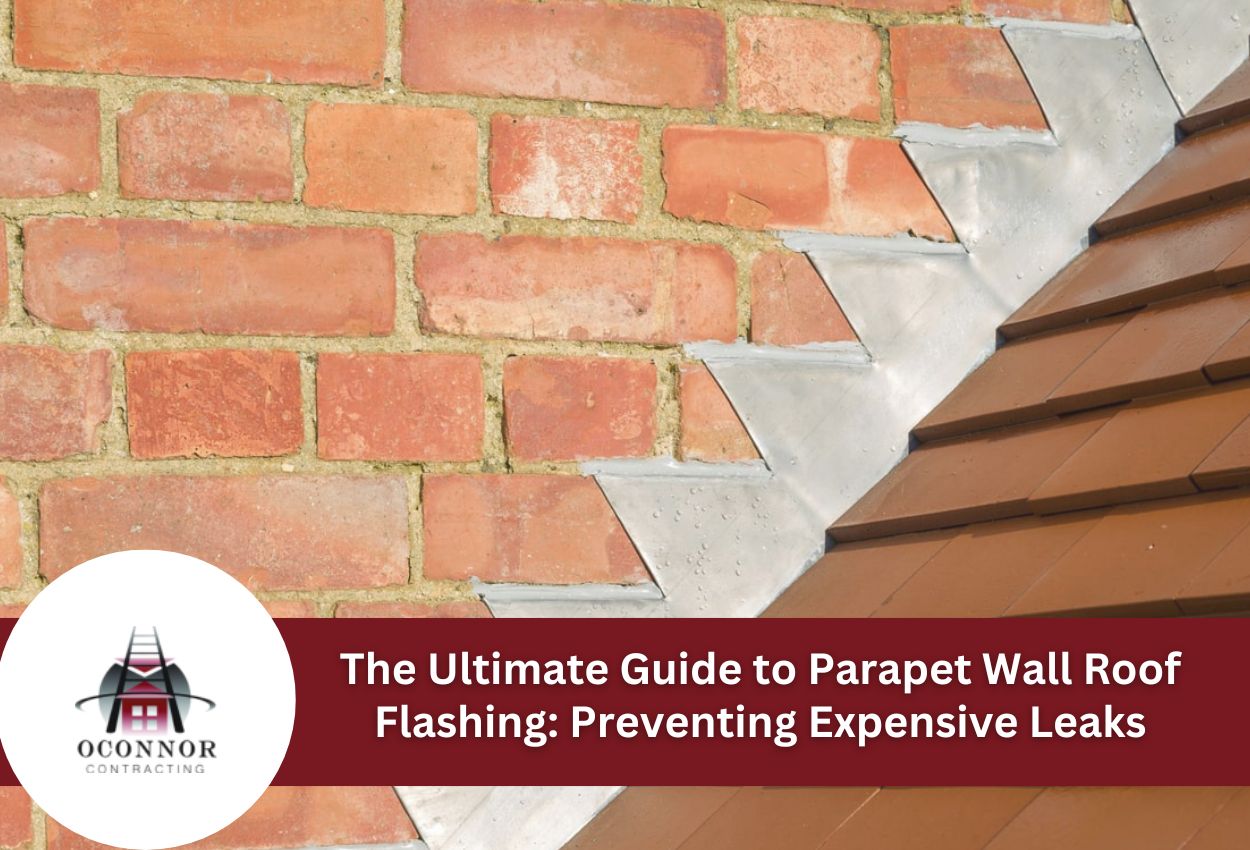 June 27, 2025The Ultimate Guide to Parapet Wall Roof Flashing: Preventing Expensive LeaksRoof leaking near a parapet wall? Discover how to install parapet wall flashing correctly to stop water damage and extend your roof’s life.
 -
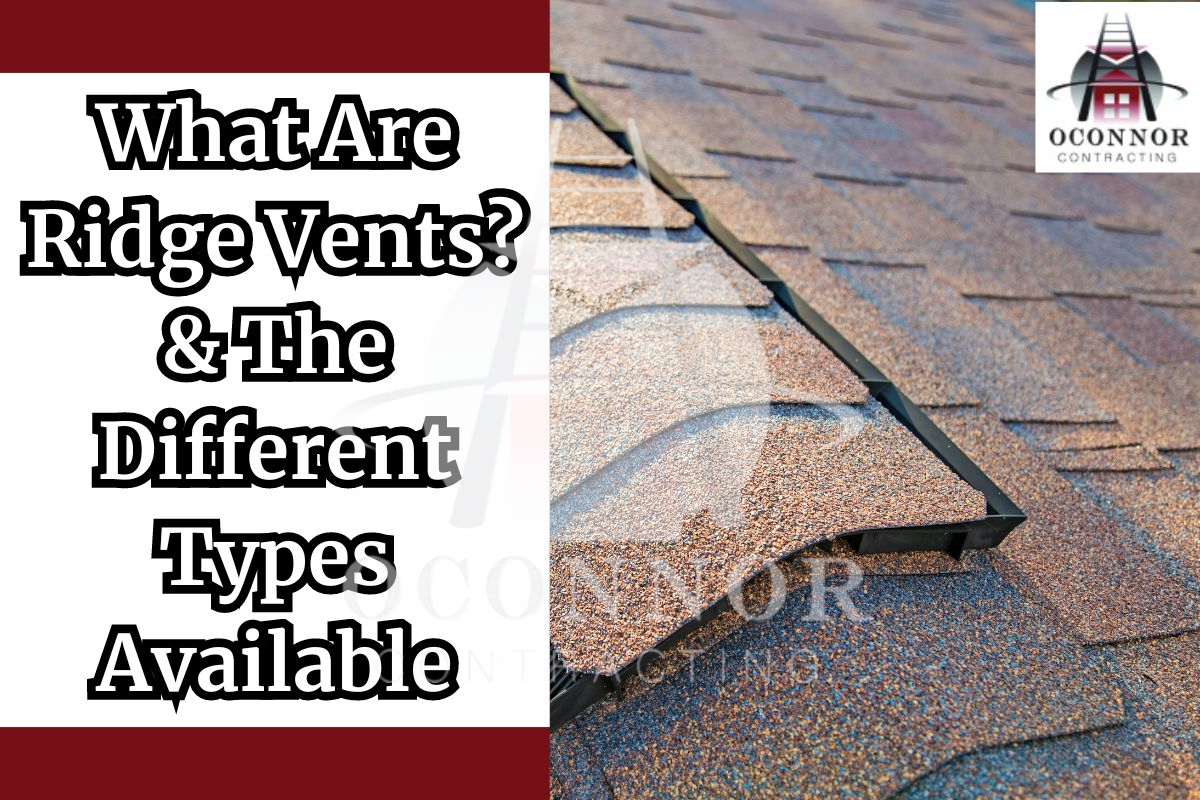 April 15, 2024What Are Ridge Vents? & The Different Types AvailableA healthy and functional home depends on having adequate roof ventilation. Ridge vents are one of the many elements that are essential to maintaining sufficient airflow in the attic area. This blog post delves into this roof vent and the different types of ridge vents available. How Do Ridge Vents Work? The purpose of ridge […]
 -
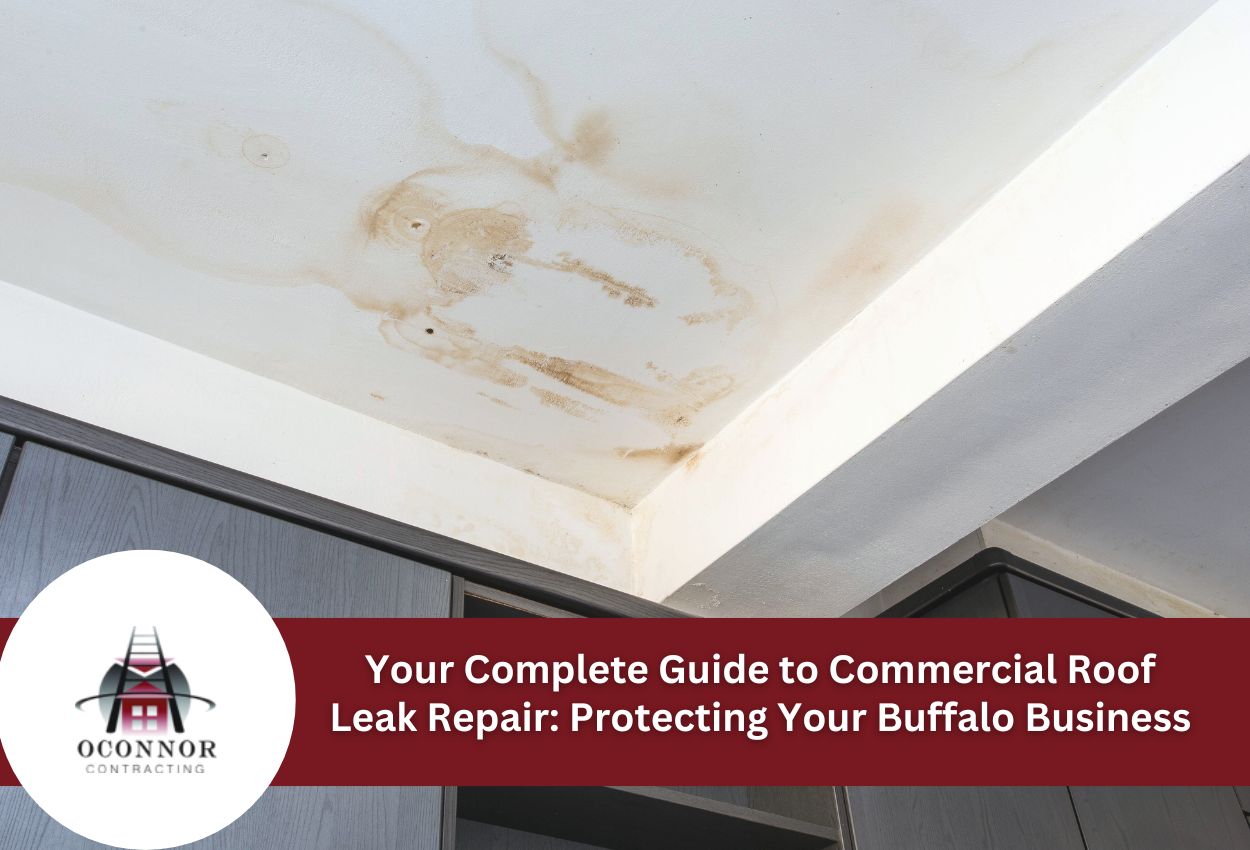 June 13, 2025Your Complete Guide to Commercial Roof Leak Repair: Protecting Your Buffalo BusinessRoof leak in your Buffalo business? Get commercial repairs to prevent damage and protect your operations.
Protect Your Home with Expert Roofing
Don’t wait for leaks or storm damage to cause costly repairs. Our experienced roofing team provides fast, reliable service, high-quality materials, and lasting results. Ensure your home stays safe, secure, and looking great—contact us today for a free estimate.