How Commercial Roof Inspections Work: A Property Owner’s Guide
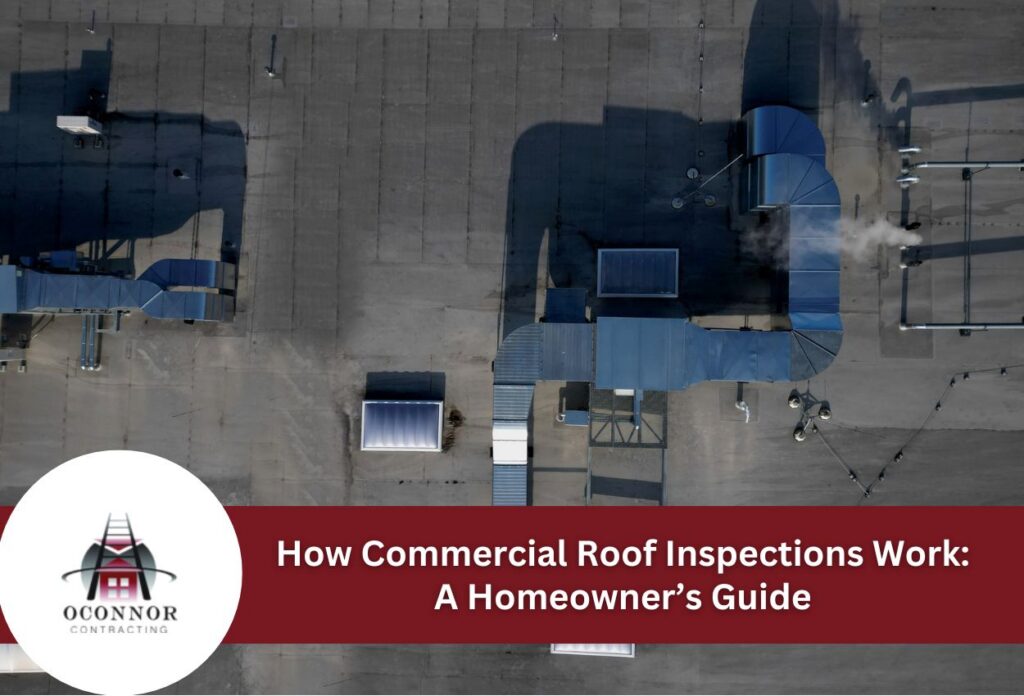

A standard commercial roof inspection follows a 4-to-5-step process: access, visual survey, close-up evaluation, documentation, and a written report, and takes 1 to 4 hours depending on roof size and complexity. For Buffalo property owners, that process carries extra weight. NOAA Buffalo Lake-Effect Snow data shows lake-effect snow topping 90 inches a year, combined with freeze-thaw cycles that run from December through February, puts commercial roofs under stress that mild-climate markets never face.
Flat and low-slope roofs common across Buffalo’s older industrial buildings and warehouses take the hardest hits. Moisture gets in, temperatures swing, and small problems become expensive ones fast. Regular inspections catch those problems early before a slow leak turns into a structural repair.
This article walks through exactly what happens during a commercial roof inspection, what inspectors look for, how long the process takes, what it costs, and how often Buffalo property owners should schedule one.
*Please note, price ranges listed in this article may not reflect the final cost of your project. Prices are subject to change based on various factors such as local labor rates, material quality, and more. All costs established in this article are rough estimates based on average industry rates.
What Happens During a Commercial Roof Inspection?
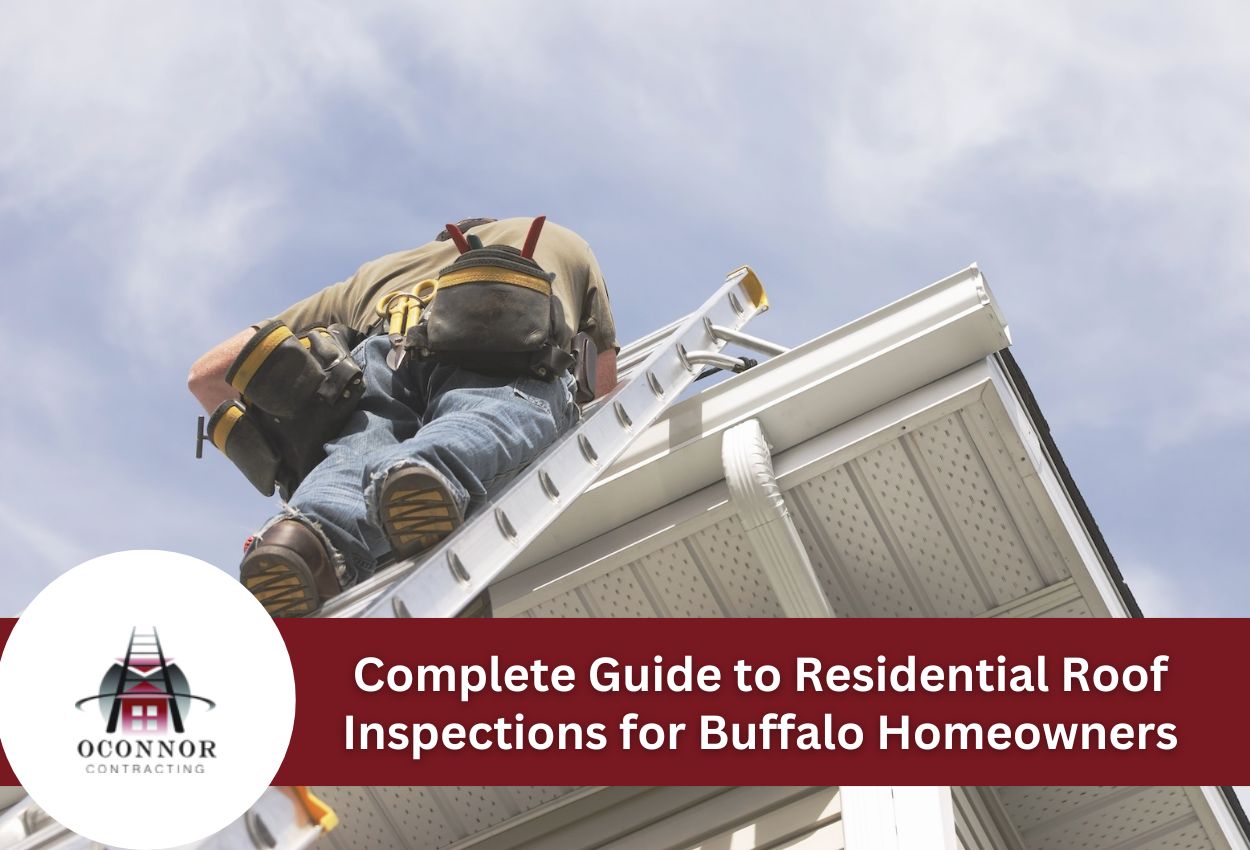
A full commercial roof inspection follows five defined steps and typically takes between 1 and 4 hours from start to finish, depending on roof size and access conditions.
- Pre-Inspection Review (10 to 15 minutes): The inspector reviews the roof’s age, prior inspection reports, any known leak history, and existing warranty documentation before setting foot on the roof. This step shapes what to look for during the walkthrough.
- Exterior Perimeter and Edge Assessment (15 to 30 minutes): Inspectors check gutters, drip edge, flashing, coping caps, and parapet walls for signs of separation, cracking, or water intrusion. On older Buffalo industrial buildings, brick-and-steel structures built in the early 20th century, inspectors spend extra time here because parapet walls and edge flashings fail at higher rates due to repeated thermal movement.
- Full Surface Walkthrough (30 to 90 minutes): The inspector covers the entire surface of the roof, checking for membrane tears, ponding areas, damaged seams, blistering, and debris buildup. Time varies based on square footage.
- Interior Attic or Deck Inspection (15 to 30 minutes, when accessible): If roof decking is accessible from below, inspectors look for moisture staining, sagging, or mold signs that water has already moved past the surface.
- Written Documentation and Photo Report (15 to 20 minutes on-site): The inspector records findings, photographs problem areas, and notes any areas flagged for immediate repair or monitoring.
Core sampling, a process that removes small plugs of roofing material to measure moisture saturation and estimate remaining service life, is separate from a standard visual inspection. Most contractors follow NRCA Roof Inspections Guidelines, recommending core sampling every 5 to 10 years, not annually. Knowing which type of inspection a roof needs helps Buffalo property owners budget and plan repairs before problems escalate.
What Does a Commercial Roof Inspector Look For on Buffalo Properties?
Inspectors check six primary targets on every commercial roof visit, and each one ties directly to a specific risk that Buffalo’s climate creates. Freeze-thaw cycles between 20 degrees and 30 degrees Fahrenheit from December through February are the single biggest driver of membrane and seam damage on local flat roofs. Understanding what gets inspected and why helps property owners know exactly what they’re paying for.
- Seams and membrane joints: Thermal movement from repeated freezing and thawing causes seam separation over time, often starting between years 10 and 15 on single-ply systems.
- Flashings and gaps: HVAC curbs, pipe boots, and wall flashings crack under thermal stress, creating entry points for water that refreezes and widens gaps.
- Roof drains and scuppers: Blocked drains trap standing water, which freezes and accelerates ice dam formation, a direct risk on Buffalo’s flat commercial roofs every winter.
- Ponding water zones: Any area holding water 48 hours after rainfall signals a drainage problem. Long-term ponding breaks down membrane adhesion and adds dead weight.
- Surface blistering or cracking: UV exposure during summer months of 70 degrees to 80 degrees combined with winter cold causes surface-layer cracking, especially on aged built-up roofing systems.
- Edge and fascia board conditions: Lake-effect gusts up to 40 mph put direct uplift pressure on edge metal and coping caps, which inspectors verify against ASCE 7 wind uplift resistance ratings required under the New York State Uniform Fire Prevention and Building Code.
How Do TPO/EPDM and Built-Up Roofing Compare on Key Inspection Metrics?
| Inspection Category | TPO / EPDM Single-Ply | Built-Up Roofing (BUR) |
|---|---|---|
| Susceptibility to thermal cracking | Moderate EPDM stays flexible in cold. TPO becomes brittle below 20 degrees | Higher multiple layers move independently, increasing surface crack risk |
| Typical seam condition at year 10 to 15 | Heat-welded TPO seams show stress. EPDM adhesive seams may gap 1/8 to 1/4 inch | Felt-layer seams generally intact, but flood coat surface shows alligatoring by year 12 to 15 |
| Core sampling remaining-life indicator | Wet insulation board signals less than 5 years of serviceable life remaining | Moisture between plies signals imminent failure. Dry cores indicate 5 to 10 years remaining |
New York State’s Uniform Fire Prevention and Building Code requires inspectors to verify structural integrity and confirm wind uplift resistance ratings meet ASCE 7 standards, a requirement that carries real weight in Buffalo, where lake-effect storms push gusts past 40 mph. Reviewing core sample results alongside seam and flashing findings gives property owners the clearest picture of where their roof stands and what repairs need to happen first.
How Long Does a Commercial Roof Inspection Take and How Often Should It Be Done?
Inspection time depends directly on roof size: buildings under 10,000 square feet typically take 1 to 2 hours, roofs between 10,000 and 50,000 square feet run 2 to 4 hours, and anything larger or with complex gaps, multiple HVAC units, skylights, or equipment curbs can require a full day. Knowing that range helps property owners schedule around tenant activity or business hours without surprises.
How Often Should Inspections Be Scheduled?
The National Roofing Contractors Association recommends at least one inspection per year as the baseline for low-slope commercial roofs. In Buffalo, that baseline isn’t always enough. Any storm producing wind gusts above 35 mph or dropping more than 12 inches of snow in a single storm warrants a post-storm inspection, both thresholds that Buffalo regularly crosses during lake-effect season. Waiting until the annual visit after that kind of storm risks missing damage that gets worse quickly under continued freeze-thaw cycling.
When Is the Best Time to Schedule a Roof Inspection in Buffalo?
April through May and September through October are the two best windows for Buffalo properties. Spring inspections catch whatever winter left behind, cracked seams, separated flashings, and ice dam damage before peak building occupancy in summer.
One practical note: snow-covered roofs cannot be accurately assessed for surface damage, so inspections scheduled after heavy snowfall may need to be rescheduled to get an accurate reading of actual membrane and flashing conditions.
How Much Does a Commercial Roof Inspection Cost Compared to Ignoring One?
A basic commercial roof inspection in Buffalo starts at $200 and tops out around $1,500 for full inspections, with core sampling a fraction of the $8,000 to $25,000 in combined repairs that a missed seam failure can trigger once water reaches the building interior.
| Inspection Type | Roof Size | Typical Cost Range (Buffalo Market) |
|---|---|---|
| Basic visual inspection | Under 10,000 sq ft | $200 to $500 |
| Visual inspection | 10,000 to 50,000 sq ft | $400 to $900 |
| Full inspection with core sampling | Under 20,000 sq ft | $700 to $1,500 |
| Infrared/thermal scan (add-on) | Any size | $500 to $1,200 additional |
The cost difference between catching a problem early and ignoring it is steep. A minor TPO seam repair caught during a routine inspection averages $300 to $700. That same failure, left alone until water leaks into the building interior, runs $8,000 to $25,000 once roofing and interior building repairs are combined. That gap as wide as $24,700 is the real cost of skipping an inspection.
Beyond repair savings, many commercial property insurance policies in New York require documented periodic inspections for coverage to stay valid on roofs 15 to 20 years old or older, making a scheduled inspection a compliance requirement, not just a maintenance choice.
Is a Commercial Roof Inspection Worth It Before Signing a Lease or Filing an Insurance Claim?
Yes, and six specific scenarios make an inspection not just recommended but necessary, each carrying a clear priority level based on how fast damage or liability can add up.
- Roof is 5+ years old with no documented inspection (Priority: Within 30 days): Without a written inspection record, there is no baseline to show a lender, insurer, or tenant. Most commercial leases and insurance underwriters request documentation going back at least 3 to 5 years.
- Lease agreement requires roof certification: Many commercial lease clauses specifically require a formal written inspection report with photos and condition ratings, not an informal contractor walkthrough before a tenant takes occupancy.
- Insurance renewal is within 60 to 90 days: Insurers reviewing policies on roofs 15 years or older increasingly request current inspection reports. Having one ready reduces the risk of coverage gaps or premium increases at renewal.
- Interior staining or active dripping reported: Visible water inside the building means the membrane has already failed somewhere. Every day without a formal inspection and commercial roof repair order increases the job scale and the costs of the damage.
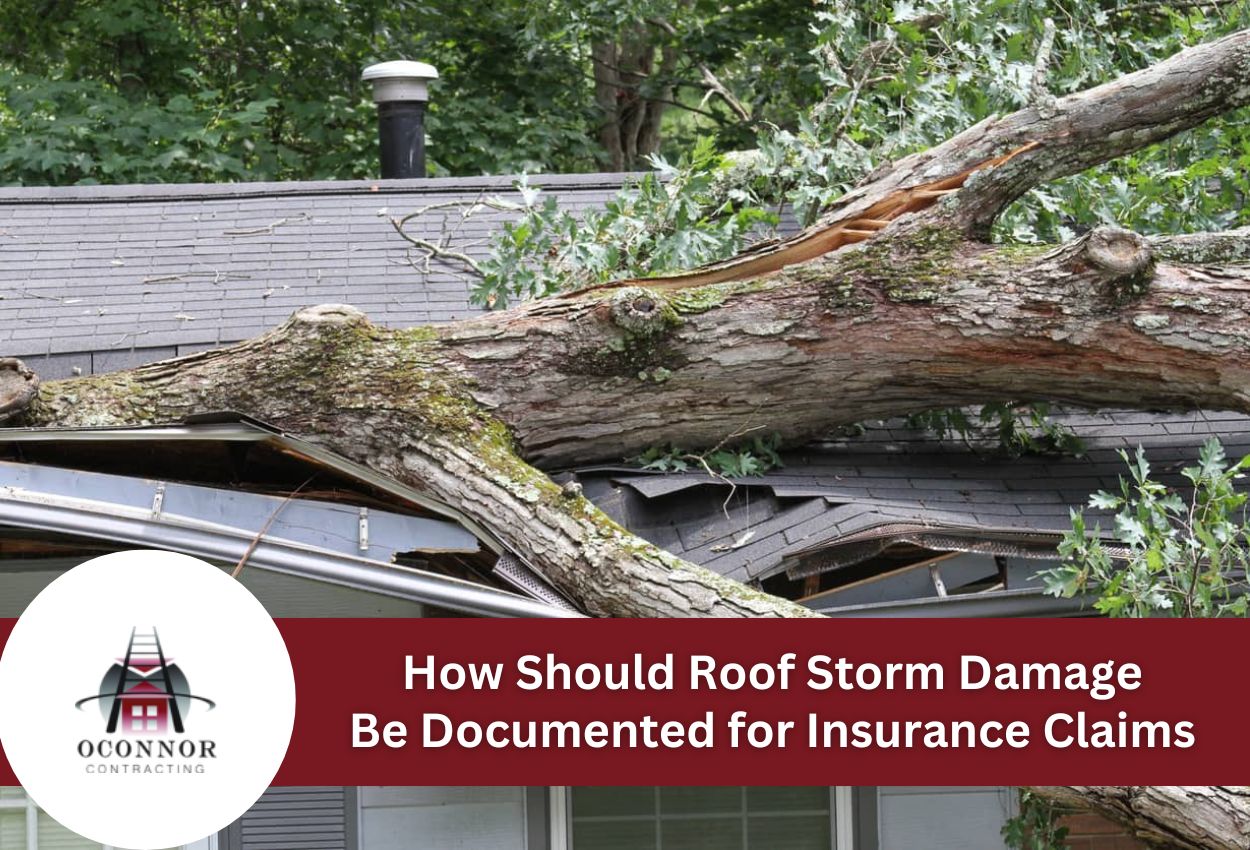
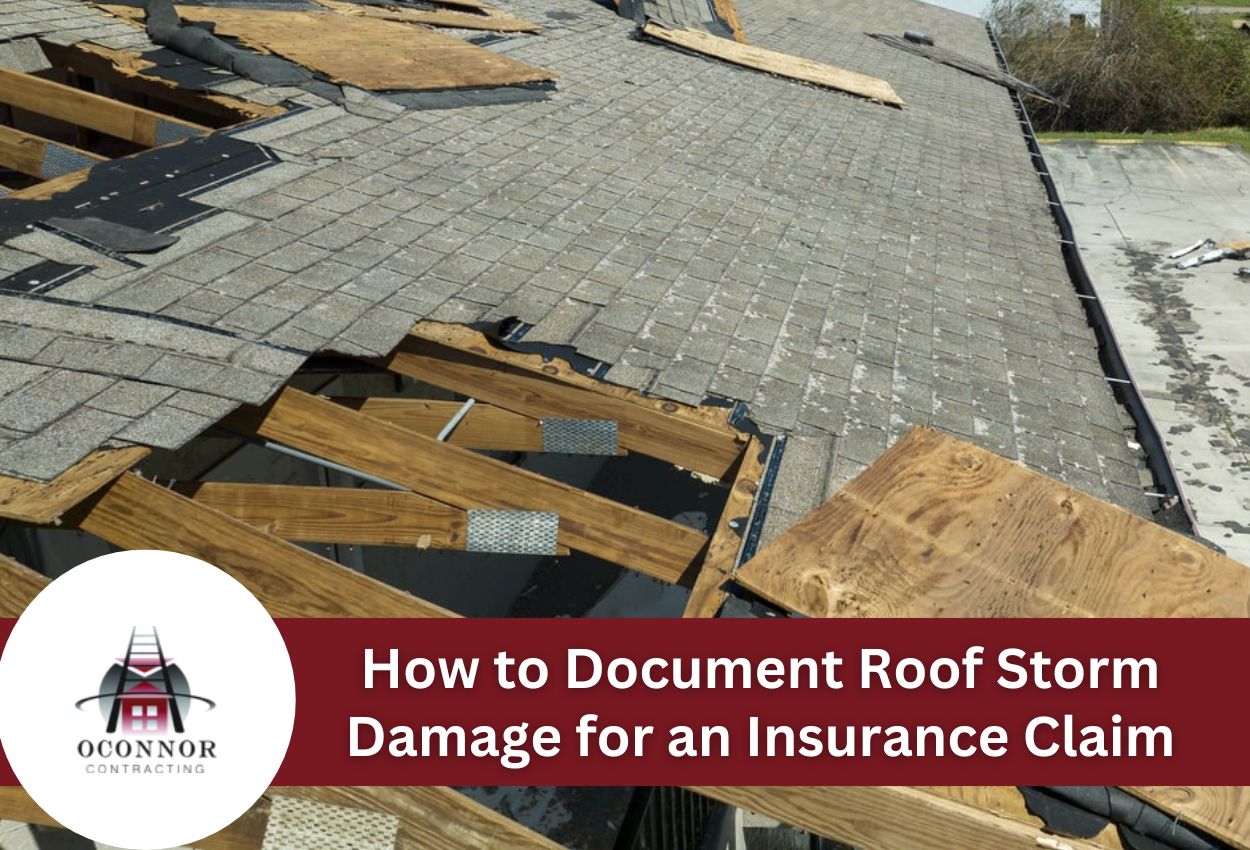
- Major storms within the past 30 days: Any storm producing wind gusts above 35 mph or significant hail warrants a documented inspection before filing a claim. Insurers can deny claims if damage cannot be tied to a specific storm with dated inspection records.
- Property sale or acquisition due diligence: A formal inspection report with condition ratings protects both buyer and seller. Without one, a roof’s remaining service life, which can range from 2 to 20+ years, is unknown, making accurate property valuation impossible.
Manufacturer warranties on TPO and EPDM systems covering 10 to 20 years often require documented annual inspections to stay active. Skipping them can void coverage worth tens of thousands of dollars. A formal written report with photos satisfies most lease clauses, insurance requests, and NY State building code compliance checks in ways that an informal contractor walkthrough simply does not.
Ready to Schedule a Commercial Roof Inspection in Buffalo, NY?
A $200 to $900 inspection can stop a seam failure from turning into $25,000 in repairs, and spring and fall booking windows in Buffalo fill fast. OConnor Contracting serves commercial property owners across Buffalo, NY, with on-site roof assessments that give you a clear condition report before the next season hits. April through May and September through October are the most requested windows, so scheduling early keeps your options open.
Request a free commercial roof inspection estimate from OConnor Contracting or learn more about OConnor Contracting’s commercial roofing services.