Don’t wait – secure your home with Buffalo’s leading roofers today!
 716-600-ROOF
×
106 Hubbardston Pl, Buffalo NY
Open 24 Hours
Holland winters are hard on roofs. With snowfall totaling around 86 inches in a typical year and temperatures that can drop into the teens, the repeated cycle of freezing, thawing, and refreezing puts real stress on shingles, flashing, and the sealed joints around chimneys and vents. Heavy, wet snow sits on roofs for days and works its way into small gaps that might otherwise go unnoticed. By the time spring arrives, what started as a minor problem can turn into a leak that reaches your ceilings or walls. Homes in Holland also tend to be older, many built in the mid-1960s or earlier, which means aging materials and previous patch jobs that may not hold up well under another tough winter.
That’s where professional residential roof repair makes a real difference. A trained roofer can spot lifted shingle edges, worn flashing, and failing sealants before they let water in. OConnor Contracting works with Holland homeowners to protect their homes with repairs that are built to hold up against the kind of weather Erie County is known for. Whether the damage shows up after a heavy snowfall or becomes visible during spring rain, getting it handled quickly protects your home and your investment in your property.
Hiring a contractor for a roof repair can be frustrating when you are not sure what the work will involve. OConnor Contracting examines the problem, explains the recommended repair, and reviews the finished work so you know what to expect throughout the job.
Erie County’s weather puts specific parts of your roof under repeated stress year after year. Knowing where problems tend to start can help you catch them early, before a small gap or loose shingle becomes a bigger repair.
| Repair Issue | Common Cause | Why It Matters |
|---|---|---|
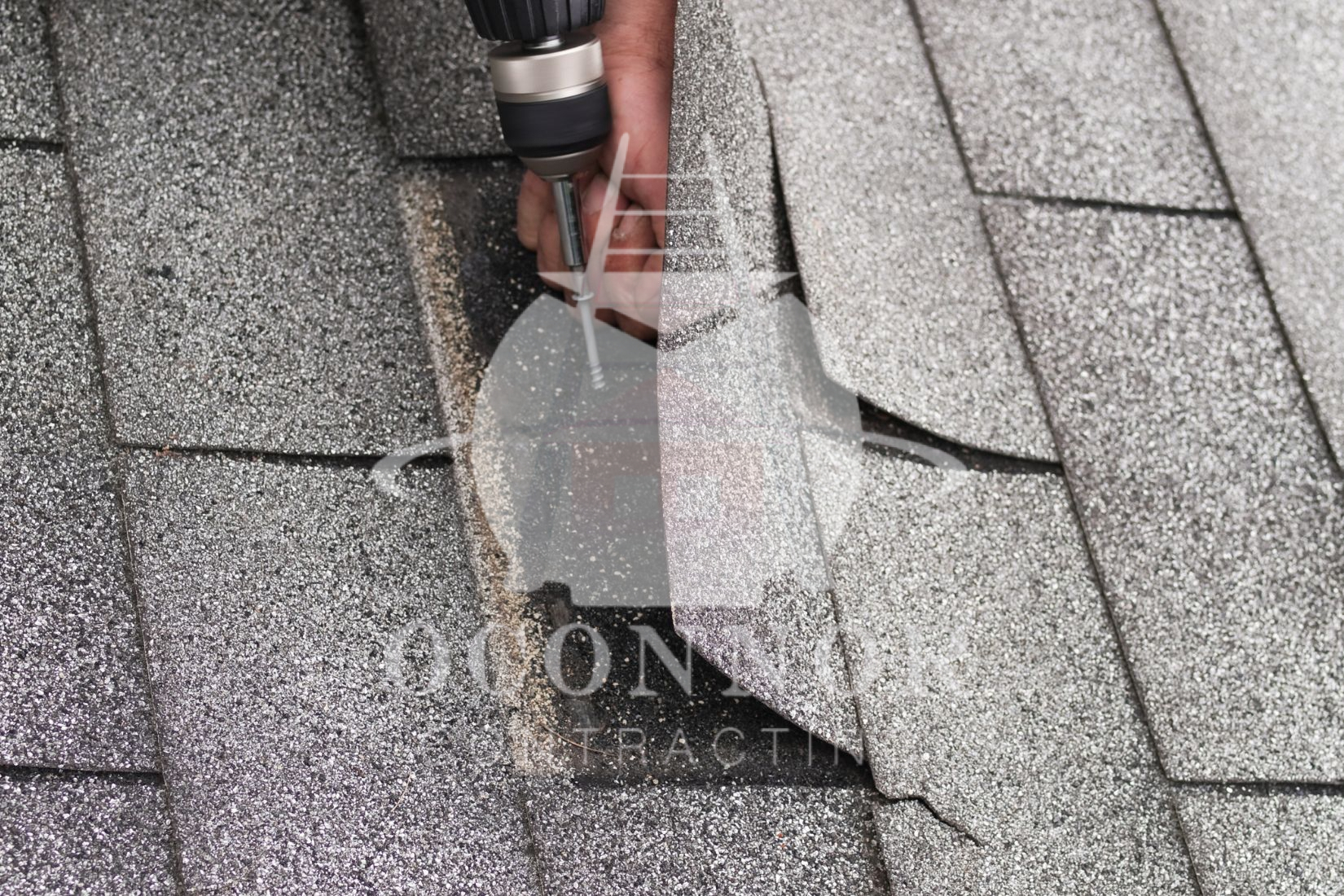
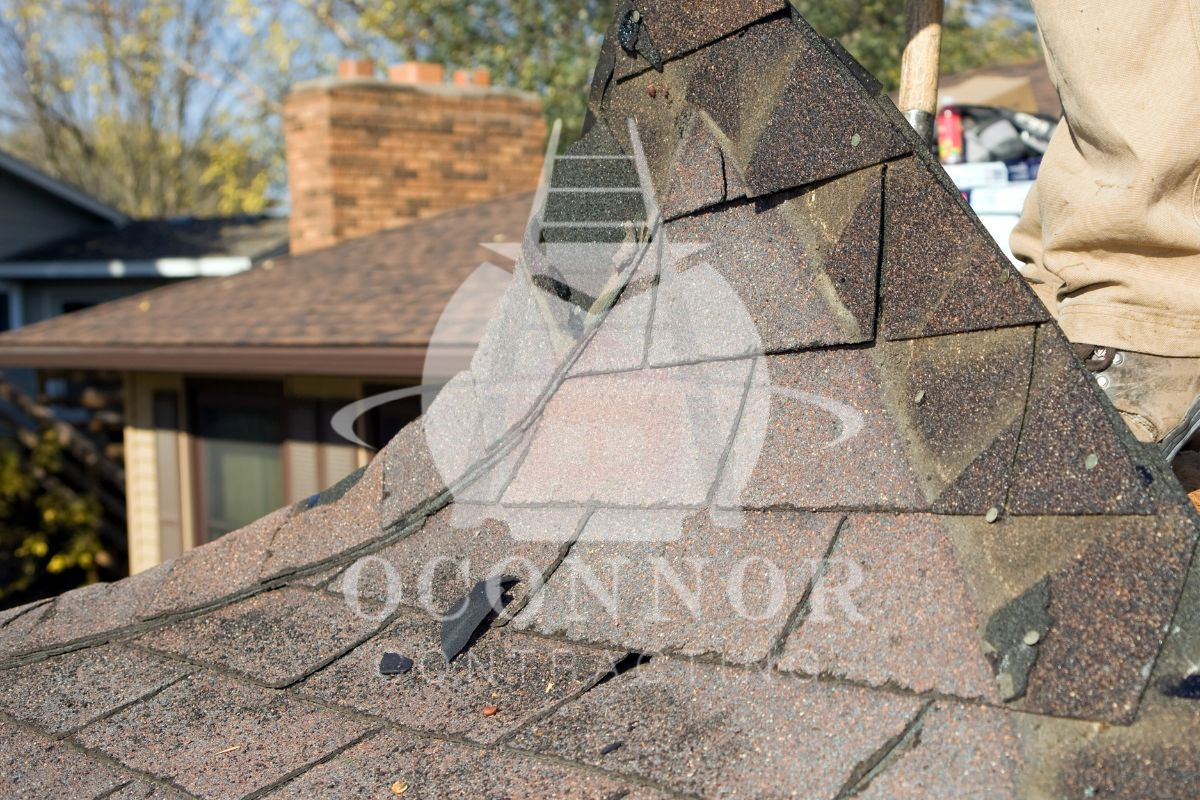
| Missing or lifted shingles | Wind-driven snow and ice pressure along eave edges | Exposed roof decking can absorb moisture quickly during spring rain and snowmelt |
| Flashing failure | Repeated temperature changes that expand and contract sealed joints | Gaps around chimneys and vents are among the most common leak points on older Holland homes |
| Ice dam damage | Heavy snow accumulation and heat escaping through the roof deck | Water backed up behind ice dams can work under shingles and into your home |
| Valley and seam leaks | Wear along roof valleys where water volume concentrates during rain and snowmelt | Valley leaks tend to spread before they are noticed, often staining ceilings or attic framing |
| Failed patch repairs | Previous patchwork on aging roofs that did not hold up over time | Older Holland homes often have layered repair history that creates new weak spots |
Most of these issues are repairable when caught early. A spring inspection after winter clears is one of the best ways to get ahead of damage before rain season arrives.
Finding a close shingle match matters more than most homeowners realize, especially on homes built in the 1960s and earlier, where color and texture can be hard to source. We work to match your existing shingles as closely as possible so the repaired area blends in and your home maintains its curb appeal.
Holland’s long winters mean eave edges take a beating from ice pressure and repeated temperature changes. Where repairs involve lower roof sections, we make sure ice barrier materials are properly in place to protect against water backing up under shingles during freeze and thaw cycles.
Re-roofing and certain repair projects in the Town of Holland may require a building permit, and overlooking that step can create problems down the road. We factor local permit requirements into every job, so your repair is done right and documented correctly from the start.
Chimneys, vents, and pipe boots develop small gaps over time as Erie County’s temperature changes expand and contract the metal and sealant around them. When repairs bring us to those areas, we reseal and secure the flashing to close off leak points that tend to quietly get worse through each winter.
Holland’s winters are patient. Repeated temperature changes, wet and heavy snow, and months of freezing conditions find the weak spots on a roof and slowly make them worse. For many homeowners, that means a small problem that was easy to ignore in November becomes a visible leak by April. Getting repairs handled before that cycle repeats protects your home, keeps unexpected costs from stacking up, and helps maintain the value of your property heading into every new season.
OConnor Contracting is ready to help Holland homeowners get their roofs back in solid shape. Whether you noticed something after a tough winter or spotted a stain on the ceiling during the last rainstorm, reaching out is a simple first step. Contact us to set up a roof inspection and find out exactly what your roof needs.
Got questions about your roof? We’ve got answers. From maintenance tips to insurance claims and repair timelines, our FAQ section covers the most common concerns homeowners have. Get informed and make confident decisions about protecting your home.
It depends on the scale of work. The Town of Holland lists re-roofing among projects that commonly require a permit, so even some repair jobs fall under local building oversight. Skipping that step can create problems if you sell your home or need to document the work later. OConnor Contracting reviews permit requirements before any job starts so nothing gets overlooked.
On homes built in the 1960s and earlier, layered patchwork is common, and older repairs often use materials that no longer match the surrounding shingles in flexibility or thickness. Those mismatched layers can trap moisture or create new edges where water finds a way in. During a roof inspection, we check for signs that previous repairs are failing or creating new weak spots rather than just looking at the obvious damage.
Holland’s long winter season puts repeated stress on the metal flashing and sealant around roof gaps. Each time temperatures rise and fall, those materials expand and contract slightly, and over several winters, small spaces open up that let water in during snowmelt and spring rain. The damage is gradual, which is why the leak often seems to appear out of nowhere by April, even though the gap has been forming for months.
Don’t wait – secure your home with Buffalo’s leading roofers today!

Affordable
Pricing

Locally Owned & Operated

Quality Roofing Since 2014

