
A leaking roof requires immediate attention, and roof sealant offers a potential solution that many homeowners consider when water starts dripping through their ceiling. Roof sealants can effectively stop leaks, but their success depends entirely on the type of damage, the location of the leak, and the severity of the problem. Small cracks, minor punctures, and surface-level damage typically respond well to quality roof sealants, making them a viable temporary roof leak repair option. However, extensive structural damage, widespread deterioration, or leaks caused by underlayment failure require professional intervention beyond what any sealant can provide.
Understanding roof sealant effectiveness starts with recognizing that these products work by creating a waterproof barrier over damaged areas. Different types of roof sealants exist for various roofing materials, from asphalt shingles to flat rubber membranes. When applied correctly to appropriate damage, sealants prevent water intrusion and extend the life of a roof.
When Roof Sealant Works Best for Leak Repairs
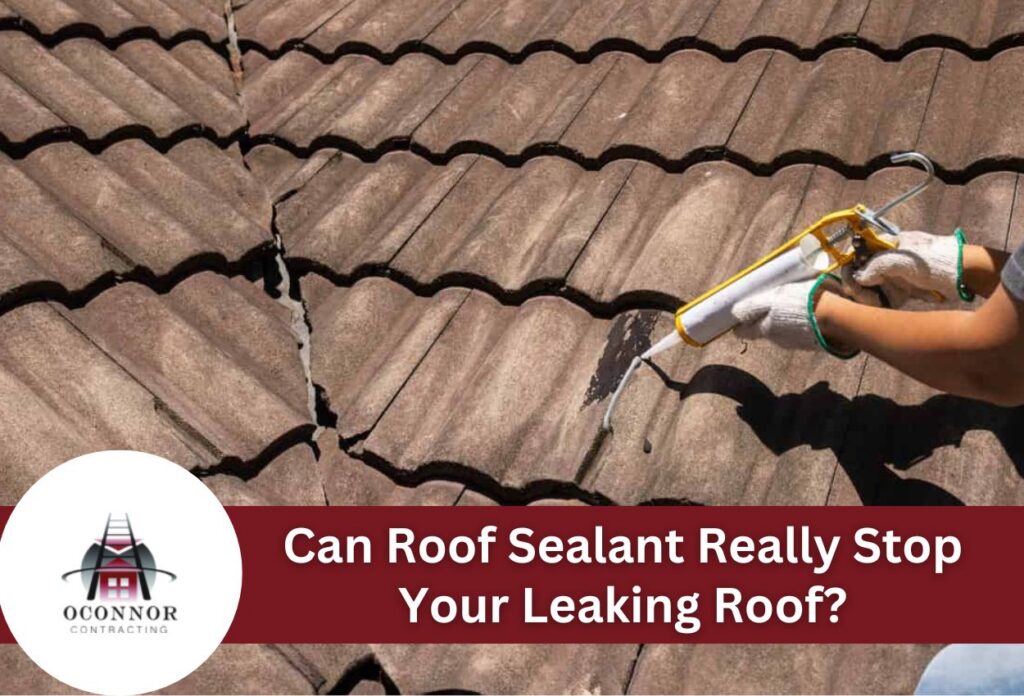
Roof sealant effectiveness peaks when addressing specific types of minor damage that haven’t compromised the structural integrity of the roofing system. Small cracks in flashing, hairline splits in shingles, and tiny punctures from falling branches respond exceptionally well to sealant application. These surface-level issues allow water to leak in slowly, making them ideal candidates for sealing products that create waterproof barriers. Roof sealant also works well around roof gaps like vent pipes, skylights, and chimneys, where gaps develop over time due to thermal expansion and contraction.
The decision between applying sealant and calling professionals depends on the extent of visible damage. A temporary roof leak repair with sealant makes sense for isolated problems measuring less than a few inches, particularly when weather conditions prevent immediate professional service. However, widespread cracking, curling shingles, sagging sections, or interior water stains signal deeper problems that require expert evaluation. Different types of roof sealants serve different purposes, but none can compensate for deteriorated roof decking or compromised ventilation systems that contribute to ongoing moisture problems.
Different Types of Roof Sealants and Their Applications
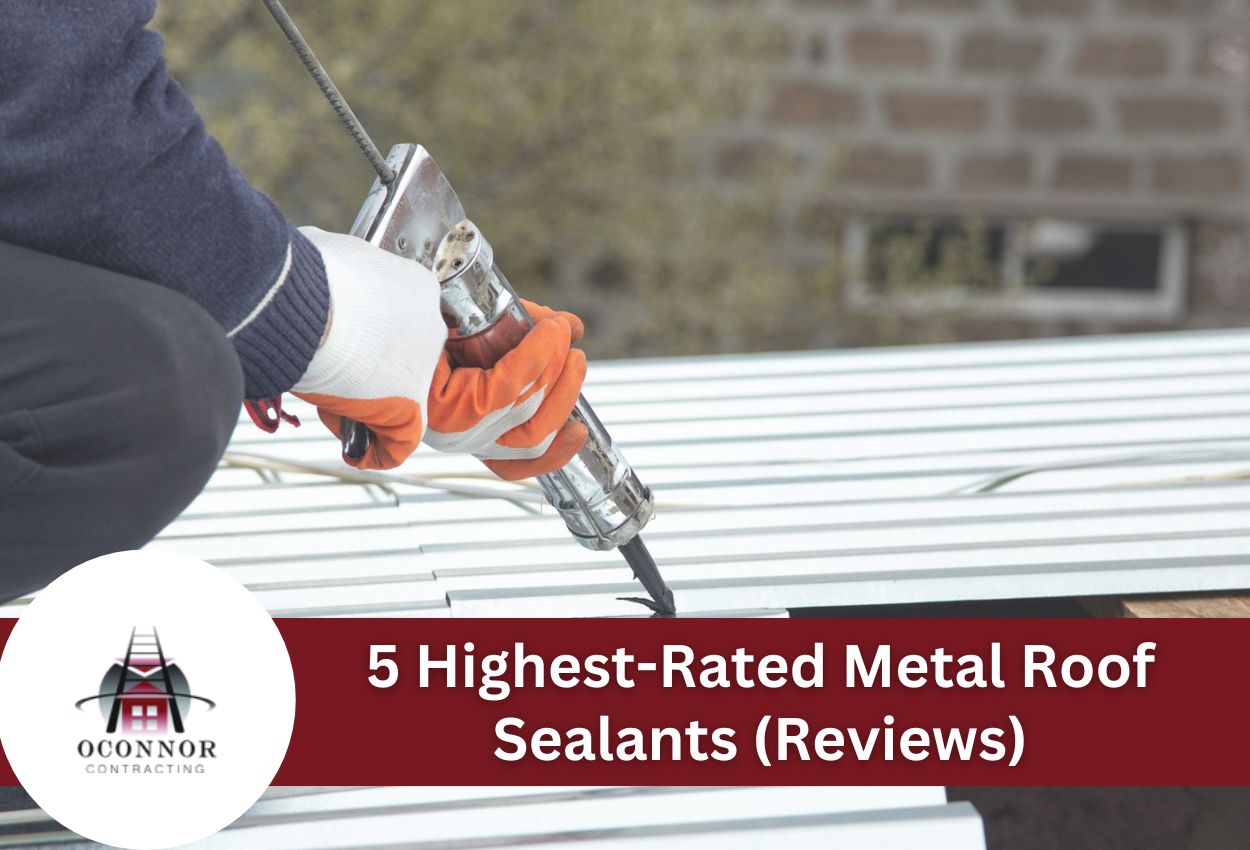
Silicone sealants stand out for their exceptional flexibility and UV resistance, making them ideal for metal roofing and areas experiencing extreme temperature fluctuations. These sealants maintain their waterproof seal through expansion and contraction cycles without cracking or losing adhesion. Acrylic sealants offer excellent paintability and work well on asphalt shingles, though they perform best in moderate climates where temperature extremes remain limited. Polyurethane sealants provide superior adhesion to most roofing materials and create incredibly durable bonds that withstand heavy foot traffic on flat roofing systems.
Rubberized sealants deliver outstanding elasticity and work particularly well for flat roofs, EPDM membranes, and areas requiring significant flexibility. Understanding how to apply roof sealant correctly matters just as much as selecting the right product, since proper surface preparation and application technique determine long-term performance. Metal roofing requires sealants that accommodate thermal movement without breaking the seal, while asphalt shingles need products that bond chemically with petroleum-based materials. Matching the appropriate types of roof sealants to specific roofing materials ensures maximum roof sealant effectiveness and extends the lifespan of temporary roof leak repair efforts until solutions can be implemented.
Preparing Your Roof for Sealant Application
Proper surface preparation directly determines roof sealant effectiveness and whether the product creates a lasting watertight bond. The damaged area must be completely clean, dry, and free from loose debris, moss, algae, and previous sealant residue. Power washing or scrubbing with a stiff brush removes surface contaminants, while a putty knife scrapes away deteriorated caulking or flaking material that prevents new sealant from adhering properly. Oil stains, dust accumulation, and oxidized surfaces create barriers between the sealant and roofing material, causing premature failure regardless of product quality.
Weather conditions play an important role in the successful application and curing of roof leak repair solutions. Most sealants require dry surfaces and temperatures between 40 and 90 degrees Fahrenheit for proper adhesion and curing. Applying sealant during rain, high humidity, or extreme temperatures compromises the chemical bonding process and leads to peeling or cracking within weeks. Wind speeds above 15 mph create safety hazards and make precise application nearly impossible. Understanding how to apply roof sealant means respecting both surface preparation requirements and environmental conditions that affect the curing process, ensuring the temporary roof leak repair performs as intended until permanent solutions can be scheduled.
The Process for Applying Roof Sealant
Applying roof sealant requires careful attention to coverage area and thickness to achieve maximum leak protection. Most manufacturers recommend applying sealant in layers no thicker than ⅛ -inch, as excessive thickness prevents proper curing and creates soft spots that fail under weather exposure. The sealant should extend at least 2 inches beyond the visible damage on all sides, ensuring complete coverage of micro-cracks that surround the primary leak source. A putty knife or caulking gun allows precise control over application, spreading the material evenly across the damaged area without gaps or air pockets that compromise the waterproof barrier.
Common mistakes during application significantly reduce roof sealant effectiveness and lead to continued leaking. Many homeowners apply sealant over wet surfaces or skip proper cleaning, causing the product to separate from the roofing material within days. Others spread the sealant too thin in an attempt to cover larger areas, creating weak spots that water leaks into during the first heavy rain. Ignoring manufacturer recommendations about curing time before exposure to moisture represents another frequent error, as uncured sealant washes away before forming a proper bond. Understanding how to apply roof sealant correctly means following product-specific instructions rather than assuming all types of roof sealants work identically.
Lifespan and Maintenance of Roof Sealant Repairs
Different types of roof sealants offer varying lifespans based on formulation and environmental conditions. Silicone sealants typically last between 10 and 20 years when properly applied, while acrylic products generally provide 5 to 10 years of protection. Polyurethane and rubberized sealants fall somewhere in the middle, delivering 7 to 15 years of effectiveness under normal conditions. Weather exposure significantly impacts durability, as constant UV radiation, freeze-thaw cycles, and thermal expansion gradually break down even the highest-quality products. Roofs experiencing heavy foot traffic or accumulating debris wear through sealant faster than surfaces that remain relatively undisturbed throughout the year.
Regular inspection every 6 months helps identify failing sealant before leaks redevelop and cause additional damage. Homeowners should look for cracking, peeling, or shrinkage around previously sealed areas, particularly after severe weather. Reapplication becomes necessary when visible gaps appear or when the sealant surface shows significant deterioration. Most roof sealant effectiveness diminishes after the halfway point of its expected lifespan, making proactive maintenance more cost-effective than waiting for complete failure. Professional roofing contractors can assess whether sealant repairs continue providing adequate protection or whether roof leak repair solutions have become necessary to maintain the building’s structural integrity.
When Sealant Cannot Fix Your Roof Leak
Certain roof conditions exceed what even the best sealants can address, requiring professional roofing intervention for lasting solutions. Structural damage, such as rotted roof decking, compromised rafters, or sagging roof sections, indicates problems that leak beyond the surface layer where sealants work. Widespread deterioration across multiple roof areas signals systemic failure rather than isolated damage, making temporary roof leak repair inadequate for preventing continued water intrusion. Multiple leak sources appearing simultaneously suggest underlying issues with the roofing system that sealant cannot correct, regardless of how thoroughly the product is applied.
Water stains spreading across ceilings, mold growth in attic spaces, and persistent musty odors indicate moisture problems that have progressed beyond what surface treatments can remedy. Shingles that have curled extensively, lost significant granulation, or become brittle with age lack the structural integrity needed for sealant to create effective bonds. Professional contractors identify the root causes of leaking and implement appropriate roof leak repair solutions that address structural issues, ventilation problems, and material failures beyond the scale of sealant applications.
Buffalo’s Best Roof Leak Solutions at OConnor Contracting
If you’re dealing with frustrating roof leaks, you might wonder if roof sealant is the right solution for you. At OConnor Contracting, we specialize in not only applying roof sealants but also in assessing whether sealant ihe best option for your specific situation. Roof sealants can provide a strong, temporary fix for minor leaks such as cracks and small punctures, and they are available in various types, including silicone, acrylic, polyurethane, and rubberized options to match your roofing material.
Don’t let a small leak turn into a major problem. Contact OConnor Contracting today at (716) 600-7663 to schedule a roof assessment and find the best roof leak repair solutions tailored for your home.