
Roof damage can happen suddenly, leaving homeowners scrambling to protect their property from leaks and expensive structural problems. Knowing when to tarp your roof can mean the difference between minor repairs and extensive damage that affects your entire home.
Emergency roof tarping is a first line of defense when your roof’s integrity has been compromised. Whether caused by severe storms, falling debris, or gradual wear that finally gives way, damaged roofing materials create vulnerable openings that allow moisture to penetrate your home’s structure.
The key to effective roof damage protection lies in recognizing the warning signs early and taking immediate action. Missing shingles, visible holes, and exposed decking all signal an urgent need for temporary roof coverage. Weather-related threats like ice dams and heavy snow loads can also create conditions where preventive tarping becomes necessary.
Acting quickly when these signs appear prevents minor issues from escalating into major structural damage. Leaks can destroy insulation, damage ceiling materials, and create conditions for mold growth within hours of exposure. Understanding when emergency roof tarping is needed helps homeowners make informed decisions that protect both their property and their investment in storm damage roof repair.
Storm Damage Assessment: Identifying Critical Situations
After severe weather, determining when an emergency roof tarp becomes necessary requires evaluating visible damage and potential leak risks. Hail damage often creates punctures or cracks in shingles that may not be immediately obvious from ground level, while high winds can lift or completely remove roofing materials, leaving exposed areas vulnerable to moisture.
Wind damage typically manifests as missing shingles, lifted flashing, or displaced ridge caps that compromise the roof’s protective barrier. Fallen debris from trees or other structures can create immediate openings that demand urgent temporary roof coverage to prevent interior damage. These compromised areas allow water to reach underlying materials, potentially causing structural deterioration within hours.
Safe post-storm inspection involves examining the roof from multiple vantage points while remaining on stable ground. Look for missing or damaged shingles, exposed underlayment, or any visible holes or tears in the roofing surface. Interior signs, like water stains on ceilings or walls, indicate an immediate need for roof damage protection measures.
Preventing roof leaks through prompt emergency tarping protects valuable belongings and prevents secondary damage to insulation, drywall, and flooring. When visible damage creates openings larger than minor wear, or when multiple areas show compromise, temporary coverage becomes essential until permanent storm damage roof repair can be completed by qualified professionals.
Types of Roof Damage That Require Immediate Tarping
Structural roof damage creates immediate vulnerabilities that demand emergency roof tarping to prevent catastrophic water damage. Punctures from falling branches, hail impacts, or debris create direct pathways for moisture to enter the home’s interior. These openings, regardless of size, compromise the roof’s protective barrier and require temporary roof coverage within hours to minimize damage.
Tears in roofing materials often occur along seams or weakened areas where wind forces exceed material strength. Missing roof sections, whether caused by severe storms or material failure, expose underlying decking and insulation to weather elements. These structural compromises need immediate roof damage protection to prevent water from reaching interior spaces and causing extensive secondary damage.
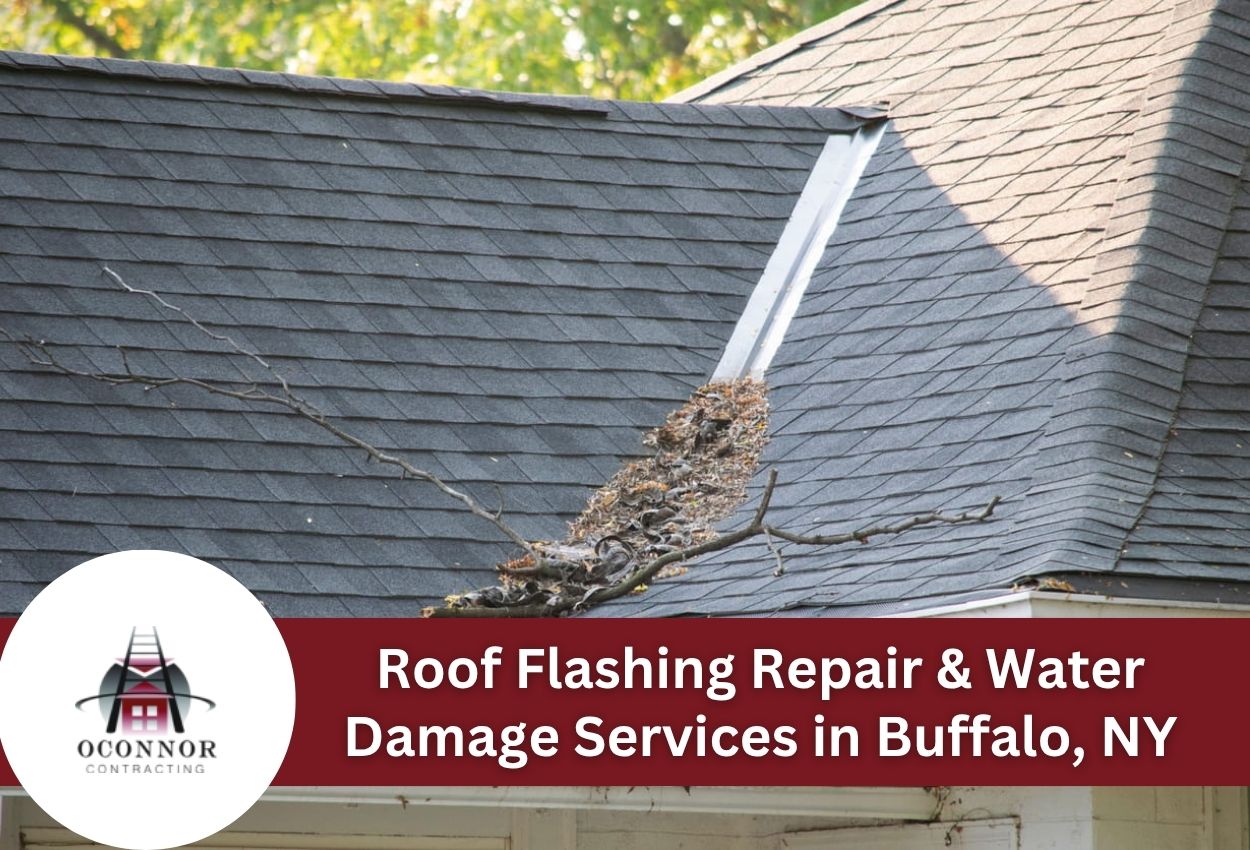
Leak-prone areas around chimneys, skylights, and vent penetrations frequently develop vulnerabilities where flashing has loosened or deteriorated. These locations concentrate water flow during storms, making strategic tarp placement critical for preventing roof leaks. Damaged flashing around these features creates hidden entry points that may not be immediately visible but allow significant water infiltration during precipitation events.
HVAC vents, plumbing stacks, and other roof gaps represent common failure points where emergency roof tarping provides essential protection. When seals around these features fail or become damaged, targeted temporary coverage prevents moisture from entering wall cavities and ceiling spaces until professional repairs restore permanent weatherproofing.
Timing Your Roof Tarping Decision: Weather Windows and Urgency
Recognizing the best weather conditions for safe tarp installation determines both the effectiveness of emergency roof tarping and worker safety during the process. Clear skies with minimal wind provide ideal conditions for secure tarp placement, allowing proper positioning and fastening without weather interference.
Critical situations require immediate action despite challenging weather. Active leaks during storms demand emergency roof tarping even when conditions are less than ideal, as continued leaks cause exponentially more damage than delayed installation. Rain-soaked materials compromise structural integrity and create hazardous installation conditions, but protecting the interior from further damage takes priority when roof damage protection cannot be postponed.
Buffalo’s climate presents unique seasonal considerations for temporary roof coverage decisions. Winter ice buildup creates additional weight on damaged roofing materials, while spring thaw cycles produce heavy volumes of water that overwhelm compromised areas. These seasonal patterns influence both the urgency of tarping decisions and the methods used to prevent roof leaks during different times of the year.
Planning around Buffalo’s weather patterns helps property owners anticipate when storm damage roof repair may face delays, making temporary roof coverage essential for extended periods. Understanding these timing factors ensures tarping decisions balance immediate protection needs with safe installation practices.
Emergency Tarping Materials and Safety Considerations
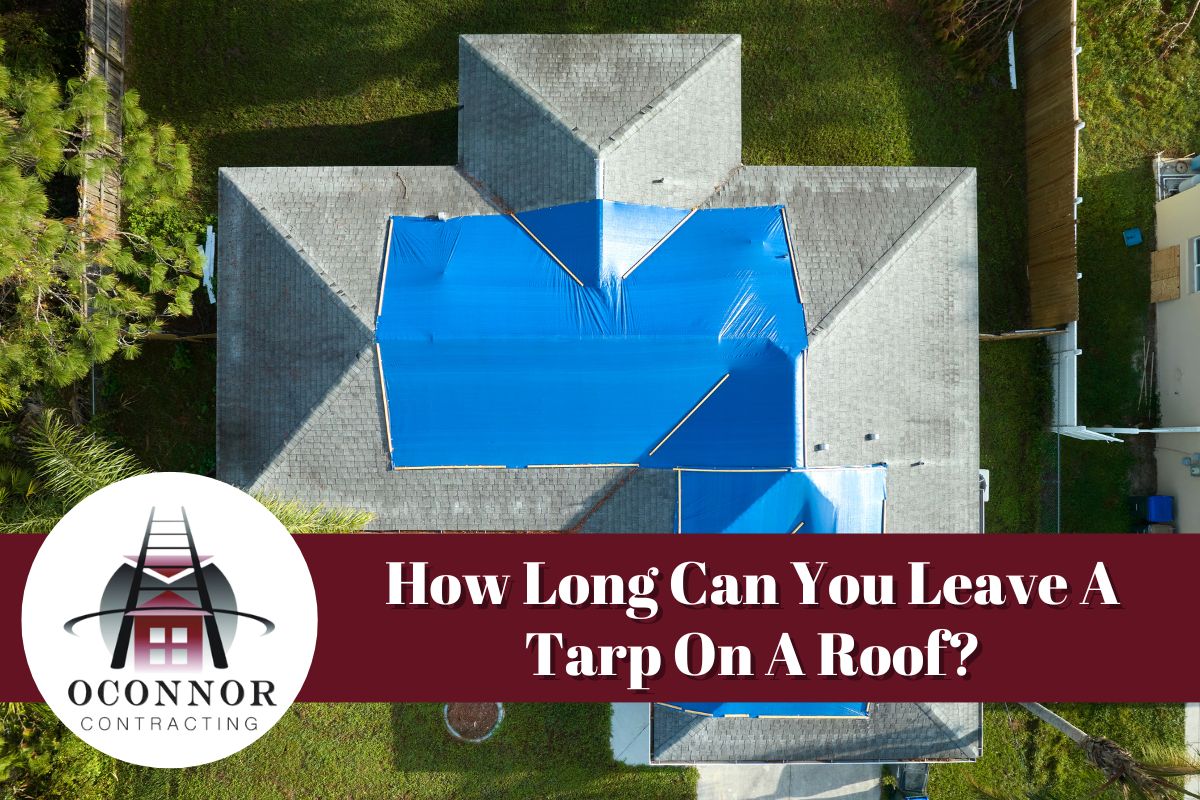
Selecting the right materials for emergency roof tarping directly impacts both the effectiveness of temporary protection and the safety of installation. Heavy-duty polyethylene tarps rated for outdoor use provide superior water resistance compared to lightweight alternatives that may tear under wind stress or UV exposure. Blue poly tarps offer adequate protection for short-term coverage, while reinforced vinyl or canvas materials deliver extended durability for situations requiring longer-term temporary roof coverage.
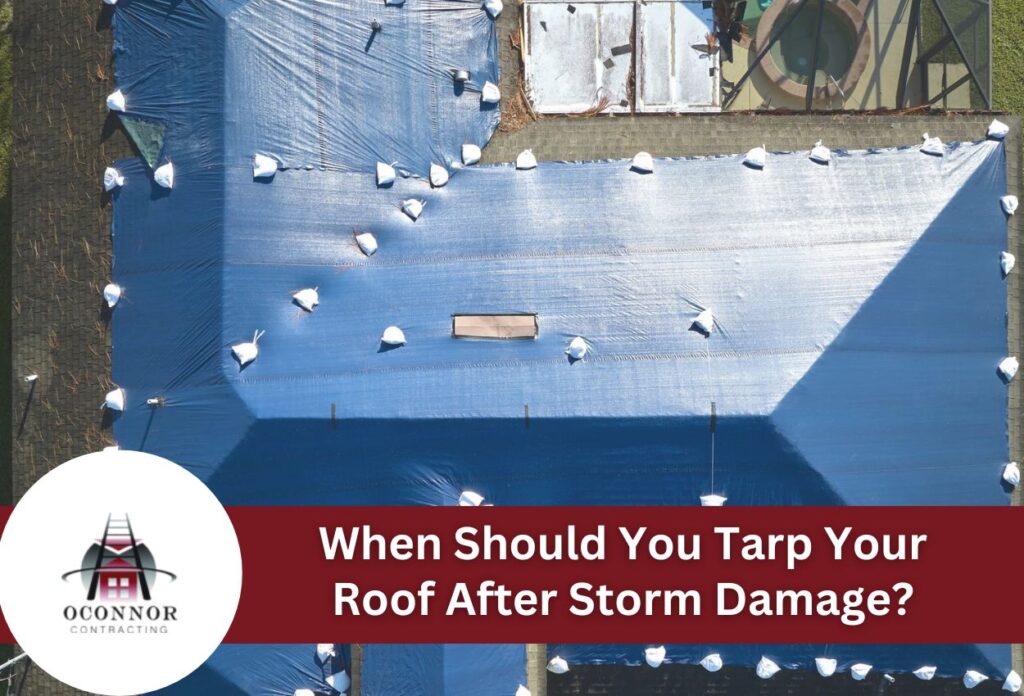
Tarp sizing requires careful measurement to ensure adequate overlap beyond damaged areas while avoiding excessive material that creates wind resistance. Standard residential applications typically need a tarp large enough to cover the damage and also extend 4 feet past the edge of the damage for waterproofing purposes, and larger compromised areas may need multiple overlapping tarps. When securing the tarp to your roof, some trusted methods include placing 2×4 lumber boards along the tarp’s edges, heavy-duty staples, or specialized roofing nails driven through reinforced grommets.
Safety protocols require an honest assessment of personal capabilities. Steep roof pitches, wet conditions, or extensive damage areas exceed safe DIY parameters and require professional intervention. Working alone on a damaged roof creates unnecessary risks that outweigh potential savings from self-installation attempts.
Professional roofers possess specialized equipment, safety training, and experience navigating compromised roof structures safely. Their expertise ensures proper tarp placement that provides effective prevention of roof leaks without causing additional structural damage through improper fastening or inadequate coverage patterns.
Preventing Further Damage: Proper Tarping Techniques
Effective emergency roof tarping requires strategic positioning that creates secure water barriers while maintaining the structural integrity of the already compromised roofing materials. The tarp must be positioned to direct water flow toward existing drainage systems rather than creating pooling areas that add weight to weakened structures.
Securing temporary roof coverage demands careful attention to fastening methods that provide stability without creating additional punctures in vulnerable materials. Using wooden strips or furring boards distributes fastening pressure across larger surface areas, preventing tear-out under high wind. Fasteners should go into solid structural members rather than damaged decking that may not provide adequate holding power for damage protection.
Ventilation considerations prevent moisture buildup beneath tarped areas that can lead to mold growth and material deterioration. Creating small gaps along the lower edges allows air circulation while maintaining weather protection. This technique prevents condensation accumulation that often occurs with completely sealed temporary roof coverage installations.
Professional installation techniques ensure tarps remain secure during extended weather exposure while minimizing additional damage to compromised roofing systems. Proper anchoring methods account for wind uplift and thermal expansion that can loosen inadequately secured materials. These proven approaches for preventing roof leaks maintain protection integrity until permanent storm damage roof repair can restore complete weather resistance.
When to Call Professionals: The Limitations of Temporary Solutions
Complex structural damage exceeds the size of basic emergency roof tarping and requires immediate professional assessment. When roof damage involves sagging or compromised structural members, punctures larger than a few square feet, or damage affecting multiple roof planes, professional evaluation becomes essential. These situations demand specialized equipment and expertise that temporary tarping cannot adequately address.
Structural engineers and certified roofing contractors possess the training to identify hidden damage that may compromise building integrity. Damage extending beyond surface materials into decking, trusses, or load-bearing elements requires professional intervention to prevent catastrophic failure. When multiple layers of roofing materials are affected or when damage compromises the roof’s structural framework, emergency roof tarping provides only minimal protection while professional repairs are planned.
Understanding the temporary nature of tarps helps property owners develop realistic timelines for permanent repairs. Most tarping materials deteriorate under constant weather exposure, typically requiring replacement or adjustment within 30 to 90 days, depending on conditions. Planning for permanent storm damage roof repair while maintaining adequate protection requires balancing temporary measures with long-term restoration goals.
Professional roofers can assess whether the current temporary roof coverage will remain effective during the repair scheduling process. They provide guidance on when tarping limitations necessitate upgraded temporary solutions or expedited permanent repairs to maintain effective roof damage protection until complete restoration is achieved.
Emergency Roof Tarping Services in Buffalo
If you’re noticing signs of roof damage after a recent storm, or if your roof is showing signs of wear that might not withstand the next storm, it’s important to act quickly to protect your home. Missing shingles, noticeable holes, or other visible damage can lead to significant leaks and structural harm if it’s not addressed immediately. At OConnor Contracting, we specialize in emergency roof tarping to provide temporary but essential protection against further damage.
Don’t wait for the situation to worsen. Protect your home now by calling us at (716) 600-7663. Our expert team is ready to assess your roof’s condition and provide the necessary tarping solutions to keep your home safe and dry. Timing is important, and immediate action can save you from expensive repairs in the future. Call OConnor Contracting today!