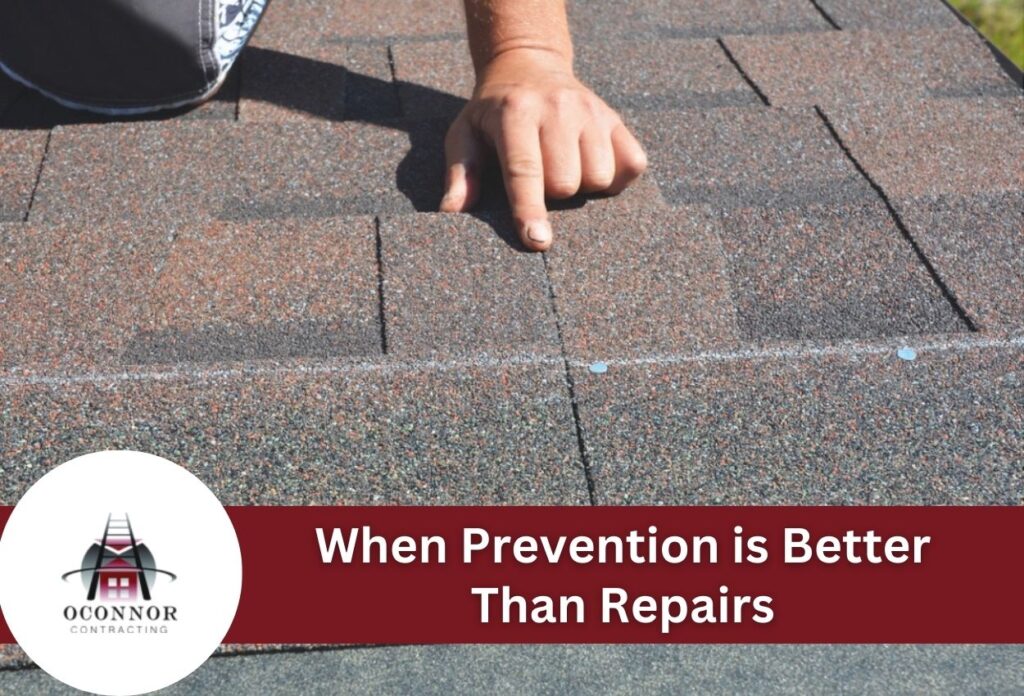

Replacing a roof before it starts leaking represents one of the smartest decisions a homeowner can make. While many property owners wait for obvious signs of failure like water damage or missing shingles, proactive roof replacement offers significant advantages over reactive repairs.
A roof that appears functional from the ground may harbor hidden problems that compromise its integrity. Age-related deterioration, weather damage, and normal wear can weaken roofing materials long before visible leaks develop. Understanding when to replace an old roof based on these factors prevents expensive emergency repairs and protects the entire home structure.
The preventive roof replacement approach allows homeowners to plan the project during favorable weather conditions and secure better contractor availability. This strategic timing typically results in higher quality workmanship and more competitive pricing compared to emergency roof replacement scenarios. Property owners who recognize the signs you need a new roof early can avoid the disruption and expense of water damage, structural repairs, and emergency contractor fees that accompany reactive roof replacement decisions.
Telltale Warning Signs Your Roof Needs Attention Beyond Obvious Leaks
Recognizing when to replace an old roof requires careful observation of both exterior and interior warning signs. From ground level, homeowners should watch for missing or curled shingles, excessive granule loss in gutters, and sagging roof sections that indicate structural problems. Damaged flashing around chimneys, vents, and roof gaps often signals deteriorating seals that compromise the roof’s protective barrier.
Interior inspections reveal equally important signs you need a new roof. Water stains on ceilings or walls are signs of leaks, even without water actively pouring in. Mold growth in attics indicates persistent humidity problems caused by compromised roofing materials. Rising energy bills may reflect poor insulation performance due to roof deterioration, allowing air to leak in.
Perhaps most telling, visible daylight through the roof boards from the attic clearly demonstrates structural failure requiring immediate attention. These subtle indicators often appear years before major leaks develop, making preventive roof replacement a wise investment. Property owners who monitor these warning signs can address roofing problems during the the best roof replacement timeline rather than facing emergencies during severe weather conditions.
How Roof Age and Material Type Determine Your Replacement Timeline
Different roofing materials have distinct lifespans that help determine when to replace an old roof. Asphalt shingles typically last 15 to 25 years, while metal roofing can endure 40 to 70 years, depending on the material quality. Clay and concrete tiles often reach 50 to 100 years with proper maintenance, and slate roofs may last over a century when professionally installed.
Buffalo’s harsh climate accelerates normal aging processes for all roofing materials. Frequent freeze-thaw cycles, heavy snow loads, and ice dam formation stress roofing systems beyond typical wear patterns. These conditions can reduce expected lifespans by 15% to 20% compared to milder climates.
Understanding roof age and replacement timing prevents structural damage that occurs when aging materials fail. Old roofing systems lose their ability to shed water effectively, allowing moisture to get into the underlayment and decking. This gradual deterioration compromises insulation performance and can lead to frame rot or mold growth in wall cavities. Preventive roof replacement before complete failure protects these critical building components and maintains the home’s structural integrity throughout changing seasons.
Hidden Damage That Develops Long Before Water Drips Inside
Roof damage often begins years before any water appears inside the home. Ice dams create persistent moisture that seeps beneath shingles, gradually weakening the underlying structure. Wind damage loosens fasteners and lifts shingles slightly, creating entry points for moisture that may not immediately cause visible leaks. Temperature fluctuations cause roofing materials to expand and contract repeatedly, eventually creating micro-cracks and separation points.
The progression from initial damage to structural failure follows a predictable pattern. Minor compromises in the roof’s protective barrier allow small amounts of moisture to go through the decking and underlayment. This hidden moisture promotes rot in wooden components and degrades insulation performance. Over time, these weakened areas expand and multiply, creating larger failure points that eventually allow significant water intrusion.
Addressing these invisible problems early through preventive roof replacement prevents exponentially more expensive repairs. Once structural damage occurs, homeowners face costs for new decking, insulation replacement, and potential interior restoration work. The roof replacement timeline becomes critical when these hidden issues are present, as waiting for obvious signs of failure often means accepting much larger repair bills and extensive property damage.
Strategic Timing for the Best Roof Replacement Results
Timing roof replacement strategically maximizes both cost savings and project quality. Spring and early summer offer ideal conditions for roof replacement projects, providing dry weather and moderate temperatures that enable quality installation work. Fall represents another excellent window, allowing completion before harsh winter weather while avoiding peak summer heat that can stress both workers and materials.
Buffalo’s climate patterns create distinct advantages during certain months. Late spring through early fall provides the most reliable weather conditions for roof replacement timeline planning. Winter installations become challenging due to snow, ice, and extreme cold that can compromise material performance and worker safety. Summer’s intense heat can make shingles more difficult to handle and may affect adhesive properties during installation.
Contractor availability fluctuates significantly throughout the year, affecting both scheduling and pricing. Storm seasons create high demand for emergency repairs, making planned replacements more difficult to schedule. Homeowners who plan preventive roof replacement during slower periods often secure better contractor availability, more competitive pricing, and superior attention to detail. This strategic approach ensures quality workmanship while avoiding the rushed conditions that accompany emergency roof replacement projects during peak working periods for contractors.
Professional Assessment: What Roofing Experts Look for During Inspections
Professional roofing inspections involve comprehensive evaluations that extend far beyond what homeowners can observe from ground level. Certified contractors examine structural components, material degradation patterns, and ventilation systems to determine whether preventive roof replacement makes financial sense. These thorough assessments identify problems years before they become visible, helping property owners understand when to replace an old roof based on actual condition rather than guesswork.
During inspections, roofing professionals analyze decking integrity, flashing conditions, and underlayment performance using specialized tools and techniques. They measure granule loss on shingles, check for proper ventilation airflow, and assess the roof’s ability to handle local weather conditions. This detailed evaluation process reveals the true roof age and replacement needs by examining factors invisible to untrained observers.
Understanding professional recommendations requires distinguishing between minor maintenance, major repairs, and full replacement scenarios. Minor issues like loose shingles or damaged flashing can extend roof life temporarily, while structural problems or widespread material failure typically warrant complete replacement. Roofing experts help homeowners navigate the roof replacement timeline by providing objective assessments that balance immediate safety concerns with long-term value considerations for informed decision-making.
Making the Investment Decision: Weighing Replacement Against Continued Repairs
The financial calculation between ongoing repairs and roof replacement requires careful analysis of both immediate costs and long-term value. Frequent repair expenses often accumulate quickly, sometimes reaching 50% to 70% of replacement costs over just a few years. When repair frequency increases or individual repair jobs become extensive, preventive roof replacement typically provides better financial returns than continued maintenance of failing systems.
Property value considerations significantly impact the replacement decision. A new roof increases home value while reducing insurance premiums and improving energy efficiency. Buyers often view homes with older roofing systems as higher-risk investments, potentially affecting sale prices and marketability. These factors make roof replacement timeline decisions crucial for maintaining property values and avoiding emergencies that compromise both safety and investment returns.
Risk assessment plays an equally important role in the decision-making process. Emergency roof replacement during severe weather costs significantly more than planned installations during favorable conditions. Weather-related damage can escalate rapidly once roofing materials begin failing, potentially causing interior damage that exceeds the original roof replacement investment. New roof warranties provide peace of mind and financial protection that aging systems cannot offer, making proactive replacement a sound risk management strategy for property owners who recognize the signs they need a new roof.
Why Early Roof Replacement is a Wise Choice for Buffalo Homeowners
If you’re contemplating whether to replace your roof before it starts leaking, consider the hidden damage that may already be compromising your roof’s integrity. In Buffalo, where weather conditions can be harsh, preventive roof replacement isn’t just a safety measure, it’s an investment in your home’s future. Waiting until leaks appear often leads to more complex, expensive repairs that could have been avoided. OConnor Contracting specializes in evaluating and replacing aging roofs that might not yet show external signs of failure but are on the brink of needing substantial repairs.
Don’t wait for the inevitable leak to tell you it’s time for a roof replacement. Call OConnor Contracting today at (716) 600-7663 to schedule a professional roof inspection and ensure your home is protected year-round. Act now and safeguard your home against the unpredictable Buffalo climate, ensuring peace of mind and preventing future financial burdens.
Frequently Asked Questions
Got questions about your roof? We’ve got answers. From maintenance tips to insurance claims and repair timelines, our FAQ section covers the most common concerns homeowners have. Get informed and make confident decisions about protecting your home.
People Also Ask
How do local building codes and permit requirements affect the timing and cost of a roof replacement?
Local regulations can mandate specific inspections, material standards, and installation procedures, which may influence both scheduling and overall project expenses. Compliance with permitting requirements ensures legal adherence, prevents potential fines, and may require additional steps such as structural reinforcement or engineered plans, extending the timeline and affecting budgeting decisions.
What impact do roof slope and geometry have on installation complexity and long-term performance?
Roofs with steep pitches, multiple intersecting planes, or dormers present increased installation challenges, requiring specialized safety measures, scaffolding, and precise flashing integration. These complexities can affect labor duration, material usage, and the likelihood of water intrusion if not properly managed, directly influencing maintenance needs and long-term system performance.
How can regional climate patterns influence material selection and protective measures during roof replacement?
Local weather conditions, including wind speeds, precipitation frequency, and temperature extremes, determine the best materials and installation strategies. High-wind areas may require mechanically fastened panels, while regions prone to heavy snow accumulation need reinforced decking and proper drainage. Tailoring the roofing system to these environmental factors enhances durability and reduces future structural stress.
Related Articles
-
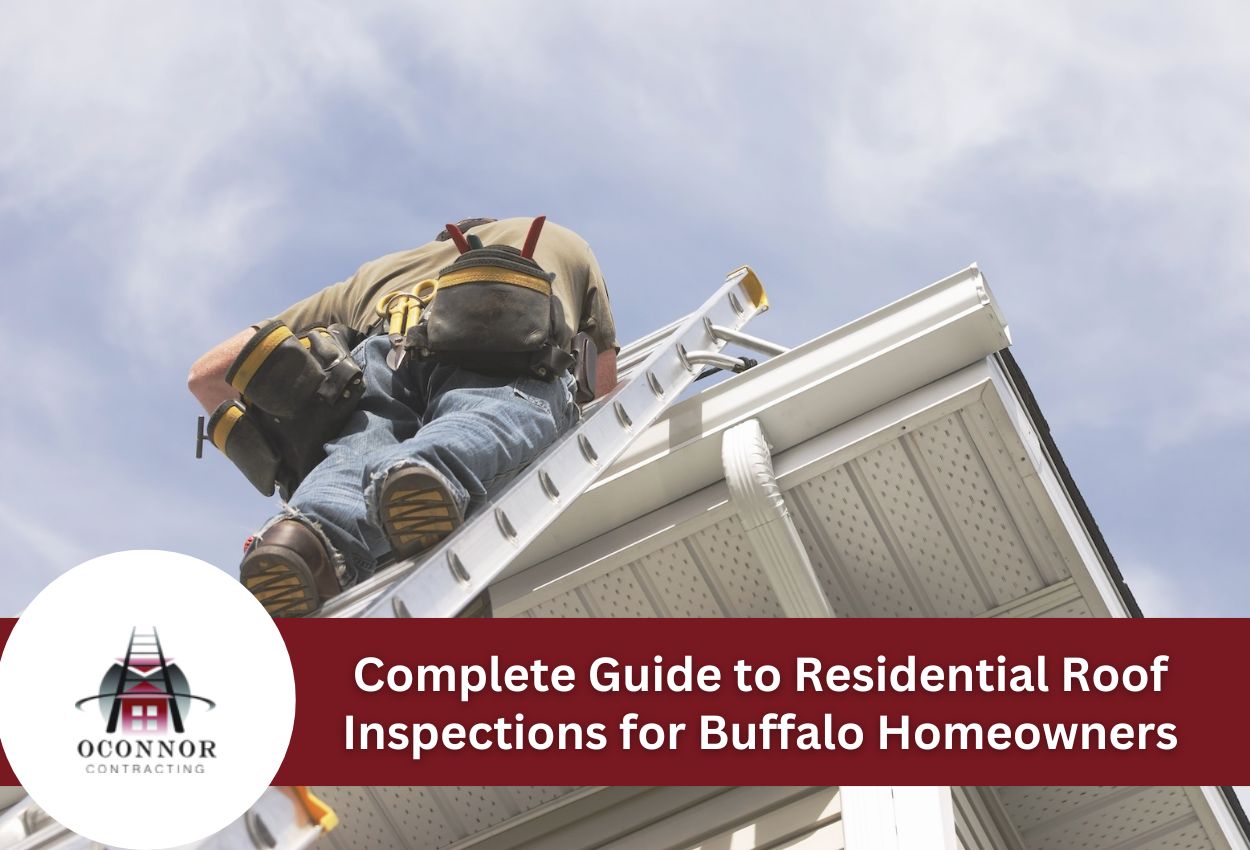 July 6, 2026Residential Roof Inspection in Buffalo, NY: What Homeowners Need to KnowIs your roof ready for Buffalo's harsh winters? Learn what a residential roof inspection covers, when to schedule one.
 -
 October 27, 2025A Guide to Flat Roof Ice Dam Removal and PreventionFacing ice buildup on your roof? Learn safe removal, prevention, and repair tips to avoid costly water damage.
 -
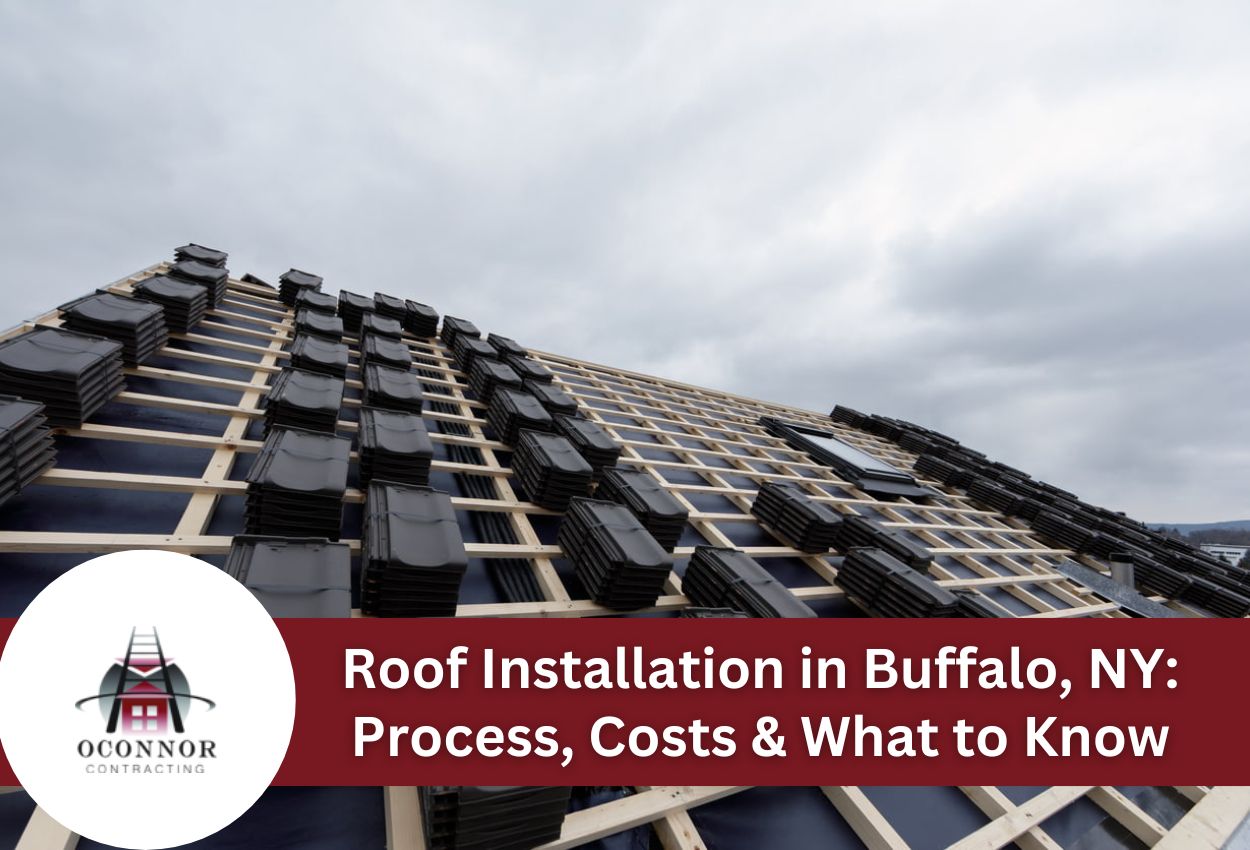 August 11, 2026Roof Installation in Buffalo, NY: Costs, Materials, Timing & What to ExpectPlanning a roof replacement in Buffalo? Explore the process, local costs, material options, and contractor tips, then get your free estimate today.
Protect Your Home with Expert Roofing
Don’t wait for leaks or storm damage to cause costly repairs. Our experienced roofing team provides fast, reliable service, high-quality materials, and lasting results. Ensure your home stays safe, secure, and looking great—contact us today for a free estimate.