Open vs. Closed Roof Valleys: Pros and Cons for Your Buffalo Home


Roof valleys are channels where two roof slopes meet, directing rainwater and melting snow away from your home. In Buffalo’s harsh climate, with heavy snowfall and seasonal temperature swings, choosing a roof valley system isn’t just about curb appeal — it’s about protecting your home from potential water damage and extending your roof’s lifespan. Understanding the differences between open and closed roof valleys can save Buffalo homeowners significant headaches and repair costs down the road.
Open roof valleys feature visible metal flashing that creates a clear pathway for water to flow down and away from your roof. Closed valleys, on the other hand, have shingles that extend across the valley from both roof planes, creating a seamless appearance. Each design offers advantages in terms of water management, durability, and visual appeal that must be carefully considered before making your selection.
The choice between these two valley systems depends on several factors specific to your home, including your roof pitch, local weather patterns, and aesthetic preferences. Buffalo homes face unique challenges with lake-effect snow and rapid thaws that put particular stress on roofing systems. Before deciding which valley type is right for your roofing project, it’s essential to understand how each option performs under these demanding conditions.
What Exactly Are Open Roof Valleys?
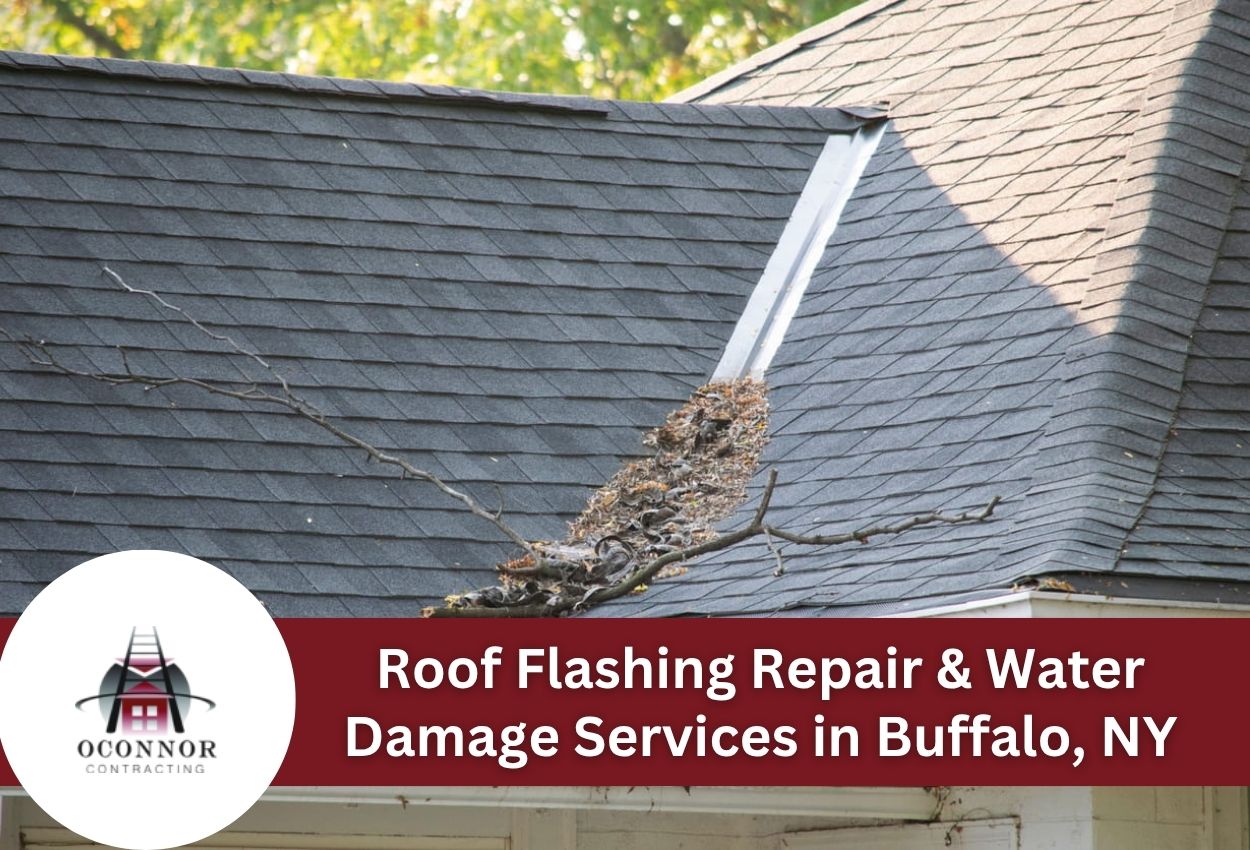
Open roof valleys are a traditional and highly visible approach to roof drainage management. In this construction method, metal flashing, typically copper, aluminum, or galvanized steel, is installed along the entire length of the valley, creating a clear, open channel where two roof planes meet. This exposed metal creates a defined pathway that quickly directs water down and away from your roof’s surface.
The installation process involves laying an underlayment beneath the metal flashing for additional waterproofing, then trimming the shingles back about 6 inches from the valley center on both sides. This setup leaves the metal flashing clearly visible, making open valleys instantly recognizable on Buffalo homes.
Beyond their practical water-shedding capabilities, open valleys can significantly impact your home’s exterior appearance. The metallic strip running down your roof creates a distinctive architectural accent that many homeowners appreciate. In Buffalo neighborhoods with traditional architecture, copper open valleys develop an attractive patina over time that can enhance your home’s character and curb appeal.
Open valleys are particularly beneficial in our snow-heavy Buffalo climate, as their design prevents ice and debris from getting trapped in the valley. The smooth metal surface allows melting snow to flow freely, reducing the risk of ice dams that commonly plague Western New York roofs during our freeze-thaw cycles.
The Complete Guide to Closed Roof Valleys
Closed roof valleys create a streamlined, uniform appearance across your roof by extending shingles across the valley area rather than leaving exposed metal flashing. For Buffalo homeowners seeking a more cohesive look, closed valleys offer an aesthetically pleasing alternative that still provides effective water management when properly installed.
There are two primary methods used to create closed valleys: woven and closed-cut techniques. The woven method involves interlacing shingles from both roof planes, alternating as they cross the valley center. This creates a braided pattern that completely covers the valley while still allowing water to flow underneath. Closed-cut valleys, meanwhile, involve layering shingles from one roof plane completely across the valley, then overlapping them with trimmed shingles from the adjacent roof section.
Both techniques require careful installation of an underlayment and ice and water shield beneath the shingles to ensure waterproofing. While the drainage channels aren’t visible in closed valleys, they still effectively channel water runoff when properly constructed. For Buffalo homes in sheltered locations with moderate roof pitches, closed valleys can perform admirably while maintaining a clean, uninterrupted roofline.
Closed valleys are particularly popular in newer Buffalo subdivisions where architectural uniformity is desired. However, they require more maintenance in our snow-prone region, as the textured surface can occasionally trap debris and ice during harsh winter conditions. Professional inspection before winter is recommended to ensure proper water flow.
Performance in Buffalo’s Extreme Weather: Which Valley Wins?
Buffalo’s notorious lake-effect snow, ice storms, and rapid spring thaws create unique challenges for roof valleys. When it comes to handling these extreme conditions, open and closed valleys perform quite differently. Open valleys with metal flashing excel during heavy snowfall because the smooth metal surface allows snow and ice to slide off more easily. The exposed channel prevents ice dams from forming by providing a clear path for melting snow, reducing the risk of water backup under shingles.
Closed valleys, while aesthetically pleasing, can be problematic during Buffalo’s harshest winter conditions. Snow tends to collect in the textured shingle surface, potentially creating ice dams when temperatures fluctuate. During the freeze-thaw cycles common in Western New York, trapped moisture in closed valleys can gradually work its way under shingles, leading to leaks and premature deterioration.
Generally, open valleys outlast closed valleys in snow-heavy regions by years. The metal flashing in open valleys withstands Buffalo’s temperature extremes better than woven or closed-cut valleys, which can develop stress cracks after repeated expansion and contraction. For homes directly in the lake-effect snow belt, the superior water-shedding capability of open valleys offers significant protection during those infamous Buffalo blizzards when proper drainage becomes critical to preventing structural damage.
Comparing Maintenance Requirements and Expected Lifespans
Both open and closed valley systems require different maintenance approaches to ensure optimal performance throughout Buffalo’s challenging seasons. Open valleys tend to collect less debris due to their smooth metal surface and steeper drainage angle. Leaves, pine needles, and other materials typically slide down rather than accumulate, making seasonal cleaning relatively straightforward. A simple inspection twice yearly, in late fall after leaves drop and early spring after winter, is usually sufficient for open valley maintenance.
Closed valleys, particularly woven designs, are more prone to trapping debris between shingle layers. This can impede water flow and lead to premature deterioration. Buffalo homeowners with closed valleys should perform inspections three to four times annually and be prepared for more hands-on cleaning to remove trapped materials that won’t wash away naturally with rainfall. A soft brush or leaf blower can help clear debris without damaging shingles.
Regarding longevity, properly installed open valleys typically outlast closed systems in Buffalo’s climate. The metal flashing creates a more durable water barrier that stands up to freeze-thaw cycles, while closed valleys may develop stress points where water can eventually penetrate. Installation quality impacts these timelines — expertly installed closed valleys with premium underlayment and ice and water shield can approach the longevity of open systems, while poorly executed open valleys may fail prematurely. Regular professional inspections of either system help identify issues before they require expensive repairs.
Installation Considerations: Complexity, Time, and Expertise
The installation process for different valley types varies significantly in complexity, time requirements, and the level of expertise needed. Open valleys typically require more precise metalwork but fewer shingle cuts. A skilled Buffalo roofing contractor can install open valleys more quickly than closed systems, usually completing the process in a few hours per valley. The metal flashing must be properly sized, shaped, and secured to ensure water flows correctly without leaking at the edges.
Closed valleys, particularly woven types, require more attention to detail and significantly more labor. The interweaving process can add hours per valley as each shingle must be carefully positioned to maintain the right overlap while ensuring water can still flow underneath. Closed-cut valleys fall somewhere in between, requiring precise cutting but less manipulation of individual shingles.
Roof pitch also influences which valley type will perform best. Steeper Buffalo roofs (8/12 pitch or greater) benefit from open valleys as they facilitate faster water runoff, while more gradual pitches may accommodate closed valleys without significant performance issues. The surrounding landscape also matters — homes with overhanging trees should consider open valleys to minimize debris accumulation.
Existing roof architecture must also be considered. Historic Buffalo homes with complex roof designs featuring multiple intersections may benefit from open valleys, which provide clearer drainage paths at complicated junctions. Professional installation is critical regardless of which valley type you choose, as improper techniques can lead to premature failure even with the most suitable materials.
Making Your Final Decision: Beyond the Pros and Cons
When weighing open vs. closed valleys for your Buffalo home, balancing aesthetic preferences with performance needs is essential. Consider your roof’s pitch and exposure — steeper roofs and those facing prevailing winds often perform better with open valleys that efficiently channel Buffalo’s heavy precipitation. However, if your home is in a more sheltered location with moderate snowfall, a closed valley might satisfy your desire for a seamless roofline without compromising functionality.
Your home’s architectural style should influence your decision as well. Traditional homes often look more authentic with open valleys, while contemporary designs may benefit from the clean lines of closed valleys. Remember that in Buffalo’s climate, functionality should typically take precedence over appearance, especially if your property experiences significant snow accumulation or is situated in a heavy lake-effect snow zone.
For most Buffalo homeowners, the complexity of this decision warrants a professional consultation. An experienced local roofing contractor can evaluate crucial factors specific to your property, including roof orientation, surrounding tree coverage, and historical drainage patterns. They can also assess your existing roof structure and recommend the valley type that will provide optimal protection while complementing your home’s appearance. This personalized assessment ensures your investment not only looks attractive but also stands up to Western New York’s demanding weather conditions for years to come.
Choose the Best Roof Valley for Your Buffalo Home with OConnor Contracting
Each type of roof valley has its benefits, but the type you choose can affect your home’s water drainage efficiency and resistance to weather-related wear. Don’t let the harsh Buffalo winters compromise your roof’s integrity. Whether you prefer the distinct appearance of open valleys with their durable metal flashing or the seamless, uniform look of closed valleys, OConnor Contracting has the expertise to guide you through your options.
Call us today at (716) 600-7663 to discuss the best roof valley solution for your home.