A Guide to Replacing Your Slate Roof with a Metal Roofing System
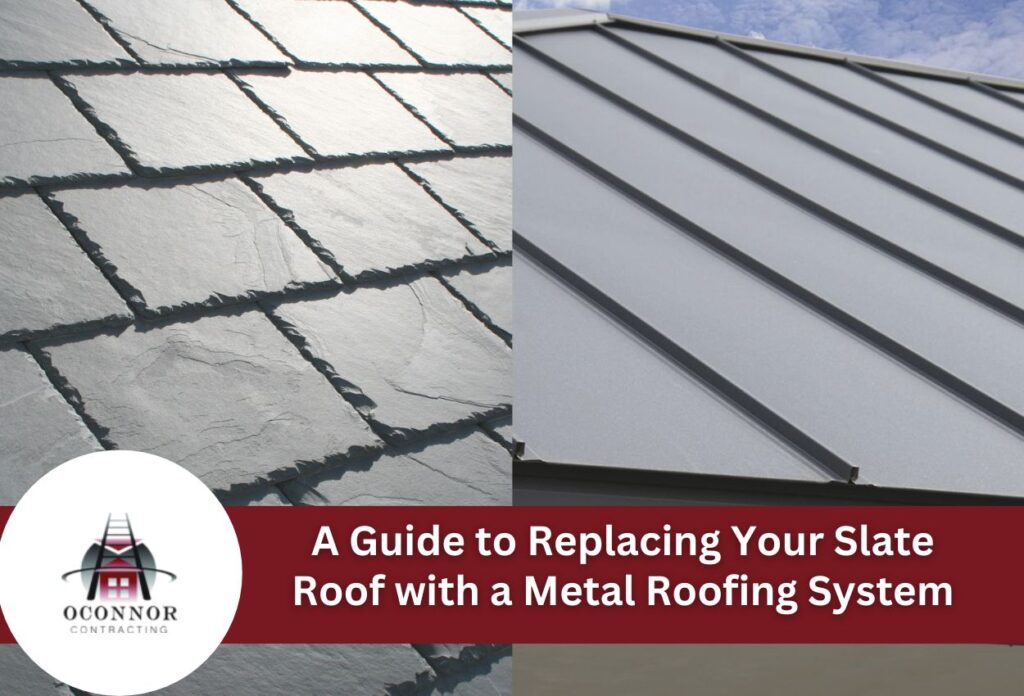

Replacing a slate roof with metal roofing has become an increasingly popular choice for homeowners seeking a durable, long-lasting roofing solution. The slate to metal roof conversion process involves several steps that require careful planning and proper execution to ensure the best results.
The slate roof replacement process with metal materials offers numerous advantages that make this conversion attractive to property owners. Metal roofing systems provide superior weather resistance, energy efficiency, and longevity compared to traditional slate installations. The transformation from heavy slate materials to lightweight metal reduces structural stress while maintaining excellent protection against harsh weather conditions.
The benefits of a metal roof over a slate one include reduced maintenance requirements, improved energy performance, and enhanced durability. Understanding the specific steps involved in this conversion helps homeowners make informed decisions about their roofing investment and ensures proper preparation for this significant home improvement project.
Why Metal Roofing Systems Outperform Traditional Slate Materials
When considering a slate-to-metal roof conversion, understanding the performance advantages of a metal roofing system is important for making an informed decision. Metal roofing systems have superior durability and weather resistance compared to traditional slate materials, particularly in regions that experience harsh winters and severe weather.
The durability of metal roofing systems comes from their ability to withstand extreme temperature fluctuations, heavy snow loads, and ice formation without cracking or breaking. Unlike slate materials that can become brittle over time and develop hairline fractures, metal roofing systems maintain their structural integrity throughout decades of exposure to challenging weather conditions. This enhanced weather resistance translates directly into fewer emergency repairs and reduced risk of water damage during severe storms.
Metal roofing systems require minimal upkeep compared to slate systems, which often need individual shingle replacements and regular inspections for loose or damaged pieces. Energy efficiency represents another key advantage, as metal roofing systems reflect solar heat more effectively than slate, reducing cooling costs during warmer months.
The benefits of a metal roof over slate extend to fire resistance, impact resistance from hail, and consistent performance throughout the material’s lifespan. These performance characteristics make metal roof installation over slate an investment that provides reliable protection while reducing ongoing maintenance expenses and energy consumption.
Planning Before Starting Your Roof Conversion
Before beginning any slate-to-metal roof conversion project, thorough planning ensures successful execution and prevents expensive complications during the slate roof replacement process. Professional assessment and proper permit acquisition form the foundation of every successful roof transformation project.
Professional roof inspections provide critical insights into the current structural condition and identify potential obstacles that could affect the metal roof installation. Certified roofing professionals evaluate the existing roof deck, support beams, and structural framework to determine if additional reinforcement is necessary before removing slate shingles for metal roof installation. These inspections reveal hidden damage, leaks, or deteriorated decking materials that require attention before the conversion begins.
Structural integrity assessments examine the load-bearing capacity of your home and identify any modifications needed to support the new metal roofing system. While metal roofing typically weighs less than slate materials, the installation process and mounting requirements may call for specific structural considerations that only professional evaluations can accurately determine.
Permit requirements and building code compliance are important legal considerations for residential roofing material changes as well. Local building departments typically require permits for complete roof replacements, and building codes will often address other needs like fire ratings, wind resistance standards, and installation specifications that must be met during the conversion process. Understanding these requirements early prevents project delays and ensures the finished installation meets all standards for residential roofing modifications.
Safe Removal Techniques for Existing Slate Shingles
Proper slate removal requires specialized tools and safety equipment to prevent damage to the underlying roof structure during the slate-to-metal roof conversion process.
The systematic approach to removing slate shingles begins with working from the ridge line downward, carefully extracting each slate piece to preserve reusable materials. Each slate tile connects through nail holes that require precise removal techniques to avoid splintering the surrounding materials. Professional contractors use specialized slate hooks and removal tools that slide beneath each shingle to cut the nails cleanly without damaging adjacent tiles or the underlying structure.
Preserving valuable slate materials during the slate roof replacement process allows homeowners to recoup some project expenses through resale or repurposing opportunities. Quality slate tiles retain significant value in architectural salvage markets, making careful removal techniques financially beneficial beyond structural protection considerations.
Proper slate removal begins with sorting intact tiles from damaged material as each section is dismantled, allowing reusable slate to be set aside while broken pieces are prepared for disposal. Because slate debris is heavy and dense, contractors typically stage removal in controlled phases and use appropriately rated containers to manage the weight safely. This approach allows installers to clear the roofing surface gradually without placing unnecessary stress on the decking. As the slate is removed, the exposed roof deck can be inspected and kept intact, creating a stable, clean foundation for the next phase of the project.
Preparing Your Roof for Metal Installation
An inspection of the exposed roof decking will reveal any damage or deterioration that occurred beneath the slate materials. Wood decking often shows signs of moisture damage or structural weakness that require replacement or reinforcement. Any compromised decking sections must be replaced with proper-grade plywood or OSB before proceeding with the metal roofing system installation.
Reinforcement requirements depend on the specific metal roofing system selected and local building codes for wind resistance. Additional blocking or fastening points may be necessary to accommodate metal panels that differ from traditional slate mounting methods, and the roof deck must provide solid, consistent support across the entire surface to prevent metal panel movement or noise issues during high winds.
Professional-grade underlayment installation creates an essential moisture barrier between the roof deck and metal panels, with high-quality synthetic underlayment providing superior protection compared to traditional felt materials. Proper underlayment extends beyond the roof edges and around gaps to create a completely weatherproof foundation. Vapor barrier considerations become particularly important when converting from slate systems, as metal roofing systems require specific ventilation and moisture management strategies to prevent condensation issues within the roof assembly.
Metal Roof Installation Process and Best Practices
Installing a metal roofing system after slate removal follows a sequence of steps that focuses on accurate layout, secure fastening, and proper sealing to ensure long-term performance.
Panel layout planning begins with detailed measurements of the roof’s surface, including all gaps, valleys, and ridge lines that will affect metal panel positioning. Proper alignment calculations ensure each panel maintains consistent spacing and overlap requirements specified by the manufacturer. The measurement process identifies potential challenges, such as irregular roof planes or existing structural elements that require special consideration.
Chalk lines create reference points across the entire roof surface, providing visual guides that maintain straight panel alignment throughout the installation process. These reference lines prevent cumulative measurement errors that could result in panel misalignment at the opposite end of the roof plane.
Fastening methods for metal roofing systems need specific types of screws, spacing requirements, and fastener depths that differ significantly from slate installations. Self-drilling screws with weather-sealing washers create secure attachment points while preventing leaks at each fastener location. Proper sealing procedures include applying the appropriate sealants at panel joints, ridge connections, and valley transitions to complete the weatherproof installation during the slate roof replacement process.
Final Inspection and Maintenance Guidelines for Your New Metal Roof
After completing the slate to metal roof conversion, conducting a comprehensive quality inspection ensures the installation meets professional standards and performs as intended. The inspection process verifies proper installation techniques and identifies any areas requiring immediate attention before the project is considered complete.
Quality checklist items include verifying proper panel alignment, checking fastener spacing and depth, and confirming weatherproof sealing at all joints and transitions. Each metal panel requires inspection for proper overlap dimensions and secure attachment points that prevent wind uplift or panel movement. Ridge caps, valley flashing, and eave trim installations need verification for proper positioning and adequate sealant application. Gaps around vents, chimneys, and roof accessories require careful examination to ensure watertight connections that prevent leaks.
The inspection should document any scratches, dents, or installation defects that need correction before accepting the completed slate roof replacement process. Gutter connections and downspout alignments require verification to ensure proper water drainage from the new metal roofing system. Metal roof installation over slate creates opportunities for thermal expansion considerations that must be properly accommodated in the final installation.
Discover the Benefits of Metal Roofing with OConnor Contracting
Are you considering upgrading your home’s roof? At OConnor Contracting, we specialize in transforming old slate roofs into superior metal roofing systems. Metal roofs not only offer exceptional weather resistance, perfect for Buffalo’s harsh winters, but also provide significant maintenance savings and energy efficiency over traditional slate materials.
Don’t let another winter compromise your home’s safety and comfort. Call us today at (716) 600-7663 to schedule a professional roof inspection and start planning your slate-to-metal roof conversion. Trust OConnor Contracting to deliver a seamless installation process and a roof that lasts for decades. Your smart roofing solution is just a phone call away!