
Homeowners facing gutter problems often wonder whether they need to tackle both gutter and roof replacement simultaneously. Thankfully, a gutter replacement can typically be completed independently without touching the roof system. These 2 components of your home’s exterior protection work together but function as separate systems with distinct lifespans and maintenance requirements.
Gutters and roofing systems operate independently, meaning issues with one don’t automatically require addressing the other. A well-maintained roof can easily outlast multiple gutter systems, making independent gutter installation a practical and cost-effective solution. The gutter replacement process involves removing old gutters and installing new ones without disturbing existing roofing materials in most situations.
Many scenarios make gutter removal without roof work the logical choice. Gutters may suffer damage from storms, develop leaks from age-related wear, or simply reach the end of their useful life while the roof remains structurally sound. Clogged gutters, improper drainage, or outdated materials often need replacement long before roofing issues emerge.
Understanding when separate gutter and roof repairs make sense helps homeowners make informed decisions about their property maintenance. Professional contractors can assess both systems independently and recommend the most appropriate course of action for each component.
When Gutter Replacement Makes Sense as a Standalone Project
Several clear indicators suggest gutters require replacement while roofing materials remain in excellent condition. Visible rust, cracks, or holes in gutter sections signal the need for independent gutter installation without roof involvement. Sagging gutters that pull away from fascia boards often result from material fatigue rather than roof damage in gutter replacement scenarios.
Water stains on exterior walls below gutters indicate failing drainage systems that need attention, independent of roof conditions. Peeling paint around gutters and water pooling around your foundation also point to gutter-specific problems requiring focused solutions. These issues develop through normal wear patterns that don’t necessarily affect your roof’s structural integrity.
Different materials have different replacement timelines for gutters and for roofing systems. The most common combination of standard aluminum gutters, which typically last 15 to 20 years, and asphalt shingles, which can perform effectively for 20 to 30 years, shows the difference between these system lifespans. It’s possible to have 1 or 2 gutter replacements in the lifespan of 1 roof, and this should be taken into account when trying to figure out where the problem is stemming from.
Seasonal weather patterns accelerate gutter deterioration faster than roofing materials in many cases. Ice dams, debris accumulation, and thermal expansion cycles stress gutter systems more aggressively than roof surfaces. Professional contractors can evaluate both components separately to determine the best timing for gutter removal without roof work, ensuring homeowners address only necessary repairs while maintaining the functionality of their system.
The Independent Gutter Installation Process
Professional contractors follow specific procedures to ensure safe gutter replacement without compromising existing roof systems. The independent gutter installation process begins with careful assessment of current mounting points and fascia board conditions before any removal occurs. This preliminary evaluation identifies potential complications that could affect roof materials during the replacement process.
Removing old gutters requires precise techniques to avoid roof damage during the replacement. Contractors will disconnect downspouts and remove gutter sections in manageable segments rather than attempting complete system removal at once. This careful approach prevents excessive force on fascia boards and roof edges that could create unintended structural stress.
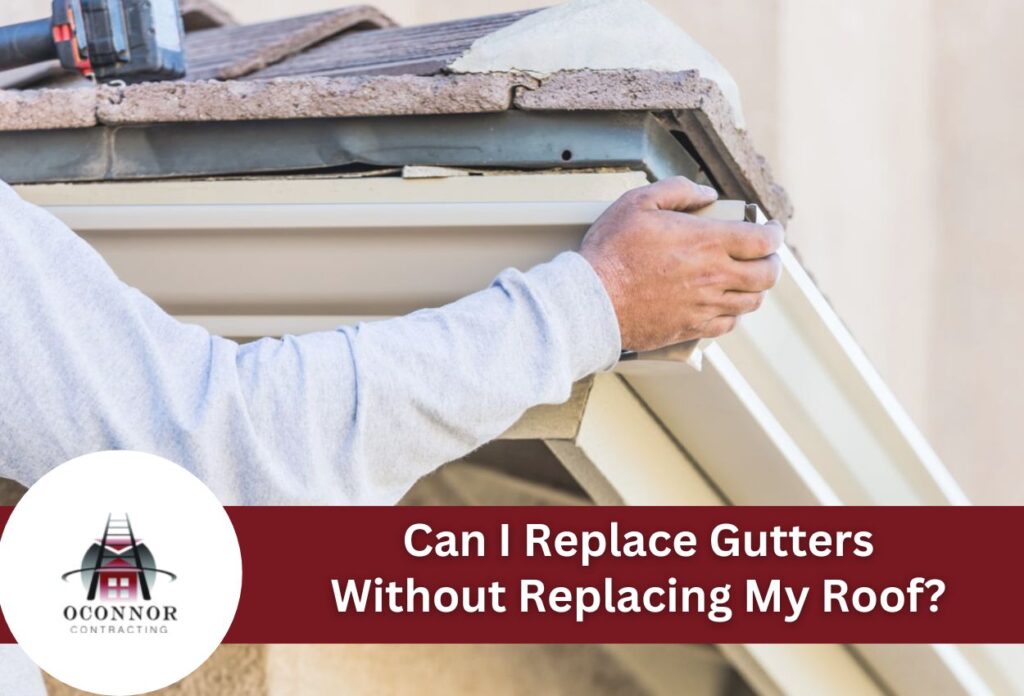
Proper gutter removal without roof work involves protecting existing flashing and shingle edges throughout the process. Professional installers use specialized tools to separate gutter hangers from fascia boards without disturbing surrounding roofing materials. Each mounting bracket receives individual attention to ensure clean removal that leaves roof components intact and undamaged.
Installation techniques focus on working within existing roof structure parameters rather than modifying roofing elements. Contractors will assess the structural integrity of the fascia board and select appropriate mounting methods that complement current roof configurations. New gutter systems attach using properly sized fasteners that go into fascia boards without affecting roof decking or underlying structural elements.
Potential Risks and How Professional Installation Prevents Roof Damage
While the gutter replacement process can proceed independently, certain vulnerable areas require exceptional care during installation work. Fascia boards represent the most important connection point between gutter systems and roofing structures, needing precise handling to prevent accidental damage. These wooden or composite boards support gutter weight while protecting roof edges from leaks, making their preservation essential during gutter removal.
Roof edges are another high-risk zone where improper techniques can compromise existing materials. Shingle edges, drip edge flashing, and soffit panels all connect near gutter mounting locations, creating potential damage points during stand-alone gutter installation projects. Inexperienced installers may inadvertently disturb these components while attempting to access mounting points or remove stubborn hardware.
Professional contractors understand how different roofing materials respond to installation stress and adjust their techniques accordingly. Experienced installers recognize when fascia boards show signs of rot or weakness that could lead to roof damage during gutter replacement if not addressed properly. They identify potential problems before beginning work and develop strategies to protect vulnerable areas throughout the project.
Hiring qualified professionals eliminates most risks associated with separate gutter and roof repairs by ensuring proper tool selection and installation methods. Professional contractors carry appropriate insurance coverage and possess the expertise to complete gutter replacement without compromising existing roof warranties or creating structural problems that could require expensive repairs later.
Protecting Your Roof During Gutter Removal and Installation
Professional contractors implement safety protocols to shield existing roofing systems throughout the gutter replacement process. Contractors cover exposed roof sections with protective tarps and use specialized equipment designed to minimize contact with roofing materials during the replacement procedure. These protective measures begin with a thorough roof inspection to identify vulnerable areas that require special attention during stand-alone gutter installation work.
Planning prevents roof damage during gutter replacement by establishing safe work zones and equipment staging areas. Professional installers position ladders and scaffolding systems to distribute weight evenly across roof structures without concentrating pressure on individual shingles or structural members. This careful positioning allows workers to access gutter mounting points while maintaining safe distances from fragile roof components throughout the project.
Drip edges and fascia boards receive particular attention during gutter removal without roof work since these components form important connections between drainage and roofing systems. Contractors carefully inspect these elements before beginning installation to identify any deterioration that could compromise roof integrity during the replacement process. When fascia boards show signs of damage, professional installers address these issues using repair techniques that strengthen the connection without disturbing existing roof materials.
Proper handling of roof-adjacent components ensures separate gutter and roof repairs remain truly independent projects. Experienced contractors use precision tools and gentle removal techniques that preserve existing flashing, soffit panels, and edge materials while creating secure mounting points for new gutter systems that maintain long-term roof protection.
When Combined Roof and Gutter Replacement Becomes the Better Choice
Certain roof conditions make simultaneous replacement the more practical approach than pursuing separate gutter and roof repairs. Deteriorating fascia boards present the most common scenario where combined replacement makes sense, as these structural components must support new gutter systems effectively. When fascia boards show extensive rot, warping, or structural weakness, attempting independent gutter installation without addressing these issues creates future problems that compromise both systems.
Damaged roof edges require attention before the gutter replacement process can proceed safely. Compromised drip edge flashing, deteriorating shingle edges, or sagging roof lines indicate structural issues that affect gutter performance regardless of the drainage system’s condition. These roof problems create improper water flow patterns that reduce the effectiveness of the gutter system and accelerate complete failure even with new installations.
Roofing systems showing multiple repair needs or nearing the end of their expected lifespan benefit from coordinated replacement that addresses both components simultaneously, especially if the gutter system is showing similar signs of age. This approach prevents roof damage during gutter replacement while ensuring both systems start fresh with similar lifespans.
Professional contractors evaluate the structural integrity of the roofing system to determine whether existing conditions can properly support new gutter systems. Sagging rooflines, loose fascia attachments, or compromised soffit areas signal the need for structural attention before gutter removal without roof work becomes feasible. These assessments help homeowners understand when combined replacement provides better long-term value than separate installations.
Making the Right Decision for Your Buffalo Home
When talking to a professional, property owners should inquire about their fascia board’s structural integrity, existing flashing conditions, and any signs of roof edge deterioration that could complicate gutter removal without roof work. Contractors should provide detailed explanations about how they plan to protect existing roofing materials throughout the gutter replacement process.
Essential questions include asking about the age and condition of drip edge flashing, soffit panel stability, and whether the current roof structure can adequately support new gutter systems. Homeowners should request information about potential risks specific to their roof type and age, along with detailed protection methods contractors will implement during independent gutter installation. Professional installers should explain how they handle unexpected discoveries like hidden fascia damage or compromised mounting points.
Timeline considerations differ significantly between standalone gutter projects and combined roof and gutter work. Independent gutter installation typically requires 1 to 3 days, depending on home size and complexity, while combined projects extend to 1 or 2 weeks. Separate gutter and roof repairs allow homeowners to address immediate drainage concerns without waiting for full roof replacement scheduling.
Planning considerations include weather windows, permit requirements, and coordination with other exterior projects. Standalone gutter replacements offer more scheduling flexibility and allow homeowners to budget for roof replacement separately. This phased approach often provides better financial planning options while ensuring each system receives appropriate attention based on actual need rather than convenience or timing.
Expert Gutter Replacement by OConnor Contracting
If your gutters are aging or malfunctioning, it’s important to address these issues quickly to protect your home from water damage. At OConnor Contracting, we specialize in gutter installation that aligns perfectly with your existing roofing system, ensuring a seamless upgrade without the need for a full roof replacement.
Understanding when to opt for a gutter replacement as a standalone project can save you significant time and expense. If you notice sagging, rust, or leakage, it may be time to give us a call. Our skilled team can assess your situation and implement effective solutions that enhance your home’s functionality and curb appeal.
Contact OConnor Contracting today at (716) 600-7663 to schedule a consultation and ensure your gutter system is in top shape, protecting your home from the harsh Buffalo weather.