Key Points:
- To know if roof rafters are damaged, look for exterior sagging rooflines and interior ceiling cracks or water stains.
- Inspect accessible attic spaces for wood rot, insect damage, splits, or significant bowing of the structural beams.
- Severe rafter damage, like major bowing or separation, requires immediate professional assessment to prevent structural failure.
Roof rafters form the backbone of your home’s structural framework, supporting roof weight and helping maintain the roof’s shape and protecting your property from Buffalo’s harsh winter conditions. These essential wooden beams bear the weight of roofing materials, snow weight, and wind forces while maintaining the roof’s shape and stability. When rafters become damaged or compromised, the consequences can range from minor leaks to serious structural damage.
Recognizing signs of rafter damage early prevents expensive repairs and protects your family’s safety. Common indicators include sagging roof lines, visible cracks in ceilings, water stains, and unusual creaking sounds during storms. Buffalo homeowners face unique challenges from heavy snow accumulation, ice dams, and freeze-thaw cycles that accelerate rafter deterioration. Leaks from damaged shingles or inadequate ventilation create ideal conditions for wood rot and insect damage.
Understanding roof structural damage symptoms enables homeowners to take quick action before minor issues escalate into major problems. Regular rafter inspection helps identify deterioration early, reducing the likelihood of expensive repairs while maintaining your home’s structural integrity throughout Buffalo’s tough weather.
Visual Warning Signs That Indicate Rafter Problems
Identifying signs of rafter damage requires careful observation of both exterior and interior visual cues that signal structural compromise. From the outside, homeowners should watch for sagging rooflines that appear noticeably lower than normal, creating an uneven or drooping appearance along the roof’s edge. Uneven ridgelines where the roof peaks appear wavy or irregular often indicate underlying rafter stress or failure.
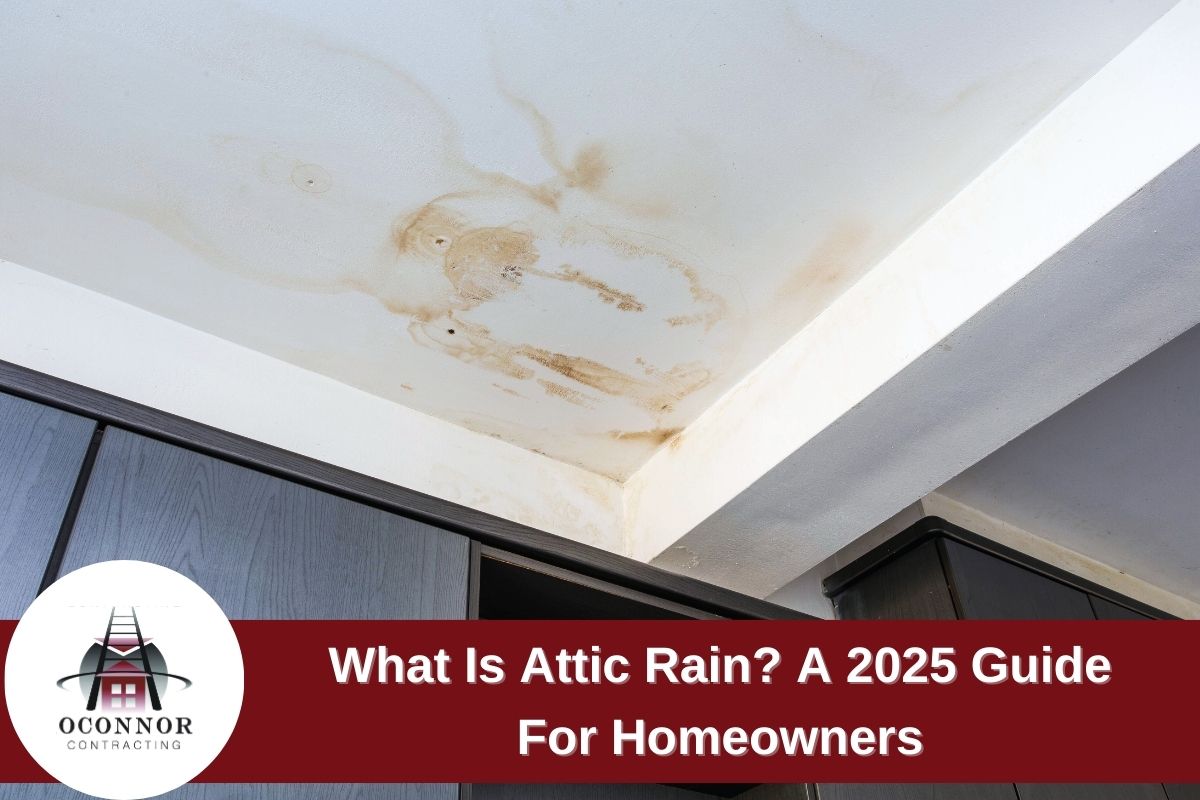
Visible bowing in roof sections represents a serious red flag, as healthy rafters maintain straight, consistent lines. Inside the home, ceiling surfaces provide clear indicators of rafter inspection needs. Water stains appearing as brown or yellow discoloration suggest leaks that may be weakening structural beams. Cracks running across drywall surfaces, particularly those that reappear after repair, signal movement in the underlying framework.
Noticeable dips or waves in ceiling surfaces reveal sagging roof rafters that can no longer support their intended load. These roof beam deterioration indicators often develop gradually, making regular visual assessments essential for early detection. Homeowners should examine these areas during different lighting conditions, as shadows can reveal subtle irregularities that indicate developing structural issues requiring professional evaluation.
Interior Inspection Techniques for Homeowners
Accessing attic spaces safely requires proper preparation and equipment to conduct effective rafter inspection. Homeowners should use a sturdy flashlight or headlamp to illuminate dark areas thoroughly, revealing signs of rafter damage that might otherwise go unnoticed. Portable LED work lights provide coverage when examining multiple sections systematically. Before entering attic spaces, ensure adequate ventilation and avoid stepping directly on ceiling joists to prevent falls or structural damage.
During inspection, focus attention on connection points where rafters meet walls, ridge beams, and support posts, as these areas experience the highest stress loads. Look for gaps, separations, or loose fasteners that indicate structural movement. Wood rot appears as dark, soft spots or areas where wood crumbles easily when touched. Insect damage manifests as small holes, sawdust-like debris, or visible tunneling patterns in wooden beams.
Sagging roof rafters often show obvious bowing or cracking along their length, while healthy beams maintain straight, solid profiles. Check for moisture stains, white chalky deposits, or musty odors that suggest ongoing leaks. Document concerning conditions with photographs and measurements to provide accurate information when consulting roofing professionals about roof structural damage symptoms and necessary repairs.
Recognizing Advanced Deterioration and Structural Failure
Advanced rafter deterioration presents unmistakable warning signs that require immediate professional attention to prevent catastrophic roof failure. Severe structural compromise becomes evident through pronounced bowing where rafters curve dramatically downward under excessive weight or weakened load-bearing capacity. Audible cracking sounds during windstorms or heavy snow indicate active wood failure as fibers separate and split under stress.
Important signs of rafter damage include visible separation where beams pull away from ridge boards, wall plates, or support structures, creating dangerous gaps that compromise the entire roofing system. Rafters exhibiting significant deflection often measure several inches below their original position, creating noticeable interior ceiling deformation and exterior roofline irregularities that require urgent intervention.
Environmental factors accelerate wood decay through prolonged moisture exposure from ice dams, inadequate ventilation, or persistent leaks that saturate structural lumber. Wet conditions promote fungal growth that rapidly deteriorates rafter strength, while repeated freeze-thaw cycles split wood fibers and expand existing cracks. These roof beam deterioration indicators signal advanced structural problems where partial or complete rafter replacement becomes necessary to restore safe load-bearing capacity and prevent potential roof collapse during severe weather.
Safety Considerations During Rafter Assessment
Examining potentially compromised roof structures requires strict safety protocols to protect homeowners from serious injury. Before attempting any rafter inspection, ensure adequate lighting and wear appropriate footwear with good traction when moving through attic spaces. Never walk directly on ceiling joists or insulation, as weakened structures may give way unexpectedly. Use proper ladders positioned on stable, level ground when accessing roof areas, and always have someone present during inspection activities.
Certain conditions warrant immediate professional intervention rather than homeowner assessment attempts. Visible structural sagging, recent storm damage, or suspected load-bearing compromises present serious safety hazards that require expert evaluation. When signs of rafter damage include active water intrusion, electrical hazards near damaged areas, or unstable flooring surfaces, avoid DIY inspection entirely. Professional roofers possess specialized equipment and training to safely navigate dangerous conditions while accurately assessing roof structural damage symptoms.
Homeowners should immediately evacuate areas beneath severely compromised rafters and contact qualified contractors when structural failure appears imminent. Warning signs requiring professional response include loud cracking sounds, rapidly expanding ceiling cracks, or sudden changes in roofline appearance that suggest active deterioration and potential collapse.
Professional Inspection Benefits and When to Call Experts
Professional roofing contractors bring specialized equipment and extensive experience that enable accurate assessment of roof structural damage symptoms beyond the scale of basic homeowner evaluation. Licensed professionals utilize moisture meters, laser levels, and structural analysis tools to detect hidden problems that visual inspection alone cannot reveal. Their trained expertise allows identification of subtle signs of rafter damage that untrained eyes frequently overlook, including minor deflection patterns, stress concentrations, and early-stage deterioration that may not yet present obvious symptoms.
During professional rafter inspection, contractors systematically evaluate load-bearing capacity, connections’ structural integrity, and overall structural soundness using established inspection methods. They examine rafter spacing, grade stamps, and installation methods to determine compliance with building codes while identifying potential failure points before they become important issues. Professional inspectors can distinguish between cosmetic concerns and serious roof beam deterioration indicators, providing homeowners with accurate prioritization of necessary repairs.
Expert evaluation becomes essential when homeowners observe multiple warning signs simultaneously, such as sagging roof rafters combined with interior water damage or widespread ceiling cracks. Professional assessment ensures that an evaluation of interconnected structural elements that influence overall roofing system performance, delivering detailed reports that guide effective repair strategies and prevent recurring problems.
Next Steps After Discovering Rafter Damage
After identifying signs of rafter damage, immediate protective measures help prevent additional structural deterioration while arranging professional repair services. Water damage poses the greatest threat to compromised rafters, so homeowners should address active leaks quickly by placing tarps over damaged roof sections and positioning collection containers under interior drips. Remove stored items from affected attic areas to reduce load stress on weakened beams and relocate belongings from rooms below damaged ceiling sections.
Emergency stabilization may require temporary supports installed by qualified professionals when sagging roof rafters create immediate safety concerns. Avoid adding weight to compromised areas and restrict access to rooms showing active ceiling movement or cracking. Document damage progression with photographs and contact roofing contractors experienced with structural repairs to schedule an evaluation and repair estimates.
Determining if a repair or a replacement is needed depends on the extent of the damage, rafter material condition, and overall structural integrity assessment. Minor issues like isolated cracks or small rot sections often allow targeted repairs using sister boards or reinforcement techniques. Extensive deterioration affecting multiple rafters typically requires complete replacement to restore adequate load-bearing capacity. Professional contractors evaluate roof beam deterioration indicators against repair costs and long-term performance expectations, helping homeowners make informed decisions about restoration approaches that ensure lasting structural stability and continued protection against weather-related damage.
Expert Rafter Repair Services in Buffalo by OConnor Contracting
Identifying damage to your roof rafters is important for maintaining the safety and structural integrity of your home. If you’ve noticed any signs of sagging, deterioration, or other structural issues, it’s essential to act swiftly. Rafter damage can lead to serious problems if not addressed quickly. Don’t risk the safety of your home by delaying, especially in an area like Buffalo known for harsh weather conditions that can exacerbate existing damage.
Don’t wait for the damage to get worse. Call us today at (716) 600-7663 to schedule a professional inspection and ensure your home remains safe and secure. Trust OConnor Contracting for reliable, efficient service and peace of mind.