How Effective Is Reflective Foil Insulation for Home Energy Savings?
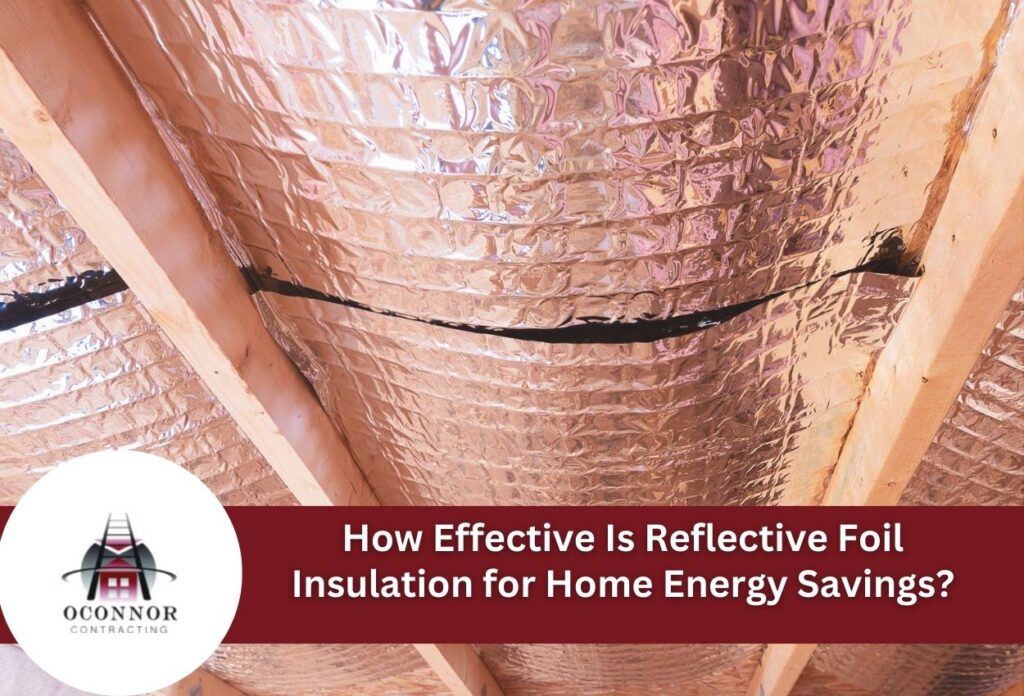

Reflective foil insulation stands out as a specialized radiant barrier system designed to reduce heat transfer in residential applications. Unlike traditional insulation materials that absorb and slow heat movement, reflective foil works by reflecting radiant energy away from living spaces. This aluminum-faced barrier creates a thermal break that can significantly impact your home’s energy efficiency when properly installed.
The effectiveness of reflective foil installation depends heavily on proper placement and local climate conditions. In hot climates, attic insulation reflective foil can reduce cooling costs by blocking up to 97% of radiant heat from entering through the roofing system. Homeowners typically experience measurable reflective foil energy savings during peak summer temperatures when air conditioning needs are at their highest.
Radiant barrier effectiveness becomes most apparent in homes with ductwork located in unconditioned spaces like attics or crawl spaces. The roof insulation reflective barrier helps maintain more stable temperatures in these areas, reducing the workload on HVAC systems. Performance benefits include lower utility bills, improved comfort levels, and enhanced overall energy efficiency when combined with adequate traditional insulation materials.
The Science Behind Radiant Barrier Technology and Heat Reduction
Understanding how reflective foil installation works requires examining the fundamental principles of heat transfer. Traditional insulation materials absorb thermal energy and slow its movement through conduction and convection. Reflective foil insulation operates differently by reflecting radiant heat rather than absorbing it. This aluminum surface can redirect up to 97% of radiant energy, preventing it from getting into living spaces.
The performance of any radiant barrier effectiveness depends on two important measurements: emissivity ratings and reflectivity percentages. Quality attic insulation reflective foil typically features emissivity values of 0.03 or lower, meaning it emits minimal heat. Reflectivity percentages of 95% or higher indicate superior performance levels. These technical specifications directly correlate to the reflective foil energy savings potential.
When properly installed, a roof insulation reflective barrier creates a thermal break that interrupts the heat transfer process. The reflective surface must face an air space to function effectively, allowing radiant energy to bounce away rather than conduct through solid materials. This scientific principle makes reflective foil insulation’s benefits most pronounced in applications where radiant heat represents the primary thermal challenge.
Proven Energy Savings and Performance Metrics from Reflective Foil Systems
Documented studies consistently demonstrate that reflective foil insulation benefits extend beyond theoretical performance to measurable energy reductions. Homeowners typically report 10% to 25% cooling cost reductions when attic insulation reflective foil is properly installed in hot climate regions. These savings translate to lower electricity bills during peak summer temperatures when air conditioning systems work hardest to maintain comfortable indoor temperatures.
Real-world performance data reveals how radiant barrier effectiveness impacts HVAC system operation and runtime efficiency. Temperature monitoring shows that reflective foil energy savings occur through reduced attic temperatures, often dropping peak heat levels by 20 degrees to 30 degrees Fahrenheit. This temperature reduction allows cooling equipment to cycle less frequently, extending system lifespan while reducing energy consumption throughout the warmest parts of the day.
Performance metrics from roof insulation reflective barrier installations demonstrate consistent benefits across various home configurations and climate zones. Independent testing shows that properly installed reflective foil systems maintain their effectiveness over time, providing sustained energy savings without degradation. These documented results support reflective foil installation as a viable energy efficiency upgrade that delivers quantifiable performance improvements for residential applications.
The Best Installation Locations for Reflective Foil Effectiveness
Attic installations provide the greatest return on investment for reflective foil insulation benefits due to the significant radiant heat exposure from the surface of the roof. The attic space receives the most intense thermal radiation throughout the day, making attic insulation reflective foil particularly effective at blocking this heat transfer. Installing radiant barriers in this location creates the largest temperature differential, resulting in substantial reflective foil energy savings during cooling seasons.
Roof deck applications represent another strategic placement option that maximizes radiant barrier effectiveness. When installed directly under roof sheathing, the roof insulation reflective barrier creates an immediate thermal break before heat gets into attic spaces. This positioning allows the reflective surface to redirect radiant energy before it accumulates in the attic environment, maintaining cooler temperatures throughout the entire roof assembly.
Additional strategic locations include exterior wall applications and basement ceiling installations where radiant heat presents ongoing challenges. These supplementary placements extend the benefits beyond primary attic installations, creating thermal protection throughout the home structure. Proper placement in multiple locations maximizes the overall effectiveness of reflective foil installation while targeting specific areas where radiant heat transfer impacts indoor comfort and energy efficiency most significantly.
Comparing Reflective Foil Performance Against Traditional Insulation Methods
Traditional insulation materials like fiberglass and cellulose work primarily through resistance to conductive and convective heat transfer, while reflective foil installation targets radiant heat specifically. In hot climates, this distinction becomes important as radiant heat from intense sunlight represents up to 93% of summer cooling loads. Fiberglass insulation provides steady thermal resistance but cannot reflect radiant energy, making reflective foil attic insulation particularly valuable in regions with high solar exposure and extended cooling seasons.
Performance testing reveals that radiant barrier effectiveness excels in specific applications where traditional materials fall short. While fiberglass maintains consistent R-values regardless of temperature, reflective foil energy savings increase dramatically as outdoor temperatures rise. This makes roof insulation reflective barrier systems particularly effective during peak summer conditions when cooling costs typically spike the highest for most homeowners.
Standalone reflective foil installations work best in hot climates with minimal heating requirements, where radiant heat control provides year-round benefits. However, combination approaches that pair reflective foil insulation benefits with traditional materials often deliver superior overall performance. This hybrid strategy captures both radiant heat reflection and thermal resistance, creating noticeable energy efficiency improvements that address multiple heat transfer mechanisms throughout varying seasonal conditions.
Installation Quality Factors That Determine Long-Term Effectiveness
Proper air gap maintenance represents the most important factor affecting reflective foil installation performance over time. The reflective surface must face an unobstructed air space of at least ¾ of an inch to function effectively. Without this air gap, the radiant barrier’s effectiveness drops dramatically as the aluminum surface begins conducting heat through direct contact with adjacent materials. Quality installations ensure these air spaces remain clear of debris, dust accumulation, and structural settling that could compromise thermal performance.
Sealing requirements around gaps and edges directly impact the overall success of attic insulation reflective foil systems. Even small gaps or unsealed joints allow air movement that reduces the thermal barrier properties. Professional installations include proper sealing techniques using compatible tapes and fasteners designed specifically for reflective materials. These sealing methods prevent air leakage while maintaining the structural integrity of the reflective surface throughout seasonal temperature variations.
Common installation mistakes include insufficient fastening, improper overlap patterns, and failure to maintain required air gaps. Sagging reflective foil loses effectiveness when it contacts insulation materials below, while inadequate overlap creates thermal bridges. Poor fastening allows wind movement to damage the barrier system, reducing the roof insulation’s reflective barrier performance. Avoiding these installation errors ensures maximum reflective foil energy savings and maintains long-term system effectiveness across varying weather conditions.
When Reflective Foil Installation Makes the Most Financial and Performance Sense
Reflective foil installation delivers the best results in specific home configurations and climate conditions where radiant heat represents the primary thermal challenge. Homes with metal roofing, concrete tile, or asphalt shingles in direct sun exposure benefit most from radiant barrier effectiveness. Properties featuring cathedral ceilings, bonus rooms above garages, or ductwork located in attic spaces see the greatest reflective foil energy savings potential during cooling seasons.
Climate zones with extended periods of high outdoor temperatures and intense solar radiation provide ideal conditions for attic insulation reflective foil performance. Regions experiencing summer temperatures consistently above 85 degrees Fahrenheit offer the temperature differentials necessary for maximum roof insulation reflective barrier effectiveness. Homeowners can expect to see measurable energy bill reductions within the first cooling season following installation.
Performance improvements typically become apparent within 30 to 60 days of proper installation as outdoor temperatures rise. Realistic expectations include 10% to 20% reductions in cooling costs during peak summer temperatures for qualifying homes. The reflective foil insulation benefits add up over time, with most homeowners experiencing consistent energy savings throughout the system’s operational lifespan when combined with adequate traditional insulation materials.
Maximize Your Home’s Energy Efficiency with OConnor Contracting
Are you considering upgrading your home’s insulation to save on energy costs and enhance comfort? Reflective foil insulation, expertly installed by OConnor Contracting, could be your best solution. With proven effectiveness in blocking radiant heat, reflective foil is ideal for homeowners looking to improve their home’s thermal performance, especially in attics and roof installations. This innovative barrier technology not only reflects heat but also significantly reduces your cooling costs, making it a cost-effective alternative to traditional insulation methods.
Call us today at (716) 600-7663 to discuss your insulation needs and how we can help you achieve significant energy savings.