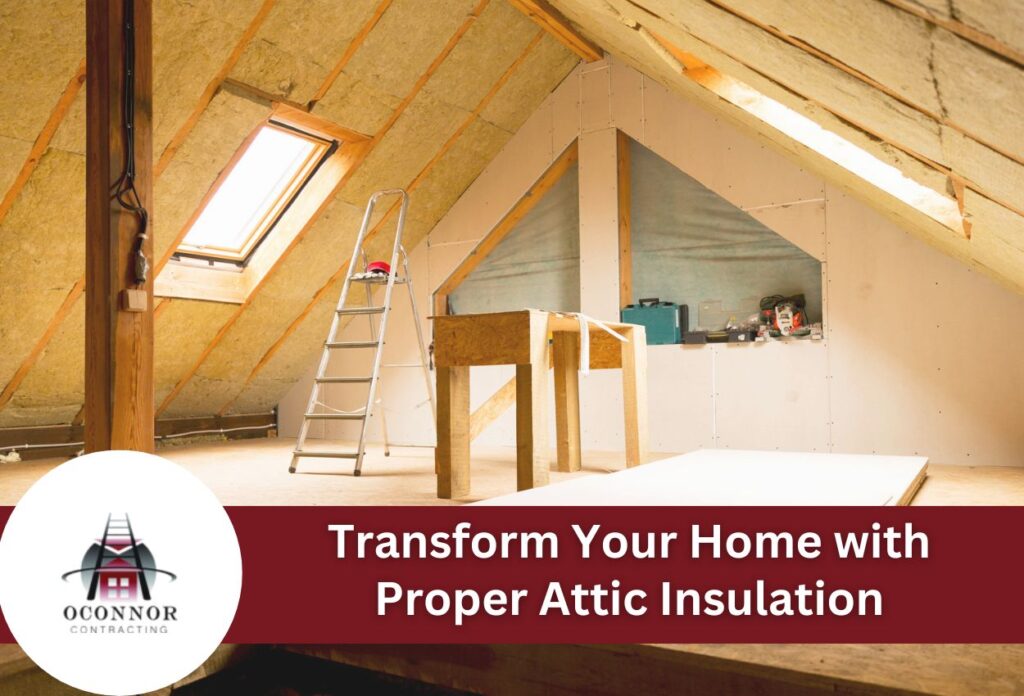

Attic insulation acts as your home’s most important thermal barrier, protecting against energy loss during Western New York’s extreme weather conditions. This critical component creates a protective shield between your living spaces and the outside elements, preventing heated air from escaping during frigid winters and keeping cool air inside during hot summers.
The benefits of attic insulation go past temperature control. Homeowners who invest in energy-efficient attic insulation typically see significant reductions in their monthly utility bills while enjoying more consistent indoor temperatures throughout their homes. Quality home insulation eliminates drafts, reduces strain on heating and cooling systems, and creates a more comfortable living environment year-round.
Different types of attic insulation offer varying levels of protection, measured by their insulation R-value. Higher R-values provide better thermal resistance, making them particularly valuable in Buffalo’s climate, where temperature extremes can push energy systems to their limits. Proper attic insulation requires understanding which materials work best for specific home designs and existing conditions.
Rising energy costs make attic insulation upgrades an increasingly smart investment for homeowners. Beyond immediate comfort improvements, quality insulation helps protect HVAC equipment from overwork, potentially extending system lifespan while maintaining consistent indoor air quality throughout changing seasons.
Slash Your Energy Bills Through Strategic Insulation Placement
Strategic placement of proper attic insulation creates an effective thermal barrier that prevents conditioned air from escaping your living spaces. When heated air rises during winter, quality insulation captures and redirects this warmth back into your home rather than allowing it to leak through gaps and poorly insulated areas.
Buffalo’s harsh weather makes attic insulation very valuable for year-round energy savings. Winter heating bills can drop substantially when proper attic insulation prevents warm air loss through the roof’s structure. During summer, the right types of attic insulation with the appropriate R-value ratings block external heat from forcing air conditioning systems to work overtime.
Professional home insulation ensures maximum energy efficiency by eliminating thermal bridges and air leaks that can compromise the system’s performance. Properly installed insulation materials create consistent coverage across the entire attic space, preventing hot and cold spots that force HVAC equipment to cycle more frequently. This reduced system strain can lead directly to lower monthly utility expenses while maintaining comfortable indoor temperatures throughout seasonal weather changes.
The cumulative effect of insulation placement becomes obvious within the first few billing cycles, as heating and cooling systems operate more efficiently and require less energy to maintain desired indoor climate conditions.
Year-Round Comfort Control in Every Room of Your Home
Proper attic insulation creates balanced temperatures throughout your entire home by preventing thermal inconsistencies that cause uncomfortable hot and cold zones. When insulation coverage lacks adequate depth or contains gaps, certain rooms become difficult to heat or cool effectively, forcing family members to constantly adjust thermostats or avoid specific areas when it gets cold outside.
Energy-efficient attic insulation eliminates these temperature variations by maintaining consistent thermal protection across your home’s top-most. Quality home insulation installation prevents outdoor temperatures from getting through the roofing system. This balanced climate control means every room maintains pleasant conditions without requiring individual heating or cooling adjustments.
The connection between proper attic insulation and reduced drafts significantly impacts daily comfort levels. Different types of attic insulation work together to seal air pathways that allow unwanted airflow between conditioned and unconditioned spaces. When insulation R-value ratings match your home’s specific thermal requirements, the result is noticeably calmer indoor air without the uncomfortable drafts that make rooms feel chilly even when thermostats show the correct temperatures.
Choosing the Right Insulation Material for Maximum Performance
Selecting the appropriate insulation materials requires understanding how different options perform under varying conditions and applications. Fiberglass insulation offers excellent thermal resistance and remains the most widely used option due to its affordability and effectiveness. This material works particularly well in standard attic spaces with regular joist spacing and provides reliable benefits of attic insulation when installed with proper depth and coverage.
Cellulose insulation excels in filling irregular spaces and gaps that rigid materials cannot adequately cover. Made from recycled paper products, this energy-efficient attic insulation option conforms to unusual shapes around pipes, wiring, and structural elements. Cellulose also provides superior air sealing properties compared to traditional fiberglass, making it valuable for older homes with multiple holes through the attic floor.
Spray foam is a premium choice for home insulation installation when maximum thermal performance is required. This material expands to fill every crack and crevice, creating an airtight seal that eliminates thermal bridging and air leakage. While representing a higher initial investment, spray foam delivers exceptional long-term performance in challenging applications.
Understanding insulation R-value ratings helps determine which types of attic insulation meet specific performance requirements. R-value measures thermal resistance, with higher numbers indicating better insulating properties. Proper attic insulation for Buffalo’s climate typically requires R-values between R-38 and R-60, depending on existing conditions and energy efficiency goals for the specific installation area.
Professional Installation Techniques That Guarantee Results
Professional installation methods directly determine the long-term effectiveness of any attic insulation project. Even premium materials fail to deliver the expected benefits of attic insulation when installed incorrectly, leading to persistent energy loss and comfort issues. Certified contractors understand how to properly prepare attic spaces, ensuring the surface is clean and that there is enough ventilation before installing energy-efficient insulation.
Thermal bridging occurs when conductive materials create pathways for heat to transfer through the insulation. Professional installers identify and eliminate these weak points by carefully sealing areas around structural elements, electrical fixtures, and mechanical gaps. This attention to detail prevents hot spots that will compromise the system’s performance and reduce the effectiveness of even high-quality types of attic insulation.
Air leakage is another critical factor that undermines insulation performance when not properly addressed during home insulation installation. Gaps around pipes, ducts, and wiring allow conditioned air to escape while drawing unconditioned air into living spaces. Professional techniques for stopping these leaks include:
- Air sealing using the right kind of caulk
- Gaskets
- Expanding foams before installing the primary insulation layer.
Complete coverage ensures maximum return on insulation investments by eliminating areas where thermal protection remains insufficient. Experienced installers maintain consistent depth across the entire attic floor while avoiding compression that reduces the insulation R -value. This approach to proper attic insulation creates uniform thermal protection that delivers reliable energy savings and comfort improvements throughout the home.
Protect Your Home’s Structure and Indoor Air Quality
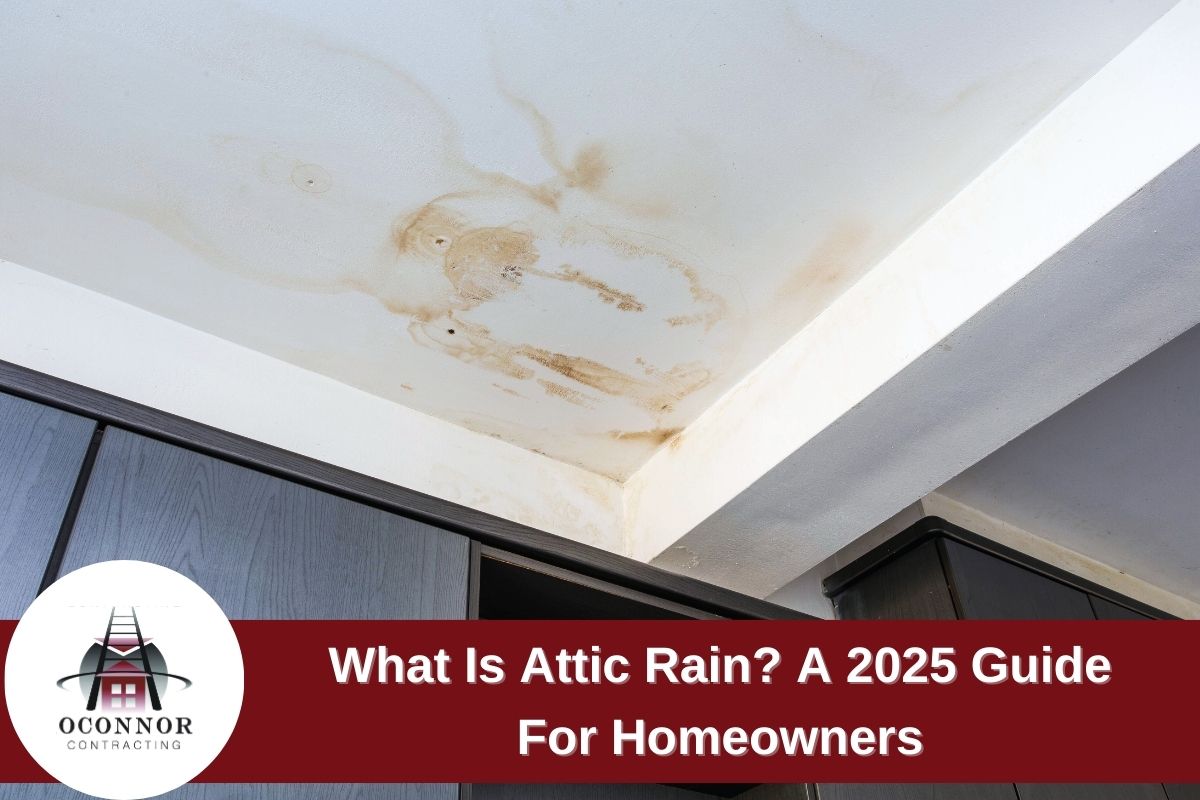
Quality attic insulation is an important defense system against moisture-related structural damage and indoor air quality problems. When warm, humid air from living spaces contacts cold surfaces in poorly insulated attics, condensation forms and creates the ideal conditions for mold growth and wood rot. Proper attic insulation maintains consistent temperatures throughout the attic space, preventing these damaging moisture interactions that can compromise your home’s structural integrity.
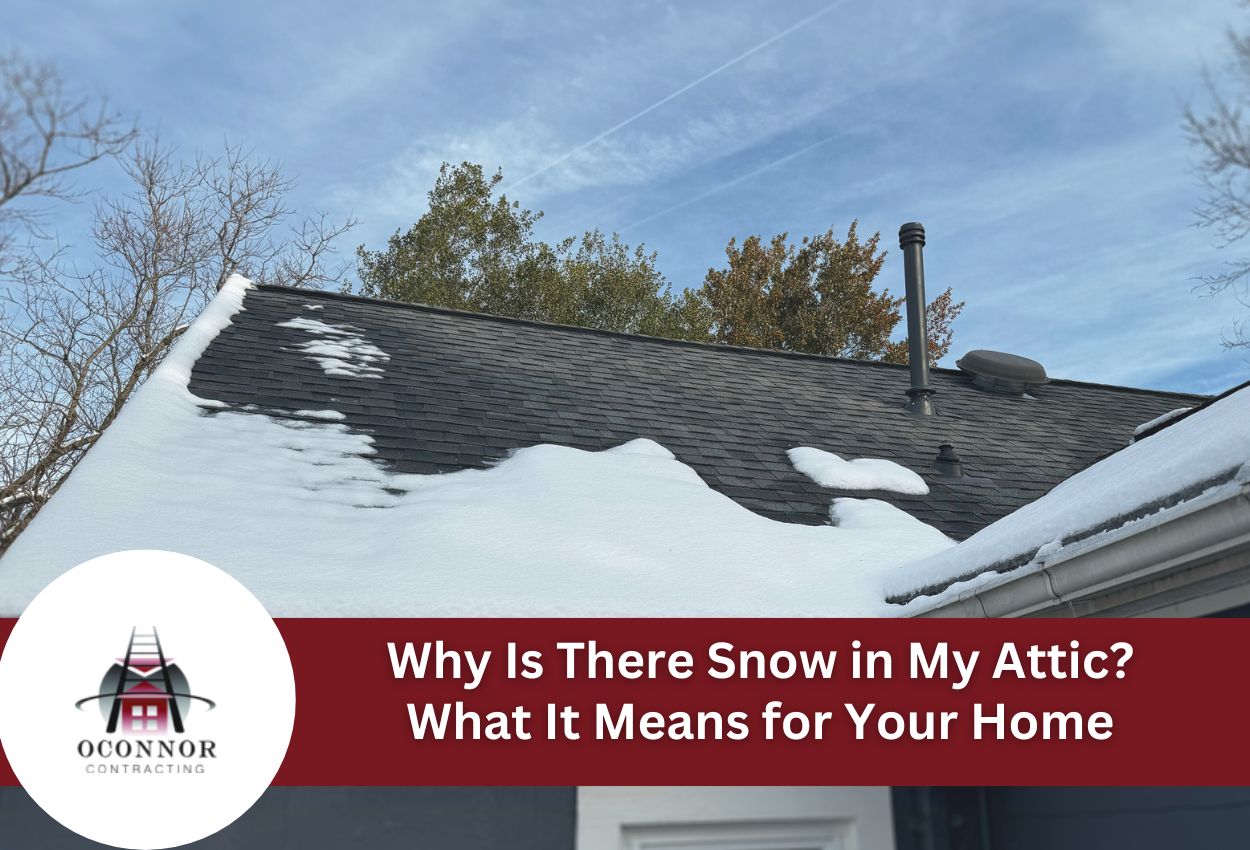
Ice dam formation represents a serious threat to Buffalo-area homes during winter when inadequate insulation allows heat to escape through the roof. This heat melts snow on the highest part of the roof, which then refreezes at the colder eaves, creating ice barriers that force water back under shingles. Energy-efficient attic insulation prevents this destructive cycle by maintaining uniform roof temperatures that eliminate the conditions necessary for ice dam development.
Boost Your Property Value with an Insulation Upgrade
Energy-efficient homes bring in higher prices in today’s real estate market, and proper attic insulation represents one of the most cost-effective upgrades for increasing property value. Potential buyers actively seek homes with updated insulation systems because they understand the long-term benefits of attic insulation for reducing energy costs and maintaining comfortable living conditions. Real estate professionals consistently report that energy-efficient attic insulation upgrades make properties more attractive during home showings and negotiations.
Home insulation installation with appropriate insulation R-values demonstrate proactive maintenance that appeals to quality-conscious buyers. When prospective owners see evidence of recent insulation work, they gain confidence that the property has been well-maintained and won’t require immediate energy efficiency improvements. Different types of attic insulation visible during inspections signal that current owners have invested in long-term home performance rather than just cosmetic updates.
The marketability advantage goes past the initial buyer interest to actual closing negotiations. Homes with proper attic insulation typically appraise at higher values because energy efficiency improvements represent permanent property enhancements that benefit any future owner. Energy audits and home inspections frequently highlight insulation quality as a significant factor in determining overall property condition and value.
Smart insulation upgrades provide compelling return on investment through reduced maintenance costs and improved home performance over decades of ownership, making them attractive to both current homeowners and potential buyers seeking long-term value.
Upgrade Your Home’s Insulation with Oconner Contracting
Don’t wait to start saving and enhancing the comfort of your home. Call OConnor Contracting now at (716) 600-7663 to discuss your attic insulation needs and schedule a professional assessment. Ensure your home is protected and efficient year-round!