Understanding Commercial Roof Drainage Problems and Their Impact on Your Business
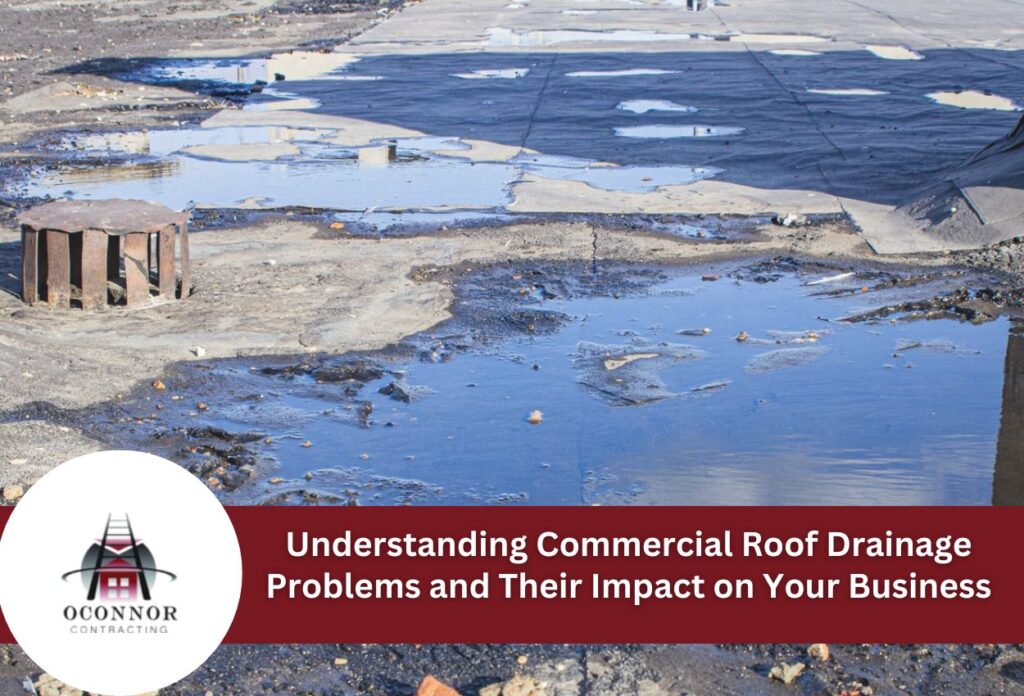
Commercial roof drainage problems can transform a minor maintenance concern into a catastrophic roofing failure. When water fails to drain from commercial roofing systems, property owners face mounting challenges that extend far beyond simple puddles on the roof surface.
Flat roof water pooling is one of the most visible indicators of drainage system failure. Standing water creates immediate structural stress while providing the perfect environment for accelerated deterioration of roofing materials. This stagnant water seeps into membrane systems, compromises insulation, and eventually leads to interior leaks that disrupt business operations.
Roof drain clogging solutions become critical when debris accumulation blocks water flow through primary drainage channels. Leaves, dirt, and loose building materials create barriers that force water to seek alternative paths, often through the building itself. These blockages transform routine rainfall into potential flooding events that threaten inventory, equipment, and employee safety.
Commercial gutter maintenance plays an equally important role in preventing water backup situations. Neglected gutters overflow during storms, sending water down exterior walls and into foundations. Fixing this problem requires close attention to both primary and secondary drainage components. Building drainage system repair addresses the underlying infrastructure problems that create these recurring issues, protecting both immediate operations and long-term property values.
The Science Behind Water Pooling on Flat Commercial Roofs
The physics of water movement on commercial roofing systems explains why flat and low-slope roofs struggle with drainage issues. Unlike residential pitched roofs that rely on gravity to rapidly channel water toward gutters, commercial flat roof water pooling occurs when insufficient slope prevents proper water flow toward drainage points.
The fundamental principle behind effective roof drainage requires a minimum slope of 1/4 inch per foot to maintain water movement. When roofs lack adequate pitch, water stagnates in low areas, creating the perfect conditions for membrane deterioration and structural damage. This standing water infiltrates roofing materials through gaps, loose materials, and weak spots.
Building settlement compounds these drainage challenges by creating new depressions where water accumulates. As structures age, foundation movement alters the original roof profile, redirecting water flow away from intended drain locations. These settlement patterns often develop gradually, making roof drain clogging solutions necessary as debris collects in newly formed low spots.
Membrane degradation accelerates the pooling problem by creating additional surface irregularities that trap water. Exposure to UV rays, temperature changes, and chemicals weakens roofing materials, causing them to sag or develop wrinkles that interrupt smooth water flow. Design flaws in the original drainage system, including inadequate drain placement or insufficient capacity, create persistent issues requiring comprehensive repair to restore proper function and prevent ongoing problems.
Identifying and Addressing Clogged Roof Drains Before Disaster Strikes
Preventing commercial roof drainage problems requires understanding what causes blockages throughout different seasons and implementing inspection protocols. Seasonal debris patterns create predictable challenges that property managers can address through proactive maintenance strategies.
During autumn, leaves and organic matter accumulate rapidly in drainage systems, creating the primary source of roof drain clogging. These materials combine with rainwater to form dense masses that completely obstruct water flow. Winter brings ice formation that expands within drain pipes, cracking connections and creating permanent structural damage. Spring storms deposit sand, dirt, and construction debris that settles in low areas where water pooling typically occurs.
Summer heat accelerates the decomposition of organic materials, creating thick sludge that sticks to drain walls and reduces capacity. Small twigs, roofing granules, and rooftop equipment debris also contribute to blockages that require immediate attention to prevent water backup.
Professional inspection techniques utilize specialized cameras that snake through drain systems to identify hidden obstructions invisible from roof surface examinations. These tools reveal root intrusion, pipe separation, and internal corrosion that traditional visual inspections miss completely.
Water flow meters measure drainage rates through the system, pinpointing capacity reductions caused by partial blockages. Thermal imaging cameras detect temperature variations that indicate moisture accumulation behind walls or under membranes, revealing drainage problems before they cause visible damage. Identifying these issues early prevents major damage and the associated repair costs, saving building owners time and money.
Commercial Gutter Maintenance Strategies for Long-term System Performance
Having a commercial gutter maintenance strategy prevents expensive drainage failures while extending system lifespan. Seasonal maintenance schedules align cleaning and inspection activities with predictable weather patterns that create specific challenges for commercial drainage systems.
Spring maintenance addresses winter damage and prepares systems for heavy rainfall. This includes clearing ice damage, repairing loose connections, and removing accumulated debris that restricts water flow. Property managers should inspect downspout connections, verify proper slope alignment, and test capacity before storm season arrives.
Summer maintenance focuses on thermal expansion issues and vegetation growth that affects drainage performance. High temperatures cause metal components to expand, potentially creating gaps in connections that allow water infiltration. Regular cleaning during this period prevents organic buildup that contributes to flat roof water pooling problems.
Fall is often seen as the most critical period for roof drain clogging solutions, as leaves and debris create rapid blockages. Weekly cleaning during peak leaf drop prevents accumulation that leads to system overflow and water backup. Winter preparation includes installing drain guards and ensuring adequate insulation around vulnerable components.
Warning signs requiring immediate professional attention include standing water remaining more than 48 hours after rainfall, visible rust or corrosion on metal components, and water stains appearing on interior walls or ceilings. Sagging gutters, separated joints, and overflow marks indicate structural problems that need building drainage system repair. These symptoms suggest underlying issues that routine maintenance cannot address, requiring a comprehensive evaluation to prevent water backup.
Proven Methods to Prevent Water Backup on Commercial Roofing Systems
Preventing water backup on commercial roofs requires multiple layers of protection that work together when primary drainage systems reach capacity or fail completely. Secondary drainage systems serve as the critical backup infrastructure that protects buildings during extreme weather and equipment failures.
Installing overflow drains at strategic locations provides immediate relief when primary systems become overwhelmed. These secondary outlets typically position themselves slightly above the roof surface, automatically engaging when water levels exceed safe thresholds. Emergency scuppers in parapet walls create additional escape routes that prevent water from reaching dangerous depths on roof surfaces.
Backup sump pump systems activate automatically when water levels trigger sensors placed throughout vulnerable areas. These pumps operate independently from primary drainage, ensuring continued protection during power outages or mechanical failures. Battery backup systems maintain operation for extended periods, providing reliable roof water backup prevention during severe storms.
Upgrading existing infrastructure addresses capacity limitations that create recurring drainage problems. Modern commercial buildings may generate significantly more runoff than original designs anticipated, making system upgrades essential for adequate protection. High-capacity drain systems handle increased water volumes while accommodating debris that would overwhelm older installations.
Smart monitoring technology provides real-time alerts when drainage systems approach capacity limits or detect blockages developing. These systems enable proactive responses that prevent minor issues from needing extensive building drainage system repair, protecting both property and business operations from water damage.
When to Repair vs. Replace Your Commercial Building Drainage System
Determining whether commercial roof drainage problems require repair or complete replacement depends on multiple factors that affect system performance and longevity. Age is a primary consideration, as drainage components typically function effectively for 15 to 20 years before requiring replacement. Systems approaching this threshold often experience recurring failures that make replacement less expensive than continued repairs.
Material deterioration is a clear indicator that replacement is necessary. Cast iron drains showing extensive corrosion or PVC components with multiple crack repairs indicate structural compromise that temporary fixes cannot address. When flat roof water pooling persists despite repeated repair and maintenance attempts, the underlying infrastructure likely requires complete renovation rather than surface-level interventions.
Modern drainage technologies offer significant advantages over older systems through improved materials and design innovations. High-density polyethylene drains resist corrosion and thermal expansion issues that plague traditional materials. Larger diameter piping accommodates increased water volumes while reducing the likelihood of blockages, minimizing future commercial gutter maintenance needs.
Smart drainage systems incorporate sensors that monitor flow rates and detect developing blockages before they create water backup. These automated systems alert property managers to maintenance needs while providing data on system performance.
A professional assessment determines the most cost-effective approach by evaluating repair frequency, remaining system lifespan, and operational disruption costs. When annual building drainage system repair expenses exceed 30% of replacement costs, upgrading becomes the financially prudent choice while providing improved reliability and reduced maintenance requirements moving forward.
Choosing Professionals for Your Drainage Solutions
Selecting qualified professionals for commercial roof drainage work requires evaluating specific credentials and expertise that distinguish drainage specialists from general roofing contractors. Professional drainage system contractors possess specialized knowledge of water management engineering, understanding the complex interactions between building design, weather patterns, and drainage capacity requirements.
Licensed contractors should have extensive experience with commercial drainage installations, carrying certifications from manufacturers of drainage components and waterproofing systems. Insurance coverage must include specific protection for water damage claims, as drainage work carries inherent risks that general liability policies may not adequately address. Professional memberships in roofing industry associations indicate a commitment to staying current with drainage technologies and installation techniques.
When evaluating potential contractors, property owners should request detailed explanations of the procedures used to identify the causes of water pooling and drainage issues. Qualified professionals often utilize advanced inspection equipment, including drain cameras, flow measurement tools, and moisture detection devices, to accurately assess system conditions before proposing repairs.
Questions include asking contractors to describe their approach to preventing water backup and how they determine appropriate drainage capacity for specific building configurations. Contractors should explain their experience with commercial gutter maintenance protocols and provide references from similar commercial properties in the area.
Repair estimates should include detailed work descriptions, material specifications, and warranty coverage terms. Quality contractors generally provide comprehensive building drainage system repair plans that address both immediate problems and long-term performance, creating complete solutions rather than temporary fixes.
Professional Drainage Solutions in Western New York by OConnor Contracting
If you’re experiencing commercial roof drainage problems such as persistent water pooling, clogging, or inadequate drain size, it’s time to call the pros. OConnor Contracting specializes in comprehensive drainage solutions for commercial roofing systems in Buffalo and the surrounding areas.
Don’t let roof water backup or building drainage system failures compromise the safety and operational efficiency of your business. Call us today at (716) 600-7663 to schedule a professional inspection and to discuss the best maintenance or repair options suited to your needs. Ensure your commercial property is protected with the expertise of OConnor Contracting!
Related Articles
-
 October 27, 2025A Guide to Flat Roof Ice Dam Removal and PreventionFacing ice buildup on your roof? Learn safe removal, prevention, and repair tips to avoid costly water damage.
 -
 September 5, 20246 Best Roof DrainsRoof drains may not be something you think about every day, but they’re crucial for ensuring the protection of your roofing system. The right roof drain helps prevent damage and cuts down on maintenance, saving you time and money. Top brands like Zurn, MiFab, and Watts are leading the way with new roof drain designs […]
 -
 October 11, 2024How Do Flat Roof Drains Work?Flat roofs are a popular option for homes and businesses because they look modern and are functional. One important part of keeping a flat roof in good shape is proper drainage. Unlike sloped roofs that let water flow off easily, flat roofs need a special drainage system to avoid water buildup and possible damage. This […]
Protect Your Home with Expert Roofing
Don’t wait for leaks or storm damage to cause costly repairs. Our experienced roofing team provides fast, reliable service, high-quality materials, and lasting results. Ensure your home stays safe, secure, and looking great—contact us today for a free estimate.