Don’t wait – secure your home with Buffalo’s leading roofers today!
 716-600-ROOF
×
716-600-ROOF
×
106 Hubbardston Pl, Buffalo NY
Open 24 Hours
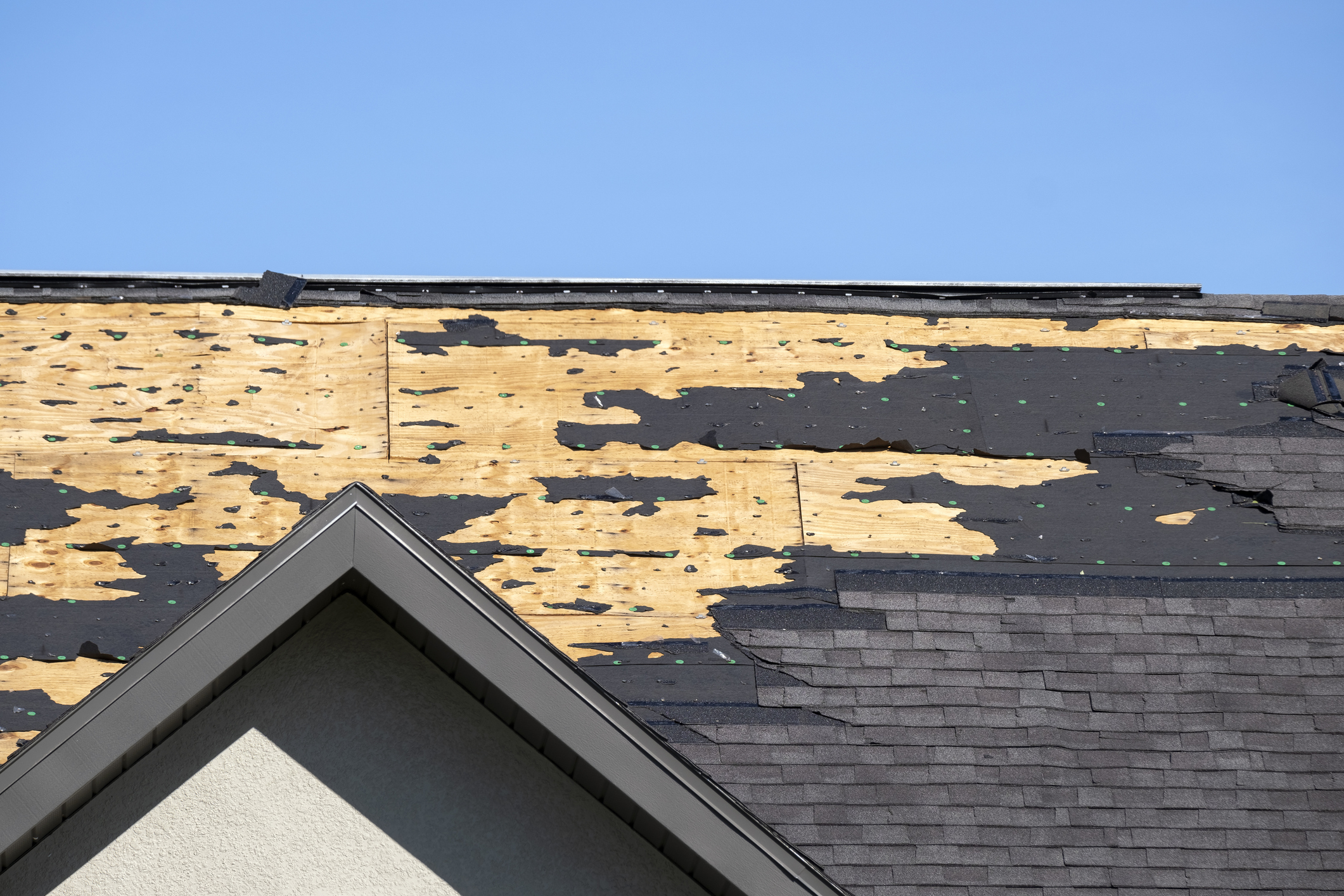
Western New York weather puts constant pressure on roofing systems. Temperature changes throughout the year cause asphalt shingles to expand and contract, which can loosen fasteners and crack sealant. Heavy snow can settle on flat roofs and older slate installations, and when that weight builds up faster than the structure was designed to handle, sagging becomes a real risk. When shingles blow off or flashing pulls away, rain finds its way under the roof deck and into the soffit, fascia board, and gutters. What starts as a small leak can turn into rot, mold, and damaged insulation if it's not stopped quickly.
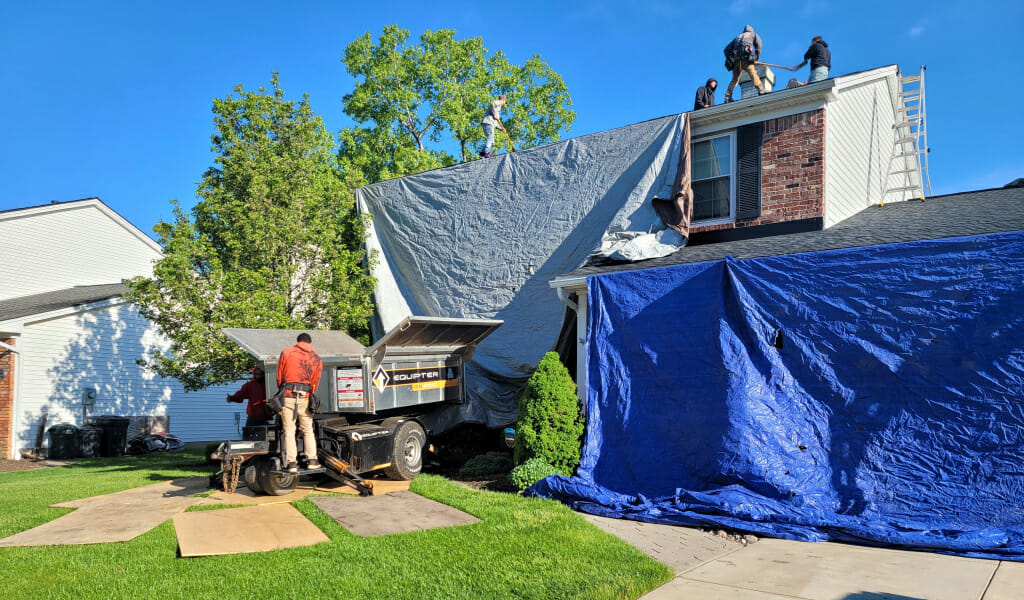
Emergency roofing protects your home when damage happens suddenly. Whether it's missing shingles after a windstorm, a tree branch that punched through the deck, or ice buildup that tore off gutters, the priority is stopping water from getting inside. OConnor Contracting responds quickly to urgent roofing problems in West Seneca, securing tarps over exposed areas, replacing damaged sections, and inspecting the surrounding structure to make sure the problem is fully contained. When roof underlayment is left exposed to UV rays and moisture, it degrades fast. Getting a professional on-site right away prevents that short-term damage from becoming a long-term repair project that affects framing, insulation, and interior finishes.
When your roof is compromised, understanding what happens next removes uncertainty. Our process moves quickly to protect your property, then shifts to permanent repairs that restore full protection.
Not every roofing problem requires an immediate response, but certain situations require fast action to prevent serious damage. Wind gusts that tear off shingles or metal panels leave underlayment exposed to rain and UV rays, which degrade protective barriers within hours. Ice dams that force water under flashing or pull gutters away from fascia boards create direct pathways into walls and ceilings. Fallen tree limbs that puncture roof decking compromise structural integrity and need to be secured before the next storm arrives.
Different roofing materials face distinct vulnerabilities during sudden bad weather. Residential asphalt shingle roofs often lose edge protection when wind lifts corners, while metal roofs can develop seam separation during rapid temperature changes. On commercial properties, EPDM and modified bitumen flat roofs struggle with ponding after heavy rain, and standing water accelerates membrane failure if drainage isn't restored quickly. Slate roofs face a cascading risk when individual tiles break loose on slopes, potentially triggering further tile displacement down the roof plane.
Poor attic ventilation amplifies damage after emergency tarping by trapping moisture against metal panels or shingle undersides during humid transitions between seasons. Building codes in Erie County require inspections following temporary stabilization to verify that anchoring methods and repairs meet wind resistance standards before permanent work begins. Recognizing these scenarios early and calling for professional help prevents minor breaches from escalating into structural repairs that involve framing, insulation, and interior finishes.
Western New York's unpredictable weather means your roof needs to hold up against sudden wind gusts, unexpected temperature shifts, and heavy precipitation that can arrive without warning. Professional emergency response protects your home from the kind of damage that spreads quickly once water or debris breaks through your first line of defense. Acting fast when a problem appears keeps repair work focused and prevents small issues from affecting your attic, insulation, and interior spaces.
OConnor Contracting brings local experience and responsive service to every emergency roofing call in West Seneca. When you need immediate help, our team is ready to secure your property and provide a complete inspection that identifies every repair your roof requires. Reach out to OConnor Contracting to get started.
Got questions about your roof? We’ve got answers. From maintenance tips to insurance claims and repair timelines, our FAQ section covers the most common concerns homeowners have. Get informed and make confident decisions about protecting your home.
Move valuables and furniture away from the affected area and place buckets under active leaks to catch water. If you can safely access your attic, check for pooling water on insulation and use towels to soak up what you can reach without stepping between joists. Avoid going onto your roof yourself, especially during wet or windy conditions, since temporary fixes without proper anchoring can cause more harm than they prevent.
Tarps are meant as short-term protection, not permanent solutions. If a tarp stays in place for weeks, trapped moisture underneath can create mold on the roof decking and degrade shingles or underlayment that were still intact. Tarps also flap in the wind if not anchored correctly, which can loosen fasteners or tear surrounding materials. We recommend scheduling permanent repairs as soon as possible after stabilization to avoid these secondary problems.
Missing shingles you can see from your driveway are usually just the visible part of the problem. Wind strong enough to tear off shingles often loosens sealant strips on surrounding rows, lifts flashing around chimneys and vents, and can crack ridge caps that won't show damage until the next rain. A professional inspection of the surface of the roof catches these hidden issues before they turn into leaks that affect your attic and ceilings.
Don’t wait – secure your home with Buffalo’s leading roofers today!

Affordable
Pricing

Locally Owned & Operated

Quality Roofing Since 2014