Don’t wait – secure your home with Buffalo’s leading roofers today!
 716-600-ROOF
×
716-600-ROOF
×
106 Hubbardston Pl, Buffalo NY
Open 24 Hours
Wales, NY sits in a part of Western New York where the weather does not go easy on roofs. Winters bring heavy lake-effect snow, sometimes several feet of accumulation, that presses down on roof structures and forces moisture into any weak point it can find. When temperatures rise during the day and drop again at night, water that melted along the surface of the roof refreezes at the eaves, forming ice dams that back up under shingles and cause leaks that are often invisible until the damage is already done. Summer brings its own set of problems: UV exposure breaks down asphalt shingles over time, and humidity encourages moss and algae growth that traps moisture and speeds up deterioration. For homeowners in Wales, a roof is not something you can put off thinking about.
A proper residential roof replacement addresses all of this at once. It’s not just about swapping out old shingles. It means replacing the roof decking if it has rotted, installing self-adhering ice and water shield along the eaves, and making sure attic ventilation is working correctly so heat does not build up and create the conditions for ice dams in the first place. OConnor Contracting works in this market and understands what roofs in Erie County actually go through season to season. That local knowledge shapes every replacement project from the materials selected to the details of how the job gets done.
A roof replacement involves several important stages, and understanding how the process works helps you feel prepared before work begins. OConnor Contracting focuses on evaluating the existing roof, planning the right solution, and completing the installation with attention to the details that matter.
There are details specific to this area that shape how a roof replacement gets planned and priced. Understanding them ahead of time helps you set realistic expectations and avoid surprises once the work begins.
| Factor | What It Means for Your Project |
|---|---|
| Tear-off vs. overlay | Older homes in Wales commonly have multiple shingle layers already in place. Local building standards generally restrict structures to two layers maximum, which often makes a full tear-off the only option rather than laying new shingles over old ones. |
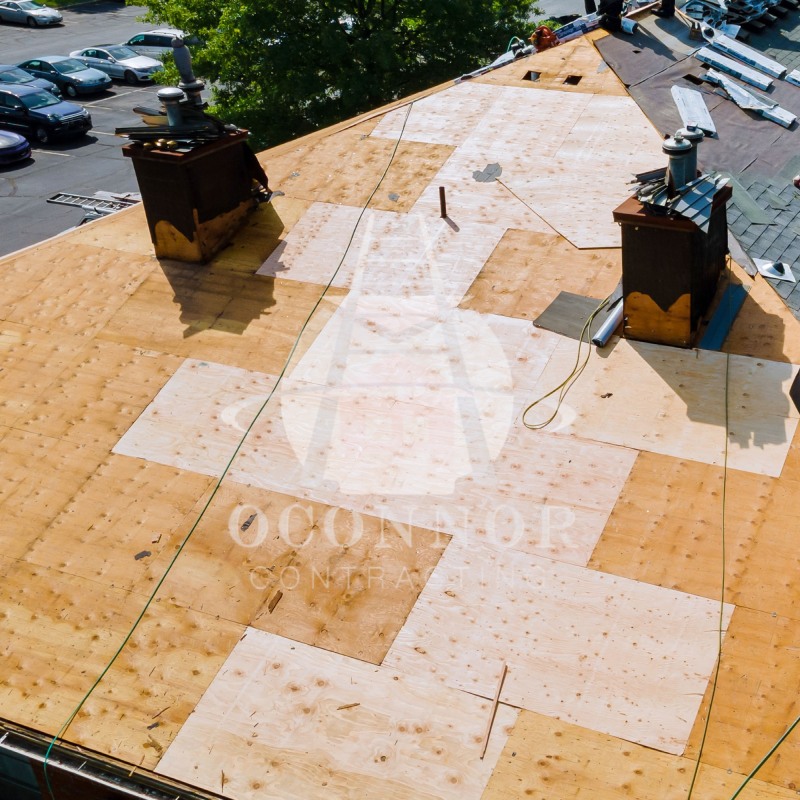
| Hidden roof deck rot | Ice dams and long-term moisture exposure frequently leave roof decking with rot that only becomes visible after tear-off. Setting aside 10% to 15% of your budget for roof deck repairs reduces the chance of unexpected costs mid-project. |
| Flashing around chimneys and skylights | Repeated temperature changes in this region expand and contract metal flashing faster than in more stable climates, making flashing failures one of the most common sources of leaks on older Wales roofs. |
| Attic ventilation | Proper soffit and ridge venting does more than regulate temperature. In Wales summers, it actively reduces the condensation that feeds moss and algae growth on asphalt shingles. |
| When to replace versus repair | Roofs over 20 years old with recurring ice dam problems each winter are typically showing systemic insulation and ventilation failures. At that point, repeated repairs rarely solve the underlying issue. |
Knowing these factors before your project starts puts you in a much better position to make decisions confidently and keep the job on track.
New York code requires self-adhering ice and water shield to extend at least 24 to 36 inches past the interior wall line along every eave. This membrane is your primary defense against water that backs up behind ice dams and works its way under shingles during hard freezes.
Not every roofing material holds up the same way against lake-effect snow and nor'easter wind uplift. OConnor Contracting helps you choose between asphalt shingles and metal roofing based on your budget, your home's structure, and how long you want the new roof to last in this specific climate.
Homes in Wales and the surrounding Erie County area need to support anywhere from 20 to 55 pounds per square foot depending on elevation and location. Before new materials go down, we confirm your roof structure is up to the demand so you are not left with a weight problem the next time a heavy snowstorm rolls through.
A new roof performs best when the attic beneath it’s properly insulated. Northern climates like Wales call for insulation reaching at least R-38, and if yours falls short, we flag it so you can address it before ice dams become a problem again next winter.
Western New York winters are hard on homes, and your roof takes the worst of it year after year. A full replacement gives your home a clean starting point, one where the roof decking is sound, the flashing is sealed, and the materials are matched to what this region actually throws at a roof. That kind of work protects your home's value and keeps small problems from turning into expensive repairs down the road.
If you have been putting off a roof inspection or just want to understand where your current roof stands, OConnor Contracting serves the Wales area and is a straightforward call or message away. There is no pressure and no commitment required to get started. Reach out when you are ready, and we will take it from there.
Got questions about your roof? We’ve got answers. From maintenance tips to insurance claims and repair timelines, our FAQ section covers the most common concerns homeowners have. Get informed and make confident decisions about protecting your home.
Yes, and it matters more than most homeowners expect. Wales sits in a zone where lake-effect storms can drop heavy snow quickly and unpredictably, so OConnor Contracting monitors forecasts closely and schedules replacements during dry windows in late spring or early fall when crews can complete the job without weather interruptions. Rushing an installation around incoming snow risks improper sealing of materials that need time to set correctly. Getting the timing right is just as important as the materials going down.
Both layers come off completely before anything new goes down. This is not just a code requirement. It’s the only way to get a clear look at your roof decking and find any rot or soft spots that built up over the years underneath. Skipping a full tear-off on a two-layer roof hides problems that will show up again later, often faster than you would expect. Once the roof deck is exposed and any damaged sections are replaced, the new installation starts on a solid foundation.
In Wales, poor attic ventilation is one of the fastest ways to shorten a new roof's lifespan. Without proper airflow through soffit and ridge vents, warm air trapped in the attic during winter speeds up snowmelt on the surface of the roof, which is exactly what creates the conditions for ice dam formation. During summer, that same trapped heat and humidity feeds moss and algae growth that breaks down shingles from the surface. A new roof paired with inadequate ventilation will wear out well before it should.
Don’t wait – secure your home with Buffalo’s leading roofers today!

Affordable
Pricing

Locally Owned & Operated

Quality Roofing Since 2014