Don’t wait – secure your home with Buffalo’s leading roofers today!
 716-600-ROOF
×
106 Hubbardston Pl, Buffalo NY
Open 24 Hours
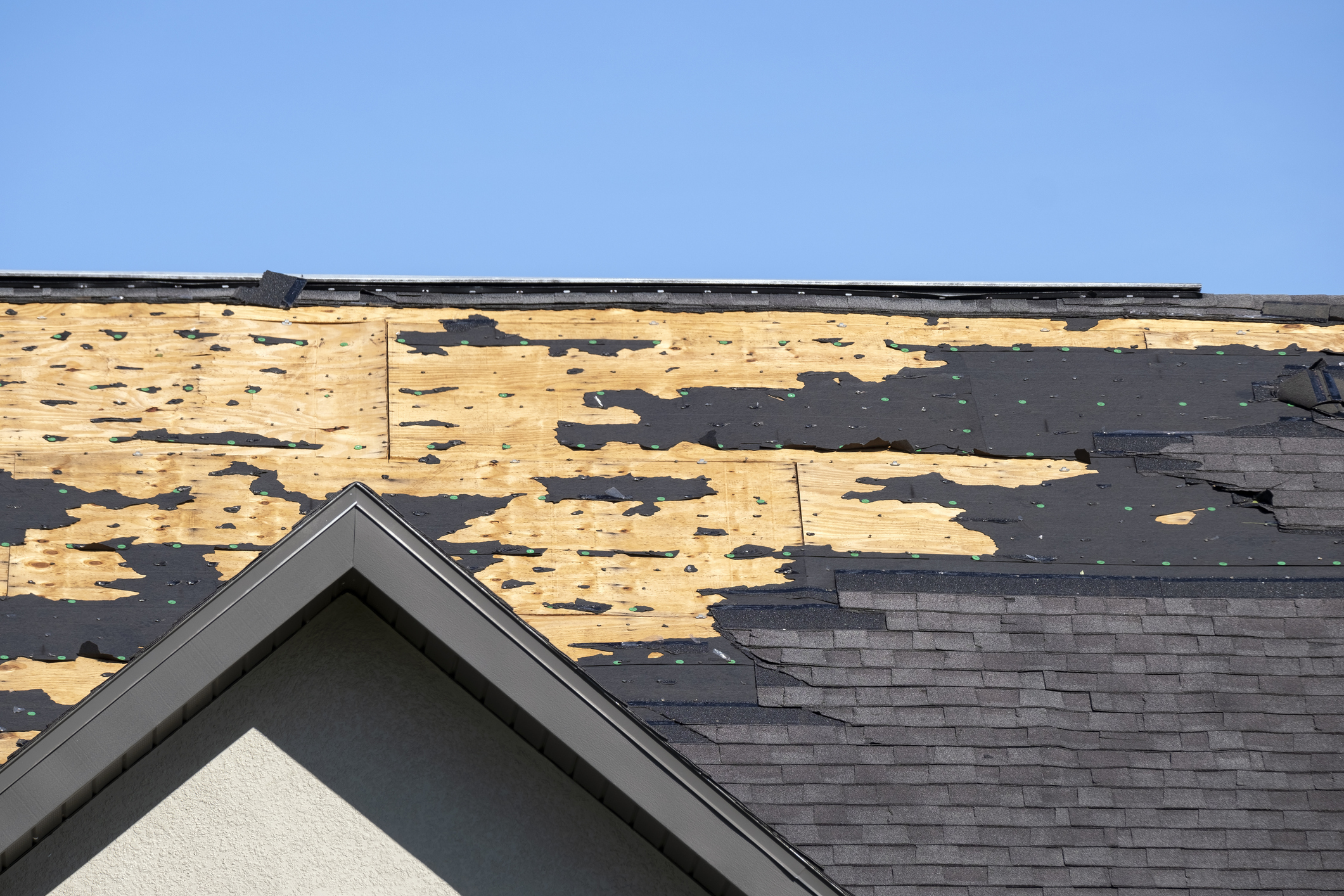
Newstead sits in one of the snowiest counties in New York, where annual snowfall can top 100 inches and lake-effect storms can dump heavy, wet snow with little warning. That kind of weather puts real pressure on your roof. Temperature changes through late winter and early spring cause snow to melt and refreeze, forcing water under shingles and around flashing before you even notice a problem inside. Older homes in the area often have roofs with worn shingles or aging flashing that are closer to the end of their service life, which means a bad storm does not need to be a “Once In A Lifetime” event to cause serious damage. When a roof fails, water moves fast through attics, insulation, ceilings, and wall cavities, so waiting is rarely a neutral choice.
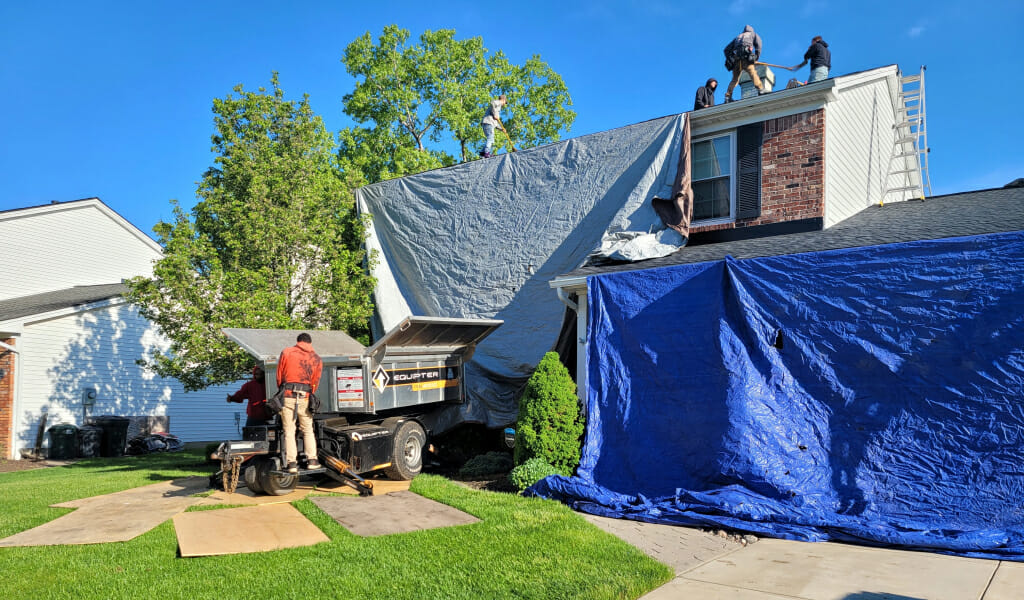
That is where emergency roofing service becomes less about panic and more about stopping the problem before it spreads. OConnor Contracting works with homeowners across Newstead to respond quickly, whether that means securing a temporary tarp, tracing an active leak to its source, or completing repairs to shingles, flashing, or roof edges that took damage in a storm. The goal at that first call is to protect your home from further damage while giving you a clear picture of what the roof actually needs.
Because roof repair work in Newstead may fall under local permit review, even for single-family homes, it helps to work with a contractor who understands how that process fits into an urgent repair situation and can keep the work moving in the right direction from the start.
When a roof failure allows water into your home, the immediate priority is limiting further damage while determining the cause. OConnor Contracting addresses the urgent condition first, then develops the permanent repair around what the roof actually needs.
Most emergency roof calls in Newstead trace back to a handful of predictable failure points. Knowing where roofs tend to break down can help you spot trouble early and understand what a repair crew will focus on when they arrive.
| Issue Type | Common Cause | What It Affects |
|---|---|---|
| Shingle blow-off | High winds, aging adhesion | Exposed roof deck, attic, ceilings |
| Ice dam leaks | Repeated temperature changes at roof edges | Shingles, flashing, insulation, interior walls |
| Flashing failure | Worn seals around chimneys, vents, and valleys | Gaps, wall cavities |
| Heavy snow stress | Wet snow accumulation on flat or low-slope sections | Roof structure, roof decking, interior ceilings |
| Valley and gutter damage | Ice buildup, debris, standing water | Roof edges, fascia boards, interior leak paths |
For homeowners in Newstead, the late winter and early spring window deserves particular attention. When snow begins melting during the day and refreezing overnight, water can work its way under shingles and around flashing before any visible damage shows up inside. Catching these issues early keeps a localized repair from turning into a much larger project, and it keeps your home protected through the rest of the season.
When active water entry is the immediate problem, getting a secure tarp in place over the damaged area protects everything underneath while permanent repairs are arranged. This is especially important during Newstead winters, where exposed roof decking can take on moisture quickly if a shingle blow-off or flashing failure goes uncovered even for a short period.
Beyond the visible surface, emergency repairs include checking the roof deck and underlayment for moisture damage, soft spots, or deterioration that could affect how well new materials bond and hold. On older Newstead homes especially, what looks like a surface-level repair can sometimes reveal roof decking that needs attention before the job is done right.
Chimneys, vent pipes, skylights, and roof valleys are common entry points for water after a storm or temperature swing. Emergency roofing service includes resealing these gaps and seams with materials suited to the conditions, so your home is not left with hidden gaps that will cause problems again at the next freeze or heavy rain.
High winds and heavy wet snow often cause damage at the roof edge that is easy to miss from the ground but allows water to back up under shingles and into your fascia boards. Checking the drip edge, gutters, and soffit area as part of the emergency visit helps catch these problems before they work their way into your attic or walls.
Newstead winters are hard on roofs, and even homes that have held up well for years can develop urgent problems when conditions shift fast. Wet snow, refreezing nights, and worn flashing do not give much warning before water starts moving into your attic or ceiling. Acting quickly on an emergency repair protects what is already in good shape and keeps a localized failure from spreading into the structure around it, which is where costs grow fast.
OConnor Contracting serves homeowners throughout the Newstead area and is here when you need someone to respond, inspect the damage honestly, and get your roof stabilized without overcomplicating the process. If you are dealing with an active leak, missing shingles, or anything that has you worried about what your roof is doing right now, reach out, and we will walk through it with you.
Got questions about your roof? We’ve got answers. From maintenance tips to insurance claims and repair timelines, our FAQ section covers the most common concerns homeowners have. Get informed and make confident decisions about protecting your home.
Temporary stabilization like tarping is typically handled right away without waiting on paperwork, but permanent repair work in Newstead may still fall under local permit review depending on the job’s scale. Your contractor should be able to tell you early on whether your repair triggers that requirement so nothing stalls mid-project. Getting ahead of that step keeps the work moving and avoids surprises after the tarps come off.
Wet, heavy snow puts a lot more stress on your roof structure than dry powder, and the real risk often comes after the storm when that snow starts melting and refreezing at the edges. That repeated cycle can push water under shingles and around flashing well before you see any signs inside your home. If snow has been sitting on your roof for more than a few days, it is worth having a contractor take a look at the edges and valleys once conditions allow safe access.
Age is only one factor in roof performance. Even a relatively newer roof can develop problems if a previous repair was done with the wrong materials, flashing was not sealed correctly around a chimney or vent, or a storm exposed a weak seam that was never quite right. In Newstead, the combination of wind, heavy wet snow, and rapid temperature changes can accelerate failure at any vulnerable point regardless of how old the roof is. A targeted inspection after a storm will usually tell you quickly whether you are looking at an installation issue, a storm-related failure, or something in between.
Don’t wait – secure your home with Buffalo’s leading roofers today!

Affordable
Pricing

Locally Owned & Operated

Quality Roofing Since 2014

