
Don’t wait – secure your home with Buffalo’s leading roofers today!
 716-600-ROOF
×
716-600-ROOF
×
106 Hubbardston Pl, Buffalo NY
Open 24 Hours
Marilla winters are no joke. With over 100 inches of snow in an average year and January temperatures that can drop into the teens, your roof takes a beating that most parts of the country never see. That kind of weather puts real stress on shingles, flashing, and roof decking year after year. Add in the spring and summer rain, and you have a climate that shortens roof life faster than homeowners expect. A roof that might last 25 or 30 years in a milder region often shows serious wear here well before that, making it important to stay ahead of the problem before small issues turn into expensive repairs inside your home.
A full roof replacement done right addresses all of that at once. New underlayment, proper ice and water shield along the eaves and valleys, and quality shingles installed during the right season give your home the protection it needs to handle whatever Erie County winters bring. OConnor Contracting works with homeowners across Marilla and the surrounding area, and this market is something the team knows well. From understanding local code requirements to timing installations around Western New York weather patterns, the work is handled with the care your home deserves. If your roof is getting up in years, this is a good time to take a closer look at where things stand.
Many homeowners hesitate to start a roofing project because they are unsure what the process involves. A clear understanding of each stage helps you know what to expect from the initial evaluation through the completed installation.
Timing your roof replacement in Marilla takes more planning than most homeowners realize. Between weather delays, material requirements, and contractor availability, the season you choose has a real effect on how smoothly the job goes. Here is a quick breakdown to help you plan.
| Season | Conditions | Planning Notes |
|---|---|---|
| Spring | Temperatures warming but unpredictable; frequent rain can pause work | Good option if scheduled early: allow extra buffer for weather delays |
| Summer | Warm and stable, good for adhesive activation; high humidity slows material handling | Peak demand season: expect 6 to 8 weeks of lead time when booking |
| Fall (Sept to Oct) | Clear skies and moderate temperatures ideal for proper sealing | Best overall window: book early as availability fills quickly |
| Winter | Cold temperatures prevent shingle adhesives from activating without manual sealing | Limited install window: not recommended unless necessary |
Fall is the sweet spot for most Marilla homeowners. Temperatures tend to sit in a range that allows shingles to seal correctly, rain is less frequent than spring, and contractor schedules, while still busy, are more manageable than summer. Whatever season works for your situation, the key is booking early so your project does not get pushed into weather conditions that create complications.
In Marilla, local building codes require ice and water shield underlayment along the eaves and in the roof valleys, and for good reason. This self-adhering layer is your home's primary defense against ice dams, which form when snowmelt refreezes at the roofline and forces water back under your shingles.
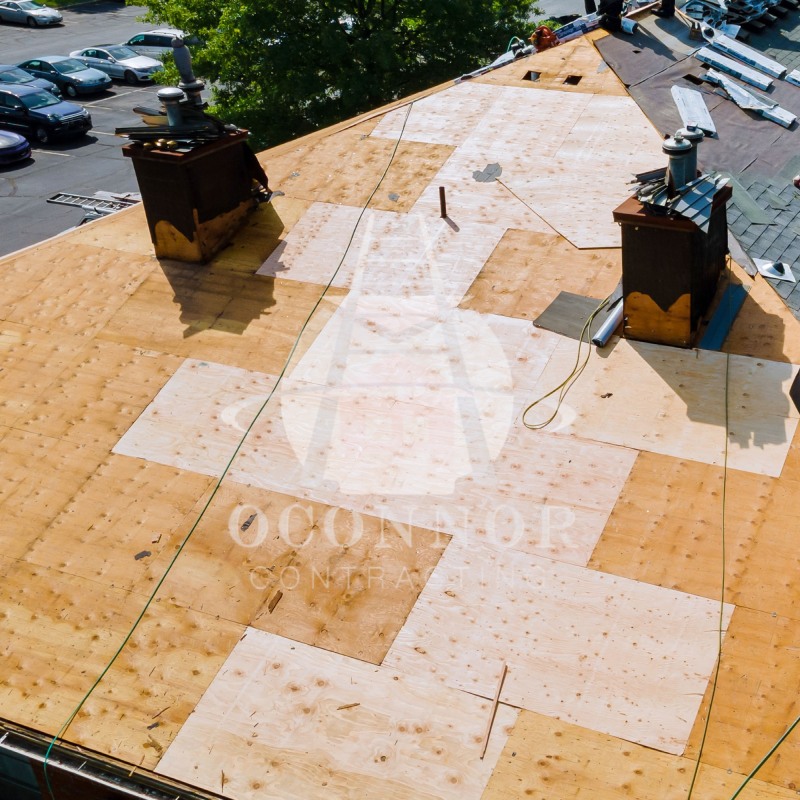
Once the old roofing material is removed, every section of your roof deck gets a close look for rot, soft spots, or moisture damage before anything new goes down. Any compromised roof decking is replaced at this stage, because installing new shingles over damaged wood shortens the life of your roof and creates hidden problems that get expensive fast.
Flashing is the metal that seals the joints where your roof meets vertical surfaces like chimneys, skylights, and plumbing vents. In a heavy-snow climate like Marilla, improperly installed or deteriorated flashing is one of the most common sources of leaks, so every transition point gets careful attention during the replacement.
A new roof is also an opportunity to make sure your attic ventilation is working the way it should. Good airflow under your roof deck reduces heat buildup in summer, helps prevent ice dam formation in winter, and extends the life of your new shingles by keeping temperatures more consistent year-round.
Marilla's winters are hard on roofs in ways that add up quietly over time. Heavy snowfall, repeated temperature changes, and months of moisture exposure all take a toll, and a roof that looks fine from the street can be hiding real problems underneath. Getting ahead of that wear protects your home, helps you avoid expensive surprises, and keeps your property in good shape for years to come. If your roof is approaching or past the 15-year mark, now is a good time to find out where things actually stand.
OConnor Contracting is familiar with what roofs in this area go through and what it takes to replace one correctly. Whether you are planning for a fall installation or trying to figure out the right timing for your situation, the team is happy to walk you through your options without any pressure. We serve homeowners throughout Marilla and the surrounding communities, so reach out when you are ready, and we will take it from there.
Got questions about your roof? We’ve got answers. From maintenance tips to insurance claims and repair timelines, our FAQ section covers the most common concerns homeowners have. Get informed and make confident decisions about protecting your home.
Marilla gets enough annual rainfall that roof decking often holds more moisture than it looks like from the surface. Installing new shingles over damp wood traps that moisture underneath, which leads to rot and mold that can spread before you ever notice a problem inside your home. Depending on how saturated the wood is and what the weather is doing, drying time can add 2 to 3 days to your project timeline. It’s not a delay worth rushing past.
Asphalt shingles rely on a heat-activated adhesive strip to bond to the shingle below them, and that process needs sustained temperatures above 40 degrees Fahrenheit to work correctly. If shingles go down in cold weather and that seal never activates, wind can get underneath them and lift the tabs, which creates leak points along the entire surface of the roof. In those situations, crews have to hand-seal each shingle individually, which adds time to the job. This is one of the main reasons fall installation windows in Western New York fill up so fast.
Using a roof rake to pull snow back from the eaves after heavy storms is a good habit, especially on older structures, but a properly installed new roof with the correct ice and water shield along the eaves is built to handle what Marilla winters typically deliver. The more important thing is making sure your attic ventilation is working correctly after the replacement, because poor airflow is what causes the heat buildup that leads to ice dam formation in the first place. Your contractor should walk you through what was done with ventilation before leaving the job so you know what to expect that first winter.
Don’t wait – secure your home with Buffalo’s leading roofers today!

Affordable
Pricing

Locally Owned & Operated

Quality Roofing Since 2014