Don’t wait – secure your home with Buffalo’s leading roofers today!
 716-600-ROOF
×
106 Hubbardston Pl, Buffalo NY
Open 24 Hours
Marilla gets hit hard by winter. Between lake-effect snow bands that can dump a foot or more in a matter of hours, repeated temperature changes that push water up under shingles and flashing, and rain mixing with snow during shoulder months, roofs in this part of Erie County take a beating. Most homes here were built decades ago, and older shingles, worn flashing, and aging roof gaps don't hold up well under that kind of repeated stress. When a storm moves through and your ceiling starts showing water, the problem usually didn't start that day. It was waiting for the right conditions to show itself.
That's where fast, experienced emergency roofing service matters. OConnor Contracting works in Marilla and the surrounding area, responding to storm damage, active leaks, wind-lifted shingles, and ice-dam-related entry points that can't wait for a scheduled appointment. When a roof is letting water in during a January thaw or after a heavy snow squall, the goal is to stop the damage quickly and protect the rest of your home from getting worse. Temporary containment and targeted repairs can make a real difference in how much damage you're dealing with once conditions settle. Having a local crew that knows how southern Erie County winters behave, and what they do to roofs, means you're not waiting on someone learning the situation from scratch.
Winter roof leaks require a different priority than routine repairs because snow, ice, and unsafe conditions can affect when permanent work can be performed. OConnor Contracting focuses first on controlling water entry, then evaluates the roof for the appropriate repair.
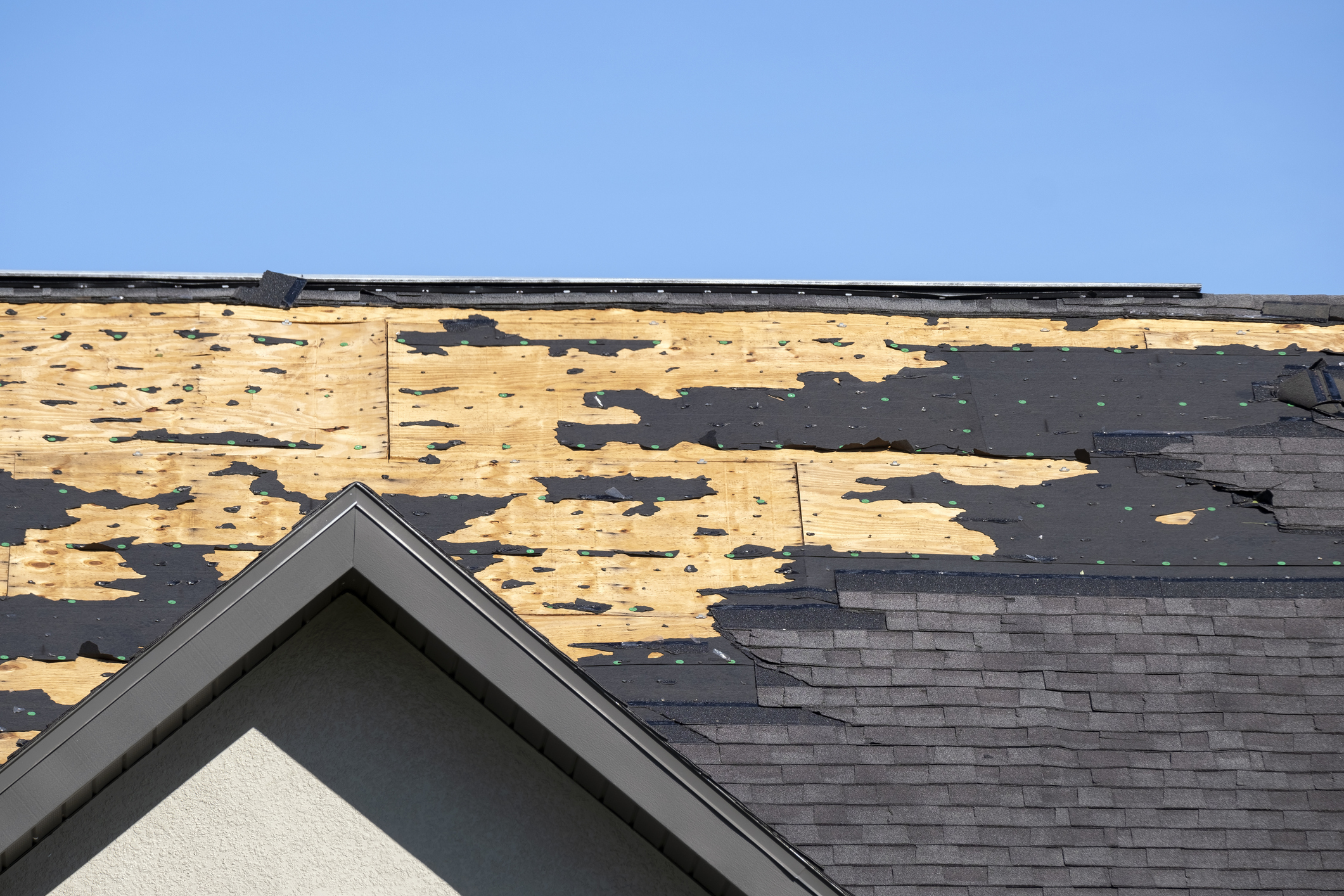
Marilla's winters don't ease up, and your roof absorbs most of that punishment. Knowing what types of damage typically trigger an emergency call can help you recognize a problem faster and understand what a repair crew is likely dealing with when they arrive.
| Damage Type | Common Cause | Typical Urgency |
|---|---|---|
| Wind-lifted shingles | Gusts during snow squalls or mixed storms loosen aged shingles | High: open areas allow water in quickly |
| Ice dam leaks | Snow melting at the roof deck and refreezing at the eaves, backing water under shingles | High: gets worse fast during thaw periods |
| Flashing failure | Repeated temperature changes pulling flashing away from chimneys, vents, or valleys | Moderate to high: depending on location |
| Roof gap leaks | Seals around pipes and vents cracking under prolonged winter stress | Moderate: often hidden until interior damage appears |
| Shingle cracking or splitting | Aging materials failing under heavy snow accumulation and temperature swings | Moderate to high: on older homes |
Older homes in Marilla tend to have multiple wear points that can fail at the same time when a hard winter pushes them past their limit. Catching even one of these issues early, before water has time to work its way deeper, keeps the repair focused and the damage manageable.
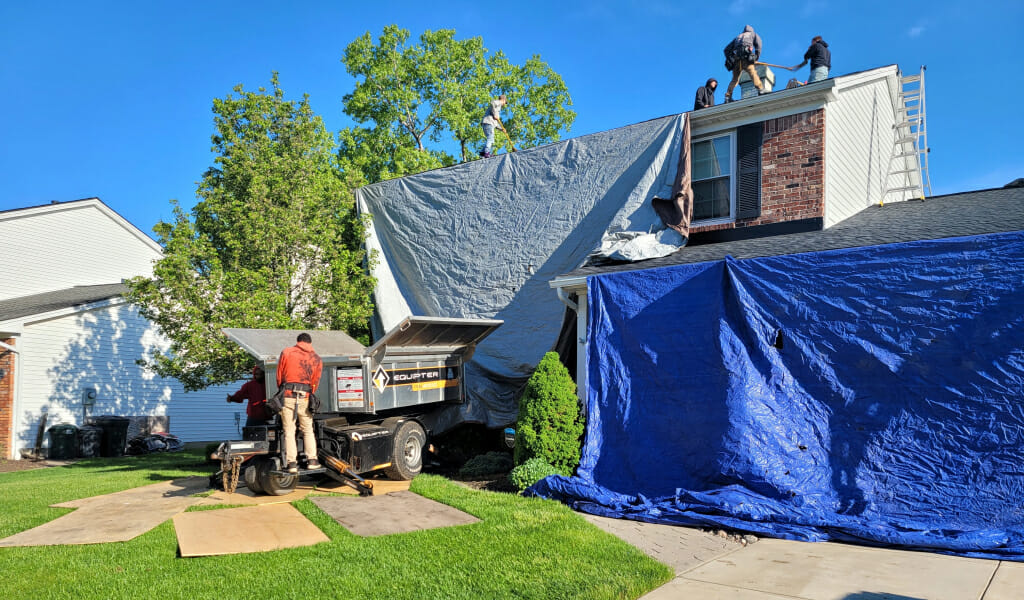
When shingles are missing or a section of roof is exposed after a storm, heavy-duty tarping keeps water out until permanent repairs can be made. This is especially important after sudden lake-effect storms in Marilla, where the next round of snow or rain may be only hours away.
Ice dams are one of the most common emergency triggers for homes in southern Erie County, and addressing them means more than just patching where water shows up inside. Clearing the dam and sealing the entry point together stops the source rather than just the symptom.
Pipes, vents, chimneys, and valleys are the spots that tend to give out first on older Marilla homes under heavy winter stress. Resealing or reseating these areas during an emergency visit prevents water from continuing to work its way into the roof structure after the storm passes.
With snowfall totals that can reach well over 100 inches in a season, excessive accumulation can put real stress on older roof decking and framing. During an emergency visit, the crew looks for signs of that strain so you know if there's more going on beneath the surface than just a shingle or flashing issue.
Winters in this part of Erie County are hard on roofs, and older homes carry more risk because the wear is already there before the season starts. When heavy snow, blowing winds, or a stretch of warming temperatures reveals a leak, acting quickly is what keeps a focused repair from turning into a much larger project. The sooner water entry is stopped, the less damage makes it into your ceilings, walls, and living space below.
OConnor Contracting is local to this area and understands how southern Erie County winters behave and what they do to roofs over time. If you're dealing with an active leak, a lifted shingle, or something that just doesn't look right after a storm, reaching out sooner rather than later is always the right call. The team is ready to help you understand what's happening and get it taken care of.
Got questions about your roof? We’ve got answers. From maintenance tips to insurance claims and repair timelines, our FAQ section covers the most common concerns homeowners have. Get informed and make confident decisions about protecting your home.
Repairs can be made in winter conditions, though the approach depends on what's happening with your roof and the weather at the time. Temporary stabilization, tarping, and targeted sealing can all be done during cold weather to stop active water entry right away. Permanent repairs follow once conditions allow materials to set properly, but you won't be left waiting with an open leak.
It does, and it's something a crew will factor in from the start. Older roofs often have brittle shingles, dried-out flashing, and roof decking that may have absorbed moisture over decades, which means surrounding areas need a closer look even when only one spot appears to be failing. What starts as a single entry point on an older roof can sometimes involve more wear nearby than the initial damage suggests.
The location of the water inside your home is usually the first clue. Ice dam leaks tend to show up near exterior walls, around windows, or along the lower sections of a ceiling close to the eaves, because that's where backed-up water finds a path in. Leaks near a chimney, vent, or the center of a ceiling more often point to flashing failure or a cracked roof gap seal. A crew can trace the source during the inspection and tell you exactly what you're dealing with.
Don’t wait – secure your home with Buffalo’s leading roofers today!

Affordable
Pricing

Locally Owned & Operated

Quality Roofing Since 2014

