Don’t wait – secure your home with Buffalo’s leading roofers today!
 716-600-ROOF
×
716-600-ROOF
×
106 Hubbardston Pl, Buffalo NY
Open 24 Hours
Grand Island sits in the heart of western New York, where lake-influenced weather puts residential roofs through a serious annual workout. Winters here bring heavy snow, strong winds, and the kind of repeated temperature changes that quietly work against shingles, flashing, and sealants all season long. By the time spring arrives, what started as a small gap around a vent or a few lifted shingles can already be letting water into your attic or wall cavities. That pattern plays out on homes across the island every year, and the repairs tend to be more involved when the damage has had time to spread.
OConnor Contracting works with homeowners in Grand Island and across the broader Erie and Niagara County area on exactly these kinds of residential roof repairs, from missing or curled shingles and failing flashing to leaks traced back to damaged metal roofing panels or compromised seals around skylights and roof gaps. The work is rooted in understanding how this region's weather actually affects a roof, not just what the damage looks like from the ground.
Protecting your home here means staying ahead of the conditions, and that starts with knowing what to look for after a hard winter or a stretch of strong wind. A roof that looks fine from the street can still have vulnerabilities that show up the next time it rains.
Roof issues are easier to manage when the process is laid out clearly from the beginning. Here is how OConnor Contracting handles roof repair work from the initial visit through completion.
Western New York winters are hard on residential roofs, and Grand Island homeowners often discover damage in spring that developed quietly over months of snow, wind, and repeated temperature changes. Knowing what typically fails, and why, helps you catch problems before they reach your attic or interior walls.
| Common Issue | Likely Cause | Repair Priority |
|---|---|---|
| Missing or curled shingles | Wind uplift, aging materials, ice-related stress | High: exposed deck invites leaks |
| Flashing leaks around vents or skylights | Sealant breakdown after temperature changes | High: water paths form quickly |
| Metal panel leaks or rust | Long-term moisture exposure, panel seam wear | Moderate to high: gets worse with snowmelt |
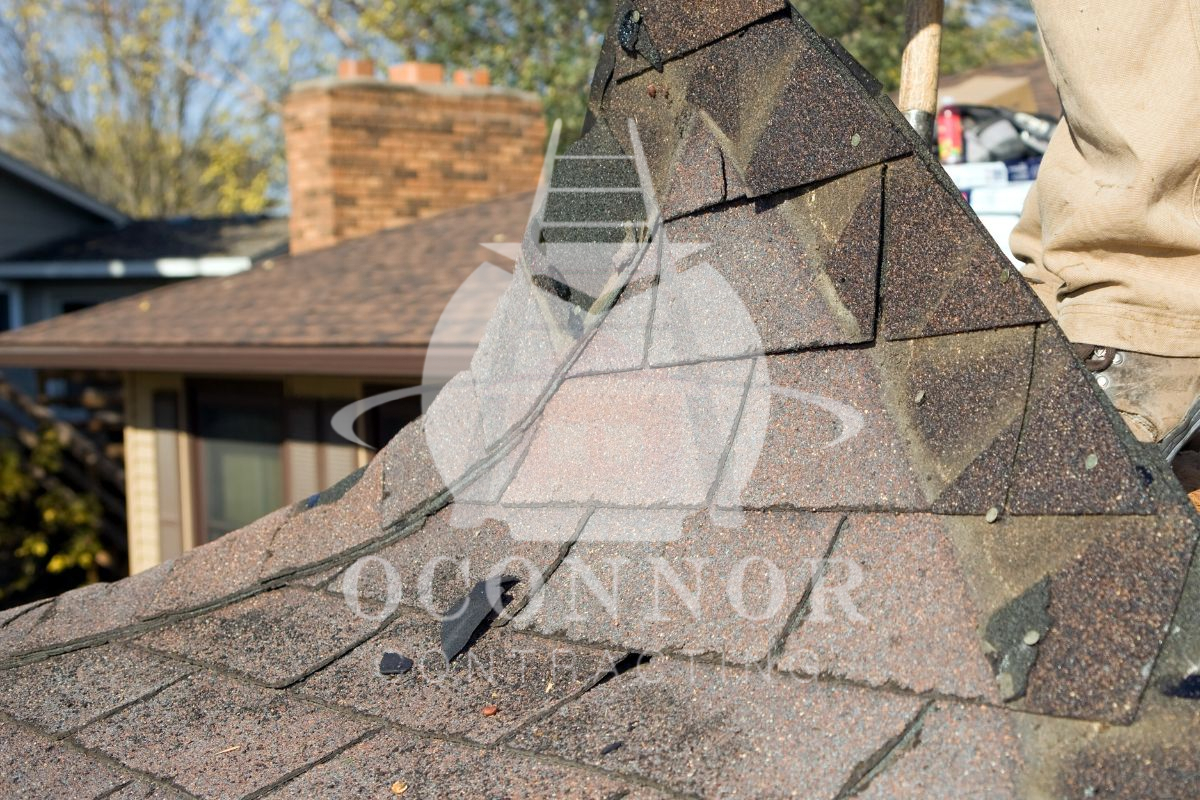
| Damaged or lifted ridge cap | Wind exposure at roof peaks | Moderate: vulnerable spot for water entry |
| Soft spots or interior staining | Hidden leaks from repeated freeze and thaw cycles | Urgent: may indicate deck damage below |
A post-winter inspection is one of the most useful things a Grand Island homeowner can do each spring. Damage that looks minor on the surface can point to something larger underneath, and catching it early keeps the repair straightforward rather than structural.
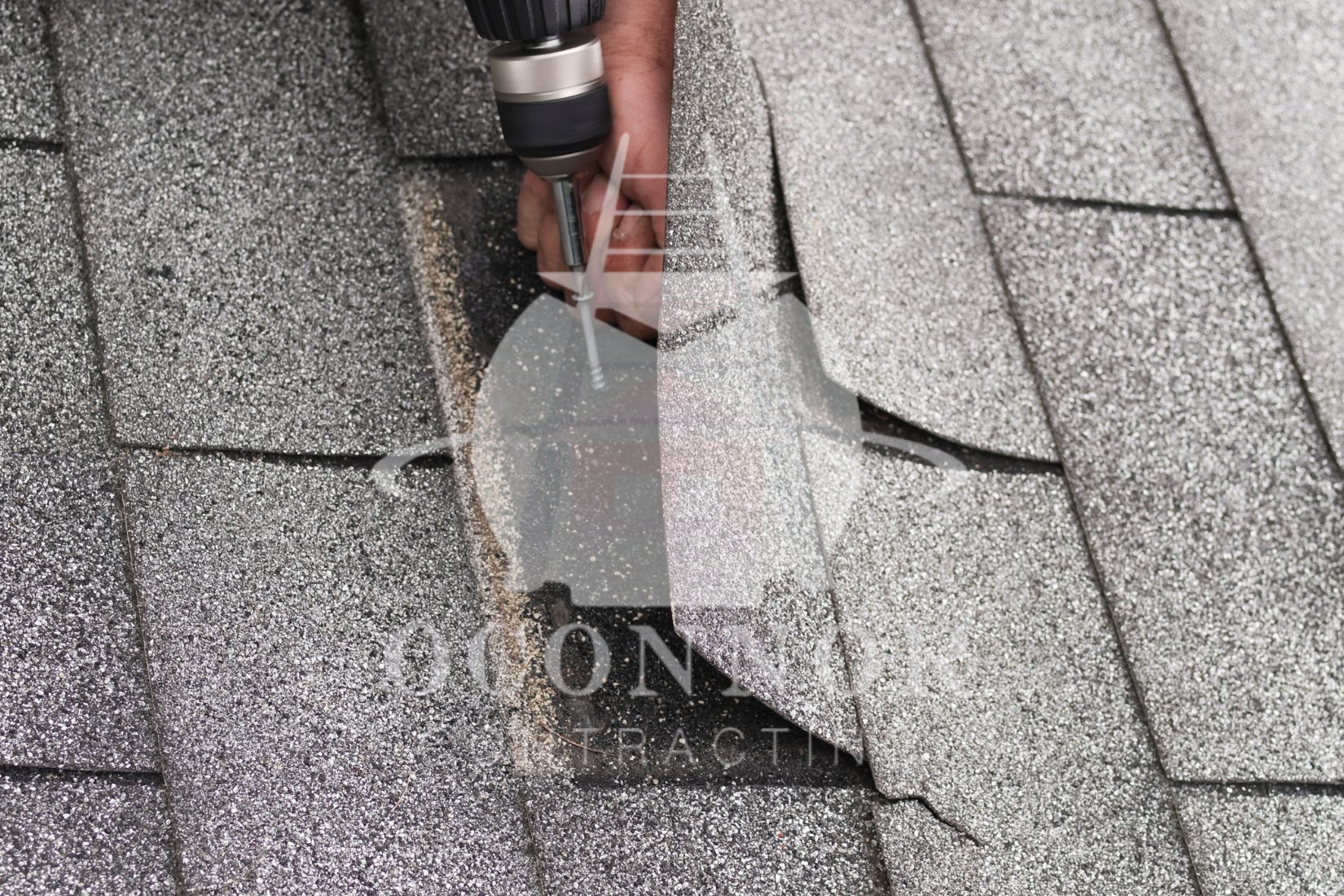
Residential roof repair covers more than swapping out a few visible shingles. When shingles are missing or damaged, we also check the underlayment and roof decking beneath them for moisture damage, because soft or compromised roof decking needs to be addressed at the same time, or the new shingles won't hold the way they should.
Flashing around chimneys, vents, skylights, and roof-to-wall transitions is one of the most common places leaks develop on Grand Island homes, especially after winters with heavy snow and repeated temperature swings. We reseal or replace flashing as needed to close off those entry points completely, not just patch over them temporarily.
For homes with metal roofing, we address issues like rusted panels, failing seams, and fastener wear that allow water to work its way in over time. Metal roofs are durable, but they do need targeted repair work to stay watertight, particularly in a region where moisture exposure and wind are constant factors through much of the year.
A repaired roof still needs proper drainage to do its job. If your gutters are pulling away from the fascia board, clogged, or pitched incorrectly, water can back up along the roofline and undo a repair faster than the next storm. We note any drainage issues we spot during the repair, so you have a clear picture of your roof's full weatherproofing condition.
Roofs in this part of western New York take a steady beating through the colder months, and the effects tend to show up gradually rather than all at once. A shingle that shifted during a windy stretch, a flashing seal that softened after snowmelt, a metal panel seam that has slowly worked loose over several seasons. None of those feels urgent until water finds its way inside. Getting repairs handled before that point is simply the more practical choice for your home and your budget.
OConnor Contracting is ready to help Grand Island homeowners figure out exactly what their roof needs, whether that is a targeted shingle repair, reflashing around a vent or skylight, or work on a metal panel that has been showing wear. Spring is a natural time to take a closer look at everything winter left behind. Reach out when you are ready, and we will take it from there.
Got questions about your roof? We’ve got answers. From maintenance tips to insurance claims and repair timelines, our FAQ section covers the most common concerns homeowners have. Get informed and make confident decisions about protecting your home.
Water does not always travel in a straight line. When moisture gets past a failed shingle or a cracked flashing seal, it can move along the underlayment or roof decking for weeks before it finally shows up as a stain on your ceiling or a soft spot in your attic. In western New York, snowmelt creates slow, sustained moisture exposure that accelerates this pattern, which is why spring leaks often trace back to damage that formed in December or January.
Yes, and wind direction plays a bigger role here than many homeowners realize. Homes on Grand Island are exposed to sustained wind off Lake Erie and Lake Ontario, which puts consistent pressure on ridge caps, rake edges, and any flashing that has started to lift or loosen. Those are the spots that tend to fail first in this area, often before the rest of the roof shows any visible wear at all.
The quality of a repair comes down to what happens below the surface, not just how it looks when the crew leaves. Properly set flashing, correctly nailed shingles with sound underlayment beneath them, and fully sealed gaps are what carry a repair through repeated temperature changes and heavy snow. A repair that skips any of those steps may look identical from the outside, but will show its weakness the first time conditions get serious.
Don’t wait – secure your home with Buffalo’s leading roofers today!

Affordable
Pricing

Locally Owned & Operated

Quality Roofing Since 2014