Don’t wait – secure your home with Buffalo’s leading roofers today!
 716-600-ROOF
×
716-600-ROOF
×
106 Hubbardston Pl, Buffalo NY
Open 24 Hours
Grand Island sits between Buffalo and Niagara Falls, right in the path of some of western New York's most punishing weather. Lake-effect snow, high winds, and repeated temperature changes through winter and early spring put serious stress on roofing systems year after year. When a shingle lifts, flashing separates, or a seam gives way during a storm, water does not wait. It finds the opening, moves into the underlayment, soaks through insulation, and shows up as a stain on your ceiling or a drip in your attic before you even realize there is a problem. In a residential area like Grand Island, where families are living in these homes every day, that kind of interior damage is not just inconvenient. It can spread fast and get expensive if the roof is not addressed quickly.
That is where OConnor Contracting comes in. We work in this market, we understand what these roofs go through, and we respond quickly because waiting even a few hours during an active leak can make a manageable situation much worse. Whether you have missing shingles after a windstorm, a damaged flashing around your chimney or vents, or a low-slope roof with standing water backing up from blocked drainage, our team can get to your home, inspect the damage, and get the roof protected right away.
When a roof failure happens suddenly, the priority is clarity and immediate control of the situation. Here is how OConnor Contracting manages emergency roofing calls from arrival through completion.
Not every roof problem looks dramatic at first. In this part of western New York, some of the most damaging situations start as something easy to dismiss, a small water spot, a lifted shingle edge, a drip that only happens during a thaw. Knowing what actually warrants an emergency call can help you act before the damage spreads into your attic, insulation, or top-floor ceilings.
| Warning Sign | What It Likely Means | Why It Needs Fast Attention |
|---|---|---|
| Water stains or active dripping indoors | An opening in the roof is allowing water to reach the living spaces | Interior damage to insulation and ceilings spreads quickly once water finds a path |
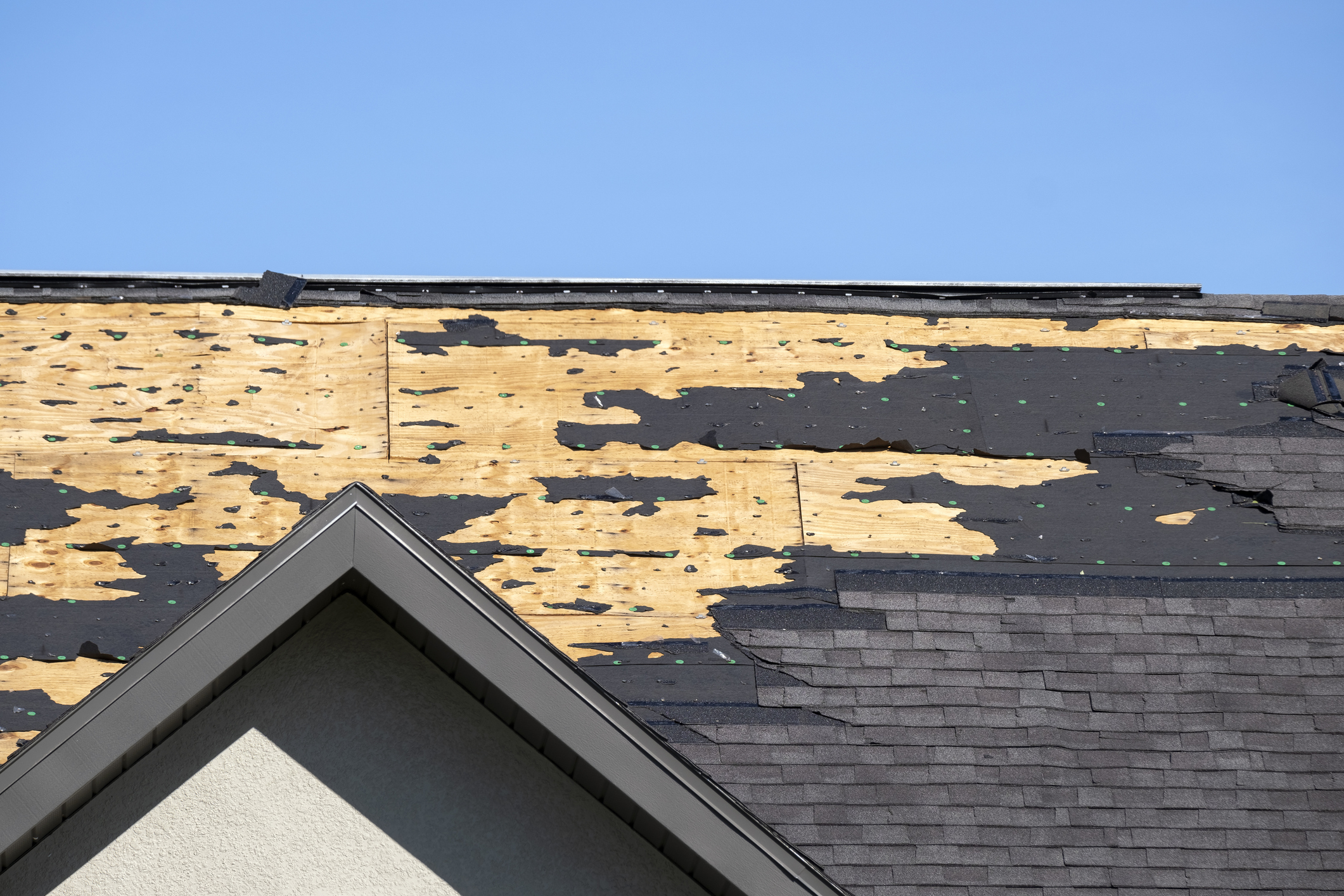
| Missing, lifted, or buckled shingles | Windstorms or aging shingles have left the underlayment exposed | Exposed underlayment is not waterproof and fails fast under rain or snow |
| Ice buildup at the roof edges | Heat escaping from the attic is creating ice dam conditions | Trapped meltwater backs up under shingles and leaks into the home |
| Visible flashing gaps around vents or the chimney | Flashing has separated due to temperature changes or wind | Gaps allow wind-driven water to directly enter the roofing system |
| Standing water on a flat or low-slope roof | Drainage is blocked, or the membrane is damaged | Even minor membrane failures become active leaks quickly under water weight |
If you notice any of these signs, do not wait to see if it resolves on its own. Temporary stabilization can protect your home while permanent repairs are planned, but only if you call before the damage adds up.
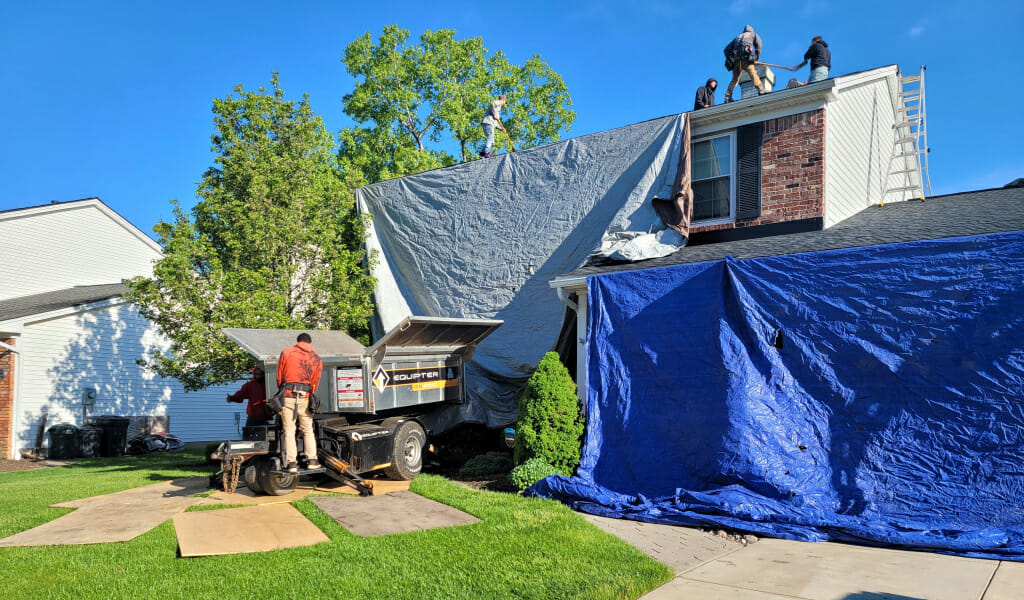
When permanent repairs cannot be completed the same day due to weather or the extent of the damage, we install heavy-duty tarps and dry-in materials to fully cover exposed areas and stop water from continuing to enter your home. This step is especially important during Grand Island's late fall and winter conditions, where an uncovered roof section can allow snow melt or wind-driven rain to reach your insulation and ceilings within hours.
High winds along the Niagara River corridor can strip shingles or lift edges fast, leaving your underlayment exposed with little warning. We replace missing shingles, re-secure lifted ones, and address nail pops or exposed sections so your roof can handle the next wstorm without a repeat failure.
Chimneys, vents, skylights, and roof valleys are the spots most likely to fail during temperature swings and wind-driven storms in this area. We reseal or replace separated flashing at these gaps to close off the entry points that are most responsible for active leaks in western New York homes.
Flat and low-slope roofs face specific risks here because ice buildup and blocked drainage can push water through even small membrane failures before you see any sign of it inside. We address standing water, damaged membrane sections, and drainage obstructions as part of emergency service, so these roof types get the same fast attention as traditional pitched shingle roofs.
Western New York winters are hard on roofs, and Grand Island's position near the Niagara River means wind and lake-effect weather can move in fast and change a small problem into a serious one overnight. Staying ahead of that matters most in the colder half of the year, when snow and ice can hold moisture against a compromised roof for days at a time. Acting quickly when you spot a warning sign protects your ceilings, your insulation, and the rest of your home from the kind of interior damage that builds quietly before it becomes visible.
OConnor Contracting is ready to respond when your roof cannot wait. Whether you need immediate stabilization or a permanent repair, we will get to your home, inspect what is happening, and give you a clear picture of what needs to be done. Reach out when you are ready, and we will take it from there.
Got questions about your roof? We’ve got answers. From maintenance tips to insurance claims and repair timelines, our FAQ section covers the most common concerns homeowners have. Get informed and make confident decisions about protecting your home.
Yes, and the difference is noticeable. The river corridor funnels wind in ways that can accelerate shingle lift and flashing separation faster than you might expect from a storm that looks minor on radar. Homes on the island also tend to see lake-effect snow pile up quickly, which adds weight to roof sections that may already have a weak spot from earlier wind or temperature damage. That combination of wind exposure and heavy snow is why problems here can go from minor to serious in a short window.
Keep an eye on the tarp after any wind or additional snow, since a tarp that shifts or bunches can leave sections exposed again. Inside your home, check the ceiling and attic space for any new moisture, even after the tarp is in place, because water that entered before the tarp was installed may still be moving through insulation. Let us know right away if you notice anything new, so we can address it before the permanent repair appointment.
This is one of the more misunderstood problems in this region. When temperatures rise above freezing during the day and drop back down at night, snow and ice on the roof melt and refreeze repeatedly. That cycle pushes water into small cracks and gaps, then expands them as it refreezes, which can turn a minor flashing gap or a nail pop into a path for water to reach your attic. Homeowners often call during these thaw periods not because of a new storm but because a small failure they did not know about has quietly gotten worse all winter.
Don’t wait – secure your home with Buffalo’s leading roofers today!

Affordable
Pricing

Locally Owned & Operated

Quality Roofing Since 2014