Don’t wait – secure your home with Buffalo’s leading roofers today!
 716-600-ROOF
×
106 Hubbardston Pl, Buffalo NY
Open 24 Hours
Evans sits right along Lake Erie, and that location puts your roof through a lot. Winters here bring around 100 inches of snow on average, with temperatures that dip into the low 20s and then climb back up, putting constant stress on shingles, flashing, and roof decking. That back-and-forth from freezing to thawing opens up small cracks and gaps that let water in, and once moisture gets under your shingles, the damage spreads fast. Add in the wind off the lake, which regularly drives snow and rain into edges, valleys, and roof gaps, and you have conditions that can turn a minor issue into a much bigger roof repair if it goes unnoticed for a season.
The housing in Evans makes this even more relevant. A large share of homes here were built before 1960, which means many roofs are working with aging materials, worn sealant, and flashing that has gone through decades of lake-effect weather. Brittle shingles and deteriorated underlayment are common findings during a roof inspection on older homes in this area, and localized repairs often need to account for what is happening beneath the surface, not just what is visible from the ground.
OConnor Contracting works with homeowners across Evans to find and fix the problems that lake-effect weather and aging roofs create. The goal is to protect your home before a small leak becomes a much more expensive problem to solve.
Knowing what to expect before work starts makes the whole process easier. Here is exactly how OConnor Contracting handles a repair from first contact to finished job.
Living along Lake Erie means your roof deals with a specific set of problems year after year. Wind-driven snow, repeated temperature changes, and decades of lake-effect weather all leave their mark, especially on older homes where materials have already been through a lot. Knowing what tends to go wrong, and why, helps you act before a small issue gets bigger.
| Common Issue | Typical Cause in Evans | Areas Most Affected |
|---|---|---|
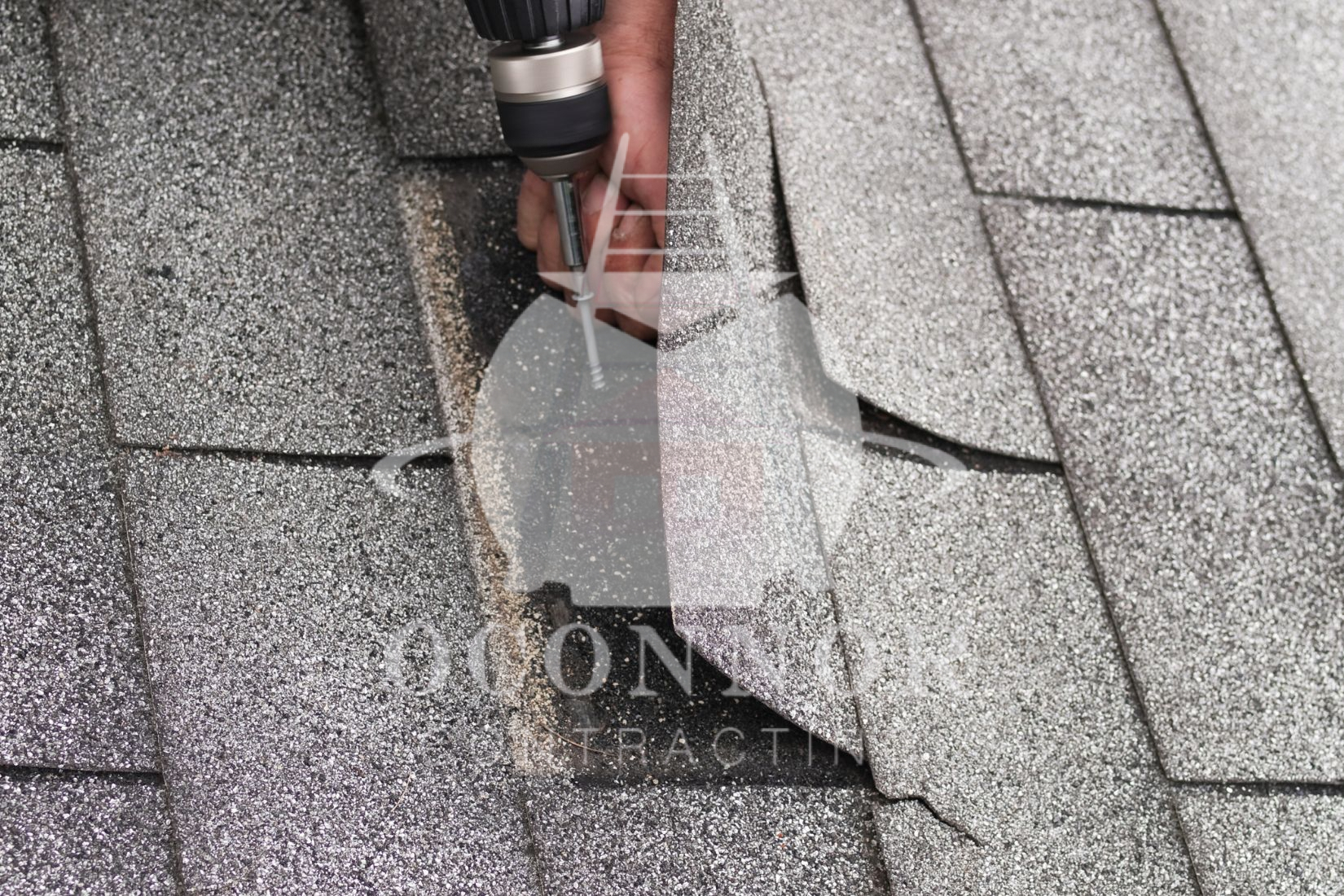
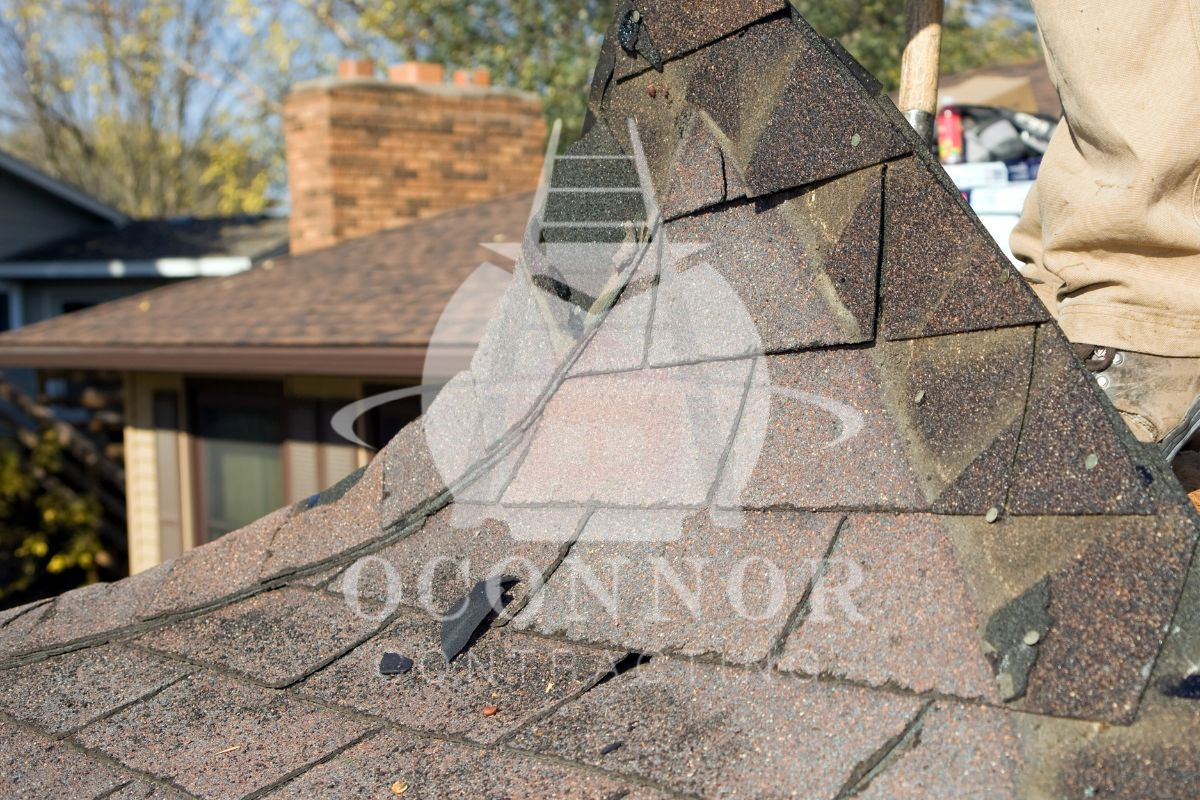
| Lifted or missing shingles | Strong winds off Lake Erie, especially from the northeast | Exposed eaves, rake edges, ridge |
| Flashing failures | Repeated temperature changes loosening sealant and metal | Chimneys, vents, valleys |
| Deteriorated underlayment | Age and moisture working through worn shingles over decades | Older roof decking on pre-1960 homes |
| Leak paths at gaps | Wind-driven moisture pushing into gaps around roof openings | Vent pipes, skylights, chimney bases |
| Soft or damaged roof decking | Long-term moisture exposure from slow leaks or ice buildup | Valleys, low-slope sections |
One thing worth knowing: if a repair involves structural parts of the roof or roof covering materials, Evans requires a permit before work begins. OConnor Contracting handles that upfront so nothing gets skipped and your repair is done correctly from start to finish.
When shingles need to be replaced, getting the right match matters for both appearance and performance. OConnor Contracting sources materials that hold up to the wind exposure and temperature changes that Evans roofs deal with, so the repaired area works just as hard as the rest of your roof.
Failing flashing at chimneys, vents, and valleys is one of the most common leak sources on older Evans homes, and it often gets overlooked. We repair or replace damaged flashing and reseal all connections so wind-driven moisture off the lake has fewer places to work its way in.
When moisture has been sitting long enough to soften or rot the roof decking beneath your shingles, new shingles alone will not hold. We replace damaged roof deck sections before closing the roof back up, giving the repair a solid foundation that will last through lake-effect seasons ahead.
The edges of your roof take the brunt of northeast winds off Lake Erie, and loose or under-fastened edges are where repairs tend to fail first. We pay close attention to fastening details along exposed rake edges and eaves so the repair stays tight when wind and ice put it to the test.
Lake Erie winters are hard on roofs, and homes in Evans have the added challenge of age working against them. After a season of heavy snow, wind, and temperature changes, small problems that seemed minor can quietly get worse before warmer weather arrives. Getting a repair done during calmer spring or summer conditions means the work goes smoothly and materials have the best chance to seal and hold before the next round of lake-effect weather rolls in.
OConnor Contracting is here to help homeowners in the Evans area protect their homes and avoid the kind of repairs that grow expensive when they sit too long. If you have noticed a leak, missing shingles, or something that just does not look right, reaching out for an inspection is a straightforward first step. We will tell you honestly what we find and what it takes to fix it right.
Got questions about your roof? We’ve got answers. From maintenance tips to insurance claims and repair timelines, our FAQ section covers the most common concerns homeowners have. Get informed and make confident decisions about protecting your home.
It depends on the scale of the work. Repairs that involve structural parts of the roof or replacement of roof covering materials require a permit from the Town of Evans before work begins. If your repair also triggers energy code compliance, the town may require documentation showing your roof meets those standards. OConnor Contracting identifies permit requirements upfront so your repair is done correctly and by the book.
Water rarely enters and exits in the same spot, especially on older homes. It can work in through a gap at a chimney base or vent, then travel along the underlayment or roof decking before showing up feet away from where the actual problem is. On homes built before 1960, worn sealant and deteriorated underlayment make this kind of hidden leak path more common. A proper roof inspection traces the full route, not just the spot where water is showing up inside.
Spring and summer are generally the most practical windows. Once snow and ice are off the roof and conditions stabilize, it’s easier to locate damage accurately, and materials seal and fasten the way they are supposed to. Trying to diagnose and patch a leak in the middle of lake-effect winter conditions is difficult, and cold temperatures can affect how well sealants cure and hold. If you spot a problem after a big storm, getting it on the schedule as soon as the weather allows is the right move.
Don’t wait – secure your home with Buffalo’s leading roofers today!

Affordable
Pricing

Locally Owned & Operated

Quality Roofing Since 2014

