Don’t wait – secure your home with Buffalo’s leading roofers today!
 716-600-ROOF
×
716-600-ROOF
×
106 Hubbardston Pl, Buffalo NY
Open 24 Hours
East Aurora puts roofs through a serious workout every year. Between the heavy snowfall that piles up through winter, the ice dams that form along roof edges when temperatures fluctuate, and the wind-driven storms that roll in off Lake Erie, your roof takes a beating that most people don't fully appreciate until something goes wrong. Homes throughout the village tend to be older, many built several decades ago, with asphalt shingle roofs that were never designed to last forever. Add in more than 40 inches of annual precipitation and winters that can dump over 100 inches of snow, and you have conditions that wear down even well-maintained roofing faster than homeowners expect.
When damage shows up, whether it's a lifted shingle, a leaking flashing, or water finding its way in around a skylight, the window to fix it properly is often shorter than you'd like. A small problem ignored through the fall can become a much bigger repair by the time spring arrives. That's where OConnor Contracting comes in. Serving homeowners in East Aurora and the surrounding area, we focus on honest, straightforward residential roof repair that addresses the real issues your roof is facing, not just a quick patch that holds for one season.
Getting the repair done right means understanding how Western New York weather behaves and knowing what it does to specific roofing materials over time. Cracked shingles, failing flashing, and compromised seals around gaps are all common failure points in this region, and each one requires careful attention to stop the leak and protect the structure beneath.
A roof repair is easier to manage when you have a clear understanding of what will be evaluated, recommended, and completed. Our process focuses on accurately identifying the issue, explaining the solution, and making only the repairs your home actually needs.
Older homes and harsh Western New York winters are a tough combination for any roof. Understanding what typically goes wrong, and why, helps you catch problems early and make better decisions about repair timing before a small issue turns into something much larger.
| Repair Issue | Common Cause | Why Timing Matters |
|---|---|---|
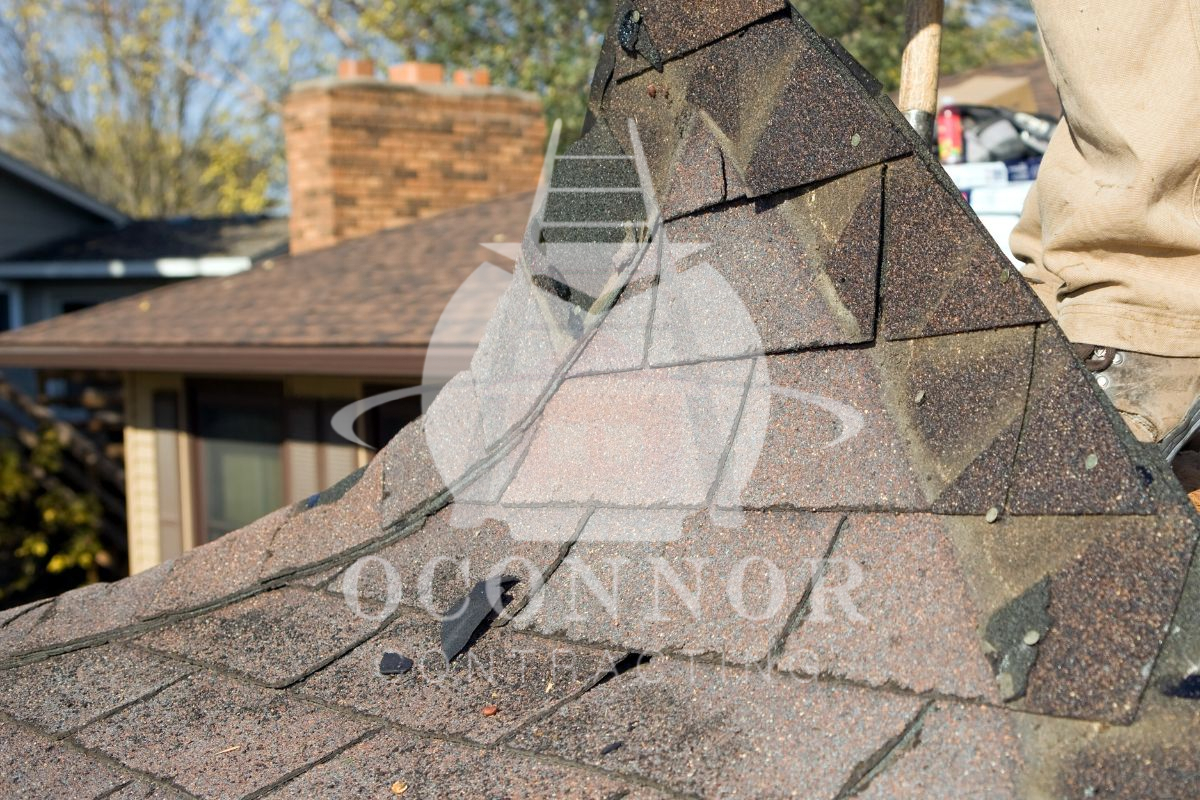
| Lifted or cracked shingles | Wind damage from winter storms. Aging asphalt that has become brittle over decades | Open shingles allow water in quickly; repair before the next storm cycle |
| Ice dam leaks | Snow melting against the roof edge, refreezing in gutters, and trapping water under shingles | Late fall repair prevents water from seeping into the structure all winter |
| Damaged flashing | Temperature changes that cause metal to expand and contract, breaking the seal over time | Failed flashing is a direct path for water to reach the roof deck and interior framing |
| Skylight seal failure | Winter ice and thaw cycles compromise the seal around the frame | Leaks around skylights can go unnoticed until ceiling damage appears inside |
| Torn or missing shingles | Storm debris, wind uplift, or shingles that have simply reached the end of their lifespan | Even a small exposed area can allow significant water damage before the next inspection |
Most of these issues show up in predictable patterns on homes throughout East Aurora, particularly on roofs that are several decades old. Catching them before heavy snow arrives each year is the most reliable way to protect your home through the worst of the season.
When snow melts and refreezes along your roof's edge, the water trapped behind the ice has nowhere to go except under your shingles. Repairing damaged shingles and flashing along the eaves before winter sets in is one of the most effective ways to keep that water from reaching your home's interior framing and ceilings.
Chimneys, vents, skylights, and pipe boots all require tight flashing seals that hold up through East Aurora's wide temperature swings and frequent precipitation. When those seals fail, water finds a direct path to the roof deck, and the damage spreads well beyond the original entry point before most homeowners notice anything wrong.
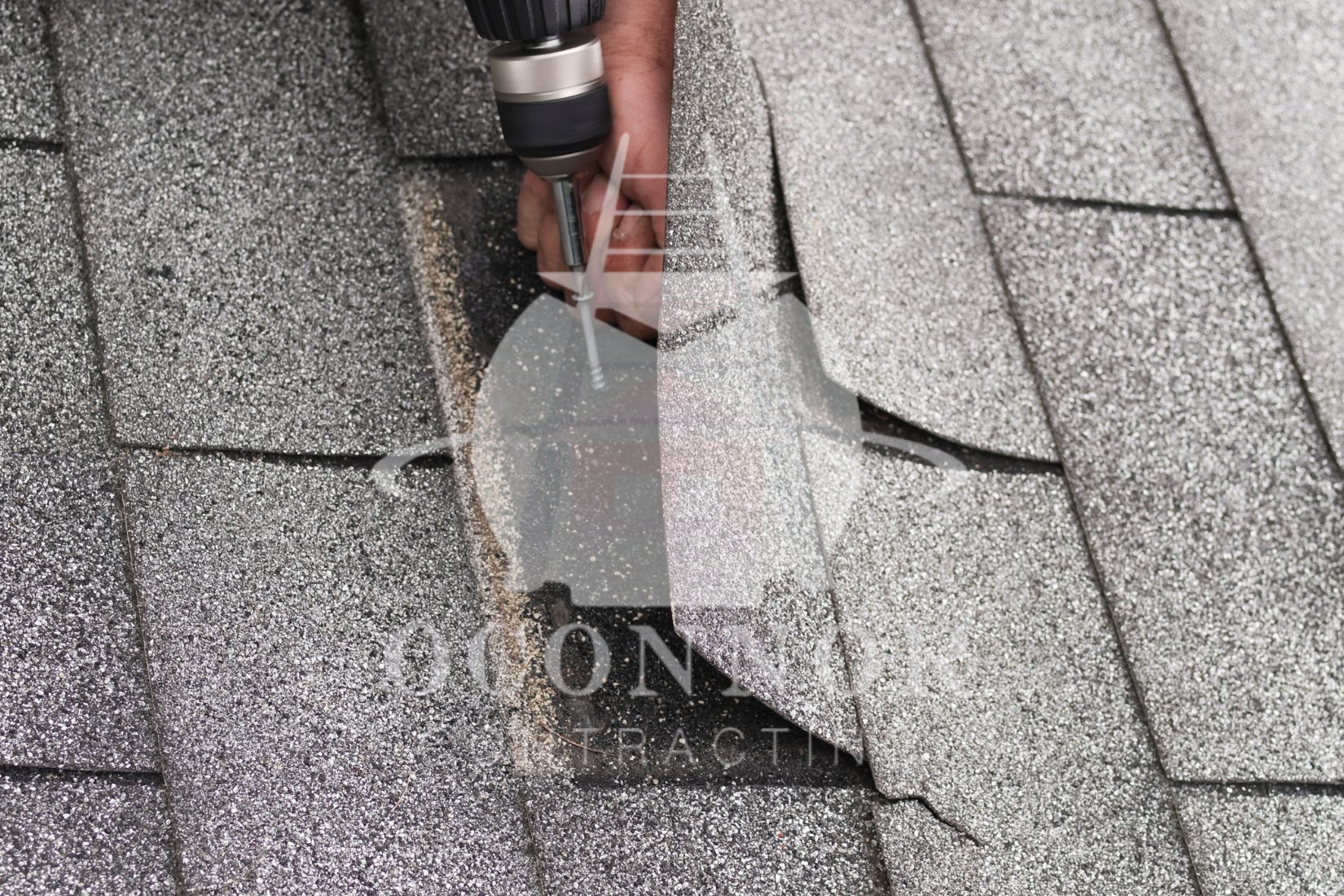
Layering new shingles over old, deteriorated material is a shortcut that shortens the life of the repair. OConnor Contracting removes damaged shingles, rotted roof decking, and compromised underlayment before installing replacement materials, so the repair is built on a solid foundation rather than on an existing problem.
Not every repair material performs the same way in a region that gets over 100 inches of snow and wide swings between summer and winter temperatures. The materials used on your roof are selected to hold up under those specific conditions, which makes a real difference in how long the repair lasts before you need to call anyone back out.
Winters here are long, and the wear they leave behind on an aging roof adds up faster than most homeowners expect. Getting a repair done before conditions get worse is one of the more straightforward ways to protect your home and avoid the kind of damage that turns a small fix into a much larger project. Spring and early fall tend to offer the best working conditions, but the right time to repair is usually as soon as you know something is wrong.
OConnor Contracting works with homeowners throughout East Aurora who want honest answers and repairs done the first time correctly. If you have noticed a shingle out of place, a water stain on your ceiling, or something that just doesn't look right, it's worth having someone take a look. Reach out whenever you're ready, and we'll help you figure out what your roof actually needs.
Got questions about your roof? We’ve got answers. From maintenance tips to insurance claims and repair timelines, our FAQ section covers the most common concerns homeowners have. Get informed and make confident decisions about protecting your home.
Timing does affect both the repair process and how well materials perform after installation. Spring and early fall are generally the most reliable windows because temperatures are moderate enough for sealants and adhesives to bond correctly. That said, fall repairs carry extra urgency in this region since unaddressed damage heading into winter often leads to ice dam problems that make the original issue significantly worse by March.
It can, and it's worth knowing before work starts. On a roof that old, the roof decking underneath the shingles may have softened or rotted in areas, especially around gaps and along the eaves where moisture collects. A contractor should check the roof deck condition when damaged shingles are pulled back, because new shingles installed over compromised roof decking won't hold or seal the way they should. Knowing the condition of what's underneath helps you make a better decision about the scale of the repair.
This is one of the trickier parts of roof repair because water rarely enters and shows up in the same spot. A leak that appears near a ceiling fixture or interior wall is often traced back to a flashing failure around a chimney, vent, or skylight rather than a cracked shingle directly above the stain. The entry point and the visible damage inside your home are usually several feet apart, which is why a thorough inspection of all gaps matters as much as checking the shingles themselves.
Don’t wait – secure your home with Buffalo’s leading roofers today!

Affordable
Pricing

Locally Owned & Operated

Quality Roofing Since 2014