Don’t wait – secure your home with Buffalo’s leading roofers today!
 716-600-ROOF
×
716-600-ROOF
×
106 Hubbardston Pl, Buffalo NY
Open 24 Hours
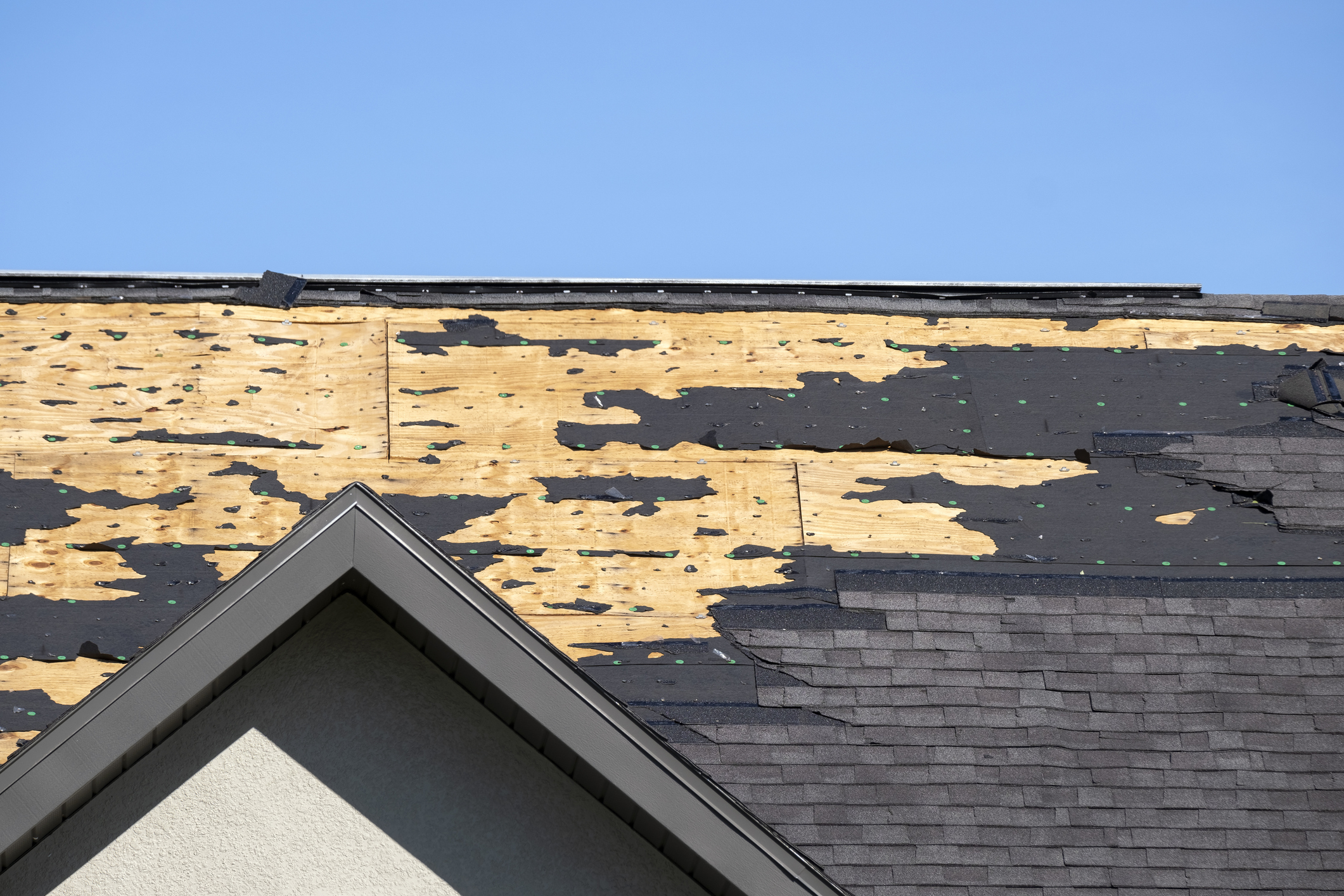
East Aurora sits close enough to Lake Erie that lake-effect snow is a regular reality, not just an occasional inconvenience. Winter storms here can drop 1 to 3 feet of snow with wind gusts pushing past 40 mph, and that kind of pressure finds every weak point in a roof. Add in summer storms that bring heavy rain, high winds, and hail, and it becomes clear why roofing emergencies in this area can happen in any season. Older homes throughout East Aurora are especially vulnerable, since aging roof decking and worn flashing around vents and chimneys tend to give way faster when conditions get severe. When that happens, water gets in quickly, and the longer it sits, the more damage spreads to ceilings, walls, and the structure beneath.
That is exactly why a fast, experienced response matters. OConnor Contracting works directly in this market and understands what East Aurora roofs face year to year. Whether a storm has lifted shingles, a tree limb has torn through your roof, or an ice dam has forced water past your flashing, the goal is to get on-site quickly, identify where water is entering, and stop it before the damage grows. Emergency roofing service is not just about patching a surface. It is about protecting your property from the inside out, securing loose materials, reinforcing the roof deck where it’s needed, and making sure your home or building is stable until a permanent repair is complete.
Roof emergencies require a fast response, but they also require clear communication so you understand how the damage is being addressed. Every stage of our emergency service is focused on protecting your property and identifying the right long-term solution.
Not every roof problem looks like a crisis from the inside, and that hesitation to call can lead to real damage spreading fast. Knowing which signs demand immediate attention helps you act before a manageable situation becomes a major structural problem.
| Warning Sign | Likely Cause | Why It Cannot Wait |
|---|---|---|
| Water dripping or staining spreading across ceilings | Active leak from storm damage or failed flashing | Water migrates quickly through insulation and framing |
| Visible sagging in the roof deck or ceiling | Weakened roof decking from heavy snow or accumulated moisture | Older framing in East Aurora homes offers limited resistance to added weight |
| Missing or lifted shingles after high winds | Wind gusts separating shingles from the roof deck | Exposed roof decking allows water in with the next rain or snowmelt |
| Ice dam formation at eaves | Snow accumulation and temperature changes causingare melt and refreeze | Backed-up water forces past flashing and under shingles |
| Debris impact leaving visible punctures or gaps | Fallen branches during high wind | Open areas allow moisture to spread inside within hours |
Flashing failures around chimneys, vents, and skylights are easy to overlook because the damage often shows up inside before anything looks wrong on the roof itself. If you notice any of these signs, treat it as an emergency. Waiting for business hours or a break in the weather typically means more damage, not less.
Roofing emergencies in East Aurora do not wait for convenient timing, and neither do we. Whether it is a late winter ice dam failure at 2 a.m. or a summer thunderstorm that takes out shingles on a Saturday evening, OConnor Contracting is reachable around the clock so your home is not left exposed overnight or through a weekend.
Chimneys, vents, and pipe boots are the most common spots where water finds its way in during storms, yet flashing failures at these points are frequently underestimated as emergencies. We address these directly during every emergency call, sealing the actual entry point rather than simply patching visible surface damage.
Many homes in East Aurora have aging roof decking that was not built to handle the kind of snow accumulation and wind stress that lake-effect storms can deliver. When we find roof decking that has been weakened by moisture or weight, we reinforce or replace those sections before finishing any surface repair, so the fix actually holds.
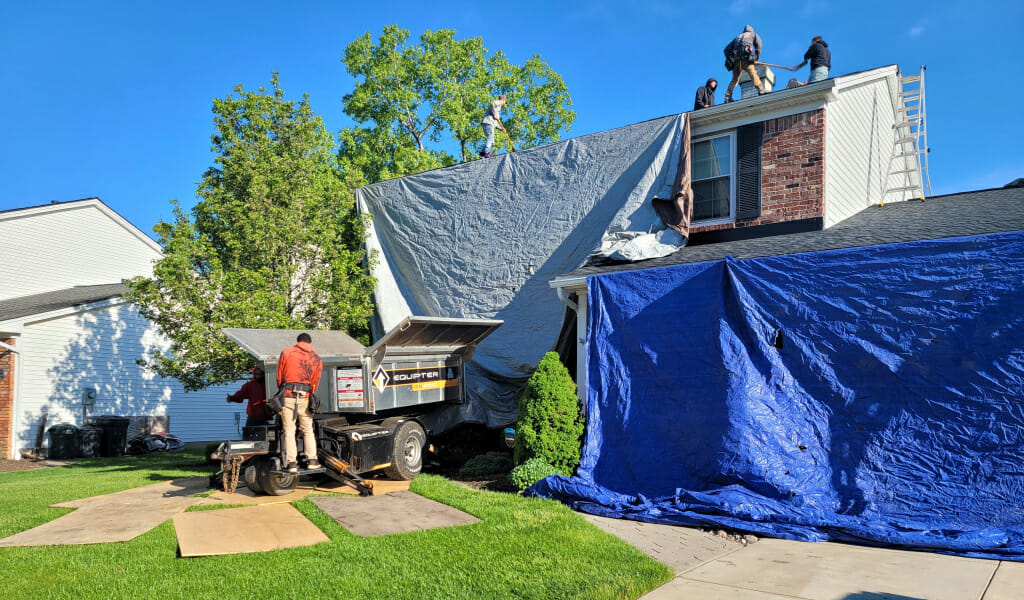
When a fallen branch or severe wind leaves your roof open, getting it covered quickly is what separates minor interior damage from a much larger problem. We remove debris and install heavy-duty tarps over affected areas to protect your home from the next round of rain or snow while permanent repairs are being planned.
Living with the weather patterns this region brings means a roofing emergency is never a distant possibility. Lake-effect snow, high winds, and summer storms all put pressure on roofs throughout the year, and older homes especially feel that strain. Acting quickly when something goes wrong is what keeps a contained problem from spreading into your walls, ceilings, and framing. The sooner water entry is stopped, the more you protect your property and avoid repairs that grow far beyond the original damage.
OConnor Contracting is ready to respond when you need it most, whether that is in the middle of a snowstorm or after a summer thunderstorm rolls through. If you have noticed water staining, missing shingles, debris impact, or anything that suggests your roof has been compromised, reach out to our East Aurora team. There is no pressure, just a straightforward conversation about what your roof needs and how to get it taken care of.
Got questions about your roof? We’ve got answers. From maintenance tips to insurance claims and repair timelines, our FAQ section covers the most common concerns homeowners have. Get informed and make confident decisions about protecting your home.
It depends on conditions, and we make that call honestly rather than rushing onto a dangerous surface. During active blowing snow or ice accumulation, the priority is getting to your property and protecting the interior while we wait for a safe window to access the roof. Once wind and visibility allow, we move quickly because delaying the inspection means water continues to spread inside.
This is one of the most common situations we see, and it almost always points to a flashing failure rather than obvious shingle damage. Water travels along roof decking and framing before it ever drips onto a ceiling, so the stain you see indoors can be several feet away from where water is actually entering. A proper on-site inspection is the only way to trace the real entry point and stop it at the source.
If water is actively entering your home, shingles or roof decking are visibly exposed to the elements, or you notice any sagging in the ceiling or roof line, that is not a situation to schedule out. Those conditions get worse with every rainstorm, and older homes in this area are especially quick to show secondary damage in the framing and insulation. When in doubt, a quick call lets us help you figure out whether it is a true emergency or something that can be addressed on a normal timeline.
Don’t wait – secure your home with Buffalo’s leading roofers today!

Affordable
Pricing

Locally Owned & Operated

Quality Roofing Since 2014