
Don’t wait – secure your home with Buffalo’s leading roofers today!
 716-600-ROOF
×
716-600-ROOF
×
106 Hubbardston Pl, Buffalo NY
Open 24 Hours
East Aurora sits squarely in Western New York's weather path, and commercial properties here take a beating year-round. Heavy snow and ice buildup through winter put real strain on roofing membranes, seams, and drainage systems. Then summer arrives with thunderstorms and heat that cause blistering and coating breakdown. The pattern repeats every year, and without regular inspections, small problems like ponding water, granule loss, or a failing seal around an HVAC unit can quietly turn into leaks that damage your building's interior and disrupt your tenants or business operations.
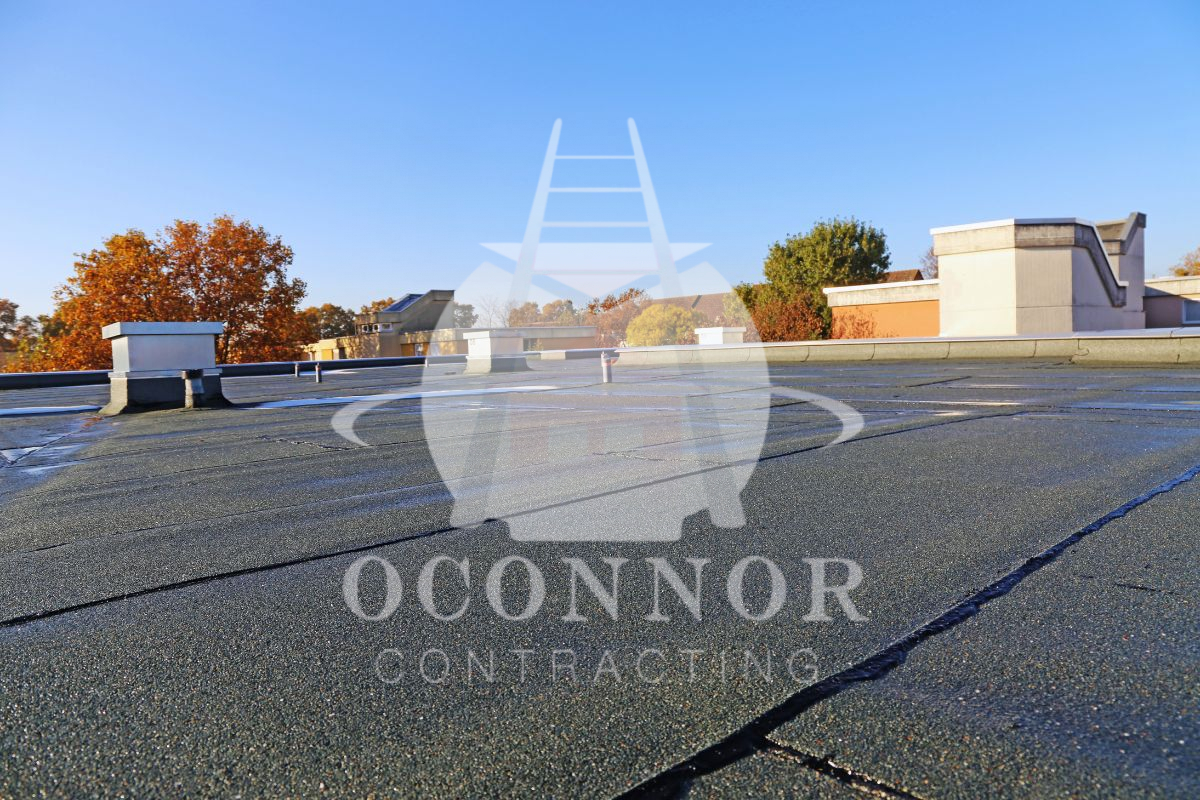
A complete commercial roof inspection gives you a clear picture of where your roof stands before those problems get out of hand. At OConnor Contracting, we work with building owners and property managers across East Aurora who need straightforward answers about the condition of their roof, not guesswork. We start by reviewing your roof's age and repair history, then walk the full surface to inspect drainage, gaps, seams, joints, rooftop equipment, and any areas showing visible wear or soft spots that may signal trapped moisture beneath the membrane.
Scheduling inspections in spring and fall makes the most sense for properties in this region. Spring gives you a chance to identify anything that was winter-damaged, and fall lets you address issues before the next round of snow and ice arrives. After a significant storm, a follow-up inspection is worth doing to catch new damage early, when repairs are still straightforward.
Managing a commercial property is easier when you know exactly what an inspection involves and what information you'll receive afterward. A structured evaluation helps identify current concerns, document the roof's condition, and support informed maintenance decisions.
A commercial roof inspection looks at more than just the surface. In Western New York's climate, hidden problems are often just as serious as visible ones, and knowing exactly what gets inspected helps you understand the value of the process.
Catching issues in these areas early keeps repairs manageable and protects the interior of your building from the kind of damage that disrupts operations and gets expensive fast.
Water that soaks into your roof's insulation doesn't always show up on the surface, but it quietly weakens the structure and can lead to serious leaks over time. Using hand-held moisture meters, we check for hidden saturation that visual checks alone would miss, especially in areas where ponding water is a recurring issue.
Edges and expansion joints are two of the most overlooked parts of a commercial roof, but they're also among the most vulnerable to wind and temperature changes. We inspect these areas specifically for separation, lifting, or seal failure that could allow water to work its way in along the perimeter of your building.
Metal roofing systems are common on commercial properties in East Aurora, and the combination of moisture, temperature swings, and seasonal precipitation accelerates rust and corrosion in certain zones. We check for early-stage corrosion and verify that all seams are properly sealed, since failing seals on metal systems are one of the more frequent causes of leaks in this region.
After a significant thunder or hail storm, the damage isn't always obvious from the ground, but it can develop into a real problem quickly if it goes unchecked. We can schedule quick follow-up inspections after severe weather to catch new damage early, before it adds up with whatever wear already exists on the roof.
Western New York's weather puts real stress on commercial roofing systems year after year, and facilities in East Aurora are no exception. Staying ahead of wear in drainage systems, seams, and equipment zones means repairs stay manageable and your building keeps running without interruption. Scheduling inspections in spring and fall gives your property the best coverage through the seasons, and a follow-up after a significant storm keeps you from discovering problems after they've already caused interior damage.
OConnor Contracting works with building owners and property managers who want straightforward answers about their roof without the runaround. If you're ready to get a clear picture of where your roof stands, we're easy to reach and happy to walk you through the process before we even set foot on your building.
Got questions about your roof? We’ve got answers. From maintenance tips to insurance claims and repair timelines, our FAQ section covers the most common concerns homeowners have. Get informed and make confident decisions about protecting your home.
Snow accumulation puts steady pressure on roofing membranes and drainage systems, and as it melts, water can find its way into any seal or seam that has started to fail. Inside the building, ceiling stains, discoloration along walls near the roofline, or a musty smell in upper-floor spaces can signal that moisture has already worked through. If you notice any of these signs after a hard winter, it's worth getting an inspection scheduled before spring rain adds more water to a system that may already be compromised.
It does, and this is something building owners often overlook. Older HVAC units tend to require more servicing, which means more foot traffic in one concentrated area of the roof. That repeated activity accelerates seal wear around gaps and equipment curbs faster than normal weathering would on its own. If your rooftop equipment is aging or has been serviced frequently, bumping your inspection schedule to quarterly rather than twice a year is a practical way to stay ahead of the wear patterns those zones develop.
Ponding water is the one that catches building owners off guard most often. East Aurora's mix of heavy precipitation, temperature changes, and flat or low-slope commercial roofing means water that doesn't drain properly sits long enough to saturate insulation beneath the membrane, which isn't visible until it's caused real damage. Granule loss on certain types of roofs also progresses faster than most people expect here, because the repeated cycle of freezing and thawing through winter breaks down surface material in ways that a dry climate simply doesn't produce.
Don’t wait – secure your home with Buffalo’s leading roofers today!

Affordable
Pricing

Locally Owned & Operated

Quality Roofing Since 2014