Don’t wait – secure your home with Buffalo’s leading roofers today!
 716-600-ROOF
×
716-600-ROOF
×
106 Hubbardston Pl, Buffalo NY
Open 24 Hours
Western New York doesn't go easy on roofs. In Depew and across Erie County, homeowners deal with heavy snow, repeated temperature changes, and more than 150 days of precipitation each year. That kind of weather puts real stress on shingles, flashing, and the sealed edges around vents and chimneys. When those areas start to give out, even a small gap can let water into your attic or walls, and what starts as a minor leak can quietly turn into a much bigger problem before you ever notice the staining on your ceiling.
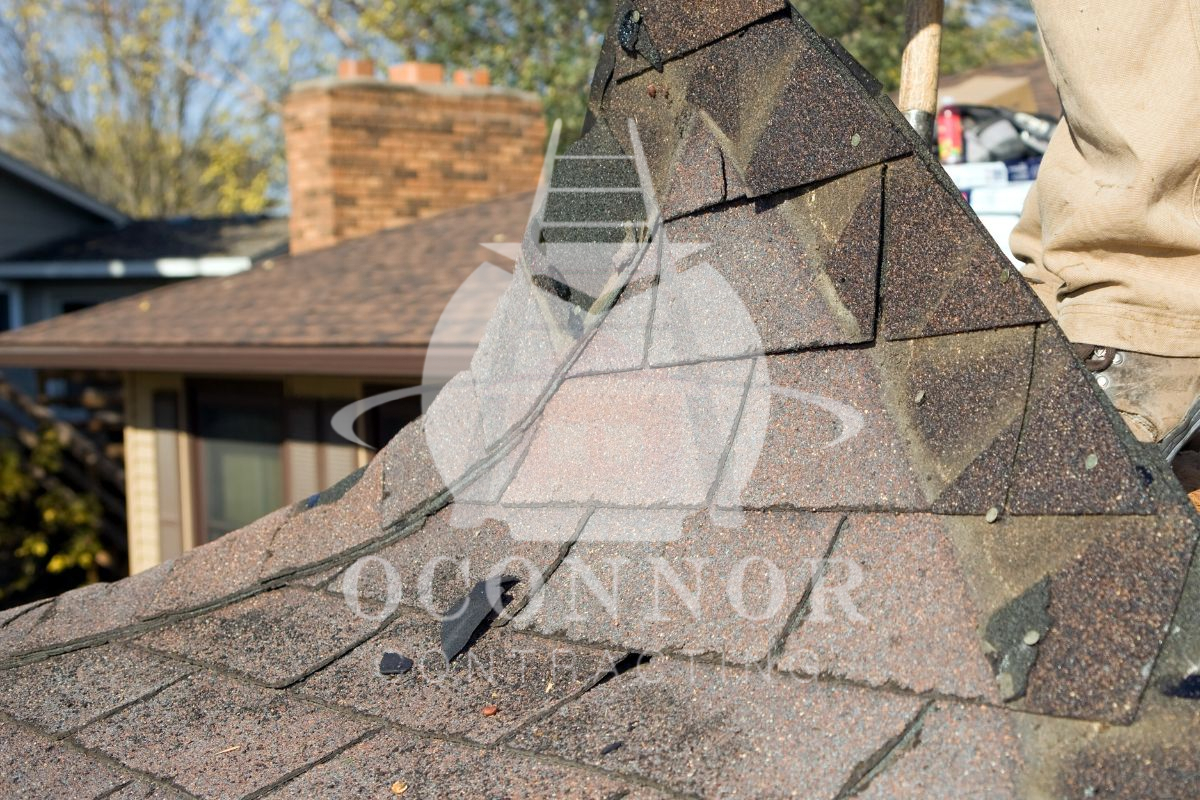
That's where fast roof repair work makes a real difference. Getting ahead of damage, especially after a hard winter or before the snow returns in fall, protects your home and stretches the life of your existing roof. OConnor Contracting works with homeowners throughout Depew and the surrounding area, bringing a straightforward, practical approach to repairs that are built to hold up under local conditions. Whether you're dealing with lifted shingles, a leak around a chimney, or worn flashing along a valley, the goal is always the same: get it fixed correctly so your home stays protected through whatever western New York throws at it next.
Not knowing what will happen during a roof repair often adds unnecessary stress on top of the damage itself. Here is how OConnor Contracting handles the process from initial evaluation through completion.
Western New York winters are hard on residential roofs, and the damage they leave behind follows a pretty predictable pattern. Knowing what to look for helps you catch problems early, before a minor repair turns into something much larger.
| Common Issue | Typical Cause | Why It Matters |
|---|---|---|
| Missing or lifted shingles | Wind, repeated temperature changes, and aging adhesive | Exposes the underlayment and deck to moisture |
| Flashing leaks at chimneys and vents | Sealant failure from freeze and thaw cycles | One of the most common sources of interior water damage |
| Ice dam leak points | Heat escaping through the attic melts snow at the ridge, which refreezes at the eaves | Forces water back under shingles and into the home |
| Valley and edge deterioration | Concentrated water flow and prolonged moisture exposure | Vulnerable transition zones where leaks often start |
| Worn or damaged underlayment | Age, shingle wear, and repeated heavy snow exposure | Reduces the secondary barrier protecting your roof deck |
Many of these issues develop gradually and are easiest to address in spring after winter stress, or in fall before the next cold season arrives. A complete inspection at either of those times gives you a clear picture of where your roof stands and what, if anything, needs attention before conditions get worse.
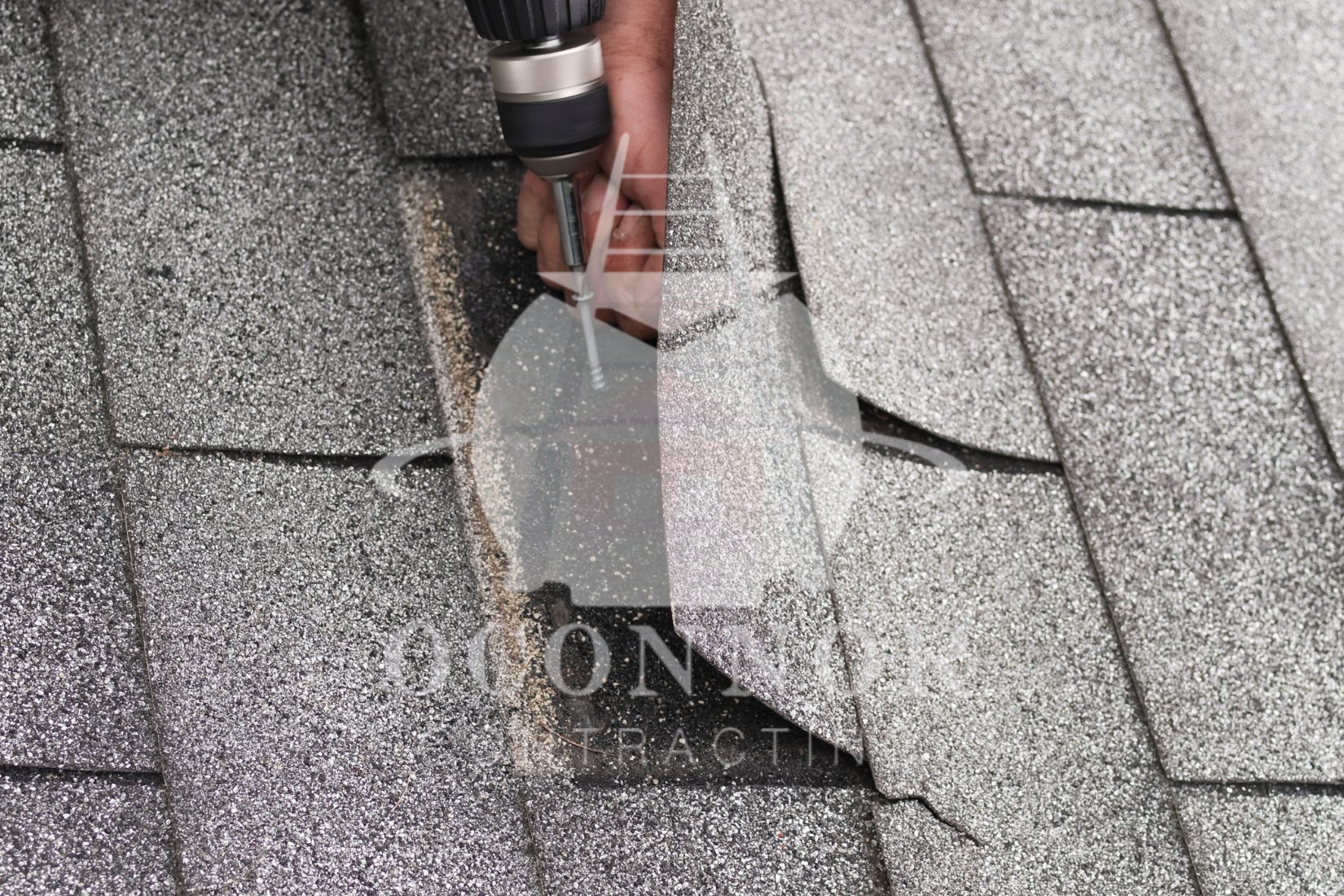
When shingles are replaced, we work to match the existing material as closely as possible so the repaired area blends with the rest of your roof. This matters because mismatched shingles can leave gaps in protection at the seams, not just create an eyesore on your home.
Plumbing vents, exhaust fans, and skylights are among the most common leak points on Depew homes, especially after a winter of repeated freezing and thawing breaks down the sealant around their collars. We reseal and restore these gaps so water has nowhere to find a path through your roof deck.
When damage reaches below the shingles, we address the underlayment layer directly rather than covering over a weakened barrier. Restoring that secondary layer is what keeps your roof deck protected when shingles are stressed by snow and moisture over a long western New York winter.
Poor attic ventilation is a known contributor to premature shingle wear and ice dam formation in cold climates, and it often goes unnoticed until the damage is already done. As part of your repair visit, we note any ventilation concerns that could be shortening the life of your roof or setting the stage for recurring problems.
Roofs in this part of western New York take a beating year after year, and the wear adds up gradually in ways that aren't always visible from the ground. Staying on top of repairs, particularly in spring when winter has done its work or in fall before the cold returns, keeps small problems from quietly growing into expensive ones. A well-maintained roof also holds up your home's value and spares your family the disruption that comes with interior water damage down the road.
OConnor Contracting is here to help homeowners in Depew keep their roofs in solid shape through whatever the season brings. If you've noticed a leak, missing shingles, or something that just doesn't look right, reaching out for an inspection is a straightforward first step. There's no obligation in getting a clear picture of where your roof stands, and knowing what you're dealing with makes every decision easier from there.
Got questions about your roof? We’ve got answers. From maintenance tips to insurance claims and repair timelines, our FAQ section covers the most common concerns homeowners have. Get informed and make confident decisions about protecting your home.
For most repairs, waiting until the snow clears is the practical choice, since working on an icy or snow-covered roof creates real safety risks and can prevent materials from sealing correctly in freezing temperatures. That said, an active leak should not sit unaddressed through a long western New York winter. If you have a known leak point, a temporary repair can stop the damage from spreading until conditions allow for a permanent fix in the spring.
Water rarely travels in a straight line from the entry point to the ceiling, so the stain on your ceiling is often several feet away from where moisture is actually getting in. In homes around Depew, this disconnect is especially common with ice dam leaks, where water backs up under shingles at the eaves and travels along the roof deck before showing up inside. A proper roof inspection traces the path back to the actual source rather than treating the visible stain as the location of the problem.
When attic ventilation is off balance, heat builds up under the roof deck and accelerates shingle wear from below, which means a freshly repaired area can degrade faster than it should. In colder climates like western New York, that trapped heat also contributes to ice dam formation at the eaves, which puts renewed stress on the very flashing and shingle edges you just had repaired. Addressing a ventilation issue at the time of repair helps the work hold up the way it was intended to.
Don’t wait – secure your home with Buffalo’s leading roofers today!

Affordable
Pricing

Locally Owned & Operated

Quality Roofing Since 2014