Don’t wait – secure your home with Buffalo’s leading roofers today!
 716-600-ROOF
×
716-600-ROOF
×
106 Hubbardston Pl, Buffalo NY
Open 24 Hours
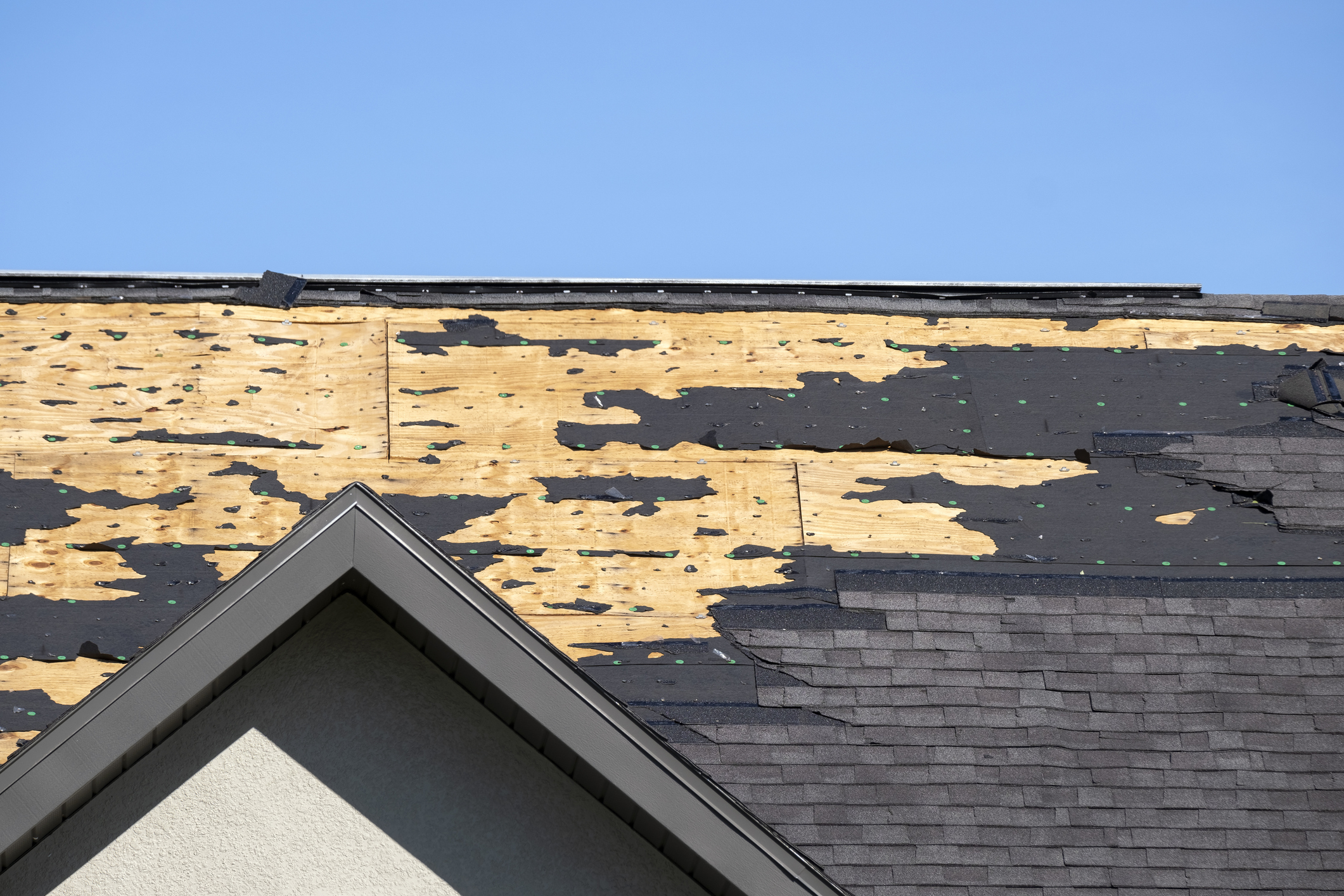
Depew sits squarely in the Buffalo metro, where winter brings heavy snow, ice buildup, and the kind of temperature changes that push roofing materials past their limits. Older homes throughout this part of Erie County already carry years of wear, which means a single strong wind storm or a night of wet, heavy snow can take a minor problem and turn it into an active leak fast. Water doesn't wait once it finds a gap in shingles, flashing, or along a roof edge, and by the time you notice a stain on your ceiling, it has often already moved through the deck and into the insulation below.
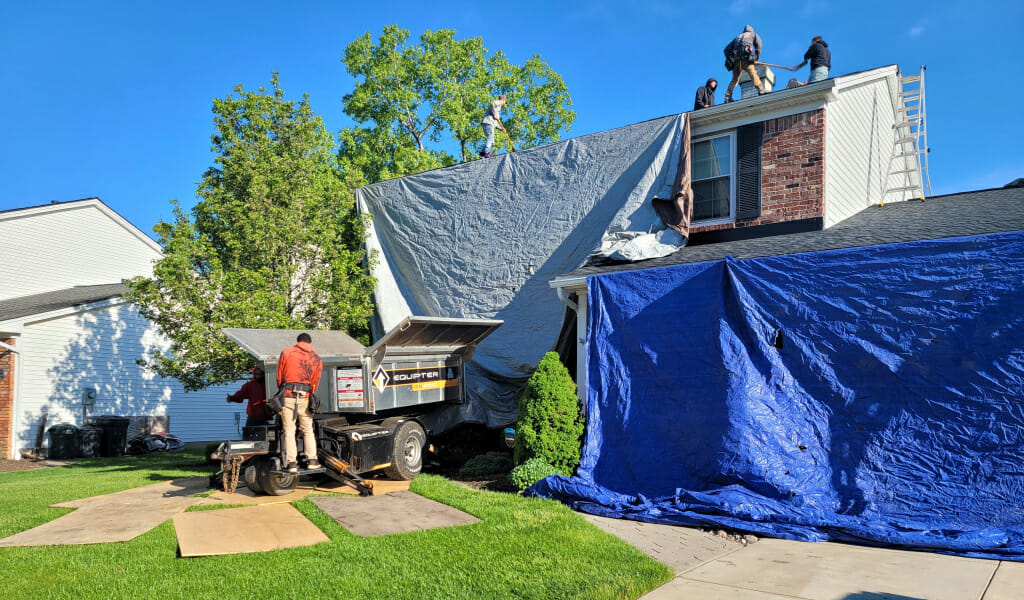
That's exactly why emergency roofing service matters in this area. Whether a storm has torn loose shingles, overloaded your gutters, or left a section of your roof exposed to the elements, the priority is stopping the damage before it spreads further into your walls, attic, or living space. OConnor Contracting works with Depew homeowners when these situations come up, providing fast response, temporary protection like tarping when needed, and real repairs that hold up to what Western New York weather actually delivers.
When roof damage happens unexpectedly, having a clear process in place helps reduce confusion and limit further issues. Here is how OConnor Contracting handles emergency roofing calls from the initial response through final repair.
Not every roofing emergency looks the same, and in this part of Western New York, certain problems show up more often than others. Knowing what you are dealing with helps you describe the situation clearly when you call and gives you a better sense of how urgent the repair actually is.
| Problem Type | Common Cause in Depew | Urgency Level |
|---|---|---|
| Missing or torn shingles | High winds and wet snow are pulling at worn edges | High: exposed roof decking needs immediate protection |
| Ice dam leaks | Snow melt refreezes at the roof edges, forcing water under shingles | High: water travels fast into the insulation and ceilings |
| Flashing failure at chimneys or skylights | Temperature changes open gaps in the sealant and metal | High: gaps let water in quickly |
| Flat or low-slope section leaks | Standing water and snow weight stress seams and transitions | Moderate to high: depending on interior impact |
| Sagging or overloaded gutters | Ice and debris buildup are pulling gutters away from the roof edge | Moderate: can accelerate edge damage if left unaddressed |
A visible ceiling stain or a drip inside your home usually means water has already moved well beyond the surface of the roof. Getting someone out quickly limits how far that damage spreads into your walls, attic, and insulation.
Chimneys, skylights, and pipe boots are among the first places a damaged roof lets water through, especially after the temperature swings and ice buildup common to Depew winters. OConnor Contracting addresses flashing failures directly during emergency visits, resealing or replacing metal and sealant at these gaps so water has nowhere left to enter.
What shows up as a ceiling stain inside your home is often the end of a longer water trail that started in the deck or insulation above. We check for moisture that has already worked its way into areas you cannot see from below, because leaving that unchecked leads to mold, rot, and structural problems that are far more expensive to fix later.
Wind storms and heavy wet snow can leave branches, ice chunks, and torn material sitting on your roof and in your gutters, adding weight and blocking drainage. Removing that debris is part of what we do on an emergency call, because a roof that cannot drain properly during a rain or snowmelt is at continued risk even after the initial damage is addressed.
Not every emergency ends with a full roof replacement, and we do not push one when a focused repair is the right call. Loose or partially torn shingles can often be secured quickly to stop further damage and provide your home with real protection while you weigh longer-term options on a timeline that makes sense for you.
Western New York winters are hard on roofs, and Depew homes carry the kind of accumulated wear that makes fast action matter when something goes wrong. A gap in your shingles or a failed flashing seal can let water move into places you cannot see, and once it reaches your insulation, ceilings, or wall cavities, the repair scale grows quickly. Catching it early keeps a manageable problem from becoming a much more expensive one, especially heading into colder weather when conditions can change overnight.
If your roof took damage and you are not sure how serious it is, reaching out to OConnor Contracting is a straightforward next step. We can take a look at what you are dealing with, give you an honest read on the situation, and get the right repair in place so your home is protected. No pressure, just practical help when you need it.
Got questions about your roof? We’ve got answers. From maintenance tips to insurance claims and repair timelines, our FAQ section covers the most common concerns homeowners have. Get informed and make confident decisions about protecting your home.
It depends on whether the roof is actively letting water in or is at immediate risk of further damage. A small exposed section of roof decking or a failed flashing seal after a storm cannot wait, because water moves quickly through insulation and wall cavities once it finds an opening. If the damage is minor and conditions are dry, a same-day call during regular hours may be fine, but when there is any sign of active leaking or a large area of missing material, getting someone out sooner is the right move.
Depew gets the full effect of Buffalo-area winters, where snow sits on roofs for extended periods and temperature changes cause the bottom layer to melt and refreeze at the colder roof edges. That refreezing creates a barrier that forces water back up under shingles rather than draining off the roof as it should. Older housing stock in this part of Erie County often has less attic insulation or air sealing than newer builds, which makes the conditions for ice dam formation worse and the resulting leaks more likely to reach ceilings and walls before anyone notices.
A properly installed tarp is a short-term solution, not a finished repair, and it needs to be checked for additional wind or heavy snow before permanent work is done. Tarps can shift, and any opening at the edges is an invitation for water to get underneath, especially during a melt event. Scheduling the permanent repair as quickly as weather and conditions allow keeps the temporary protection from becoming a longer-term patch that gives you a false sense of security heading into the next round of rough weather.
Don’t wait – secure your home with Buffalo’s leading roofers today!

Affordable
Pricing

Locally Owned & Operated

Quality Roofing Since 2014