
Don’t wait – secure your home with Buffalo’s leading roofers today!
 716-600-ROOF
×
716-600-ROOF
×
106 Hubbardston Pl, Buffalo NY
Open 24 Hours
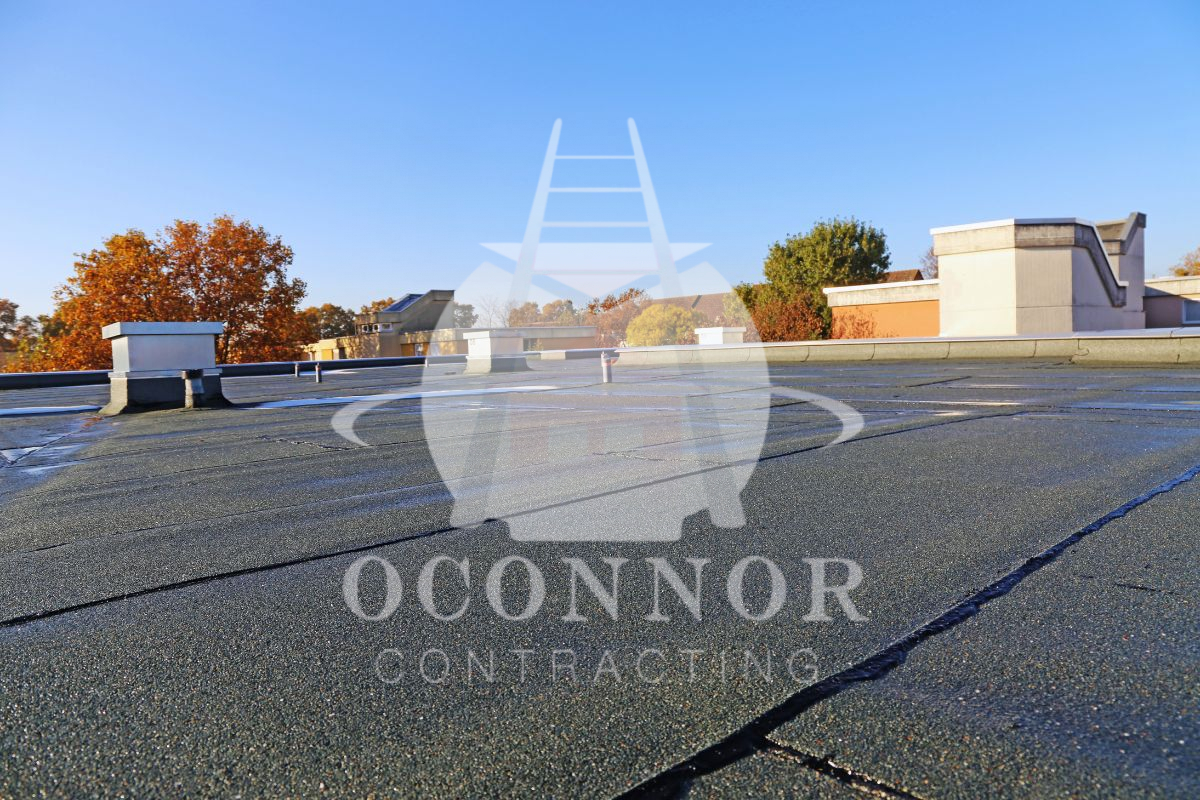
Depew sits right in the heart of Western New York's lake-effect snow belt, and that geography puts real demands on commercial roofs. Between heavy snow accumulation in winter, snowmelt combining with spring rain, and warm, humid summers that stress membrane seams and sealants, flat and low-slope roofs here face repeated pressure across every season. When those stresses go unchecked, small problems like a lifted membrane edge or a partially blocked drain can quietly get worse until your facility is dealing with active leaks, water-damaged insulation, or compromised deck material underneath.
A complete commercial roof inspection gives you a clear picture of where your roof stands before those small defects turn into expensive repairs. OConnor Contracting works with building owners and property managers throughout the Depew area, inspecting the roof’s surface, seams, flashing, drainage points, and gaps that matter most on the membrane systems common to commercial properties here, including EPDM, TPO, and PVC roofs. Knowing what to look for on these systems, and understanding how local weather patterns affect them specifically, is what separates a thorough inspection from a quick walkover.
For commercial properties in this region, scheduling an inspection in spring or fall tends to surface the most useful information. Post-winter inspections catch damage left behind by temperature changes, ice, and snow weight, while a fall inspection lets you address any weak points before cold weather returns. Older buildings with patched or layered roofing benefit especially from this kind of regular documentation, since prior repairs can mask early signs of failure if they are not checked consistently.
A commercial roof inspection is most effective when each stage is clearly outlined before the visit begins. Here is how OConnor Contracting approaches the process, so building owners and property managers know what to expect from start to finish.
Flat and low-slope membrane roofs have a lot of vulnerable details that need eyes on them regularly, especially in a region where temperature changes and heavy snow put consistent stress on seams, edges, and drainage systems. A complete inspection touches every area where problems tend to start on EPDM, TPO, and PVC systems common to commercial properties here.
For older buildings or roofs with layered repairs, this kind of complete documentation gives facility managers a reliable record to track condition over time and plan maintenance before problems escalate.
Beyond noting what's wrong today, a thorough inspection gives you a realistic read on how much life your roof has left based on membrane condition, seam wear, and the history of repairs already in place. For property managers and building owners planning budgets, that estimate is often as valuable as the inspection findings themselves.
New York State's Uniform Code and local requirements in Erie County apply when inspection findings lead to repair or replacement work, and knowing where your roof stands relative to those standards matters before any permitted work begins. Our inspection notes conditions that could trigger compliance requirements, so you are not caught off guard if the scale of work changes.
When previous inspection reports or repair records are available, we compare current conditions against that history to identify areas that are changing faster than expected. On older Depew-area commercial buildings where multiple repairs and added layers are common, that side-by-side comparison can reveal patterns a single inspection visit alone would miss.
Commercial roofs in the Buffalo metro area face strong seasonal winds off Lake Erie, and perimeter edges, termination bars, and membrane corners are where that wind stress shows up first. This review looks specifically at edge details and fastening conditions that standard surface walks often overlook, since a lifted edge or loose termination can escalate quickly once wind gets underneath the membrane.
Western New York winters leave their mark on commercial roofs, and the wet conditions that follow through spring can push small weak points into real problems quickly. For building owners and property managers with flat or low-slope systems, staying ahead of that cycle means less disruption to your facility, a longer lifespan for your roof, and fewer expensive surprises showing up in your maintenance budget. Catching a failing seam or a slow-drain issue early costs far less than addressing what those problems become if they sit through another season.
OConnor Contracting is ready to take a close look at your roof and give you a clear, honest picture of where it stands. If you have been putting off a scheduled inspection or you just want a reliable read on your roof's current condition, reaching out is a simple first step. We are here when you are ready.
Got questions about your roof? We’ve got answers. From maintenance tips to insurance claims and repair timelines, our FAQ section covers the most common concerns homeowners have. Get informed and make confident decisions about protecting your home.
Yes, and this is especially common on flat and low-slope membrane roofs where damage develops below the surface or at seam edges that are not visible from ground level. Wet insulation, deck staining, and seam adhesion loss can all be well underway before any exterior sign appears. In the Buffalo metro area, where repeated cycles of snow, ice, and snowmelt stress roofs from above while trapped moisture works from below, waiting for visible warning signs often means the problem is already much further along than it looks.
It does, because HVAC units, vents, and conduit runs each create their own seal points, and those areas tend to degrade faster than open sections of the membrane. The more gaps your roof has, the more entry points there are for water if sealant around pitch pans, curbs, or flashing transitions begins to crack or separate. Letting us know what equipment sits on your roof ahead of time helps us plan a thorough inspection rather than discovering the full scale of those details once we are already up there.
Lake-effect storms tend to deposit heavy, localized snow quickly, and flat roofs in the Depew area can hold that accumulation much longer than pitched roofs because there is nowhere for it to shed naturally. As that snow sits and then melts, often while more precipitation is already falling, drains and scuppers that are even partially blocked can back up and leave standing water pressing against seams and membrane edges for extended periods. That prolonged moisture contact is one of the main reasons drainage and perimeter conditions deserve especially close attention on Western New York commercial roofs after the colder season ends.
Don’t wait – secure your home with Buffalo’s leading roofers today!

Affordable
Pricing

Locally Owned & Operated

Quality Roofing Since 2014