Don’t wait – secure your home with Buffalo’s leading roofers today!
 716-600-ROOF
×
716-600-ROOF
×
106 Hubbardston Pl, Buffalo NY
Open 24 Hours
Clarence sits close enough to Lake Erie that the weather here has a personality of its own. Wind-driven rain pushes hard against gutter seams, heavy snow settles in for months at a time, and the temperature swings between winter and summer put real stress on aging systems. Add in the mature trees that line so many properties throughout this suburb, and you have a constant stream of debris filling gutters, blocking downspouts, and forcing water to spill over the edges. For homes built between the 1970s and 1990s, which make up a large part of the Clarence housing stock, that overflow does not just look bad. It works its way into foundations, behind siding, and along fascia boards until what started as a gutter problem turns into something far more expensive to fix.
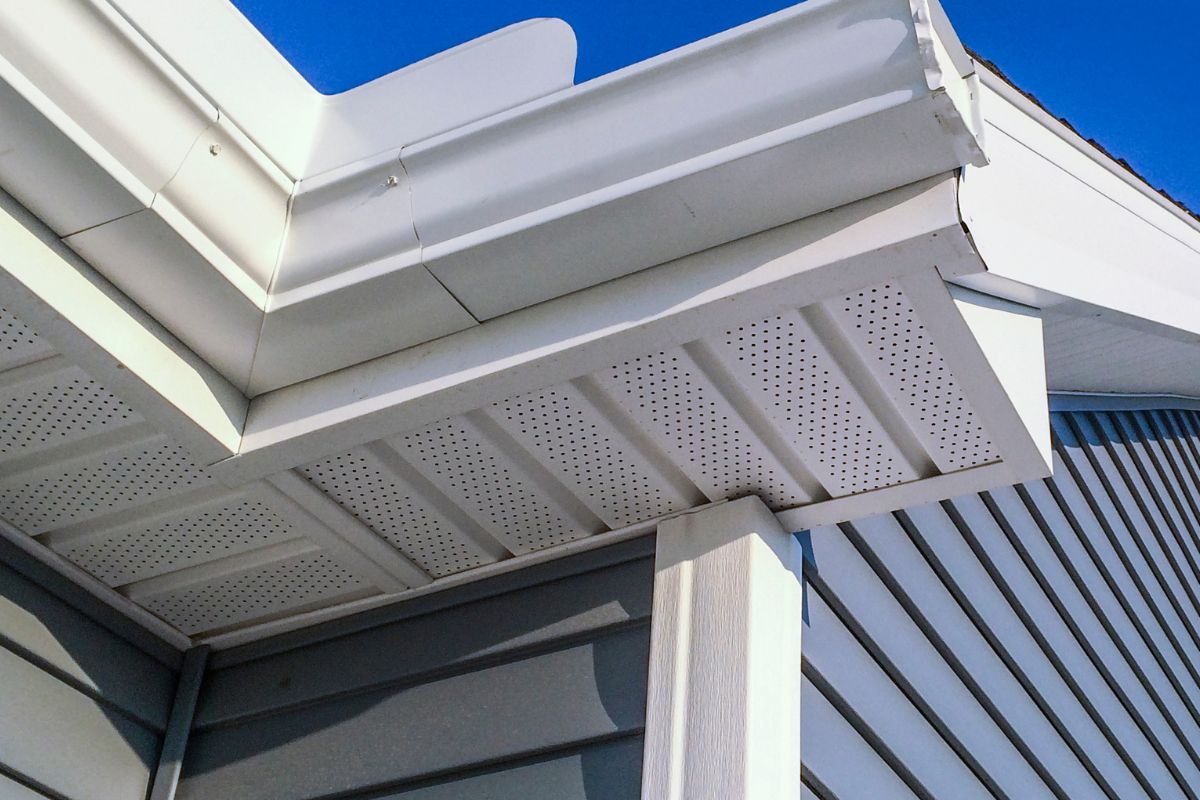
That is where proper gutter replacement makes a real difference. New gutters sized and pitched correctly for your home handle the volume of rain and snowmelt that Clarence weather actually delivers, not just what a standard spec sheet assumes. OConnor Contracting works throughout Erie County and understands what exterior systems on local homes face year after year. We help homeowners get complete protection from the roofline down, starting with quality work at the top of the structure and extending through gutters installed to handle the specific needs of this area. If your current system is pulling away from the fascia board, leaking at the seams, or simply past its useful life, replacement is the practical next step.
The transition to a modernized drainage system involves a structured progression of hardware audits and technical installations designed to ensure long-term structural protection.
Choosing the right gutter profile and material for your home makes a bigger difference than most people realize. The right fit depends on your roof type, the surrounding trees, and how much water and debris your system needs to handle through a full year of Clarence weather.
| Option | Best Suited For | Key Benefit |
|---|---|---|
| 5-inch seamless aluminum | Standard residential rooflines with moderate tree coverage | Resists rust at seams, handles typical rain and snowmelt volume |
| 6-inch seamless aluminum | Slate, metal, or steeper-pitched roofs with heavy runoff | Higher capacity for rapid melt surges and wind-driven rain |
| 6-inch with gutter guards | Properties with dense maple and oak canopy | Reduces debris buildup that overwhelms standard profiles |
| Heavy-duty profiles | Commercial roofs using TPO or EPDM systems | Manages wider roof expanses with less frequent maintenance access |
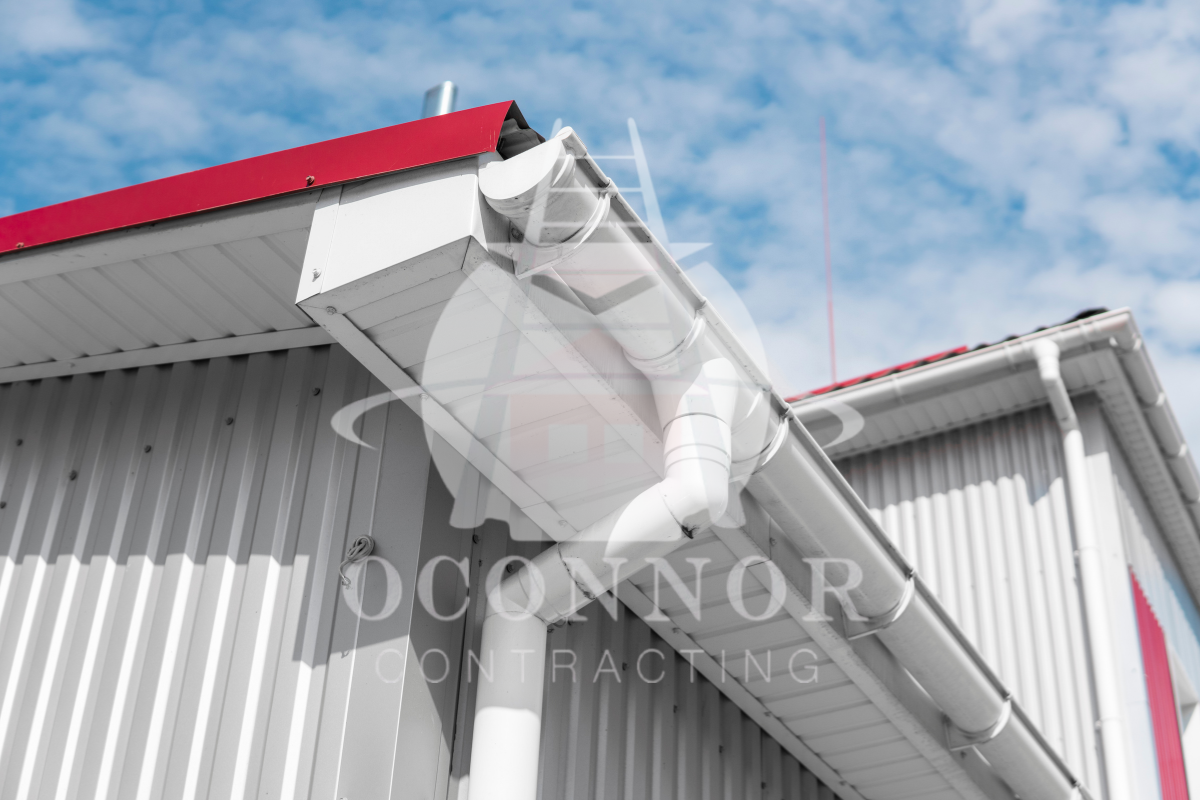
Downspout extensions are worth factoring in regardless of which profile you choose. The clay-heavy soils throughout Erie County do not absorb water quickly, and without proper extensions directing runoff away from your foundation, even a well-installed gutter system can create problems at ground level. Seamless construction, the right size, and proper downspout placement work together to protect your home from the roofline all the way down.
Clarence gets a real mix of weather across the year, and your gutters take the brunt of it. A properly sized, well-installed system protects your foundation, fascia boards, and siding from the kind of slow water damage that quietly adds up over time. For ranch and colonial style homes throughout the Clarence area, new gutters also refresh the look of the exterior, which matters when it comes to maintaining your property's value. Getting replacement work done before the next seasonal shift means your home is ready to handle whatever comes next without scrambling to address a failing system mid-winter.
OConnor Contracting helps Clarence, NY, homeowners protect their homes with gutter systems built for the conditions here, not just general specs. If your current gutters are showing their age or not keeping up, reach out to schedule an evaluation. We'll take a look at what you have and help you figure out the right path forward.
Got questions about your roof? We’ve got answers. From maintenance tips to insurance claims and repair timelines, our FAQ section covers the most common concerns homeowners have. Get informed and make confident decisions about protecting your home.
The large maple and oak canopy throughout Clarence drops a heavy mix of leaves, seeds, and debris that can overwhelm a standard 5-inch gutter, especially during fall and spring. If your yard has significant tree coverage close to the roofline, moving up to a 6-inch profile or pairing your new gutters with guards can prevent the constant clogging that leads to overflow and fascia board damage. A contractor familiar with the area can look at your specific tree situation and tell you which setup will actually keep up without requiring constant attention.
In many areas, downspouts that discharge a foot or two from the foundation cause no real problems because the soil absorbs runoff quickly. Clarence sits on dense clay-heavy ground that sheds water rather than soaking it in, which means runoff that pools near your foundation has nowhere to go and creates pressure against the structure over time. Proper installation here means extensions long enough to carry water well away from the house, with discharge pointed toward areas where it can drain freely. It is one of those details that does not show up on a basic estimate but makes a significant difference in how well the system actually protects your home.
Late spring and early fall tend to be the best windows, not just for scheduling availability but because the materials seal and set more reliably in moderate temperatures. Installations done during deep winter can be more difficult to complete with proper fit and secure fastening when everything is frozen. Getting ahead of the schedule before the fall leaf drop also means your new system is ready to handle the debris season rather than struggling through it with a worn-out setup.
Don’t wait – secure your home with Buffalo’s leading roofers today!

Affordable
Pricing

Locally Owned & Operated

Quality Roofing Since 2014