
Don’t wait – secure your home with Buffalo’s leading roofers today!
 716-600-ROOF
×
716-600-ROOF
×
106 Hubbardston Pl, Buffalo NY
Open 24 Hours
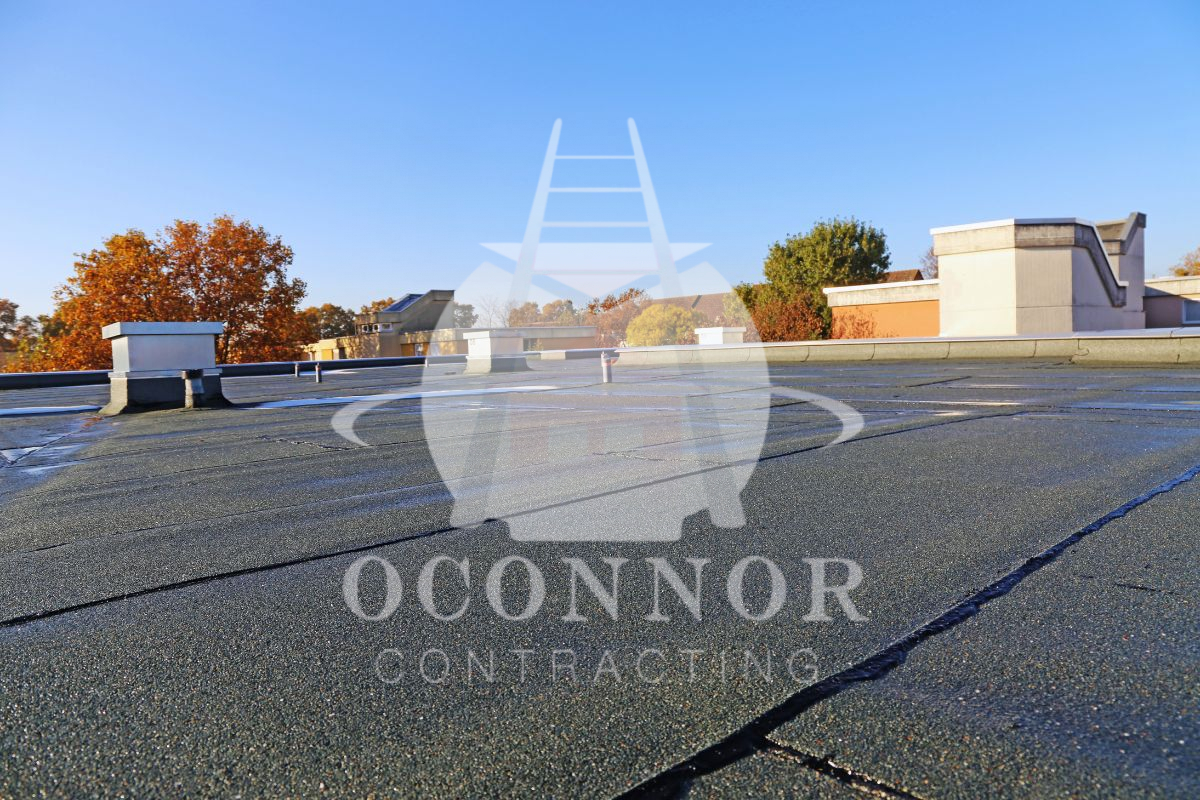
Protecting your commercial property in Cheektowaga means staying ahead of the weather conditions that challenge flat and low-slope roofs throughout the year. With over 90 inches of snow and significant rainfall annually, commercial buildings face constant exposure to standing water, ice buildup, and the stress of temperature changes that cause roofing materials to expand and contract. Flat roofs on office buildings, warehouses, and industrial facilities are especially vulnerable to moisture problems when drainage systems clog or membrane seams begin to separate. Without regular professional inspections, small issues like ponding water or minor membrane damage can lead to leaks that disrupt business operations and require emergency repairs.
OConnor Contracting provides thorough commercial roof inspections that identify problems before they affect your tenants or inventory. We understand how local weather patterns impact common commercial roofing materials like TPO, EPDM, and modified bitumen, and we know what to look for on the low-slope structures that dominate the Cheektowaga commercial landscape. Our inspections cover drainage performance, membrane condition, the flashing’s structural integrity, and structural concerns that could compromise your building's protection. We also help property managers maintain the documentation needed to meet Erie County requirements and keep your facility in compliance.
When your commercial roof shows signs of wear or damage, knowing its condition helps you plan confidently. Our inspection process identifies problems clearly and explains what actions are necessary.
Commercial roofs with TPO, EPDM, and modified bitumen membranes face specific vulnerabilities from local weather patterns. Our inspections focus on the areas where Cheektowaga conditions cause the most frequent problems. We check the seam’s structural integrity where temperature changes cause materials to expand and contract, examine membrane surfaces for blistering or alligatoring from summer heat, and verify that drainage systems handle heavy rainfall and snowmelt without creating ponding. Flashing around rooftop equipment, parapet walls, and gaps get close attention because these transition points often develop leaks first.
| Roof Material Type | Primary Inspection Focus |
|---|---|
| TPO | Seam welds and coating wear from UV exposure |
| EPDM | Seam adhesion and membrane punctures from debris |
| Modified Bitumen | Surface blistering and alligatoring from thermal stress |
We recommend twice-yearly inspections to catch problems before they escalate. Spring inspections after winter verify that drainage edges and flashing withstood heavy snow pressure, while fall inspections before cold weather arrives identify coating wear or membrane damage that developed during summer. Our documented findings help you meet Erie County requirements for nonresidential properties and provide the records you need for maintenance planning.
Regular inspections help you avoid the disruptions and expenses that come with unexpected roof failures at your commercial facility. When drainage issues or membrane damage go unnoticed, the resulting leaks can force you to relocate inventory, close sections of your building, or interrupt tenant operations while crews make emergency repairs. Staying ahead of problems keeps your property protected and your business running without expensive surprises.
OConnor Contracting provides honest inspections that give you the information you need to make smart maintenance decisions. Whether you manage a warehouse, office building, or retail facility, we'll show you exactly what's happening with your roof and help you plan the right approach. Contact OConnor Contracting to schedule your inspection and keep your Cheektowaga property weather-tight.
Got questions about your roof? We’ve got answers. From maintenance tips to insurance claims and repair timelines, our FAQ section covers the most common concerns homeowners have. Get informed and make confident decisions about protecting your home.
Spring and fall deliver the best inspection conditions because crews can thoroughly examine your entire roof without working in extreme temperatures or handling snow-covered surfaces. Spring inspections after snowmelt reveal any damage caused by winter weather and give you time to make repairs before summer storms arrive. Fall inspections catch wear that developed during hot weather and ensure your roof is ready before the next snow season begins.
Yes, your business can operate normally while we inspect your roof. Our team accesses the roof through exterior routes or designated hatches without entering tenant spaces or disrupting customer areas. We coordinate timing with your facility manager to avoid conflicts with deliveries, shift changes, or any activities that require quiet conditions.
Many serious roof problems develop long before water appears inside your building. We look for early warning signs like membrane shrinkage pulling away from flashing, minor punctures that haven't leaked through the roof deck yet, and areas where water ponds longer than 48 hours after rainfall. Catching these issues before they create interior damage saves you from much more expensive repairs and protects your inventory or equipment from water exposure.
Don’t wait – secure your home with Buffalo’s leading roofers today!

Affordable
Pricing

Locally Owned & Operated

Quality Roofing Since 2014