
Don’t wait – secure your home with Buffalo’s leading roofers today!
 716-600-ROOF
×
716-600-ROOF
×
106 Hubbardston Pl, Buffalo NY
Open 24 Hours
Buffalo winters are hard on roofs. Between heavy snow, persistent lake-effect moisture, and repeated temperature changes that cause materials to expand and contract, your roof takes a beating that most other climates simply don't deliver. Over time, that kind of stress wears down shingles, loosens flashing, and opens the door to leaks around chimneys, valleys, and eaves. For homeowners in older Buffalo neighborhoods, where many houses were built a century ago or more, those issues often add up quietly until what started as worn shingles becomes a much bigger problem for the roof deck underneath.
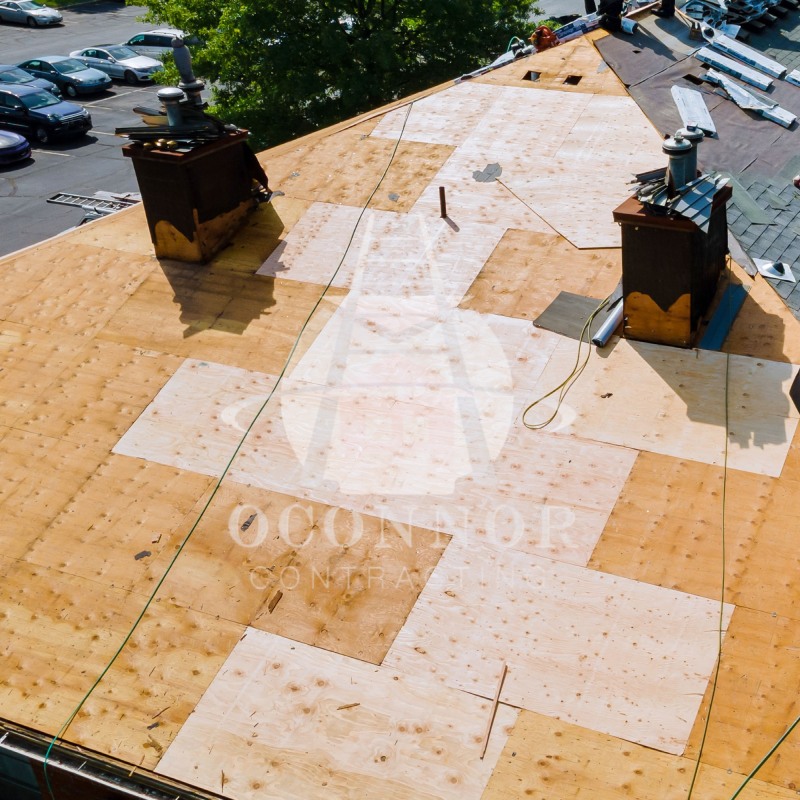
A full roof replacement gives your home a clean slate, done right from the deck up. That means addressing any hidden damage before it gets buried under new materials, replacing outdated flashing around dormers and gaps, and making sure underlayment and ventilation are set up to handle what Western New York winters actually bring. OConnor Contracting has worked on Buffalo-area homes long enough to know that a well-installed roof here requires more than showing up with shingles. The rooflines on local homes, often featuring dormers, gables, and additions, demand careful detailing at every intersection to keep water out year after year.
Knowing what to expect before a roof replacement begins helps remove a lot of uncertainty during the project. Here is how OConnor Contracting manages a residential roof replacement from the initial inspection through completion.
Choosing the right time to replace your roof and understanding what influences performance under Buffalo's weather conditions can save you headaches down the road. Buffalo's extended cold season, heavy snow, and repeated temperature changes put specific demands on roofing materials that are worth knowing before you make decisions.
| Factor | Why It Matters in Buffalo | What to Consider |
|---|---|---|
| Timing Your Replacement | Warmer conditions help asphalt shingles seal properly and reduce weather delays | Late spring through fall is the most practical window in Erie County |
| Underlayment Quality | Repeated temperature changes and moisture from lake-effect weather stress the layers beneath your shingles | A heavier underlayment adds an important barrier against leaks |
| Attic Ventilation | Poor ventilation accelerates shingle wear and contributes to ice buildup along eaves in winter | Ventilation should be inspected and corrected during replacement if needed |
| Flashing at Key Points | Chimneys, dormers, and valleys are the most common sources of leaks on older Buffalo homes | New flashing at every gap is essential, not optional |
| Deck Condition | Older Buffalo homes frequently have hidden deck damage discovered while the roof is open | Deck repairs should be addressed before new materials are installed |
Getting these details right matters more on a Buffalo roofline than on a simpler structure. Homes with dormers, additions, and multiple roof intersections leave less room for shortcuts, and the right material decisions made upfront protect your investment far longer than a rushed or incomplete installation would.
Buffalo's repeated temperature changes through winter create real ice buildup risk at roof edges, and valleys where two roof planes meet are among the most vulnerable spots on any local home. A proper replacement includes an ice and water barrier membrane in these areas specifically, giving you a secondary line of defense against leaks that standard underlayment alone does not provide.
Full tear-off of your old shingles and underlayment is part of the job, not an add-on. Starting from a clean deck lets the crew properly inspect what is underneath and ensures new materials go down on a flat, solid surface rather than over layers that could hide problems or affect how shingles lie and seal.
The ridge line at the peak of your roof needs to be finished with purpose-made ridge cap shingles, and in most cases, a properly installed ridge vent is part of that work. This detail affects both weather tightness at the highest point of your roof and airflow through your attic, which matters during Buffalo's long cold stretches when trapped heat and moisture can shorten shingle life from the inside out.
Every pipe, vent stack, and roof gap is a potential entry point for water if it is not sealed correctly during installation. New rubber pipe boots and properly integrated flashing around each gap are included in the replacement, because skipping or cutting corners on these details is one of the most common reasons a newer roof develops leaks well before its time.
Buffalo's winters are long, and a roof that's been through decades of heavy snow, persistent moisture, and repeated temperature changes doesn't get more forgiving with age. Replacing your roof before hidden deck damage or failing flashing turns into a bigger repair protects your home and keeps your investment intact. If your timing is flexible, late spring through fall gives new shingles the warmer conditions they need to seal properly, which is worth considering as you plan.
OConnor Contracting works on homes throughout the Buffalo area because this market has specific demands that require real local experience. If you're ready to get a closer look at what your roof actually needs, we're glad to help you figure out the right path forward. Reach out when you're ready, and we'll take it from there.
Got questions about your roof? We’ve got answers. From maintenance tips to insurance claims and repair timelines, our FAQ section covers the most common concerns homeowners have. Get informed and make confident decisions about protecting your home.
It does, and it's one of the more practical decisions you'll make during a replacement. Repeated cycles of heavy snow, moisture, and thawing put more stress on shingles than standard weather ratings account for, so material weight, flexibility in cold temperatures, and how well a shingle resists moisture absorption all matter here more than they would in a drier climate. We can walk you through the options that have performed well on Western New York homes specifically, rather than just pointing you to whatever carries the longest warranty number.
Yes, and it's something Buffalo homeowners with older homes run into often. Every valley, dormer intersection, and change in roofline pitch requires more careful flashing work and takes more time to do correctly than a simple rectangular roof would. That added complexity affects both labor and the amount of material needed, so a detailed look at your specific roofline is the only way to give you an accurate picture of what the project involves.
Winter replacement is possible in an emergency, but it comes with real limitations. Cold temperatures slow or prevent asphalt shingles from sealing properly, which affects long-term performance, and working conditions on a snow-covered or icy roof create safety challenges that can slow the job significantly. If your situation allows for any flexibility at all, scheduling your replacement before winter sets in gives the installation the best chance of going smoothly and performing the way it should for years to come.
Don’t wait – secure your home with Buffalo’s leading roofers today!

Affordable
Pricing

Locally Owned & Operated

Quality Roofing Since 2014