Don’t wait – secure your home with Buffalo’s leading roofers today!
 716-600-ROOF
×
716-600-ROOF
×
106 Hubbardston Pl, Buffalo NY
Open 24 Hours
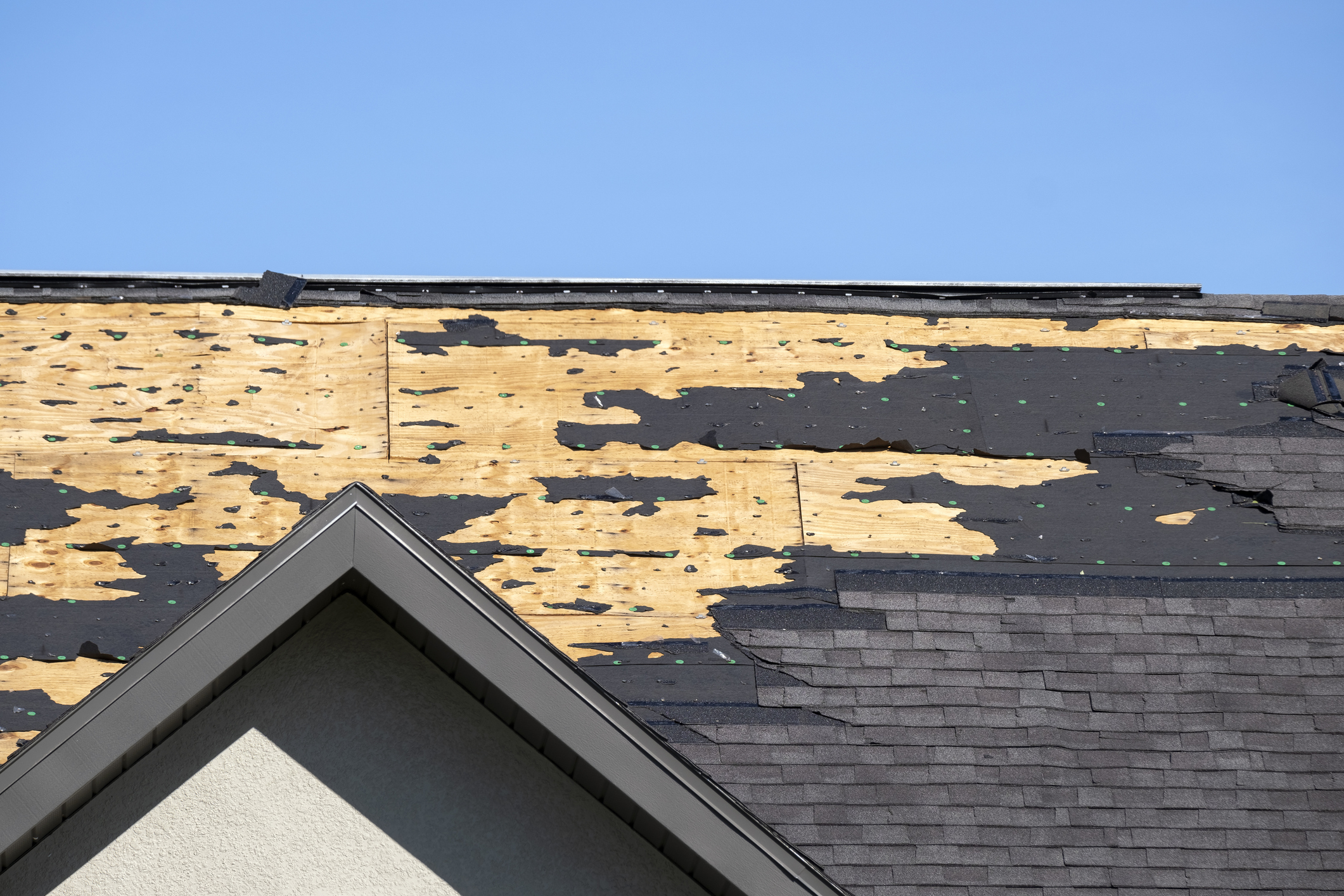
Buffalo winters don't give your roof much of a break. Between lake-effect snow that can pile up fast, high winds that pull shingles loose, and sharp temperature changes that turn a small crack into an active leak overnight, the conditions here are genuinely hard on residential roofs. Older homes in established Buffalo neighborhoods face even more pressure, since aging shingles and flashing have less tolerance for the kind of punishment a typical winter season delivers. When something gives way, the damage doesn't wait for a convenient time to spread into your ceilings, walls, or attic.
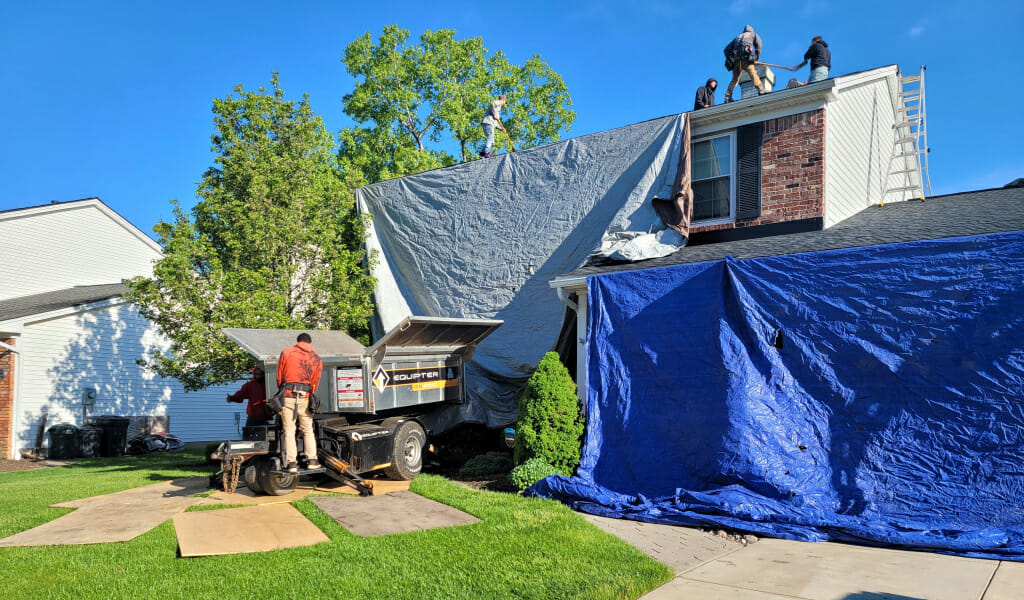
That's exactly where emergency roofing help becomes important. Getting a professional on your roof quickly, whether to tarp an exposed area, remove debris from a storm, or stop water from reaching your living space, is what separates a repair job from a full-scale restoration. OConnor Contracting works with Buffalo homeowners facing these situations and responds when the problem can't wait. Fast, temporary weatherproofing followed by permanent repairs once conditions are safe is the standard approach here, and it's built around the way Buffalo weather actually behaves.
If you're seeing water stains on a ceiling, missing shingles, or sagging areas on your roof, those are signs that something needs attention now. The longer an opening stays exposed to snow, ice, and wind, the more of your home it affects.
When a roof fails suddenly, having a clear process helps keep the situation from getting worse. Here is how OConnor Contracting handles emergency roofing calls from the first response through final repair.
Not every roof problem announces itself with a waterfall coming through your ceiling. In Buffalo, some of the most serious damage starts small and moves fast once snow, ice, or wind gets involved. Knowing what to look for inside and outside your home can help you act before a minor issue turns into something much worse.
After a storm, photographing any visible damage is a practical step. It documents the condition of your roof before temporary repairs are made and gives you a clear record if you need to report a loss to your insurer.
Fallen branches, built-up ice, and wind-driven debris don't just sit on your roof; they add weight and trap moisture that accelerates damage to shingles, flashing, and gutters. Clearing the affected area is a direct part of emergency work, not an afterthought, because what's sitting on your roof often makes the underlying problem worse by the hour.
Many Buffalo homes have flat or low-slope sections, like porch roofs or additions, that drain poorly when snow and ice begin to melt. These areas are especially vulnerable to active leaks during thaw periods, so emergency work addresses sealing these sections and protecting their edges and gaps before water finds a way through.
When water is already inside your home, stopping the spread matters as much as patching the roof itself. Emergency roofing includes containing interior water entry points to limit how far moisture travels into your attic, insulation, or walls while the roof above is being stabilized.
Flashing around chimneys, vents, and roof transitions fails more often on older Buffalo homes, and gutters pulled loose by heavy snow or ice can leave roof edges exposed. Emergency response addresses these specific failure points directly, since an open flashing joint or detached gutter section can feed water into your home just as quickly as a missing shingle.
Buffalo roofs take a beating that homeowners in milder climates rarely deal with. Snow that accumulates quickly, winds that find every weak spot, and temperature swings that stress aging materials all add up over time, and when something finally gives, it rarely happens at a convenient moment. Acting quickly when your roof is compromised is what keeps a repair from spreading into something that touches your framing, insulation, or interior walls. The sooner an exposed area is protected, the more of your home stays intact while permanent repairs are planned.
OConnor Contracting is here to help Buffalo homeowners work through emergency roofing situations without guesswork or pressure. If you're seeing warning signs inside or outside your home, reaching out sooner rather than later is simply the practical move. Contact us when you're ready, and we'll walk through what's happening and what needs to be done.
Got questions about your roof? We’ve got answers. From maintenance tips to insurance claims and repair timelines, our FAQ section covers the most common concerns homeowners have. Get informed and make confident decisions about protecting your home.
A properly installed tarp is designed to get you through until permanent repairs can be made safely, but it is not meant to sit on your roof for months through repeated freeze and thaw cycles. The goal is to stop water from entering your home right now while conditions are evaluated. Once the weather cooperates and the roof is safe to work on, permanent repairs replace the temporary protection entirely.
Ice dams form when heat escaping through your roof melts snow near the ridge, and that water refreezes along the colder eaves, backing up behind the ice and forcing water under shingles. A leak that seems minor before an ice dam forms can suddenly push water much deeper into your roof deck and attic once that backed-up meltwater has nowhere else to go. This is one of the reasons a small drip during a warm spell in Buffalo can turn into significant interior damage before the storm even ends.
The materials and methods used for emergency repairs are chosen specifically to perform under the weather conditions your roof will face right away, not ideal installation conditions. A temporary fix done correctly is more effective than waiting for perfect weather while your roof stays open. After each stage of work, we verify that the repair is secure and that no additional vulnerable spots were uncovered during the process.
Don’t wait – secure your home with Buffalo’s leading roofers today!

Affordable
Pricing

Locally Owned & Operated

Quality Roofing Since 2014