Don’t wait – secure your home with Buffalo’s leading roofers today!
 716-600-ROOF
×
106 Hubbardston Pl, Buffalo NY
Open 24 Hours
Boston, NY sits in Erie County, where winter is not just cold. It’s relentless. Lake-effect snow off Lake Erie pushes annual snowfall well past 100 inches, and precipitation falls on more than 160 days a year. That kind of weather puts constant stress on roofs, and the older housing throughout the area means many homes are already working with aging shingles, worn flashing, or previous patch repairs that were never fully addressed. When a major snowstorm rolls through or temperatures swing sharply from late fall into spring, those underlying issues can turn into active leaks faster than most homeowners expect.
Emergency roofing in this part of Western New York often involves more than just patching a hole. Ice dams are a real and recurring problem here, forming when heat escapes through the roof deck and melts snow that then refreezes at the eaves. Water backs up under shingles, works into valleys, and finds its way inside. Before any repair can hold, that ice and snow often needs to come off first.
That is just the reality of winter roof work in this market, and it shapes how emergency calls need to be handled from the first phone contact to the final repair.
OConnor Contracting works throughout the Boston, NY area and understands the specific conditions that drive emergency calls here. From wind-driven rain in the fall to heavy snow and ice in winter, the team is equipped to respond quickly, protect your home, and address the root cause.
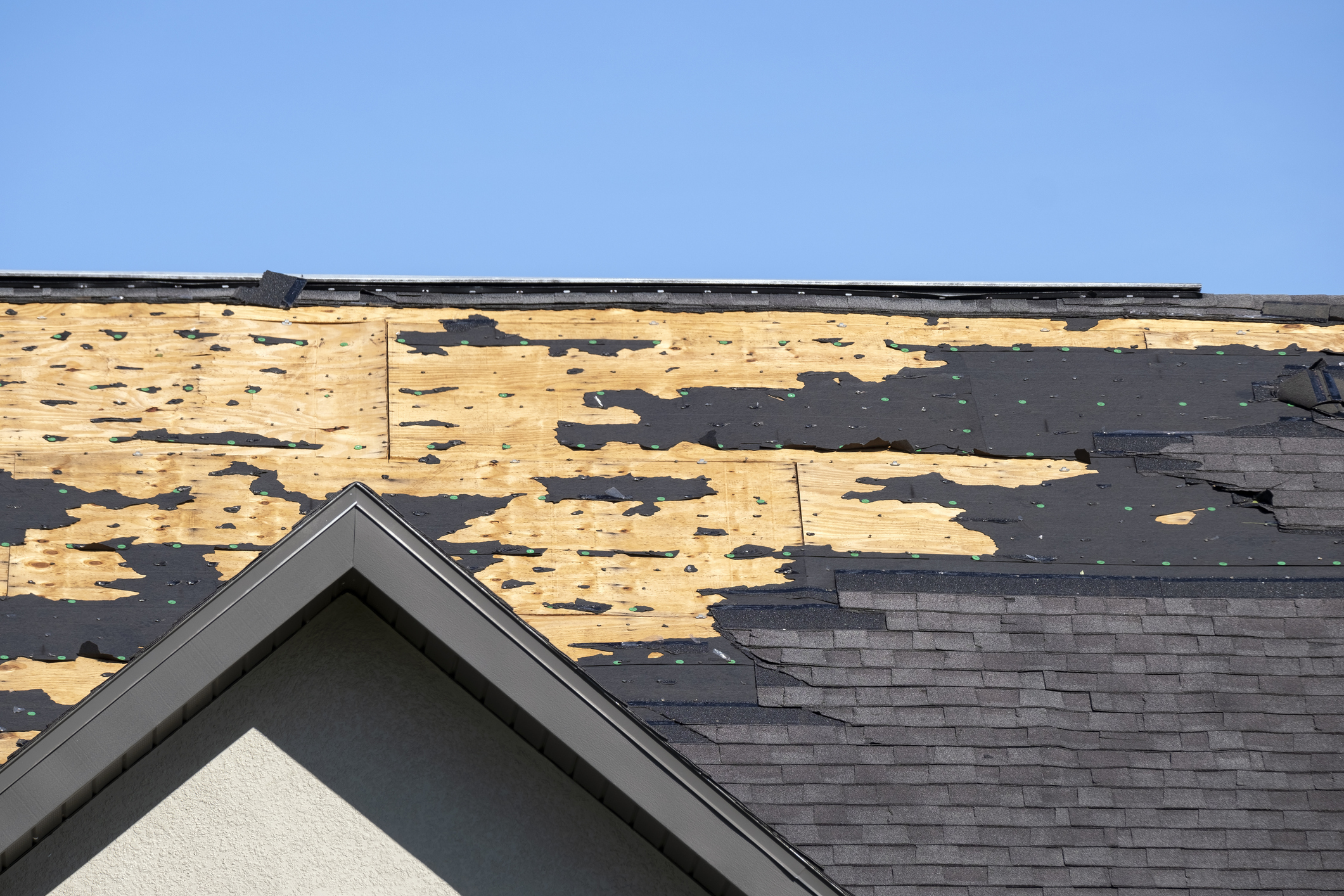
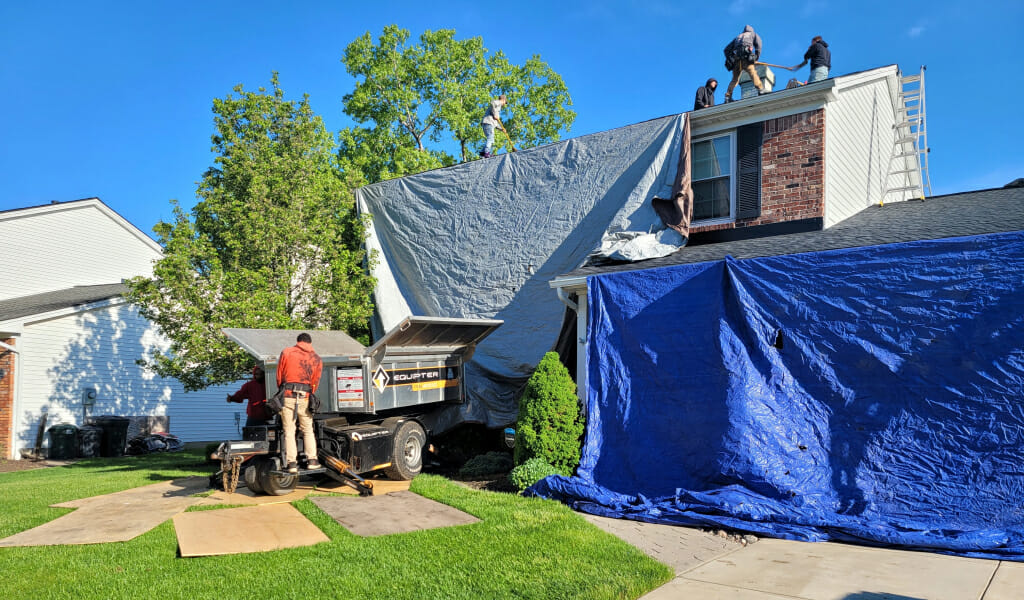
Active roof damage requires immediate protection before a complete repair can be evaluated. OConnor Contracting addresses the urgent condition first, then determines the permanent work based on what the inspection reveals.
Winter in Erie County brings conditions that push roofs to their limits. Heavy snow, sharp temperature changes, and wind-driven rain expose weaknesses that may have gone unnoticed for years, especially in older homes with aging shingles or worn flashing. Knowing what typically triggers emergency calls in this area can help you recognize a developing problem before it becomes a serious one.
| Emergency Issue | Common Cause | Typical Urgency |
|---|---|---|
| Ice dam formation | Heat loss through the roof deck melts snow, which refreezes at the eaves | High: water backs up under shingles quickly |
| Active leak at valleys | Snow and ice buildup channels water into vulnerable seams | High: water spreads fast once inside |
| Flashing failure | Age, past patchwork repairs, and temperature changes loosen seals | Moderate to high: depending on exposure |
| Shingle blow-off | Wind-driven storms lift shingles weakened by age or improper nailing | High: leaves deck exposed immediately |
| Leak after heavy snow | Weight and moisture stress reveal hidden cracks or gaps in the surface of the roof | High: becomes worse during thaw periods |
Many emergency calls in this area involve more than one of these issues at once. A single storm can expose failing flashing, lift a shingle, and accelerate ice dam formation all at the same time. Getting a complete inspection done quickly helps identify every problem, not just the visible one.
In Boston, NY winters, clearing snow and ice from the damaged area is often the first physical step before any material repair can take place. Skipping this step means repairs made over packed ice or wet shingles are far less likely to hold when the next storm hits.
When permanent repairs need to wait for safer conditions or material availability, heavy-duty tarping keeps your home protected in the meantime. This stops water from reaching your interior while a proper fix is being prepared, which matters a lot during a Western New York winter that can dump several inches of snow overnight.
Failing flashing around chimneys, vents, and roof edges is one of the most common causes of leaks in older Erie County homes, especially after years of temperature changes and patchwork repairs. OConnor Contracting addresses flashing directly as part of emergency repairs rather than treating it as a separate follow-up job.
Ice dams do not form by accident. They are usually a sign that heat is escaping through your roof deck due to gaps in attic insulation or poor ventilation. Identifying those conditions during an emergency visit means you get a better picture of why the problem happened, not just where it showed up.
Boston winters are hard on roofs, and homes throughout Erie County that have been patched over the years are especially exposed when conditions turn. A small leak that starts during a snowstorm can spread quickly if the underlying cause is not addressed, and waiting often makes the repair more involved than it needed to be. Whether you are heading into the heavy snow months or dealing with an active problem right now, getting the roof looked at sooner rather than later protects your home and keeps repair costs from growing.
OConnor Contracting is ready to help when you need it most. If your roof is showing signs of trouble, reach out and let the team take a look. There is no pressure, just straightforward answers about what is happening and what it will take to fix it right.
Got questions about your roof? We’ve got answers. From maintenance tips to insurance claims and repair timelines, our FAQ section covers the most common concerns homeowners have. Get informed and make confident decisions about protecting your home.
It can, yes. Lake-effect storms in this part of Western New York can drop heavy snow in short windows, which sometimes means a repair needs to be staged across more than one visit if conditions are not safe for full material work. The priority on the first visit is always to stop water from getting in and protect the exposed area. Once the weather cooperates, the permanent repair follows.
It depends on the scale of work. In Erie County, temporary repairs like tarping or patching a small area typically do not require a permit, but full reroofing or replacement work generally does. OConnor Contracting is familiar with local permit requirements and will let you know upfront if your repair falls into regulated territory so there are no surprises down the road.
Often, yes. Older homes in this area that have had patchwork done over the years can have layers of problems sitting underneath the most recent damage. A new leak in those situations is frequently a sign that earlier repairs did not address the full picture. Getting a complete inspection of the surrounding area, not just the obvious damage point, helps ensure the repair actually holds rather than just buying a little time before the next call.
Don’t wait – secure your home with Buffalo’s leading roofers today!

Affordable
Pricing

Locally Owned & Operated

Quality Roofing Since 2014

