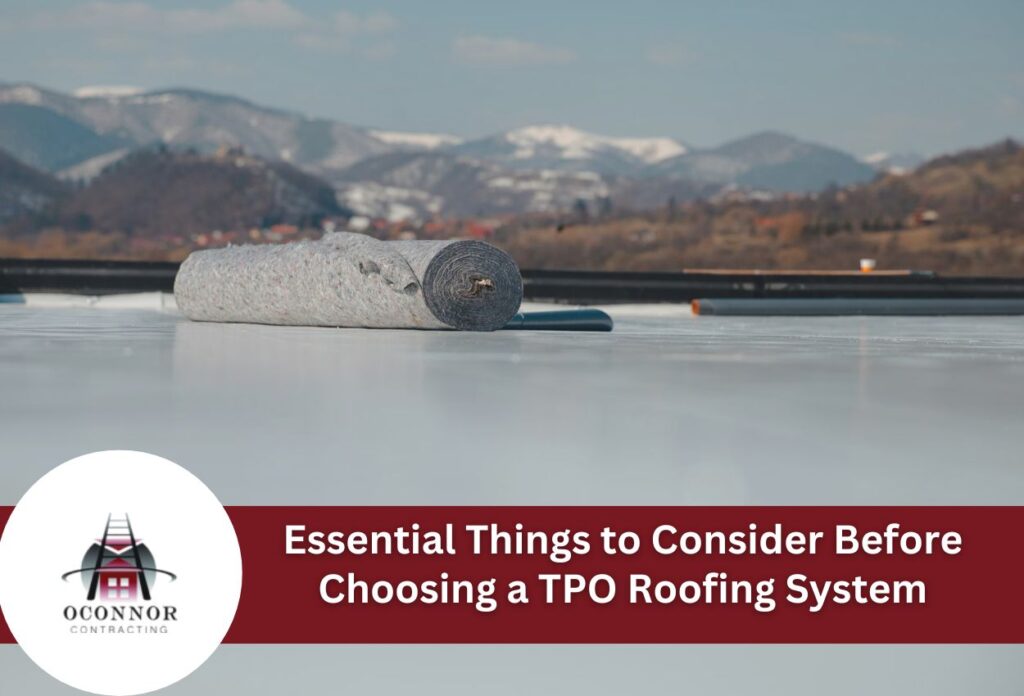
TPO has become one of the most popular commercial flat roof options for property owners looking for reliable, energy-efficient protection. This thermoplastic polyolefin membrane offers a compelling combination of durability, reflective properties, and cost-effectiveness that appeals to building managers in different industries.
Understanding the key things to consider before choosing a TPO roofing system can mean the difference between a successful long-term investment and repeated repairs down the road. TPO roofing material benefits include excellent resistance to UV rays, punctures, and chemical exposure, making it particularly suitable for buildings with heavy foot traffic or rooftop equipment.
The TPO installation process requires specific expertise and membrane welding techniques to create watertight seals. The membrane’s white surface provides superior solar reflectance, reducing cooling costs in warmer months while maintaining flexibility in temperature fluctuations. When evaluating options, property owners often compare TPO and EPDM systems, examining factors like roof lifespan and durability.
Several critical factors determine whether TPO suits a particular building. Climate conditions, building structure, intended use, and maintenance capabilities all influence the success of a TPO roof system. Making the right decision about TPO for your building requires carefully looking at these essential factors to ensure your property remains protected for decades to come.
Climate Compatibility and Weather Resistance
TPO roofing material benefits include climate adaptability, making it a strong choice for buildings facing harsh weather conditions. The membrane’s thermoplastic composition maintains flexibility even in sub-zero temperatures, preventing cracking and splitting that can occur with other roofing materials during freeze-thaw cycles.
Snow load resistance is another key strength of TPO systems. The smooth, non-porous surface allows snow and ice to slide off more easily than textured alternatives, reducing accumulation and weight on structural elements. If ice dams do form, TPO’s chemical resistance prevents damage from ice melt chemicals commonly used for removal.
Temperature fluctuations present challenges for many commercial flat roof options, but TPO demonstrates exceptional thermal stability. The material expands and contracts uniformly, maintaining membrane integrity across seasonal temperature swings that can exceed 100 degrees between summer and winter conditions.
UV protection distinguishes TPO from many competing systems. The white reflective surface reflects a significant percentage of solar radiation, significantly reducing heat absorption and extending the roof’s lifespan. This reflectivity translates directly into improved energy efficiency, lowering cooling costs during the peak summer months.
The membrane’s durability also includes excellent resistance to hail impact, wind uplift, and moisture. These characteristics contribute to reduced maintenance requirements and consistent building protection across varying weather conditions.
Building Structure and Installation Requirements
Roof deck preparation is the first step in a successful TPO installation. The existing substrate must provide adequate structural support, proper slope for drainage, and a clean, dry surface for membrane adhesion. Structural engineers often need to evaluate load-bearing capacity, particularly when upgrading from lighter roofing systems to TPO membranes with additional layers of insulation.
The condition of the roof deck directly impacts the installation timeline and complexity. Concrete decks require thorough cleaning and primer application, while steel decks may need additional fastening considerations. Any structural irregularities, rooftop equipment, or drainage issues must be addressed before TPO installation begins, as these factors significantly influence both the labor and materials needed.
The importance of professional installation cannot be overstated when choosing between commercial flat roof options. TPO needs specialized equipment for heat welding seams, creating watertight bonds that determine long-term performance. Contractors must have extensive experience in TPO installation techniques, as improper welding compromises the entire system.
Choosing the right contractor is critical for TPO roofs. Experienced installers understand membrane expansion rates, appropriate fastening patterns, and quality control measures that guarantee the roof’s durability over its lifespan. Contractors should provide detailed installation specifications, warranty coverage, and references from similar commercial projects.
Installation complexity varies significantly based on roof configuration, number of gaps in the roof, and weather conditions during application. These factors influence project scheduling and determine whether TPO is the most practical choice for your specific building.
Expected Lifespan and Long-Term Durability
TPO roof lifespans typically range from 20 to 25 years under normal conditions, though several factors significantly influence this timeline. Installation techniques, regular maintenance, and local weather conditions all determine the actual service life. High-quality TPO membranes have excellent resistance to thermal cycling, UV exposure, and chemical degradation when installed correctly.
Material thickness directly correlates with longevity expectations. Standard 60-mil TPO membranes provide adequate protection for most applications, while 80-mil options offer enhanced puncture resistance and an extended service life in harsher climates. Additionally, the membrane’s ability to stay flexible over decades sets it apart from other commercial flat roof options that become brittle with age.
Common wear patterns include seam deterioration, puncture damage from foot traffic, and degradation around vents where water infiltration typically begins. Regular inspections can spot these issues before they compromise the system’s integrity. Membrane discoloration often occurs but rarely affects performance, while actual cracking or splitting requires immediate attention to prevent water damage.
Maintenance requirements remain relatively minimal compared to other roofing mateirals. Bi-annual inspections, removing debris, and immediately repairing minor damage all extend a TPO roof’s lifespan. Professional maintenance programs typically include drain cleaning, inspecting seams, and sealing around gaps to address areas most susceptible to premature failure.
Environmental factors such as extreme temperature fluctuations, chemical exposure, and mechanical damage from equipment installations can accelerate wear and reduce expected service life if not properly managed.
TPO vs. Other Commercial Roofing Material Options
When evaluating commercial flat roof options, property owners frequently compare TPO roofing materials against alternatives like EPDM rubber and modified bitumen systems. Each material has advantages, but understanding their performance differences helps determine the most suitable choice for your specific building.
Comparing TPO vs. EPDM reveals significant differences in installation and performance. EPDM utilizes adhesive or mechanical fastening methods, while TPO requires heat welding for seam connections. This difference makes TPO installation more labor-intensive but creates stronger, more reliable seams. EPDM’s black surface absorbs heat, increasing cooling costs compared to TPO’s reflective white membrane that reduces energy consumption.
Modified bitumen systems traditionally dominate low-slope applications but usually require torches and hot asphalt for installation, creating safety concerns and weather-dependent installation windows. The TPO installation process eliminates these hazards while providing comparable waterproofing. Modified bitumen systems demonstrate excellent puncture resistance but lack TPO’s chemical resistance. Built-up roofing systems involve multiple layers and extensive labor, making them more expensive to install than single-ply TPO membranes.
Maintenance requirements vary considerably between options, with TPO often needing less frequent repairs than multi-layer systems that develop multiple failure points over their service life.
Maintenance Requirements and Repair Considerations
Regular maintenance plays a crucial role in preserving the benefits of TPO roofing systems and preventing the need for premature replacement. Inspections should focus on seam integrity, membrane condition around equipment installations, and drainage system functionality. Removing debris from drains and roof surfaces prevents water pooling that can accelerate membrane deterioration and compromise the roof over time.
Cleaning requirements remain minimal but essential for maintaining energy efficiency. Power washing with mild detergent removes accumulated dirt and pollutants that can reduce the membrane’s reflective properties. Installing walking pads around frequently accessed areas protects the membrane from puncture damage and extends the TPO roof’s lifespan in high-traffic zones.
Common repair scenarios typically involve seam separation, puncture damage, or deterioration around roof vents or pipes. Small punctures can often be patched using compatible TPO materials and heat welding techniques, while larger damaged areas may need to be completely replaced. Accessibility factors significantly impact the complexity and cost of repairs, particularly on buildings with limited roof access or multiple elevation changes.
Seam repairs require specialized equipment and certified technicians familiar with proper welding procedures. Unlike some commercial flat roof options that allow temporary patches, TPO repairs generally need permanent heat-welded connections. When comparing TPO vs. EPDM maintenance requirements, TPO generally needs fewer repairs, but the repairs require more technical expertise when they are necessary.
Preventive maintenance programs typically prove less expensive than reactive repairs, helping building owners maximize their investment while maintaining consistent building protection throughout the membrane’s service life.
Budget Planning and Return on Investment
Initial investment planning for TPO roofing systems requires a careful evaluation of material grades and installation complexity factors that contribute to overall project expenses. Premium-grade TPO membranes with reinforced scrim backing cost more upfront but deliver enhanced puncture resistance and a longer service life compared to standard options. Installation complexity increases with intricate roof designs, different equipment, and existing decking conditions that may require additional preparation work.
Material thickness impacts both initial costs and long-term performance expectations. While 60-mil TPO provides adequate protection for most applications, buildings with heavy equipment or frequent maintenance access benefit from 80-mil membranes despite higher material expenses. These thickness considerations directly affect the roof’s durability and influence overall investment returns.
Additionally, labor costs vary considerably based on project accessibility, weather conditions during installation, and contractor expertise with the TPO installation process. Complex roof geometries with multiple penetrations require additional seaming work and specialized flashing details that extend project timelines and associated expenses.
A long-term value assessment demonstrates compelling advantages when evaluating the benefits of TPO against project costs. The potential for energy savings through enhanced solar reflectance can reduce cooling expenses compared to darker membrane alternatives. When analyzing lifecycle costs, TPO’s superior seam integrity and reduced maintenance requirements often justify higher initial investments.
Property owners should start planning for replacement after around 15 years, allowing time to budget for future roofing needs while maximizing the current system’s value through maintenance and repair programs.
Choose OConnor Contracting for Your TPO Roofing Needs
When it’s time to decide on the best roofing solution for your commercial property, consider the durable and cost-effective TPO roofing systems offered by OConnor Contracting. Specializing in the installation and maintenance of high-quality TPO roofing systems, our expert team ensures your building is equipped to handle the toughest weather conditions while providing significant energy savings.
With benefits like superior weather resistance and an impressive lifespan, OConnor Contracting delivers not just a roofing solution but a long-term investment. Don’t compromise on quality or affordability. Call us today at (716) 600-7663 to discuss your roofing options and how we can help enhance the value and efficiency of your property.