
Metal roofing systems have become increasingly popular among property owners seeking durable, long-lasting protection against harsh weather conditions. The success of any metal roof installation depends heavily on one critical component that often goes unnoticed: the seams. Metal roof seam types determine how individual panels connect, creating the watertight barrier that protects buildings from rain, snow, and wind-driven moisture.
Different seam configurations offer varying levels of weather resistance, curb appeal, and installation complexity.
- Standing seam metal roofing represents one of the most popular choices, featuring raised seams that create clean, vertical lines while providing excellent water drainage.
- Mechanical seam roofing options offer superior weather protection through crimped connections.
- Snap-lock metal roofs provide easier installation for certain applications.
- Soldered metal roof seams deliver traditional craftsmanship with exceptional durability,
- Batten seam metal roof systems combine function with architectural character.
The choice between these seam types affects more than just appearance. Each option impacts the roof’s ability to shed water, resist thermal expansion, and maintain structural integrity over decades of service. Understanding these differences helps property owners make informed decisions that balance performance requirements, budget considerations, and design preferences for their specific roofing project.
#1. Standing Seam Metal Roofing Systems
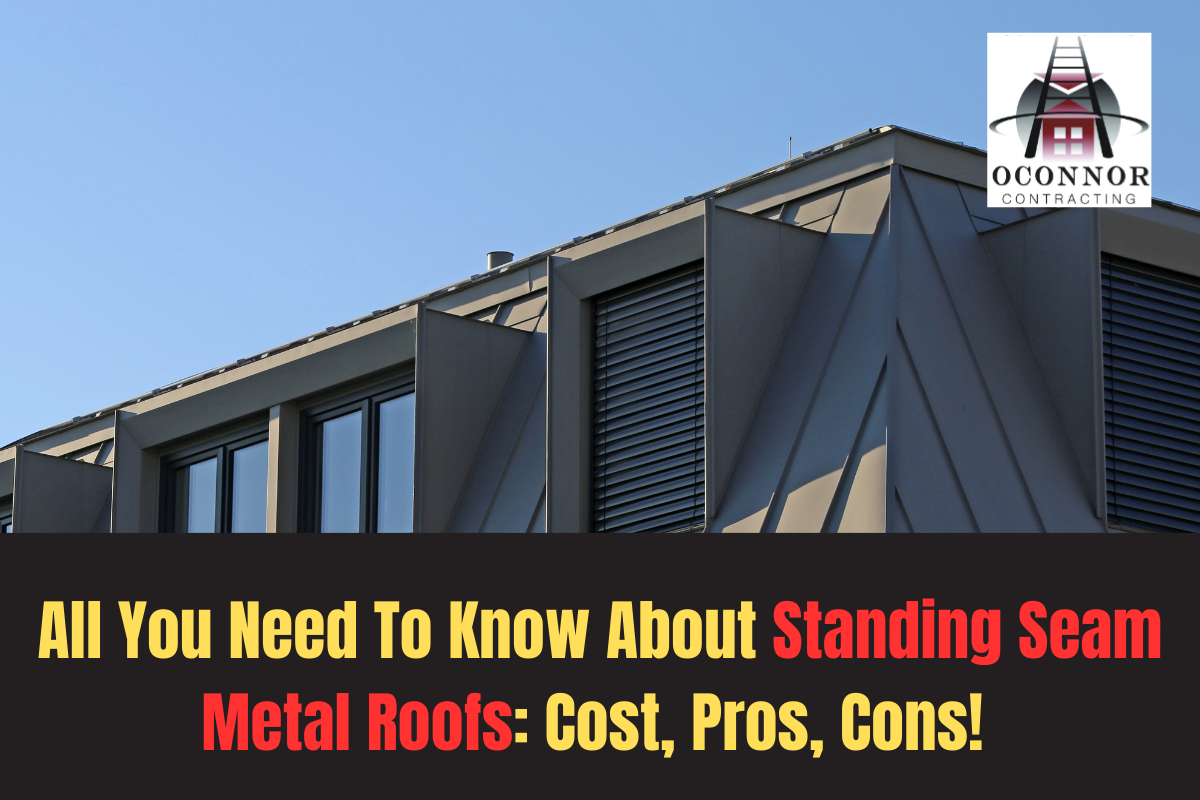
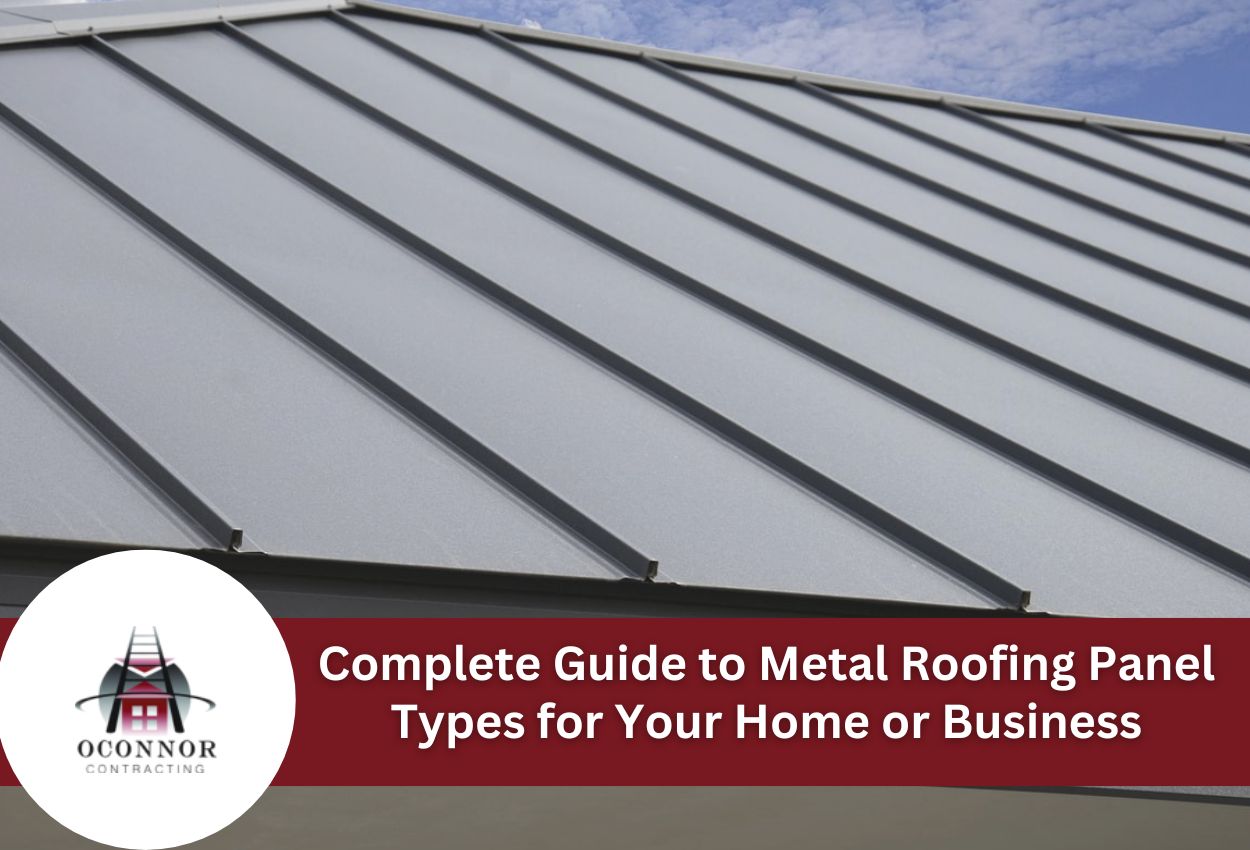
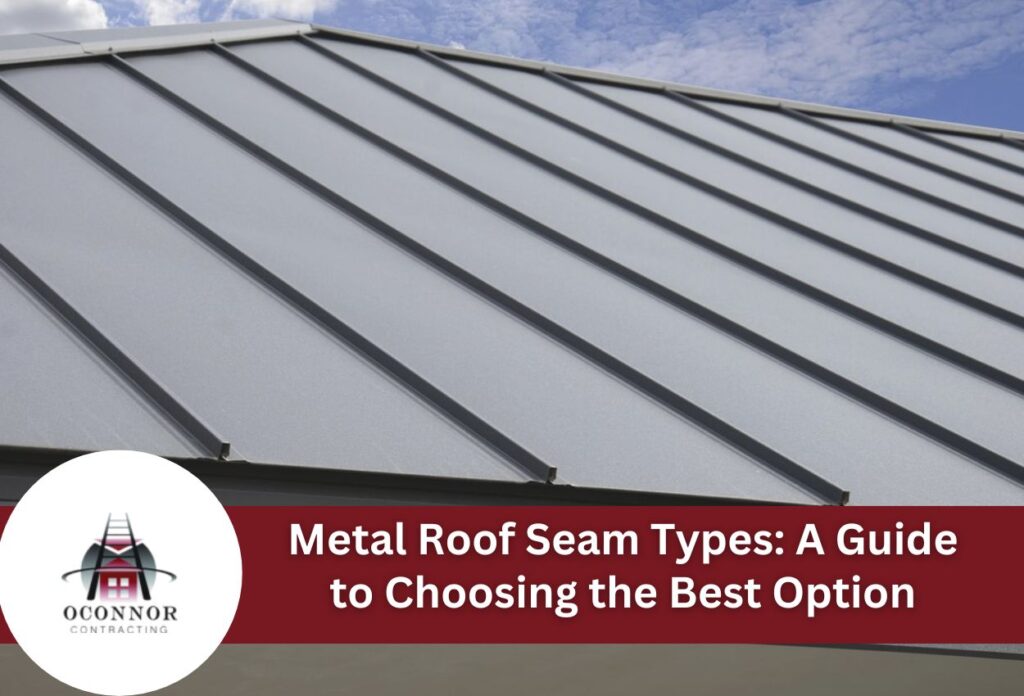
Standing seam metal roofs represent the premium choice among metal roofing systems, featuring raised vertical ribs that run continuously from the ridge to the eave. These elevated seams interlock adjacent panels through mechanical crimping or snap-together connections, creating watertight seals without requiring exposed fasteners on the roof’s surface. The concealed fastening system eliminates potential leak points while allowing the metal panels to expand and contract naturally with temperature changes.
The interlocking design of standing seam systems provides superior weather protection compared to other seaming methods. Water runs down the sloped panels and cannot go through the raised seam connections, even during wind-driven rain or snow accumulation. This reliable drainage performance makes standing seam metal roofs particularly effective in regions that experience severe weather.
Beyond weather resistance, standing seam metal roofs have great curb appeal with clean, uninterrupted lines that enhance both residential and commercial architecture. The absence of visible fasteners creates a sleek appearance that complements modern design trends while maintaining the classic appeal of traditional metal roofs. The system’s ability to accommodate thermal expansion prevents panel distortion and fastener failure, ensuring long-term performance and maintaining the roof’s attractive appearance throughout its service life. These combined benefits make standing seam systems a preferred choice for property owners seeking both functionality and visual appeal.
#2. Mechanical Seam Applications and Installation
Mechanical seam roofing systems utilize specialized equipment to create double-fold connections between metal panels, forming one of the most secure types of seams available. This process involves crimping the panel edges together using pneumatic or electric seaming machines that compress the metal into tight, weatherproof joints. The mechanical crimping action creates multiple layers of folded metal that provide exceptional resistance against leaks and wind uplift.
The double-fold seaming process begins with overlapping panel edges positioned at precise angles. Seaming tools then progressively fold and compress these edges through multiple passes, creating the characteristic raised seam profile. This methodical approach ensures consistent seam quality across the entire surface of the roof, eliminating the variations that can occur with hand-seamed connections.
Mechanical seam roofs perform exceptionally well on low-slope applications where water drainage moves more slowly across the roof surface. The robust seam construction prevents leaks even when water pools temporarily during heavy rainfall or snow melt. Commercial and industrial buildings benefit significantly from mechanical seaming, particularly in areas with high winds where superior uplift resistance becomes critical for roof performance.
The enhanced durability of mechanically seamed connections makes this seaming method ideal for buildings exposed to extreme weather conditions. The compressed metal joints maintain their structural integrity through repeated thermal cycling and resist the gradual loosening that can affect other seam types over time.
#3. Soldered Metal Roof Seam Techniques
Soldered metal roof seams represent the pinnacle of traditional metalworking craftsmanship, utilizing heated metal alloys to create permanent, watertight connections between roofing panels. This time-tested technique involves applying molten solder along the edges of the seams, which cools and hardens to form completely sealed joints that eliminate any possibility of leaks. The soldering process creates bonds that become part of the roofing system rather than just mechanical connections.
Traditional soldering methods require skilled craftsmen who heat the base metal and apply compatible solder alloys at precise temperatures. The molten solder flows into microscopic gaps between panel edges, cooling to create seamless transitions that match the thermal expansion characteristics of the surrounding metal. This process needs careful attention to surface preparation, flux application, and temperature control to get the best bond strength and longevity.
Historic preservation projects frequently specify soldered metal roof seams to maintain architectural authenticity while providing modern weather protection. These permanent connections offer unmatched water resistance for buildings where leaks could damage irreplaceable interior elements or valuable collections. Specialty applications, including observatory domes, church spires, and landmark structures, benefit from the absolute weatherproofing that soldered seams provide.
The superior durability of soldered connections makes them particularly valuable for roofing systems expected to perform for generations without maintenance access or seam replacement options.
#4. Snap Lock Metal Roof Systems
Snap lock metal roofs feature specially engineered panel edges designed to interlock mechanically without requiring specialized seaming equipment or soldering techniques. These panels incorporate male and female edge profiles that align and click together during installation, creating secure connections through simple manual pressure or basic hand tools. The interlocking mechanism relies on spring tension within the formed metal edges to maintain continuous engagement along the entire seam length.
The innovative edge design eliminates the need for pneumatic seaming machines or skilled metalworking techniques required by other metal roof seam types. Installers position adjacent panels so the profiled edges align properly, then apply downward pressure to engage the locking mechanism. This straightforward connection method significantly reduces installation time compared to mechanically seamed or soldered systems, making snap lock panels attractive for both residential and commercial applications.
Installation benefits include faster project completion times and reduced labor costs due to the simplified connection process. The snap-together design allows roofing crews to cover large areas quickly without waiting for seaming equipment or specialized tradesmen. However, snap lock systems have limitations in extreme weather conditions where high wind loads or thermal stress may challenge the mechanical connections.
#5. Batten Seam Metal Roof Construction
Batten seam metal roof systems utilize raised wooden or metal strips positioned between adjacent panels to create distinctive ridge patterns that enhance both functionality and visual appeal. This construction method involves installing continuous battens parallel to the roof slope, then securing metal panels over these raised elements using specialized clips or fasteners. The resulting profile creates pronounced linear shadows and textures that distinguish batten seam systems from other metal roof seam types.
The elevated batten strips, typically ranging from 1 to 3 inches in height, serve multiple purposes beyond appearance enhancement. They provide positive drainage channels that direct water away from panel joints, while the raised profile allows air circulation beneath the metal surface. This ventilation helps prevent ice dams from forming during winter and reduces heat buildup in summer conditions.
Commercial buildings seeking traditional architectural character often specify batten seam metal roof construction for its ability to complement historic facades while providing modern weather protection. The seam profile works particularly well on residential applications where homeowners desire the durability of metal roofs without sacrificing classic design. The raised battens can accommodate thermal expansion of the metal panels while maintaining weathertight seals at connection points.
Choosing the Right Seam Type for Your Project
Building structure plays a fundamental role in seam selection, as roof slope, span distances, and structural loading capacity determine which seaming methods will perform effectively. Low-slope applications typically benefit from mechanical seam roofing or soldered metal roof seams that provide superior water resistance when drainage moves slowly across the surface.
Local climate conditions significantly influence which type of seam works best, and the performance expectations of the style. Areas experiencing extreme temperature fluctuations require seaming methods that accommodate thermal expansion without compromising the integrity of their weathertight design. Standing seam metal roofing systems excel in regions with heavy snow due to their smooth surface that promotes snow shedding and prevents ice dams from forming. Coastal environments with salt exposure may favor snap-lock metal roofs or mechanically seamed systems that minimize crevices where corrosive deposits can accumulate.
Maintenance requirements vary considerably between different seam types and directly affect lifecycle costs. Batten seam metal roof systems may require periodic inspection of the raised elements and underlying connections, while standing seam installations typically need minimal maintenance throughout their service life. Soldered seams offer exceptional durability but may require specialized expertise for repairs if damage occurs.
Architectural style preferences must also balance appearance goals with performance requirements. Traditional buildings may specify batten seam or soldered connections to maintain historical accuracy, while contemporary designs often favor the clean lines of standing seam systems. Working with experienced metal roofing contractors ensures proper seam selection based on an evaluation of these interconnected factors for optimal long-term roof performance.
Explore Metal Roof Seam Types with OConnor Contracting
Choosing the right metal roof seam type is crucial for ensuring long-lasting protection and performance, especially in regions like Buffalo with its challenging weather conditions. At OConnor Contracting, we specialize in providing top-quality metal roofing solutions that cater to both curb appeal and functional needs. Whether you’re considering standing seam metal roofing options for its sleek appearance and thermal expansion capabilities, or mechanical seam roofing systems for superior durability in high-wind areas, our expert team is here to guide you.
To discuss your metal roofing needs and explore the most suitable seam options, call OConnor Contracting today at (716) 600-7663. Our experienced professionals are ready to provide you with the best solutions for your roofing project.