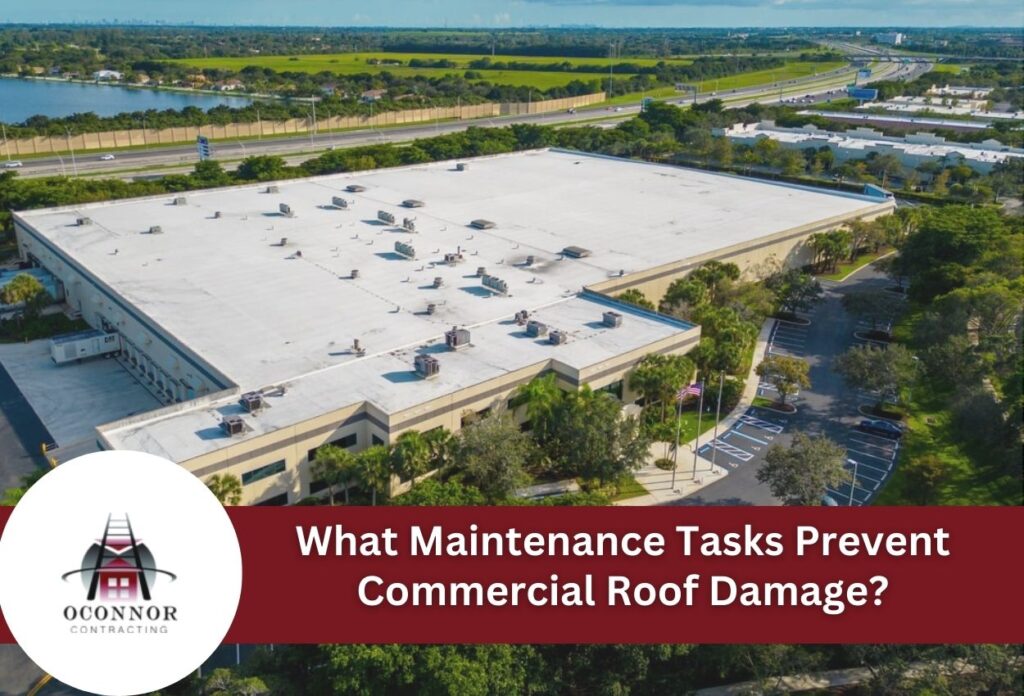

Commercial roof damage can devastate a business with structural problems, interior water damage, and unexpected repair expenses. Regular maintenance tasks prevent these issues by addressing small problems before they turn into major failures that harm the building’s integrity and daily operations.
Preventive roof maintenance involves systematic inspection and care of critical roofing components. Regular commercial roof inspection ensures membrane deterioration, drainage blockages, and structural wear are detected early. These proactive measures extend roof lifespan significantly while maintaining the protective barrier that shields valuable equipment, inventory, and personnel from weather elements.
Flat roof maintenance best practices focus on addressing the unique challenges of low-slope commercial systems. These roofs require specific attention to drainage patterns, membrane seams, and penetration points where leaks commonly develop. Commercial roof leak prevention depends on consistent monitoring of these vulnerable areas combined with prompt repairs when issues emerge.
Maintaining the roofing membrane reserves the waterproof barrier that protects the entire structure of the building. Simple maintenance activities performed on schedule prevent expensive emergency repairs and protect the investment made into commercial properties.
Regular Professional Roof Inspections
Professional roof inspections form the foundation of effective commercial roof leak prevention. Different roofing systems require a varying number of inspections a year based on their materials and level of exposure. Modified bitumen systems benefit from inspections every other year, while single-ply membrane roofs typically need professional evaluation twice a year. EPDM and TPO systems require additional attention during spring inspections following winter weather.
Seasonal considerations significantly impact the need for commercial roof inspections. Spring inspections identify winter damage from ice formation and thermal expansion, while fall evaluations prepare roofs for harsh weather ahead. Professional inspectors examine membrane integrity, flashing conditions, and drainage system function during these critical periods.
Trained roofing professionals detect subtle warning signs that untrained observers miss. They identify membrane blistering, fasteners backing out, and early seam separation before these issues cause interior damage. Professional inspectors also evaluate roof membrane maintenance needs by checking for UV degradation, ponding water patterns, and seals that may have been pierced. This expertise helps with early intervention through targeted preventive roofing maintenance, avoiding expensive emergency repairs and extending overall roof performance.
Drainage System Cleaning and Maintenance
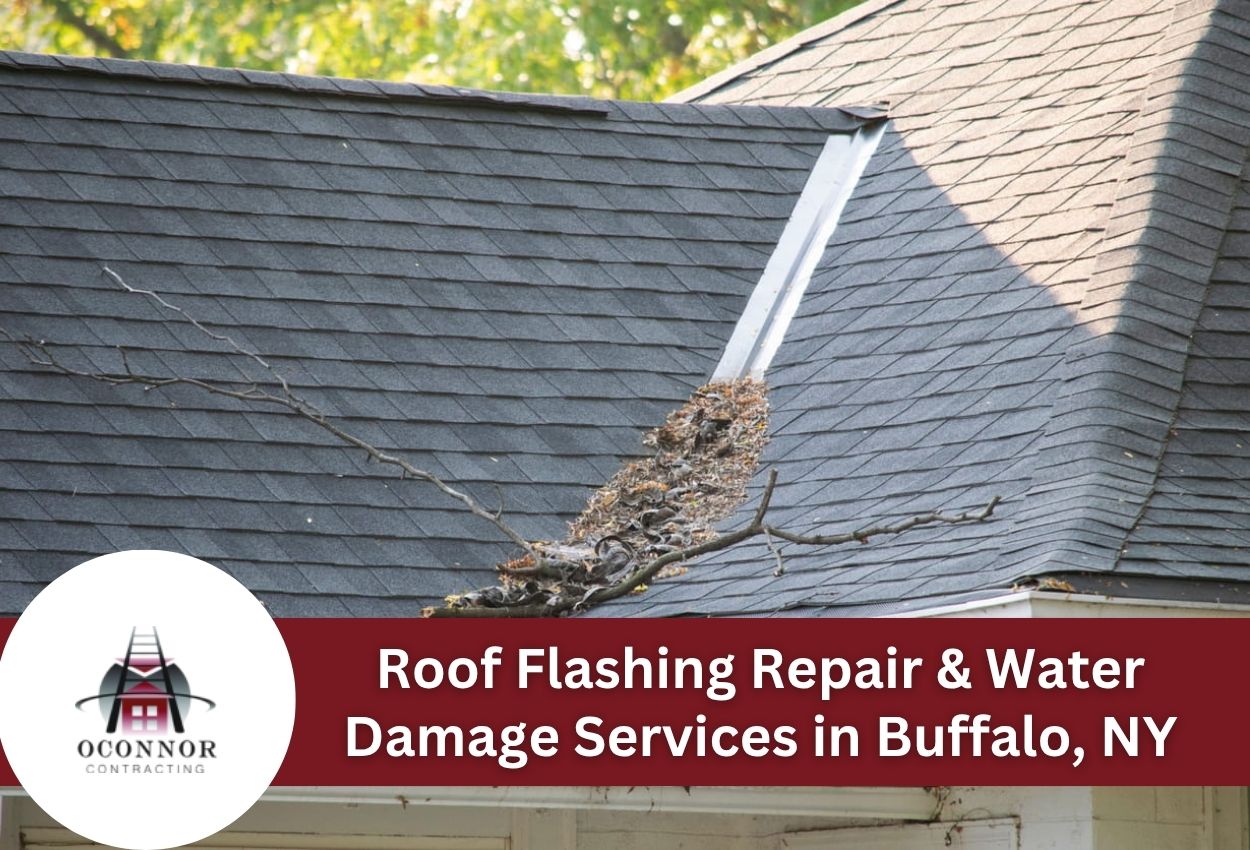
Proper drainage system maintenance prevents water accumulation that leads to structural damage and repairs. Clogged gutters and downspouts can lead to standing water that deteriorates roofing membranes and causes interior leaks. Regularly cleaning these components removes debris, leaves, and sediment that block the flow of water during storms and seasonal weather changes.
Roof drains require systematic inspection and cleaning to maintain optimal performance. Blocked drains create ponding water that exceeds design load capacities and accelerates membrane deterioration. Flat roof maintenance best practices include removing accumulated debris from drain baskets and ensuring proper water flow through drainage pipes. This preventive roofing maintenance protects against membrane failure and structural overloading.
Installing appropriate drainage components enhances commercial roof leak prevention capabilities. Overflow drains provide secondary water removal when primary systems become overwhelmed during heavy precipitation. Proper slope adjustments redirect water toward drainage points, eliminating areas where moisture accumulates. These commercial roof inspection regularity practices identify drainage deficiencies before water penetration damages building interiors. Effective roof membrane maintenance includes verifying that drainage systems complement membrane performance, creating comprehensive protection against water-related building damage.
Membrane and Surface Protection Strategies
Preserving roof membrane integrity requires consistent cleaning techniques that remove contaminants without damaging protective surfaces. Regular debris removal, organic growth, and pollutants that have accumulated prevent membrane degradation that leads to premature failure. Gentle cleaning methods using appropriate equipment maintain membrane flexibility while eliminating substances that cause chemical breakdown or physical deterioration.
Specialized cleaning procedures address different types of membranes effectively. EPDM surfaces benefit from mild detergent solutions that preserve rubber flexibility, while TPO membranes require cleaning agents that maintain welded seam integrity. These maintenance practices for roofing membranes remove harmful deposits that accelerate weathering and reduce protective capabilities.
Protective coatings and sealant can offer additional defense against weather extremes and UV exposure. Reflective coatings reduce thermal stress by deflecting solar radiation, while elastomeric sealants maintain flexibility during temperature fluctuations. These preventive roofing maintenance measures create barriers against moisture penetration at vulnerable connection points and membrane transitions.
Strategically applying protective materials enhances flat roof maintenance best practices by addressing specific environmental challenges. Commercial roof leak prevention improves significantly when quality sealants protect flashing details and penetration areas where water infiltration commonly occurs. Regular reapplication of these protective elements maintains commercial roof inspection regularity standards while extending overall system performance.
Preventing Punctures and Leaks
Preventing punctures and leaks requires identifying common sources of roof damage before they cause harm to the roofing membrane. HVAC equipment installations create multiple punctures where improper sealing allows water infiltration. Regularly inspecting equipment supports, conduit penetrations, and maintenance access points reveals areas where membrane damage commonly occurs. Heavy foot traffic from service personnel can cause membrane tears, especially on single-ply systems during extreme temperatures when materials become brittle or overly soft.
Establishing protective measures around high-traffic areas reduces puncture risks significantly. Installing walkway pads helps to distribute weight across membrane surfaces while protecting against sharp objects and equipment damage. Proper equipment placement prevents overloading areas of the roof beyond design limitations.
Emergency response protocols enable quick leak detection and temporary repairs that prevent extensive interior damage. Developing systematic inspection procedures following severe weather events identifies new damage before it expands. Having appropriate repair materials readily available allows immediate temporary fixes while permanent solutions are arranged. Training facility personnel to recognize early warning signs of membrane compromise ensures prompt professional intervention. These emergency preparedness measures complement regular preventive roofing maintenance by addressing unexpected damage quickly and effectively.
Monitoring Structural Components
Monitoring structural components helps property owners identify potential failure points before they harm the roofing system’s integrity. Regularly assessing flashing, joints, and puncture points reveal where commercial roof leak prevention efforts must focus most intensively. These vulnerable areas experience constant thermal movement and weather exposure that gradually loosen seals and create water infiltration pathways.
Flashing systems require consistent evaluation to maintain their protective function around roof edges, equipment penetrations, and elevation differences. Base flashing often separates from vertical surfaces due to thermal expansion, while cap flashing develops gaps that allow moisture in. Joint sealants also deteriorate from UV exposure and temperature cycling, creating openings where water enters building envelopes.
Monitoring the condition of the roof deck and supporting structures reveals signs of deterioration that threaten overall system performance. Sagging areas indicate structural weakness from heavy weight while fasteners backing out from decking materials compromises the membrane’s attachment, while corrosion of metal components weakens structural connections.
Documenting structural observations during regular commercial roof inspection visits helps track deterioration patterns over time. This roof membrane maintenance approach enables proactive intervention through targeted repairs rather than reactive emergency responses. Structural monitoring integrates with flat roof maintenance practices by ensuring that preventive roofing maintenance addresses both surface protection and underlying support system integrity.
Seasonal Maintenance Scheduling
Effective seasonal maintenance scheduling addresses the specific weather challenges that commercial roofing systems face throughout the year..
Spring checklists prioritize drainage system evaluation and membrane inspections following winter stress. Checking for ice damage around roof edges, examining membrane flexibility after temperature extremes, and clearing accumulated debris from drains ensures optimal performance during spring rain. These preventive roof maintenance activities identify issues that developed during winter months before they cause interior damage.
Fall maintenance preparations focus on weather protection measures that safeguard commercial roofing systems through winter conditions. Securing loose flashing, applying protective sealants around penetrations, and ensuring proper insulation coverage prevents thermal bridging and ice formation. Summer heat protection involves inspecting membrane surfaces for UV degradation and thermal stress indicators that compromise long-term performance.
The regularity of commercial roof inspections increase during seasonal transitions when weather-related damage commonly occurs. Flat roof maintenance best practices include scheduling professional evaluations before and after severe weather seasons. This systematic approach to roof membrane maintenance ensures that commercial roof leak prevention measures remain effective year-round while addressing seasonal challenges proactively.
Protect Your Investment with OConnor Contracting’s Roof Maintenance Services
Protecting your commercial building starts with regularly maintaining your roofing system.At OConnor Contracting, we understand the critical nature of preventive roofing maintenance and offer tailored solutions that address the unique needs of each roof.
Call us today at (716) 600-7663 to schedule a comprehensive roof inspection and maintain the structural integrity of your commercial property. Let OConnor Contracting help you implement the best practices in flat roof maintenance and leak prevention, ensuring your roof is robust and reliable all year round.