
Why Skylight Flashing Is Important for Preventing Roof Leaks and Water Damage
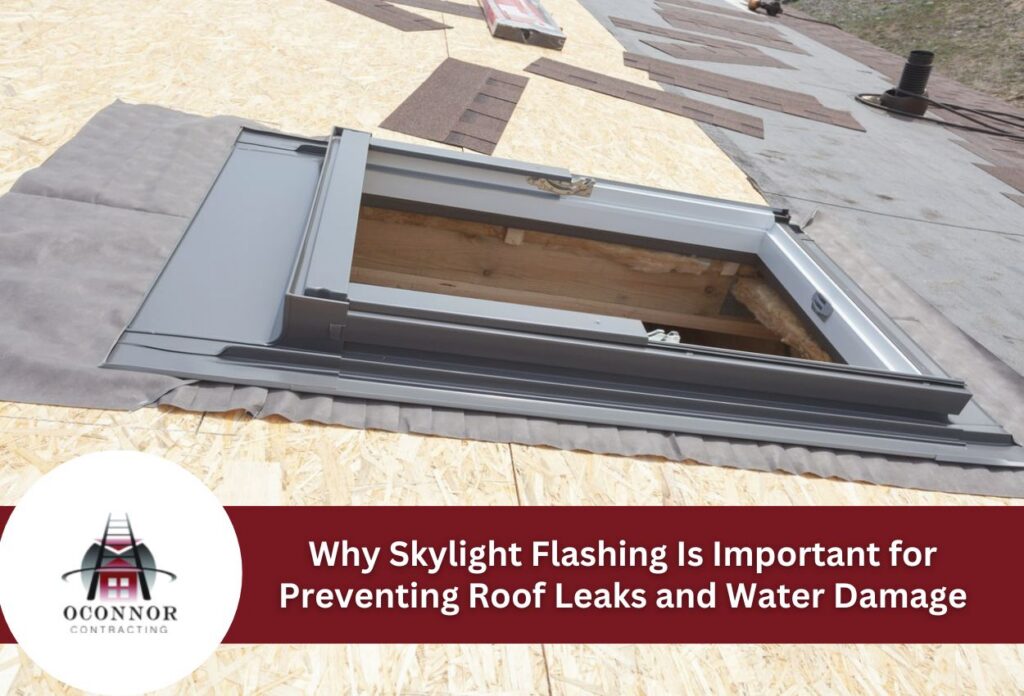

Skylight flashing serves as an important waterproof barrier between a skylight and the surrounding roof structure. This metal framework creates multiple layers of protection that direct water away from the skylight opening and prevent moisture from leaking into the home. Without proper flashing installation, even the highest quality skylight becomes vulnerable to leaks that can cause extensive damage over time.
The importance of skylight flashing cannot be overstated when it comes to skylight leak prevention and proper skylight installation. Missing or incorrectly installed flashing allows water to seep behind the skylight frame, where it saturates insulation, rots wooden roof structures, and eventually manifests as ceiling stains and dripping water inside the home. Mold growth often follows in damp environments created by these leaks, presenting both structural and health concerns for homeowners.
Understanding skylight waterproofing methods and roof flashing types helps homeowners recognize quality installation work and maintain their skylights effectively. The flashing system works in conjunction with the roof’s existing water management strategy to ensure complete protection against the elements throughout every season.
How Skylight Flashing Prevents Leaks and Water Damage
Skylight flashing operates through a systematic layering approach that redirects water flow around the skylight perimeter. The installation creates a stepped barrier where each flashing piece overlaps the one below it, mimicking the natural shingling pattern of the roof. As rainwater travels down the roof slope, the flashing intercepts it before reaching the skylight frame and guides it laterally away from the opening. This mechanical action relies on gravity and proper angles to ensure water never pools or finds entry points along the skylight edges.
The most common leak points occur at the top corners where the skylight meets the roof deck, along the side channels where inadequate overlap exists, and at the bottom edge where debris can dam water flow. Proper skylight installation addresses these vulnerable areas through strategic roof flashing types that include step flashing along the sides, a headwall flashing at the top, and an apron flashing at the base. Each component must integrate seamlessly with the existing roofing materials while maintaining continuous skylight waterproofing methods that account for thermal expansion and structural movement throughout seasonal changes.
Choosing the Right Flashing Material for Your Skylight
Metal flashing options vary significantly in durability and weather resistance properties. Aluminum flashing offers lightweight corrosion resistance and affordability, making it a popular choice for standard skylight installations. This material bends easily during installation but may deteriorate faster in coastal environments with salt exposure. Copper flashing represents the premium option, providing exceptional longevity and natural patina development that resists corrosion for decades. While copper costs more initially, its superior weather resistance justifies the investment for long-term skylight leak prevention. Galvanized steel delivers excellent strength and puncture resistance, though it requires proper coating maintenance to prevent rust formation over time.
Integrated flashing kits come pre-manufactured to fit specific skylight models, ensuring proper dimensions and simplified skylight installation for contractors. These kits work best for standard roof pitches and straightforward applications where the skylight matches common roof configurations. Custom-fabricated solutions become necessary for unusual roof angles, complex intersections, or older skylights without compatible kit options. Professional roofers assess factors like roof pitch, existing roofing materials, and regional weather patterns when selecting between these skylight waterproofing methods to ensure the best possible protection.
The Installation Process for Watertight Protection
Professional skylight flashing installation begins with proper curb preparation and underlayment integration that connects the skylight to the existing roofing system. Roofers first apply a waterproof membrane around the skylight opening, extending it several inches beyond where the flashing will sit. The bottom apron flashing gets installed first, tucking under the skylight frame while overlapping the roofing material below. Side-step flashing pieces, then layer upward in sections, with each piece sliding beneath shingles on the upslope side and wrapping around the skylight curb. The headwall flashing at the top completes the building by directing water down and away from the vulnerable upper corners where most leaks originate.
Each layer must overlap correctly to maintain the water-shedding sequence that defines effective skylight waterproofing methods. Common DIY mistakes include installing flashing over shingles instead of weaving it into the roofing layers, using insufficient overlap between sections, and failing to seal gap points where fasteners create potential entry paths. Professional installers understand that proper skylight installation requires precise measurements and strategic fastener placement that secures components without compromising the waterproof barrier. These technical distinctions separate installations that provide decades of skylight leak prevention from those that fail within the first heavy rainstorm.
Additional Waterproofing Measures That Work With Flashing
Ice and water shield membranes function as secondary protection layers installed directly on the roof deck before flashing installation. These self-adhering rubberized barriers create a watertight seal around nail holes and conform to irregular surfaces that standard underlayment cannot accommodate. Professional roofers extend ice and water shield at least 6 inches beyond all skylight flashing edges, establishing redundant protection if the primary metal barrier develops separation or deterioration. This membrane proves particularly valuable during ice dam conditions when water backs up under shingles and seeks entry through any available gap in the roofing system.
Proper shingle integration requires strategic layering where roofing materials overlap flashing components in a specific sequence that maintains continuous water direction. Each shingle course must cover the top edge of step flashing while allowing the flashing to extend over the shingle below, creating the interwoven pattern essential for skylight waterproofing methods. High-quality roofing sealant applied at important junction points reinforces these connections, filling microscopic gaps where capillary action might otherwise draw moisture through. When combined with correctly installed flashing, these complementary skylight leak prevention measures create multiple defensive barriers that protect against various weather conditions and aging-related material degradation.
Signs Your Skylight Flashing May Be Failing
Water stains on ceilings or walls near a skylight indicate an active leak that typically originates from compromised flashing. These discolorations often appear as yellowish-brown rings that expand over time as water repeatedly enters through the same pathway. Visible rust on metal flashing components signals corrosion that weakens the material’s structural integrity and creates pinholes where water can pass through. Separated seams between flashing sections develop when thermal expansion causes materials to pull apart or when inadequate fastening allows wind to lift edges away from the roofing surface.
Deteriorated sealants appear cracked, shrunk, or completely missing from junction points where different flashing pieces meet. Homeowners should schedule a professional inspection immediately when noticing active dripping during rainfall, ice formation around skylight edges in winter, or musty odors suggesting hidden moisture accumulation. Professional roofers can assess whether targeted repairs suffice or if complete flashing replacement becomes necessary to restore proper skylight leak prevention. Regular visual checks from inside the home, particularly after severe weather, help catch skylight maintenance issues before minor flashing problems escalate into extensive water damage requiring structural repairs throughout the ceiling and attic space.
Maintaining Your Skylight Flashing for Lasting Protection
Regular skylight flashing inspections should occur twice a year, ideally in spring and fall, to catch developing problems before they compromise the waterproof barrier. Homeowners can safely examine visible flashing sections from ground level using binoculars to check for lifted edges, rust spots, or separated seams. Clearing debris from around the skylight base prevents organic material from trapping moisture against metal components and blocking proper water drainage down the roof slope. Removing leaves, pine needles, and dirt accumulation maintains the unobstructed flow paths essential for effective skylight waterproofing methods throughout heavy rainfall.
Minor flashing repairs address isolated sealant failures or small rust spots before they spread throughout the system. Professional roofers can reseal separated joints, replace individual damaged flashing sections, or apply protective coatings to extend material lifespan. Complete flashing replacement becomes necessary when corrosion has compromised structural integrity, when multiple leak points indicate system-wide failure, or when upgrading to a different skylight model requires new dimensional specifications. Homeowners experiencing recurring leaks despite repeated repairs should consult qualified contractors to evaluate whether targeted fixes remain viable or if full flashing replacement provides the only reliable solution for continued roof protection and skylight leak prevention.
Protect Your Home with Expert Skylight Flashing Services from OConnor Contracting
Ensuring your skylight is properly flashed is important in maintaining the structural integrity of your roof and preventing expensive water damage. At OConnor Contracting, we specialize in professional skylight flashing that guarantees a watertight seal and superior long-term performance. Don’t overlook the importance of expert installation. It’s the key to preventing skylight leaks and ensuring your home remains safe and dry.
If you notice any signs of water damage or if your skylight flashing hasn’t been inspected recently, don’t wait for the problem to escalate. Call us today at 716-600-7663 to schedule a detailed inspection or to discuss flashing options that will best suit your home. Protect your home with OConnor Contracting, your trusted partner in roof and skylight solutions.
Frequently Asked Questions
Got questions about your roof? We’ve got answers. From maintenance tips to insurance claims and repair timelines, our FAQ section covers the most common concerns homeowners have. Get informed and make confident decisions about protecting your home.
People Also Ask
How can I maintain skylight and roof warranties through ongoing care?
Keep a record of all inspections, maintenance, and minor repairs around skylights. Documenting professional checkups and any corrective actions demonstrates that the system is properly maintained, which may help prevent warranty disputes if issues arise.
How should flashing maintenance differ across roof types like tile, metal, or asphalt?
Inspect flashing for material-specific concerns: metal roofs require fastener checks for expansion gaps, tile roofs need pan flashing alignment to prevent water pooling, and asphalt shingles need proper overlap at step flashing. Adjust cleaning and sealant schedules based on material sensitivity to ensure long-term protection
What steps can homeowners take to ensure skylights withstand severe weather?
Check flashing edges after storms for lifted sections or gaps, remove debris that could trap water, and confirm a sealant’s structural integrity. Seasonal inspections before winter and summer storms can identify potential vulnerabilities and reduce the risk of wind-driven rain or hail damage.
Related Articles
-
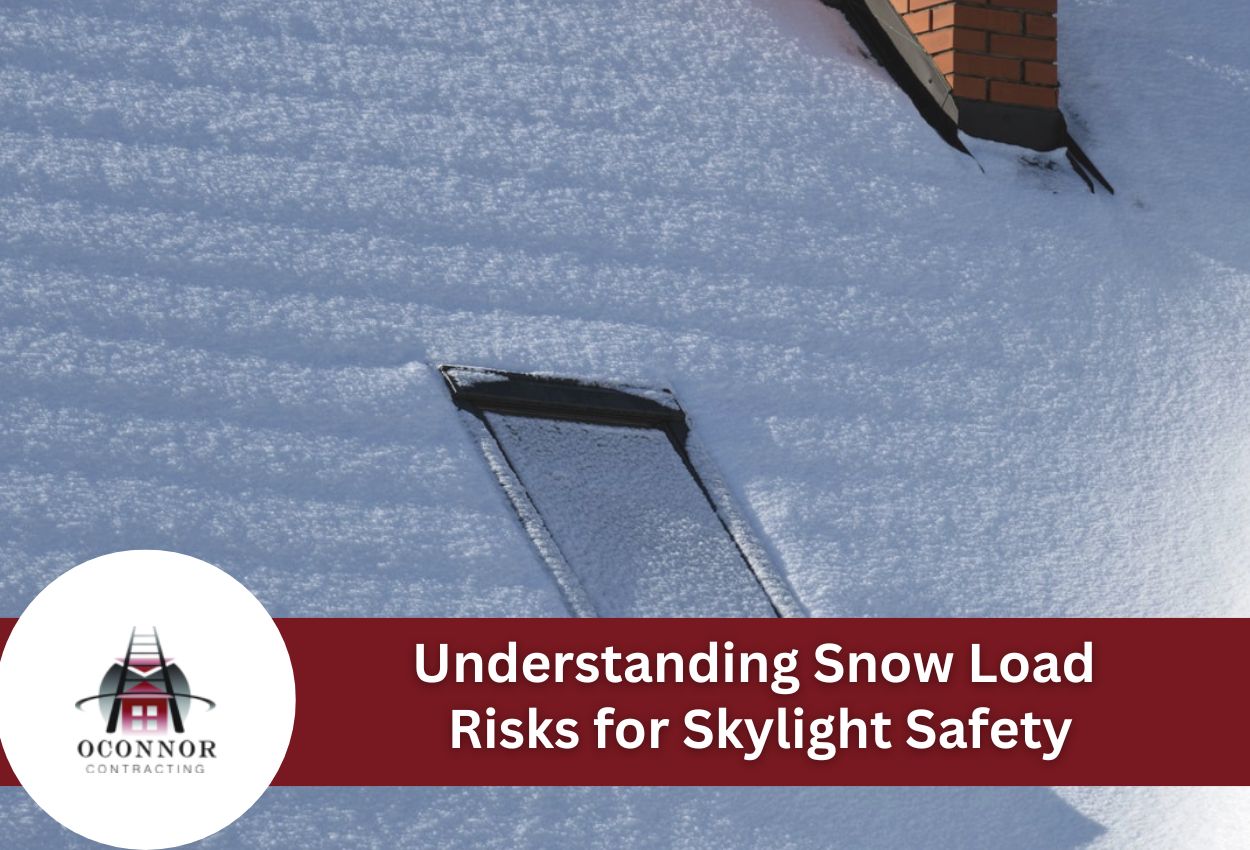 November 15, 2025Understanding Snow Load Risks for Skylight SafetyConcerned that winter snow could damage your skylights? Learn about weight limits, safety tips, and maintenance.
 -
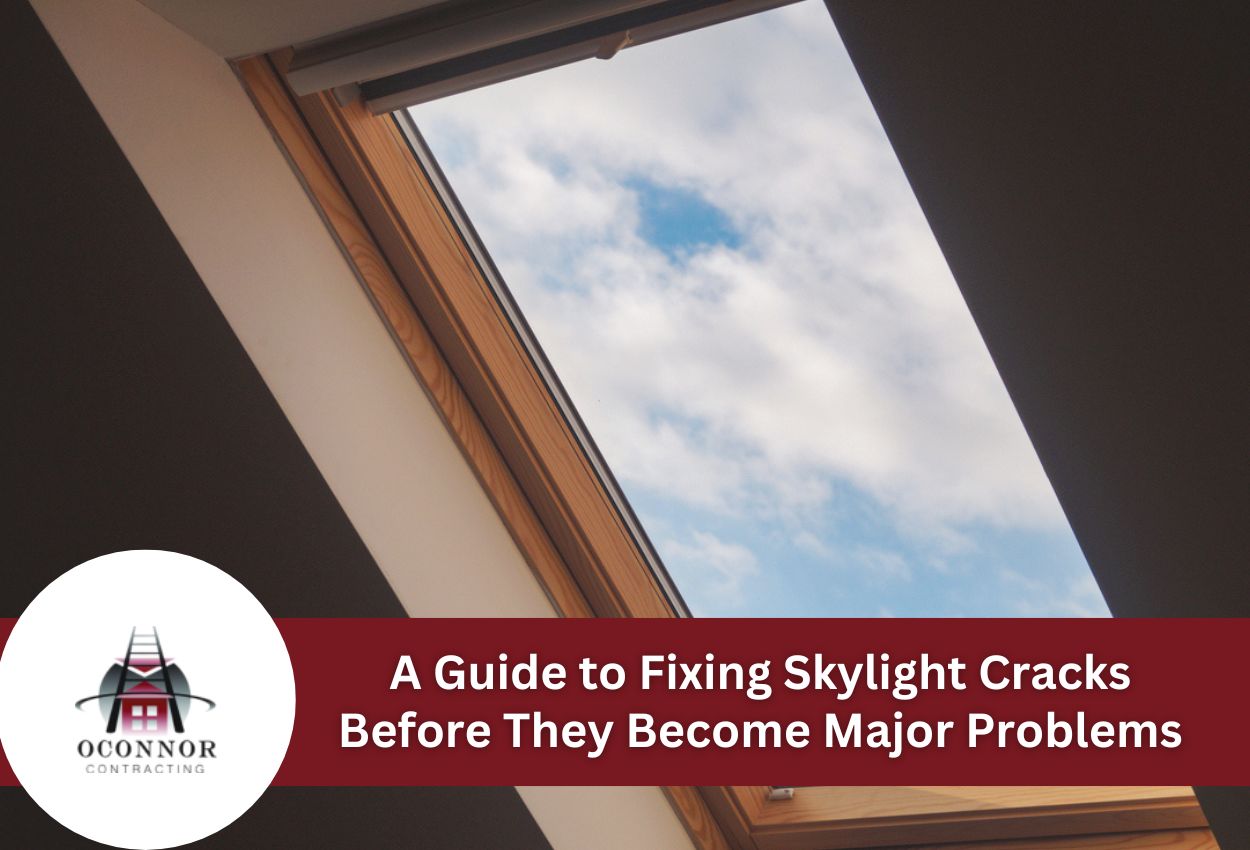 September 26, 2025Your Guide to Fixing Skylight Cracks Before They Become Major ProblemsSkylight cracks are one of the most common and potentially devastating roofing issues homeowners face. These seemingly minor fissures can quickly escalate into major water damage, compromising both the structural integrity of your home and the comfort of your living space. Understanding how to repair skylight cracks quickly prevents expensive emergencies and protects your property […]
 -
 December 23, 2025What Is the Most Typical Skylight Problem and How Do You Prevent It?Concerned about skylight problems? Water leaks are the most common issue. Learn how to spot and prevent damage.
Protect Your Home with Expert Roofing
Don’t wait for leaks or storm damage to cause costly repairs. Our experienced roofing team provides fast, reliable service, high-quality materials, and lasting results. Ensure your home stays safe, secure, and looking great—contact us today for a free estimate.