How Many Downspouts Does Your Home Actually Need for Water Management?


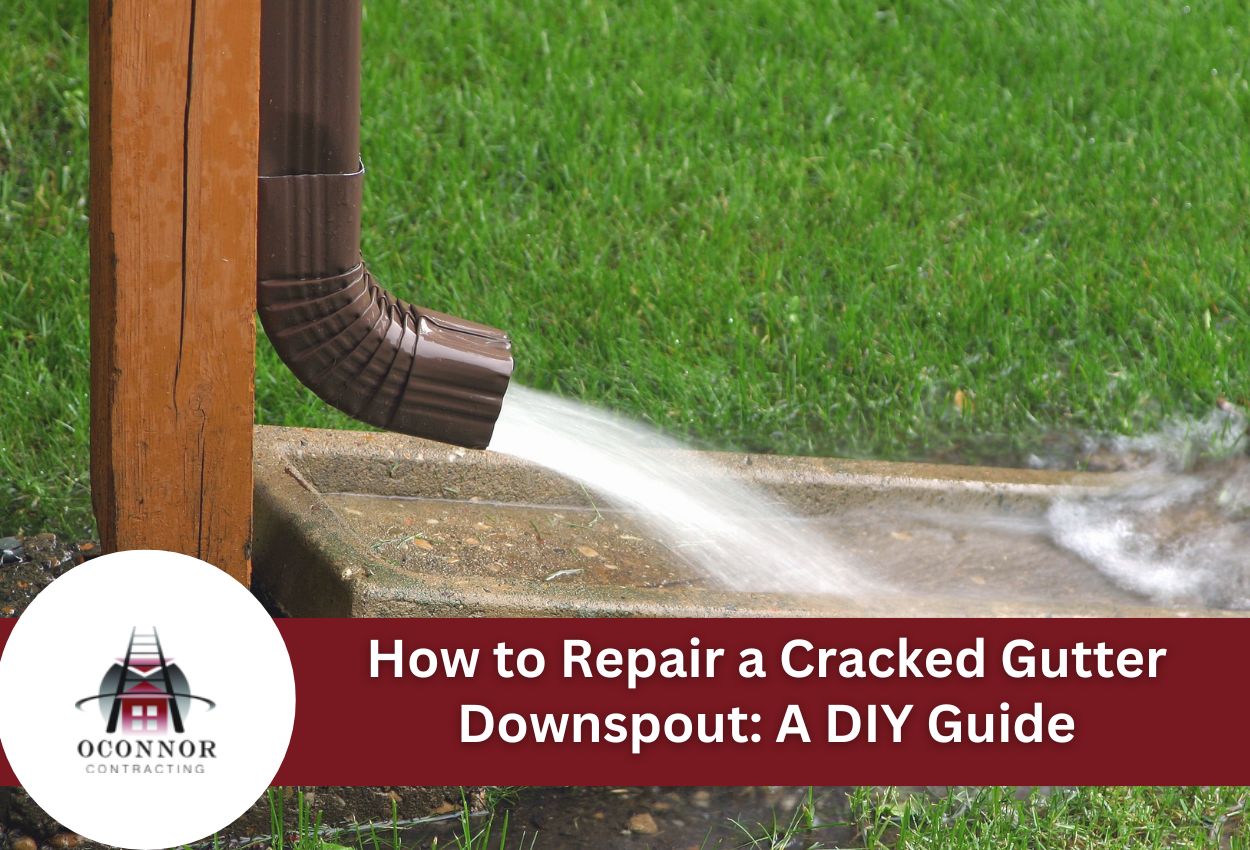
Determining the correct number of downspouts for your home prevents expensive water damage and protects your foundation from erosion. Most homeowners underestimate how many downspouts they actually need, leading to overflowing gutters and pooling water around their property.
The calculation for proper downspout placement depends on several critical factors. Roof size serves as the primary determinant, with larger roofs requiring more downspouts to handle increased water volume. A standard rule suggests one downspout for every 20 to 30 feet of gutter, but this varies based on specific conditions.
Downspout spacing requirements become more complex when considering roof pitch and gutter capacity. Steeper roofs channel water faster, potentially overwhelming inadequate downspout systems. Local rainfall intensity also influences gutter downspout calculation, as areas experiencing heavy storms need enhanced drainage capacity.
Buffalo area homes face unique challenges with lake-effect snow and intense spring runoff. These weather patterns demand careful attention to the downspout sizing recommendations to prevent ice dams and water backup issues.
Proper downspout placement ensures water flows away from your home’s foundation effectively. Understanding these requirements helps homeowners make informed decisions about residential downspout installation before problems develop. The right number of downspouts protects your investment while maintaining proper water management throughout every season.
Calculating Downspout Requirements Based on Your Roof Area
Accurate roof measurements form the foundation for determining proper downspout quantities. Homeowners can calculate their roof’s square footage by measuring the length and width of each roof section, then multiplying these dimensions together. For complex rooflines with multiple sections, measure each area separately and add the totals together.
The industry standard ratio for gutter downspout calculation requires one downspout for every 600 to 800 square feet of roof area. This measurement accounts for typical rainfall conditions and standard gutter capacity. Roofs exceeding 1,200 square feet generally need multiple downspouts to prevent water overflow during heavy storms.
Downspout spacing requirements also depend on gutter run length. Even smaller roof sections may require additional downspouts if gutters extend beyond 40 feet without adequate drainage points. Water volume increases along longer gutter runs, creating pressure that single downspouts cannot handle effectively.
Simple calculation methods help homeowners determine their specific needs without professional assistance. Divide your total roof square footage by 700 to establish a baseline downspout count. Then evaluate gutter length and add extra downspouts for sections exceeding recommended spacing distances.
This downspout sizing guide provides reliable estimates for residential downspout installation planning. Proper calculations prevent water damage while ensuring your drainage system handles seasonal weather variations effectively. Understanding these ratios helps homeowners make informed decisions about their property’s water management needs.
Understanding Downspout Spacing Guidelines for Maximum Effectiveness
Proper downspout spacing requirements ensure water is distributed evenly across your gutter system without creating overflow points. Industry standards recommend placing downspouts every 20 to 30 feet along gutter runs, though specific conditions may require closer spacing for optimal performance.
Maximum spacing distances depend on gutter capacity and expected water volume. Standard five-inch gutters handle moderate rainfall effectively with 30-foot spacing, while 6-inch systems accommodate longer runs between downspouts. Heavy rainfall areas benefit from reduced spacing to prevent water backup during intense storms.
Identifying problem areas requires careful examination of your roofline for water concentration points. Roof valleys, dormers, and architectural features create concentrated water flow that overwhelms standard gutter downspout calculation methods. These areas often need additional downspouts regardless of standard spacing guidelines.
Corner sections where multiple roof planes meet generate higher water volumes than typical roof areas. Proper downspout placement near these convergence points prevents overflow and reduces stress on gutter systems. Long horizontal runs exceeding 40 feet also require intermediate downspouts to maintain adequate drainage capacity.
Effective downspout sizing guide principles consider both spacing and positioning for residential downspout installation projects. Balanced spacing prevents concentrated flow while strategic placement addresses architectural challenges. Understanding these guidelines helps homeowners create efficient drainage systems that protect their property from water damage throughout changing weather conditions.
Choosing the Right Downspout Size for Your Gutter System
Standard downspout dimensions must match your existing gutter system to ensure proper water flow capacity. Most residential homes use 2×3-inch rectangular or 3-inch round downspouts, which work effectively with standard 5-inch gutters. However, 6-inch gutters require 3×4-inch rectangular or 4-inch round downspouts to handle increased water volume without creating bottlenecks.
Matching downspout capacity to gutter width prevents water backup during heavy rainfall events. Undersized downspouts create pressure points where water overflows rather than draining properly. This mismatch leads to foundation damage, landscape erosion, and gutter system failure over time.
Larger downspouts become necessary for homes with steep roof pitches that channel water rapidly into gutter systems. Properties with roof slopes exceeding 8:12 pitch generate faster water flow that overwhelms standard downspout dimensions. Similarly, areas experiencing frequent heavy rainstorms benefit from upgraded downspout sizing to handle peak water volumes.
Buffalo winters and springs create unique drainage challenges with rapid snow melt and intense rainfall. These conditions often exceed standard downspout capacity, making larger dimensions a practical investment for long-term water management. Properties in these climates should consider 3×4-inch downspouts even with standard gutter systems.
Proper downspout sizing guide recommendations help homeowners avoid expensive water damage while ensuring their drainage system handles seasonal variations effectively. Understanding these dimensions supports informed residential downspout installation decisions that protect property value.
Strategic Downspout Placement to Protect Your Home’s Foundation
Effective downspout positioning requires careful planning to direct water away from your foundation while preserving your property’s visual appeal. Strategic placement prevents water pooling near basement walls and reduces soil erosion that compromises structural stability. The optimal location for each downspout depends on your home’s layout, landscaping features, and natural drainage patterns.
Foundation protection begins with positioning downspouts at least 6 feet from your home’s base. This distance allows proper water dispersal before reaching vulnerable areas around basement walls or crawl spaces. Corner locations often provide ideal positioning for residential downspout installation, as they naturally direct water toward property edges rather than central landscaped areas.
Slope direction influences proper downspout placement decisions significantly. Water naturally flows toward the lowest points on your property, making it essential to position outlets where gravity assists drainage rather than fighting against it. Identifying these natural flow patterns helps homeowners avoid creating artificial drainage problems through poor positioning choices.
Common placement mistakes include installing downspouts too close to walkways, driveways, or planted areas where water runoff causes ongoing problems. Positioning outlets near basement windows or entry doors creates moisture issues that lead to structural damage over time. Understanding these downspout spacing requirements helps property owners make informed decisions about their drainage system layout while maintaining attractive outdoor spaces.
Installation Considerations for Buffalo Area Weather Conditions
Western New York’s harsh climate patterns create unique challenges that directly impact downspout performance and installation requirements. Heavy snow loads place additional stress on gutter systems, requiring reinforced brackets and secure mounting hardware to prevent damage during winter. Ice dam formation creates backup pressure that can overwhelm inadequately sized drainage systems, making proper downspout spacing requirements even more critical for Buffalo area homes.
Seasonal temperature fluctuations cause repeated expansion and contraction cycles that loosen standard mounting systems over time. Professional gutter downspout calculation must account for these thermal stresses by incorporating flexible connections and heavy-duty fasteners. Properties in lake-effect snow zones benefit from upgraded hardware specifications that withstand extreme weather variations throughout the winter.
Spring snowmelt creates sudden water volume surges that exceed normal rainfall drainage capacity. This rapid runoff overwhelms undersized systems, making generous downspout sizing guide recommendations essential for regional installations. Properties with southern exposure experience particularly intense melt cycles that require enhanced drainage capacity during March and April transitions.
Proper downspout placement becomes especially important when considering snow removal access and ice management strategies. Installation positions should accommodate roof snow removal activities while maintaining structural integrity during freeze-thaw cycles. Residential downspout installation in Buffalo requires specialized knowledge of local weather patterns to ensure long-term system reliability and performance through challenging seasonal conditions that stress conventional drainage systems beyond typical design parameters.
Signs Your Current Downspout Setup Needs Improvement
Recognizing warning signs of inadequate downspout coverage helps homeowners address drainage problems before they escalate into expensive repairs. Visual indicators around your property reveal when your current system cannot handle water volume effectively, requiring additional downspouts or repositioning of existing outlets.
Water stains along exterior walls signal that gutters overflow regularly during rainfall. These dark streaks indicate your downspout spacing requirements exceed current installation capacity. Foundation settling or cracking near your home’s base often results from poor water management, as excess moisture weakens soil stability and creates hydrostatic pressure against basement walls.
Landscape erosion provides clear evidence of concentrated water flow overwhelming your drainage system. Gullies, bare soil patches, or washed-out mulch beds near downspouts indicate inadequate water dispersal. Similarly, pooling water that remains standing hours after rainfall suggests your gutter downspout calculation needs adjustment to handle peak flow volumes.
Professional assessment becomes necessary when multiple warning signs appear simultaneously or when DIY solutions fail to resolve ongoing problems. Roofing contractors can evaluate your entire drainage system, identifying capacity limitations and recommending specific improvements. Their expertise in proper downspout placement and sizing prevents expensive water damage while ensuring your residential downspout installation meets local weather needs. Early professional consultation saves money compared to emergency repairs caused by foundation damage or structural problems from prolonged water exposure.
Get the Most From Your Home’s Water Management with OConnor Contracting
Are you struggling with water overflow or damage to your home’s foundation? Understanding how many downspouts you need is critical for effective water management, especially in the Buffalo area, where the weather can be harsh. At OConnor Contracting, we specialize in optimizing your gutter system to prevent these issues. Proper downspout placement and sizing are crucial to safeguard your home against water-related damage.
Don’t let improper downspout installation compromise your home’s integrity. Whether you’re facing frequent heavy rainstorms or dealing with snow load and ice dams, our experts are here to help. We offer tailored solutions based on your specific roof area, gutter capacity, and local weather patterns. With the right strategic placement and sizing, we ensure that your downspouts enhance curb appeal while effectively directing water away from your home.
Ready to protect your home with the right number of downspouts? Call OConnor Contracting today at (716) 600-7663 to schedule a consultation and ensure your gutter system is up to the challenge!