Can You Over-Ventilate a Roof? The Balance Every Homeowner Should Know About
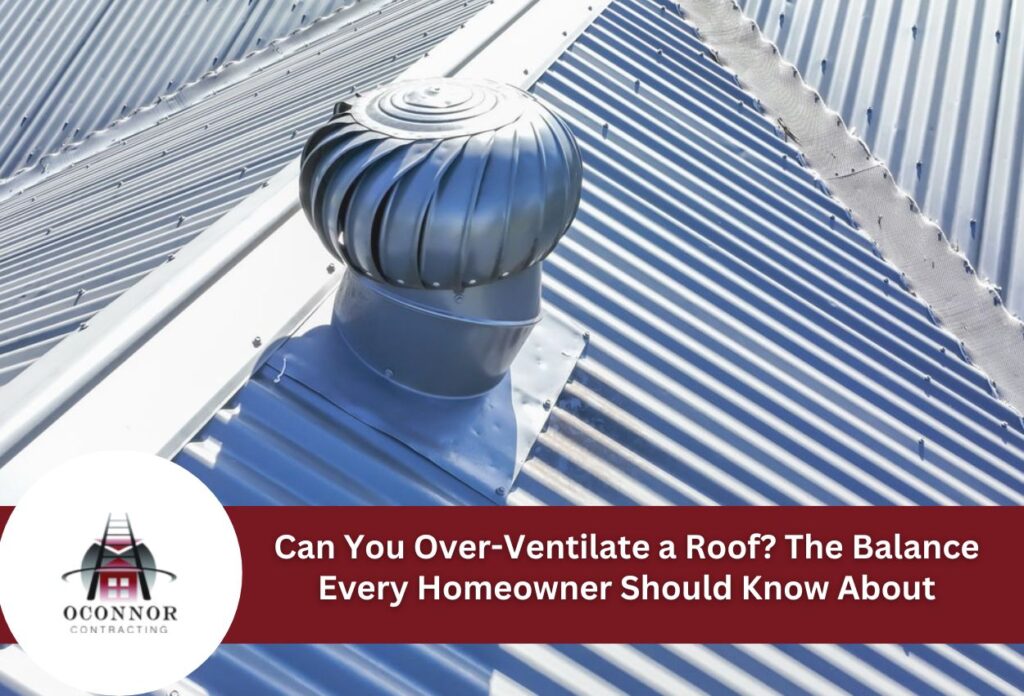

Roof ventilation can become excessive, creating unexpected problems that many homeowners never anticipate. While proper roof ventilation protects homes from water damage and temperature extremes, installing too many vents disrupts the airflow balance your attic requires to function effectively.
Over-ventilation occurs when exhaust vents outnumber intake vents, causing air to enter through exhaust points rather than following the intended intake-to-exhaust flow pattern. This reversed airflow can pull conditioned air from living spaces, increase energy costs, and even draw moisture into the attic during certain weather conditions.
More ventilation does not always equal better results. Having too many intake vents and not enough exhaust, or vice versa, can lead to expenses you may not have either budgeted for or seen coming. Excessive ventilation creates turbulent airflow patterns that prevent the steady, controlled air movement necessary for optimal attic performance. Signs of poor roof ventilation balance include inconsistent indoor temperatures, higher utility bills, and moisture issues that seem to appear without explanation.
Understanding attic ventilation balance requires recognizing that your roofing system functions as a carefully engineered airflow network. Each component must work harmoniously with others to maintain proper air circulation. Roof ventilation problems stemming from over-ventilation are often more subtle than under-ventilation issues, making them harder to identify until damage has already occurred.
The Science Behind Proper Roof Ventilation Systems
Understanding the mechanics of roof ventilation requires examining how air naturally moves through your attic space. The intake and exhaust ventilation cycle creates continuous airflow that begins with cool air entering through soffit vents at the roof’s edge and warm air exiting through ridge vents at the peak. This natural convection process regulates temperature and humidity levels by allowing hot, humid air to escape while drawing in fresh, cooler air from outside.
The science behind proper roof ventilation relies on the stack effect, where temperature differences create pressure variations that drive air movement. As attic air heats up, it becomes less dense and rises toward exhaust points, creating negative pressure that pulls fresh air through intake vents. This continuous cycle prevents moisture buildup and reduces thermal stress on roofing materials.
Building codes establish specific ventilation requirements based on attic square footage, typically requiring 1 square foot of ventilation for every 150 square feet of attic space. These standards represent minimum requirements rather than maximum limits.
When this balance becomes disrupted through over-ventilation, the natural convection process breaks down, leading to roof ventilation problems that compromise your home’s energy efficiency and structural integrity.
Warning Signs That Your Roof Ventilation Has Gone Too Far
Recognizing the symptoms of excessive ventilation requires attention to subtle changes in your home’s energy performance and comfort levels. Unusual drafts appearing in upper-level rooms often indicate that over-ventilation is pulling conditioned air from living spaces into the attic. These drafts typically occur near ceiling fixtures, recessed lights, or attic access points where air barriers may be compromised.
Inconsistent indoor temperatures represent another clear indicator of roof ventilation problems caused by excessive airflow. Rooms can struggle to maintain comfortable temperatures despite normal HVAC operation, which can lead to increased energy bills as heating and cooling systems work harder to compensate. The disrupted air pressure balance creates unwanted air exchanges between conditioned spaces and the attic environment.
Moisture-related issues from over-ventilation often manifest differently than traditional condensation problems. Rather than seeing obvious water droplets, homeowners may notice frost formation on exhaust vents during the winter or unexplained humidity increases in upper-level rooms. These signs of poor roof ventilation occur when excessive exhaust capacity creates negative pressure that draws humid air into the attic through unintended entry points.
Physical evidence of improper attic ventilation balance includes whistling sounds during windy conditions, as turbulent airflow moves through over-ventilated spaces. Ice dam formation may also increase when over-ventilation disrupts the thermal boundary between heated living spaces and the roof surface, melting snow unevenly, which can contribute to ice accumulation along roof edges.
Energy Efficiency Problems from Over-Ventilation
Excessive roof ventilation creates energy efficiency problems by disrupting the thermal boundary between conditioned living spaces and the attic environment. When too many exhaust vents are installed, they create negative pressure that pulls heated or cooled air from the home’s interior through ceiling gaps like fans, electrical fixtures, and other openings. This unwanted air transfer forces HVAC systems to work significantly harder to maintain comfortable indoor temperatures.
The energy loss from over-ventilation compounds during bad weather when maintaining indoor comfort is the most expensive. During the summer, air conditioning systems must compensate for the constant loss of cooled air to over-ventilated attic spaces. Winter heating systems face similar challenges as warm air gets pulled upward through ceiling gaps, creating cold drafts and uneven temperatures throughout the home.
Attic ventilation balance becomes especially important in homes with cathedral ceilings or bonus rooms above garages, where the thermal boundary between conditioned and unconditioned spaces requires careful attention. Over-ventilation in these areas can dramatically increase energy consumption while reducing occupant comfort and indoor air quality throughout the home.
Finding the Sweet Spot for the Best Attic Airflow
Achieving the ideal intake-to-exhaust ventilation ratio requires careful calculation based on your specific roof design and attic square footage. The standard one-to-one ratio between intake and exhaust ventilation provides the foundation, but roof pitch, attic configuration, and local climate conditions influence the precise balance needed for the best performance. Steep-pitched roofs naturally create a stronger stack effect than low-slope designs, requiring adjustments to prevent one component from overwhelming the other.
Professional assessment of your current ventilation setup reveals whether your roof system operates within optimal parameters or needs strategic adjustments. This evaluation examines the total net free area of existing intake vents compared to exhaust capacity, identifying imbalances that create roof ventilation problems. Many homes have adequate total ventilation but suffer from poor distribution or improper ratios between intake and exhaust components.
Determining necessary adjustments without expensive over-corrections involves measuring actual airflow patterns rather than simply counting vents. Smoke pencil tests and pressure measurements reveal how air moves through your attic space, showing whether the system follows intended flow paths or creates turbulent patterns that could be a sign of over-ventilation. These diagnostic techniques help identify specific areas where attic ventilation balance can be restored through targeted modifications.
Corrections might involve blocking excess exhaust vents, adding additional intake vents, or relocating ventilation components to improve airflow distribution. These fixes focus on creating steady, predictable air movement that maintains proper roof ventilation without the energy penalties and moisture problems associated with excessive ventilation systems.
Professional Installation Strategies That Prevent Over-Ventilation
Working with experienced roofing contractors who understand the complexities of attic ventilation balance ensures your ventilation system operates within optimal parameters from the start. Professional installers evaluate your home’s unique architectural features, roof design, and existing ventilation components before recommending specific solutions. This assessment prevents the common mistake of adding ventilation without considering how new components will interact with existing airflow patterns.
Qualified contractors use specialized tools to measure actual airflow rates and pressure differentials throughout your attic space, providing data-driven insights that guide proper roof ventilation decisions. These measurements reveal whether your home needs additional intake capacity, exhaust ventilation, or strategic adjustments to existing components. Professional evaluation eliminates guesswork and prevents roof ventilation installation that exceeds your home’s needs.
The selection process for ventilation products requires matching specific vent types and capacities to your roof’s characteristics and performance goals. Experienced installers consider factors like roof pitch, attic volume, local wind patterns, and seasonal weather variations when choosing between ridge vents, static vents, or powered exhaust systems. This careful product selection prevents over-ventilation by ensuring each part contributes to balanced airflow rather than creating excessive exhaust capacity.
Professional installation teams understand that signs of poor roof ventilation often stem from improper component placement rather than insufficient quantities. Strategic vent positioning creates optimal air distribution patterns that maximize efficiency while preventing the roof ventilation problems associated with excessive or poorly coordinated ventilation systems.
Maintaining Your Roof Ventilation System for Long-Term Performance
Routine monitoring of your roof ventilation system prevents gradual performance degradation that can lead to over-ventilation through component wear or blockages. Establishing a seasonal inspection schedule allows homeowners to identify changes in airflow patterns before they create significant attic ventilation balance issues. These inspections focus on checking intake vents for debris accumulation, examining exhaust components for damage, and verifying that all ventilation openings maintain their intended net free area while supporting roof moisture protection.
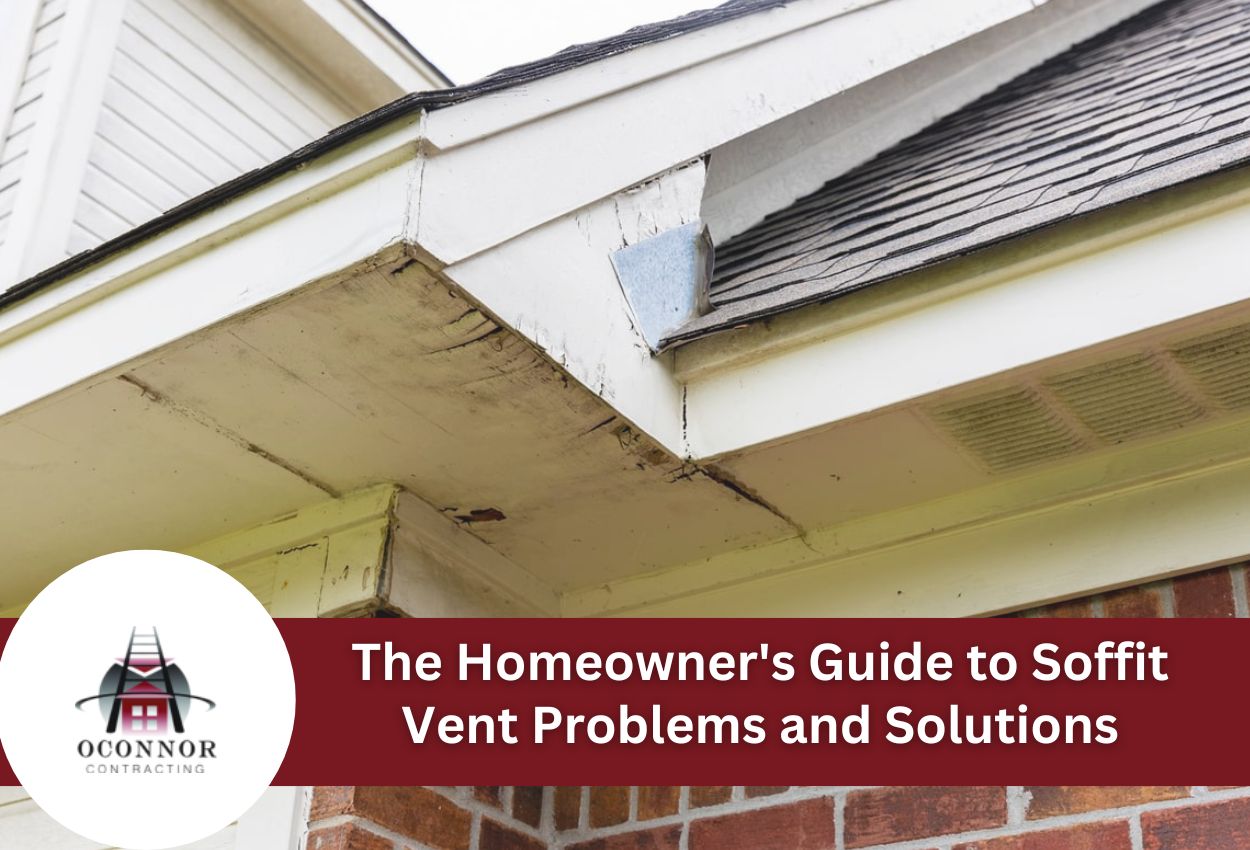
Regular maintenance tasks include clearing soffit vents of leaves, bird nests, and other obstructions that restrict intake airflow. When intake capacity becomes reduced, the existing exhaust vents effectively become too much for the available air supply, creating the same roof ventilation problems associated with excessive exhaust installation. Cleaning ridge vents and static exhaust components prevents similar issues while keeping proper roof ventilation throughout changing seasons.
Home modifications such as attic insulation upgrades, HVAC system changes, or structural alterations can shift ventilation requirements and disturb established airflow patterns. These changes may transform a previously balanced system into one with signs of poor roof ventilation or over-ventilation characteristics. Monitoring indoor comfort levels, energy usage, and attic conditions following any home improvements helps identify when ventilation adjustments become necessary.
Component degradation over time can gradually alter ventilation capacity as weather stripping fails, dampers stick, or screening deteriorates. Annual assessments of ventilation effectiveness ensure that aging components continue supporting optimal attic ventilation balance rather than creating performance issues through reduced functionality or compromised airflow control.
Expert Roof Ventilation Services in Buffalo by OConnor Contracting
Are you worried that your roof might be over-ventilated? It’s essential to strike the right balance in roof ventilation to protect your home’s structural integrity and efficiency. At OConnor Contracting, we specialize in tailoring roof ventilation systems that are perfectly balanced to meet the unique demands of Buffalo’s climate. Our team of experts can assess your current setup and make necessary adjustments to ensure optimal performance with the help of a professional roofing contractor.
Don’t let over-ventilation compromise the comfort and safety of your home. Call us today at (716) 600-7663 to schedule a comprehensive evaluation of your roof’s ventilation system. Ensure your attic has the proper ventilation balance with OConnor Contracting and avoid the expensive pitfalls of excessive ventilation.