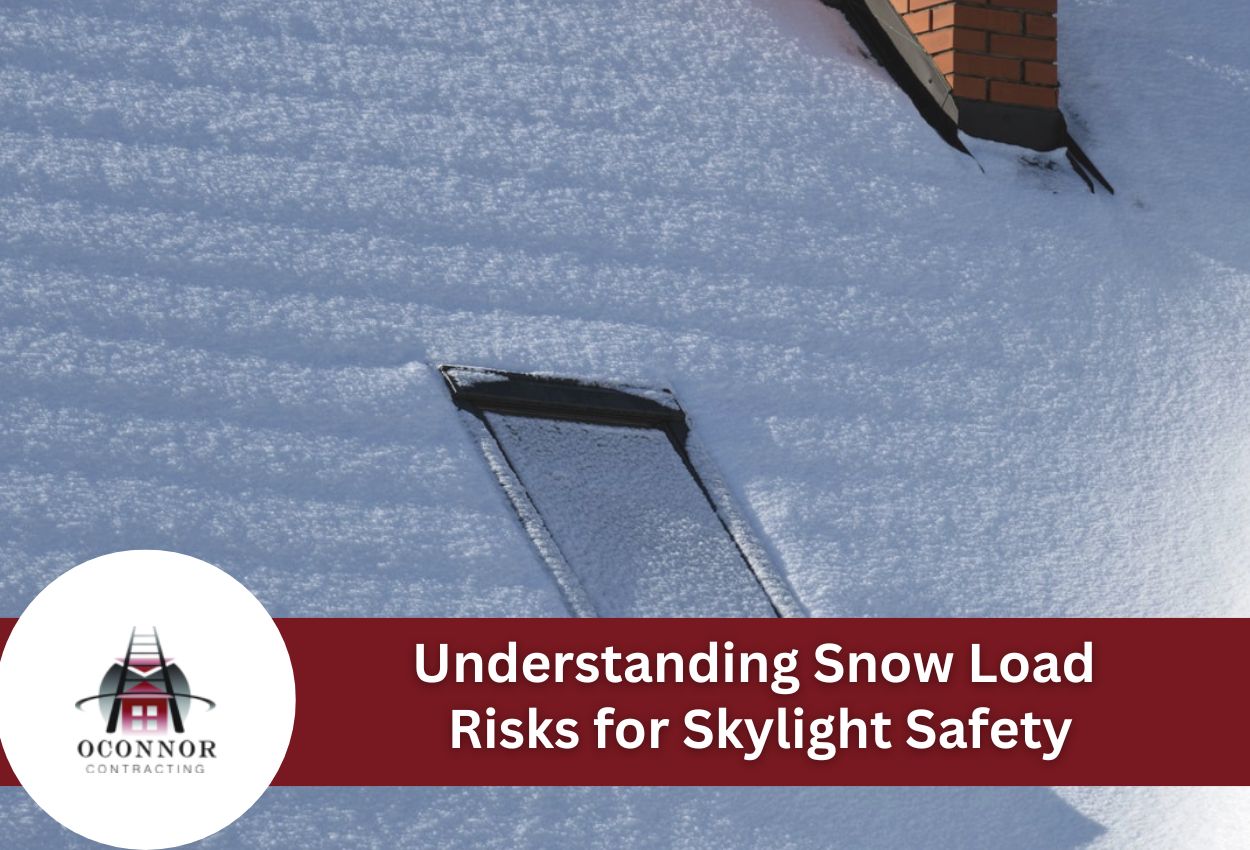


Snow accumulation poses a serious threat to homes throughout Western New York, where winter storms regularly dump several feet of snow in a matter of hours. Many homeowners underestimate the tremendous weight that snow places on their roof structure, not realizing that just 1 foot of wet snow can weigh up to 20 pounds per square foot.
Having the best roof design for snow loads is critical when facing Buffalo’s notorious lake-effect snowstorms. Poor roof snow load capacity leads to structural damage, sagging beams, and in extreme cases, complete roof collapse. These failures happen because many roofs weren’t designed to handle the massive weight that accumulates during heavy snowfall events.
Western New York’s unique weather patterns create additional challenges beyond simple snow accumulation. Rapid temperature changes cause freeze-thaw cycles that create ice dams, while gusty winds distribute snow unevenly across roof surfaces. Steep-pitch roof snow performance differs dramatically from flatter designs, affecting how quickly snow sheds and where dangerous buildup occurs.
Understanding the weight of snow on a roof structure helps homeowners effectively plan their winter maintenance routine. The right roof design and ice dam prevention measures can mean the difference between a safe winter season and expensive emergency repairs when the next major storm hits the region.
How Much Weight Can Your Roof Actually Handle
Understanding roof snow load capacity starts with recognizing that different types of snow create vastly different stress levels on roof structures. Fresh powder snow typically weighs around 5 pounds per square foot, while wet, heavy snow can reach 20 pounds per square foot. Ice adds even more danger, weighing over 50 pounds per cubic foot when it accumulates in thick layers.
Most residential roofs are designed to handle 20 to 30 pounds per square foot of total load, including both dead load from roofing materials and live load from snow accumulation. However, steep-pitched roofs allow snow to shed more effectively, reducing overall weight buildup compared to flatter roof designs. Gable roofs typically excel in snow shedding due to their triangular shape and steeper angles.
Warning signs of inadequate roof snow load capacity include sagging roof lines, cracks in interior walls or ceilings, doors and windows that stick or won’t close properly, and creaking sounds during heavy snowstorms. These symptoms indicate the roof structure is straining under excessive weight and may require immediate snow removal.
The best roof design for snow loads incorporates structural elements like properly spaced rafters, adequate beam sizing, and strategic support posts. Regular structural inspections help identify weaknesses before they become dangerous, especially in older homes where building codes may not have addressed modern snow load requirements.
Steep vs. Shallow Roofs and Snow Performance
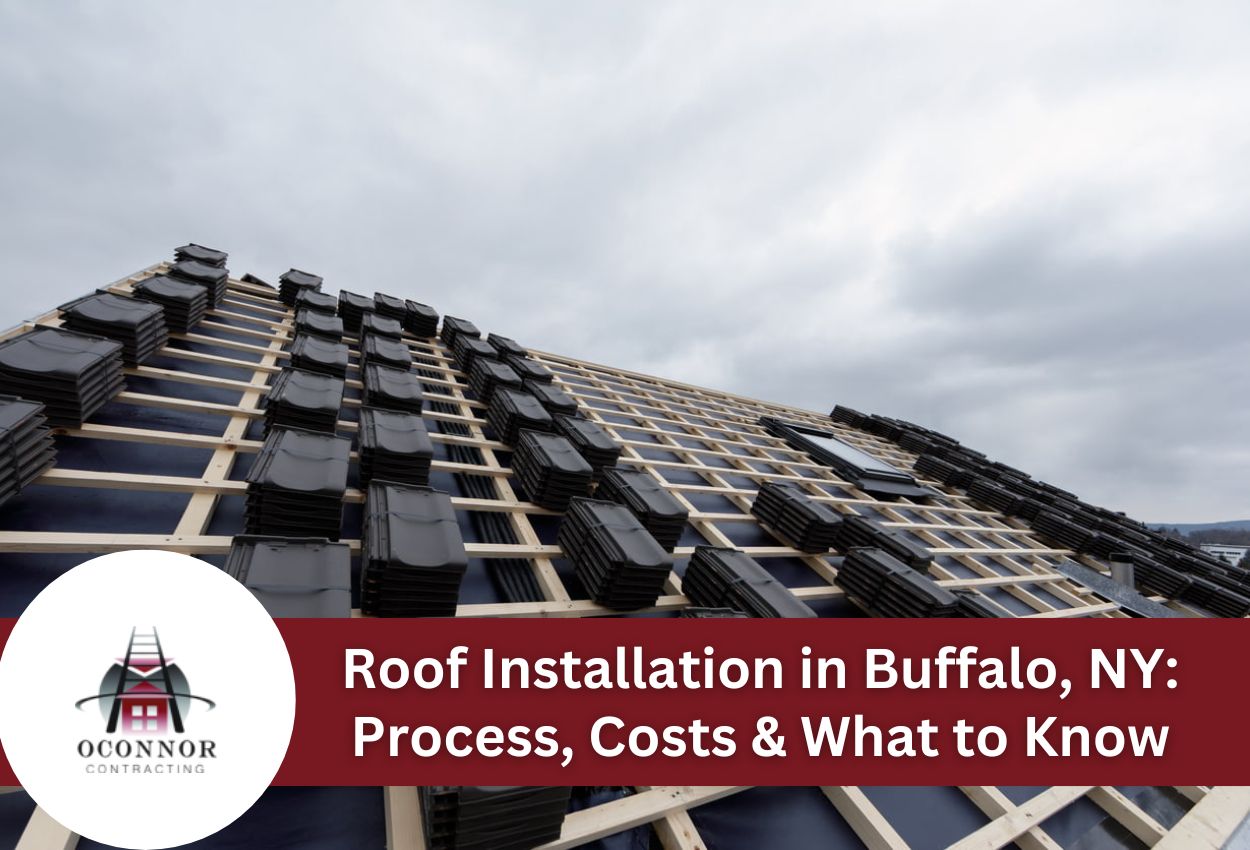
Roof pitch is one of the main determinants of how effectively snow sheds from a roof surface. Steeper roof pitches naturally allow accumulation to slide off, reducing the overall weight of snow on a roof structure. Roofs with pitches of 6/12 or greater typically demonstrate superior snow performance compared to lower-angled designs.
The science behind roof snow shedding is straightforward: gravity works more effectively on steeper surfaces. When snow accumulates on shallow roofs, it tends to remain in place, building up layer after layer until it reaches dangerous levels. This accumulation creates ideal conditions for ice dams to form as melting snow refreezes at the roof edges.
However, steep roofs present their own challenges for snow management. Rapid snow shedding can create hazardous conditions around building perimeters, while the structural requirements for steep pitch construction may limit design flexibility.
Moderate slopes generally have the best balance between shedding efficiency and practical construction considerations. The optimal pitch for regions with heavy snow typically ranges between 6/12 and 10/12. This range provides effective snow shedding while maintaining reasonable construction costs and design versatility. Roof designs for ice dam prevention must consider both pitch angle and proper attic ventilation to prevent the freeze-thaw cycles that create dangerous ice formations.
Metal vs. Asphalt Shingles and Other Material Considerations for Snow
Along with roof pitch, the roofing material on your home impacts how snow accumulates and sheds from the roof surfaces. Metal roofs demonstrate superior snow shedding capabilities compared to asphalt shingles due to their smooth, non-porous surface that reduces friction between snow layers and the roof deck. This reduced friction allows snow to slide off more readily, decreasing the overall weight on a roof structure.
Asphalt shingles create textured surfaces that grip snow, causing accumulation even on moderately steep slopes. The granular surface of traditional shingles provides friction points that prevent natural snow movement, often requiring additional design considerations to match the snow management capabilities of metal systems.
Surface treatments and specialized coatings can enhance snow shedding performance on existing roofing materials. Ice and water shield membranes applied to critical areas improve water resistance during freeze-thaw cycles. Specialized roof coatings designed for cold climates create smoother surfaces that promote better snow movement, effectively upgrading the snow-handling characteristics of standard roofing materials.
The thermal properties of different materials also affect snow behavior patterns. Metal roofs conduct heat more efficiently, promoting gradual melting that supports ice dam prevention. Understanding these material differences helps property owners select the best roof design for snow loads based on their specific climate conditions and structural requirements.
Gable Roofs and Their Snow Handling Advantages
Gable roofs, one of the most popular roof shapes for homes, excel at managing snow loads through their triangular design that naturally distributes weight across two sloping surfaces. This configuration prevents dangerous accumulation in a single area, spreading the weight of snow on a roof structure evenly between both roof planes. The symmetrical design creates balanced loading conditions that reduce stress on individual structural members.
The dual-slope construction of gable roofs provides superior snow performance compared to hip or complex roof designs. Snow slides down each plane independently, preventing the buildup that commonly occurs in roof valleys or complex intersections. This natural shedding action helps maintain a manageable snow load even during major storms.
Specific modifications can enhance the already effective snow-handling capabilities of gable roof designs. Installing snow guards prevents dangerous avalanching while still allowing controlled melting and drainage. Strategic placement of these devices ensures gradual snow release rather than sudden slides that could damage gutters or endanger people below.
Proper eave design is another critical modification for optimizing snow performance in gable roofs. Extended eaves with adequate ventilation create the airflow necessary for effective ice dam prevention. Combined with appropriate insulation, these modifications transform standard gable roofs into highly effective snow management systems that protect both the structure and surrounding property throughout the winter months.
Preventing Ice Dams Through Smart Roof Design
Ice dams form when warm air from inside a building melts snow on the upper roof sections while the lower edges remain frozen. This creates a barrier that traps melting water, forcing it to back up under shingles and into the building. However, smart roof design eliminates the temperature variations that cause this destructive cycle.
Proper ventilation systems maintain consistent roof temperatures by allowing cold outside air to flow through the attic space. Ridge vents paired with soffit vents create continuous airflow that prevents hot spots from developing on the roof surface. This ventilation strategy works in conjunction with the best roof design for snow loads to ensure effective winter performance.
Insulation placement plays an equally important role in preventing ice dams. Properly installed insulation prevents heated indoor air from reaching the roof deck, maintaining uniform surface temperatures across the entire roof system. Air sealing around pipes, light fixtures, and attic access points prevents warm air leakage that contributes to ice dam formation.
Structural features like extended eaves and properly designed gutters complement ventilation and insulation systems. These elements ensure that melting snow drains effectively without allowing water to back up. When combined with an appropriate roof pitch, these design elements create comprehensive protection against winter weather damage throughout the season.
Building Code Requirements and Professional Installation Tips
Building codes generally establish specific requirements for roof snow load capacity based on local weather data and historical snowfall patterns. These regulations require new construction and major renovations to meet minimum structural standards that account for the region’s heavy snow loads. Building officials enforce these requirements to ensure that the roof design meets established safety margins.
Building codes typically specify minimum design loads for residential construction, though specific requirements vary based on building height, roof configuration, and exposure conditions. These standards recognize that the weight of snow on a roof structure can exceed normal loading conditions during severe weather events. Compliance requires detailed structural calculations that demonstrate adequate roof snow load capacity.
Complex snow load situations require consultation with structural engineers who understand regional weather patterns and building performance requirements. A professional assessment becomes necessary when dealing with unusual roof geometries, large spans, or modifications to existing structures. Engineers evaluate factors like roof pitch, wind drift patterns, and unbalanced loading conditions that affect overall structural integrity.
Roofing professionals provide specialized expertise in implementing ice dam prevention strategies and optimizing roof snow performance through proper installation techniques. These contractors understand how material selection, ventilation systems, and structural details work together to create effective snow management systems that protect buildings throughout Western New York’s challenging winter conditions.
Ensure Your Roof is Ready for Buffalo’s Heavy Snowfall with OConnor Contracting
Heavy snowfall can put tremendous pressure on your roof, and knowing the best roof design for snow loads is crucial for your home’s safety and integrity. At OConnor Contracting, we specialize in designs that not only meet but exceed local Buffalo area building requirements for snow load capacity. Whether you’re considering a steep pitch roof for optimal snow performance or a gable roof for better snow distribution, our expert team is here to guide you through your options.
Don’t wait until it’s too late! Heavy snow can lead to severe structural damage or even roof collapse. To ensure your roof can withstand the weight of snow this winter, call us today at (716) 600-7663. Let OConnor Contracting help you choose and install a roof that offers peace of mind all winter long.