
Fiber-cement, engineered wood, insulated vinyl, and metal siding are the four alternative materials best suited to Buffalo’s climate, each proven to handle the temperature changes, moisture, and heavy snow that cause standard vinyl siding to crack, warp, or fail prematurely. Buffalo receives 90 to 100 inches of lake-effect snow annually, with repeated temperature swings from November through March pushing and pulling at every exterior surface on a home.
That kind of weather demands more than basic cladding. Standard vinyl expands and contracts with each temperature shift, and over several seasons, that movement leads to gaps, leaks, and visible damage. The four materials covered in this article are selected specifically because they resist those forces better than conventional options.
Material compatibility with older homes matters just as much as raw durability. The majority of Buffalo’s housing stock is pre-1960 wood-frame construction, Colonials, Victorians, bungalows, and ranch-style homes, where siding choices must work with the existing structure, not against it. This article breaks down each material by performance, cost, and fit for Erie County homes.
*Please note, price ranges listed in this article may not reflect the final cost of your project. Prices are subject to change based on various factors such as local labor rates, material quality, and more. All costs established in this article are rough estimates based on average industry rates.
How Do Fiber-Cement, Engineered Wood, Metal, and Insulated Vinyl Siding Compare for Buffalo’s Winters?
Fiber-cement is the top-rated siding material for Buffalo winters, outperforming engineered wood, metal, and insulated vinyl across every category that matters in Western New York’s climate.
| Material | Temperature Change Resistance | Wind Resistance | Moisture Resistance | Expected Lifespan |
|---|---|---|---|---|
| Fiber cement | Excellent | Up to 130 mph | Under 2% moisture absorption by weight | 50+ years |
| Engineered wood | Good | Up to 110 mph | Moderate requires painting every 5 to 7 years | 30 to 40 years |
| Metal siding | Excellent | Up to 140 mph | Excellent non-porous surface | 40 to 50 years |
| Insulated vinyl | Fair | Up to 110 mph | Good foam backing reduces gaps | 20 to 30 years |
Fiber cement’s moisture absorption rate of under 2% by weight makes it a strong match for Buffalo’s year-round relative humidity of 70% to 80%, where competing materials absorb water and weaken over repeated wet-dry cycles. Engineered wood holds up well structurally but requires paint maintenance every 5 to 7 years. Skip that window in Buffalo’s wet climate, and moisture damage follows fast.
Insulated vinyl adds R-2 to R-4 thermal value over standard vinyl, which helps with heating costs, but its 20 to 30 year lifespan is the shortest of the 4 options. For Erie County homes facing blizzard conditions, high winds, and heavy lake-effect snow, fiber-cement and metal siding deliver the most durable long-term performance.
What Does Alternative Siding Installation Cost in Buffalo, NY?
Metal siding carries the highest installed cost per square foot at $11 to $19, while insulated vinyl and engineered wood offer the most budget-friendly range at $6 to $12 per square foot for Buffalo homeowners.
| Material | Material Cost per Sq Ft | Labor Cost per Sq Ft (Buffalo) | Total Installed Cost per Sq Ft |
|---|---|---|---|
| Fiber cement | $5 to $9 | $3 to $6 | $8 to $15 |
| Engineered wood | $3 to $7 | $3 to $5 | $6 to $12 |
| Insulated vinyl | $4 to $8 | $2 to $4 | $6 to $12 |
| Metal siding | $7 to $12 | $4 to $7 | $11 to $19 |
A typical Buffalo home exterior covers 1,200 to 1,800 square feet of siding surface, which puts total project costs between $9,600 and $34,200 depending on material choice and home size. Erie County and New York State require a Home Improvement Contractor license for any project over $500, and exterior work affecting structural integrity requires a local Buffalo building permit budget an additional $150 to $400 for that permit.
Choosing insulated vinyl or engineered wood over metal siding can save $3,000 to $12,000 or more on a full exterior replacement, making material selection one of the biggest cost levers available to homeowners. Homeowners exploring financing options for exterior projects can review available plans before committing to a material or contractor.
How Does Each Siding Material Actually Perform Through Buffalo’s Freeze-Thaw Cycles and Lake-Effect Snow?
Fiber cement limits thermal movement to approximately 0.3 inches per 100 linear feet, far less than standard vinyl, which expands and contracts enough across the 32-degree Fahrenheit threshold to crack joints and open gaps over time. Buffalo temperatures cross that freezing point dozens of times each season between November and March, and every crossing puts stress on siding materials. Standard vinyl cannot handle that repeated movement without eventually failing at the seams.
Leaks in Older Buffalo Homes
The lake-effect snow belt on Buffalo’s east side creates microclimates with above-average moisture exposure year-round. For the majority of Buffalo’s housing stock, pre-1960 wood-frame Colonials, Victorians, bungalows, and ranch homes, moisture is the leading cause of structural damage behind siding. Proper flashing and housewrap installation per the 2020 NYS Residential Code is required regardless of which siding material is chosen, because no cladding alone stops moisture buildup without correct installation underneath it. When a leak does reach the roofing system, a residential roof inspection can identify damage before it spreads into the attic or wall cavity.
Engineered Wood and Annual Maintenance Windows
Engineered wood siding installed in humid climates like Buffalo’s should carry a manufacturer-backed moisture warranty of at least 15 years. Even with that coverage in place, homeowners should inspect all sealants and joints every fall before the November through March snow season begins. Catching a failed joint or cracked sealant in October takes minutes to fix. Finding rot in the following spring after a full winter of leaks can cost thousands of dollars in repairs, particularly in wood-frame homes where water damage spreads fast behind the wall cavity.
Which Alternative Siding Material Is the Right Fit for Your Buffalo Home?
The right siding material depends on your top priority, budget, durability, architectural appearance, and maintenance, and each scenario points to a different answer for Buffalo homeowners.
- Budget-Conscious (under $12 per sq ft installed): Engineered wood and insulated vinyl both land in the $6 to $12 per sq ft installed range, making them the most affordable options for a full exterior replacement without sacrificing meaningful weather protection.
- Maximum Durability (50+ year lifespan, blizzard conditions): Fiber cement is the clear choice for homeowners who want one installation to last through decades of lake-effect snow and high winds. Its 50+ year lifespan and moisture absorption rate under 2% by weight set it apart from every other option on this list.
- Architectural Match for Historic Homes (Victorian or Colonial style): Fiber cement board-and-batten and lap profiles replicate the look of original wood siding closely enough to satisfy most preservation standards, making it a practical fit for Buffalo’s older neighborhoods.
- Low Maintenance Priority (minimal repainting, pest resistance): Metal and fiber cement both resist pests and hold factory finishes far longer than engineered wood, which requires repainting every 5 to 7 years to stay protected in Buffalo’s humid climate.
Homeowners with pre-1960 wood-frame structures should confirm the structural integrity before installing fiber cement. At 2.5 to 3.5 lbs per sq ft versus vinyl’s 0.5 to 1 lb per sq ft, the added weight may require a framing assessment before installation begins. For scheduling, Buffalo installations run best from late May through early September. Temperatures below 40 degrees interfere with curing, and high July and August humidity can affect adhesive and caulk performance on any siding system.
Does Upgrading to Alternative Siding Add Long-Term Value to a Buffalo Home?
Fiber cement siding recoups approximately 80% to 86% (or more) of installation costs at resale nationally, and in cold-weather markets where buyers prioritize durability, that figure trends toward the higher end of the range. By comparison, standard vinyl averages just 68% to 76% recoup at resale. That gap matters when you’re weighing upfront costs against what a buyer will actually pay for your home later.
| Material | Estimated Resale ROI % | Annual Maintenance Cost |
|---|---|---|
| Fiber cement | 80% to 86% | $100 to $300/year |
| Engineered wood | 72% to 80% | $200 to $500/year |
| Insulated vinyl | 70% to 78% | $50 to $150/year |
| Metal siding | 75% to 82% | $50 to $200/year |
Insulated vinyl carries the lowest maintenance cost of any option at $50 to $150 per year, and its R-2 to R-4 added insulation value can save Buffalo homeowners $150 to $400 annually on heating bills during winters that average 20 degrees to 35 degrees. Spread across a 10 to 15 year period, those energy savings push insulated vinyl’s effective ROI well above its sticker resale number. Fiber cement delivers the strongest combination of resale return and low annual maintenance costs, making it the best long-term value for most Buffalo homeowners. Homeowners who are also evaluating the condition of their roof alongside a siding replacement can explore soffit and fascia services to address the full exterior at once.
Ready to Find the Right Siding for Your Buffalo Home?
Choosing fiber cement, metal, or insulated vinyl can save you thousands in long-term maintenance, but Erie County requires a licensed Home Improvement Contractor for any project over $500, so verifying credentials before signing anything is the right first step. OConnor Contracting serves Buffalo homeowners with licensed exterior installation and free on-site estimates. Contractor schedules fill fast for the late May through early September installation window, so booking before late September gives you the best chance at a spring slot.
Request a free siding estimate
Not ready to schedule? Learn more about siding installation options in Buffalo.
Frequently Asked Questions
Got questions about your roof? We’ve got answers. From maintenance tips to insurance claims and repair timelines, our FAQ section covers the most common concerns homeowners have. Get informed and make confident decisions about protecting your home.
People Also Ask
Can Buffalo homeowners install new siding directly over existing siding without removing it?
Installing new siding over old is possible but generally discouraged for Buffalo’s pre-1960 wood-frame homes, where trapped moisture behind existing cladding accelerates rot in original framing. Erie County inspectors may also flag over-installation if it obscures structural components requiring inspection under the 2020 NYS Residential Code.
Does the direction a Buffalo home faces affect which alternative siding material holds up best?
North and east-facing walls in Buffalo receive the heaviest lake-effect snow exposure and least drying sunlight, making moisture-resistant materials like fiber-cement or metal siding a stronger fit for those elevations specifically. South and west-facing walls face greater UV and thermal cycling, where engineered wood’s paint finish tends to degrade faster.
Are there any Buffalo neighborhood or historic district restrictions that limit which siding materials homeowners can choose?
Buffalo’s Elmwood Village, Allentown, and other locally designated historic districts may require exterior alterations to meet preservation standards set by the Buffalo Preservation Board, which can restrict non-traditional materials like metal siding. Homeowners in these areas should confirm material eligibility with the board before finalizing any alternative siding selection.
Related Articles
-
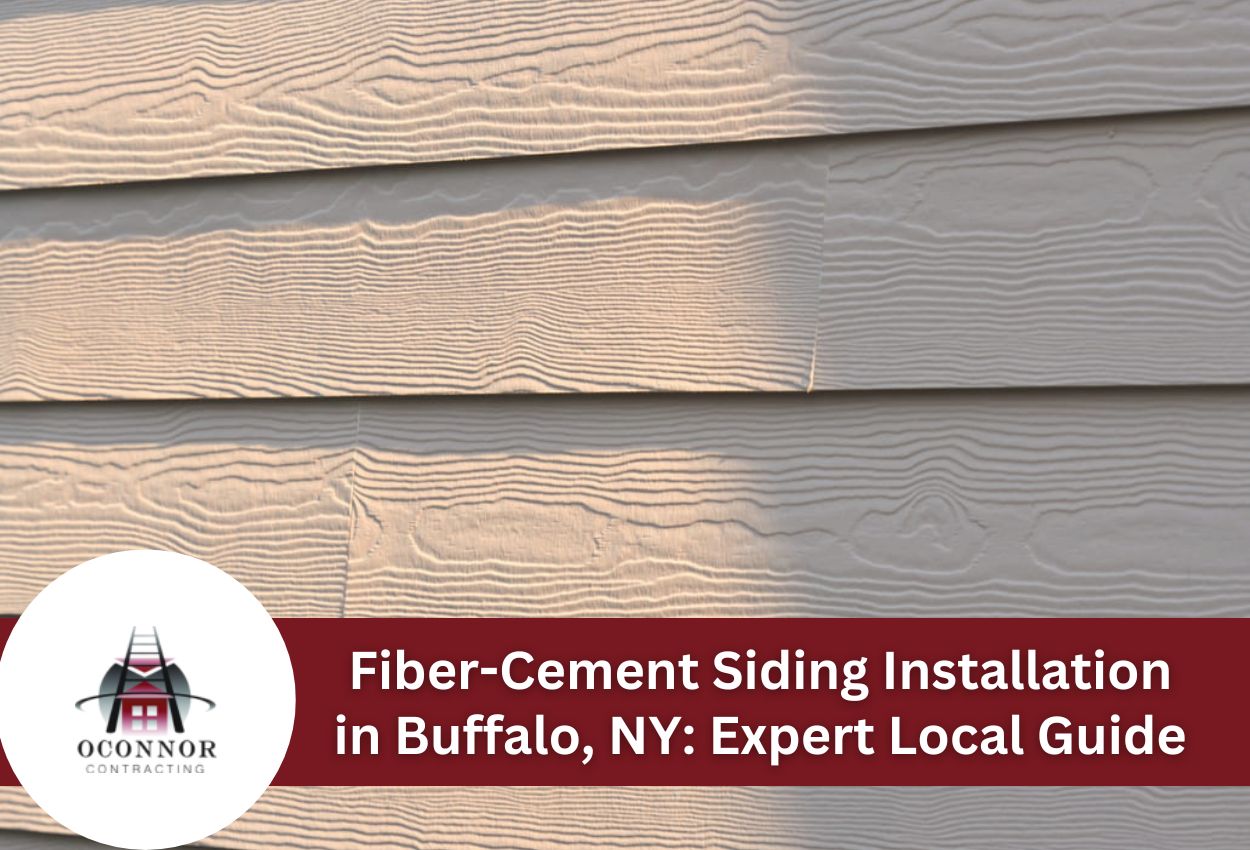 June 8, 2026Fiber-Cement Siding Installation in Buffalo, NY: What Homeowners Need to Know Before They StartUpgrade to fiber cement siding built for Buffalo winters. Get your free estimate today.
 -
 August 2, 2023Top 6 Fake Wood Siding Options That Redefine Elegance!Explore our top six elegant fake wood siding options that blend natural warmth with modern durability. Fake wood siding, as the name suggests, is an exterior siding that gives the appearance of natural wood but is made of other materials like fiber cement. Natural wood siding typically has high maintenance requirements and is prone to […]
 -
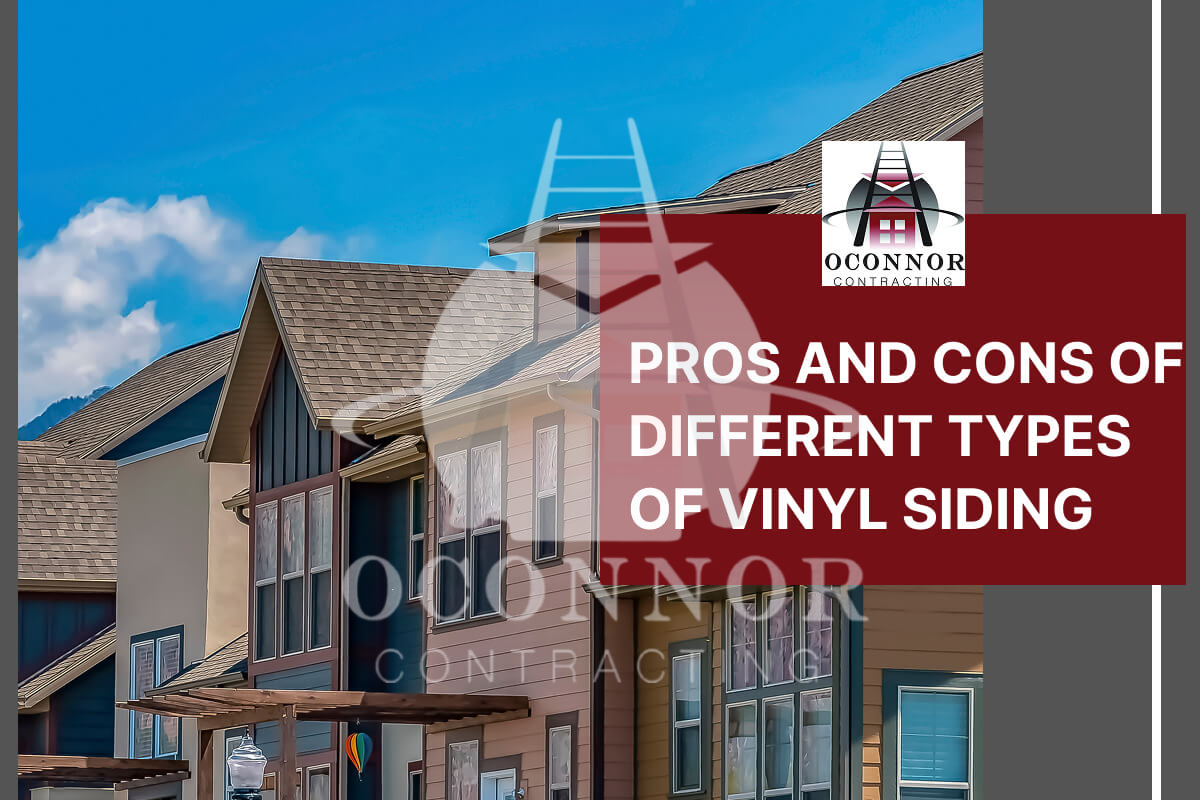 October 27, 2023The Pros and Cons of Different Types of Vinyl SidingVinyl siding has become a popular choice for homeowners across the country thanks to its durability and low maintenance requirements. When it comes to enhancing the exterior of your home, vinyl siding offers a range of options as well, making it perfect for those seeking to increase their curb appeal. However, like any home improvement […]
Protect Your Home with Expert Roofing
Don’t wait for leaks or storm damage to cause costly repairs. Our experienced roofing team provides fast, reliable service, high-quality materials, and lasting results. Ensure your home stays safe, secure, and looking great—contact us today for a free estimate.