Don’t wait – secure your home with Buffalo’s leading roofers today!
 716-600-ROOF
×
106 Hubbardston Pl, Buffalo NY
Open 24 Hours
Wales, NY gets hit hard every winter. With around 110 inches of snow a year and a long stretch of cold weather running from late fall through early spring, roofs here take a beating that most other parts of the country never see. Repeated temperature changes crack and loosen shingles, heavy snow puts pressure on older roofing systems, and meltwater finds its way under shingles along eaves and around chimneys before homeowners even know there’s a problem. Many homes in this area were built decades ago, which means aging shingles, worn flashing, and underlayment that has gone through hundreds of freeze and thaw cycles are more the rule than the exception.
Catching a problem early makes a real difference. A loose tab or a small gap in chimney flashing might not seem urgent, but wet shoulder seasons and the next round of heavy snow can turn a minor issue into a leak that soaks insulation and damages ceilings. That’s where OConnor Contracting comes in. With experience handling roof repairs across Western New York, the team understands what Wales winters actually do to a roof and what it takes to fix it the right way, whether that’s a single shingle repair, flashing work around a chimney or vent, or addressing eave-edge damage left behind by ice buildup.
A residential roof repair should begin with finding the actual cause of the problem rather than immediately addressing the most visible symptom. OConnor Contracting works through the condition of the roof first, then builds the repair around what the inspection reveals.
Older homes in the Wales area tend to share the same trouble spots, and winter weather here has a way of finding every weak point in a roofing system. Understanding where problems usually start can help you catch damage early and avoid a bigger repair down the road.
| Common Issue | Typical Cause | Where It Shows Up First |
|---|---|---|
| Cracked or loose shingles | Repeated temperature changes and heavy snow loading | Exposed field areas and ridge edges |
| Ice dam damage | Heat escaping through the attic melts snow that refreezes at eaves | Lower roof edges and soffit areas |
| Chimney and vent flashing failure | Aging sealants and metal fatigue on older roofing systems | Around chimney bases and pipe gaps |
| Interior staining or dampness | Slow leaks working through worn underlayment over time | Upper ceilings and walls near exterior edges |
| Separated shingle seal strips | Wind exposure and brittle shingles on aging roofs | Tab edges lifting along the upper roof |
Many of these issues are connected. A flashing gap near a chimney can let water in, and if attic ventilation is poor, that moisture has nowhere to go. Getting the full picture during an inspection helps ensure the repair addresses the real source of the problem, not just what is visible on the surface.
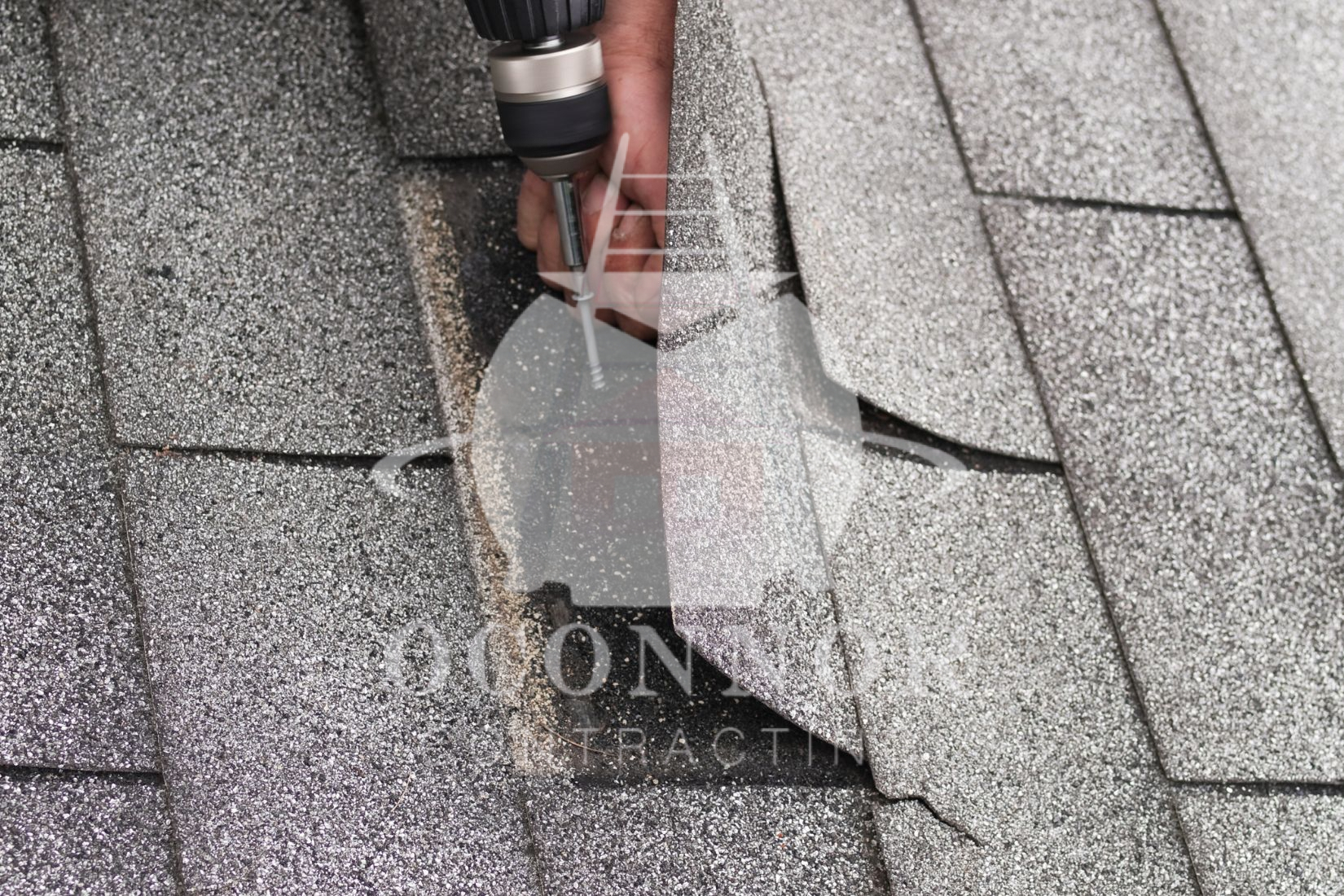
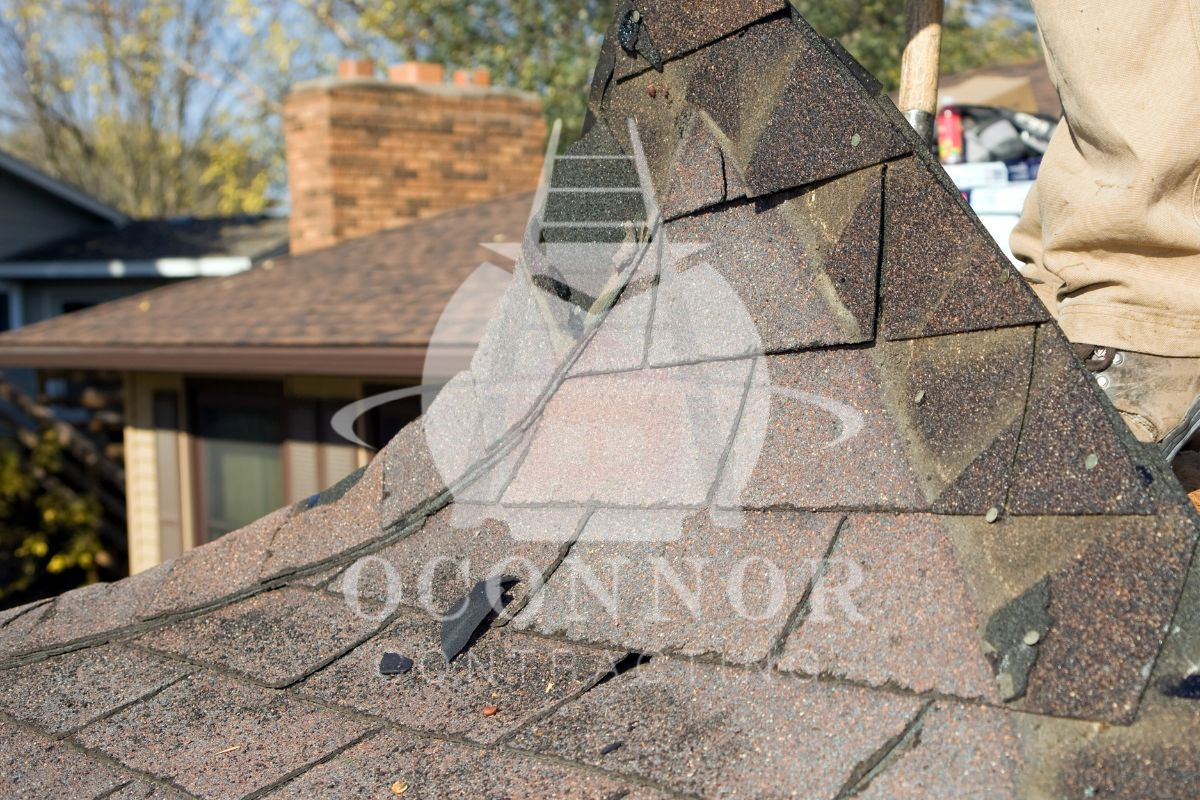
When shingles crack, curl, or lose their seal strips from years of temperature changes and heavy snow, replacing individual shingles or resealing lifted tabs restores your roof’s ability to shed water correctly. Catching these repairs before the next round of winter weather keeps small surface issues from working down into the underlayment.
Chimney flashing, vent pipe flashing, and step flashing along dormers or walls are among the most common failure points on older Wales-area homes. Repairing or replacing deteriorated flashing and applying fresh sealant at these joints closes off the gaps where meltwater most often finds a way in.
Heavy snow and ice buildup put extra stress on the lowest edge of your roof, where drip edge metal can bend, separate, or corrode over time. Repairing or replacing damaged drip edge keeps water from running behind the fascia boards and into the roof deck rather than off the edge where it belongs.
When worn underlayment is exposed during a repair, replacing that section adds an important layer of protection between your shingles and the roof deck. On older homes that have been patched more than once, addressing the underlayment at the same time as the surface repair helps ensure the fix holds up through future wet seasons.
Wales winters are hard on roofs, and the damage tends to build quietly over time. Shingles that have been through years of heavy snow, repeated temperature changes, and wet spring thaws wear down faster than most homeowners realize. Getting repairs done during the warmer months, before the next cold season sets in, gives your home the best chance of holding up when conditions get rough again. A properly repaired roof protects your family, holds your property value, and keeps unexpected repair costs from catching you off guard later.
OConnor Contracting works with homeowners across the Wales area to get repairs done the first time correctly. Whether you have a known leak, shingles that need attention, or flashing around a chimney that has seen better days, reaching out is a simple first step. Contact OConnor Contracting to schedule an inspection and get a clear picture of where your roof stands.
Got questions about your roof? We’ve got answers. From maintenance tips to insurance claims and repair timelines, our FAQ section covers the most common concerns homeowners have. Get informed and make confident decisions about protecting your home.
The Town of Wales does require building permits for certain roof work, so depending on the scope of your repair, a permit may need to be pulled before work begins. OConnor Contracting handles that process on your behalf, so you do not have to figure out the paperwork yourself. Knowing upfront whether a permit is required also protects you if you sell your home later, since unpermitted roof work can create problems during a buyer’s inspection.
Not necessarily. In Wales, winter staining that appears after snowfall and not during rain is often a sign of ice dam activity rather than a simple shingle failure. When heat escapes through the attic, it melts snow near the ridge, and that water runs down and refreezes along the eaves where it can back up under shingles. The repair in that situation may involve both the surface of the roof and a closer look at how well your attic is vented, since fixing only the surface often means the same problem returns next winter.
Repairs can be done year-round in Erie County, and waiting until spring to address an active leak is rarely a good idea when another month or two of heavy snow is still ahead. Cold weather does require some adjustments, such as how sealants and adhesives are handled, but experienced local crews account for that. If your roof is showing signs of damage right now, getting it looked at sooner rather than later is the better call.
Don’t wait – secure your home with Buffalo’s leading roofers today!

Affordable
Pricing

Locally Owned & Operated

Quality Roofing Since 2014

