Don’t wait – secure your home with Buffalo’s leading roofers today!
 716-600-ROOF
×
716-600-ROOF
×
106 Hubbardston Pl, Buffalo NY
Open 24 Hours
Lackawanna sits close enough to Lake Erie that the weather here operates on its own terms. Winters bring heavy snow, gusty winds pushing past 40 mph, and fog carrying corrosive moisture through the air, inland from the lake. Summers swing to the opposite extreme, with heat pushing into the 90s and baking flat commercial roofs through long afternoon hours. That kind of back-and-forth puts real stress on roofing materials over time. Membranes weaken, adhesives lose their grip, and asphalt-based systems shed granule protection faster than they would in a milder region. For building owners and property managers in this area, a failing roof is not a minor inconvenience. It threatens the structure beneath it, disrupts tenants, and turns a straightforward replacement into a much larger repair job.
A commercial roof replacement done right for a Lackawanna property means more than just swapping out old material. It means choosing a system built to handle Western New York wind, standing water on flat roof decks, and the temperature changes that run from well below zero in January to near 90 degrees Fahrenheit by midsummer. OConnor Contracting works specifically in this market and understands what these buildings actually face season to season. From verifying that the roof deck can support the new system to selecting materials that resist the local weather conditions, every part of the process is handled with that context in mind.
A commercial roof replacement involves decisions that affect both the building and the way work can continue during construction. OConnor Contracting assesses the existing roofing, reviews whether replacement is appropriate, and coordinates the installation around the property's needs.
Choosing the right roofing system for a commercial property here is not just about preference. The wind, snow, temperature changes, and lake-influenced air all affect how a material performs over time. The table below breaks down the systems best suited to what Lackawanna properties actually face.
| Roofing System | Best Use Case | Key Advantage for This Market |
|---|---|---|
| TPO | Flat or low-slope commercial roofs with frequent foot traffic | Resists lake fog better than asphalt-based systems; walkway pads install easily for high-traffic paths |
| EPDM | Large flat roofs on industrial or retail buildings | Stays flexible through temperature changes, reducing the risk of adhesive failure during cold winters |
| Modified Bitumen | Roofs requiring layered waterproofing on older structures | Provides strong waterproofing, though cold-weather installation requires careful attention to roof deck temperature and surface prep |
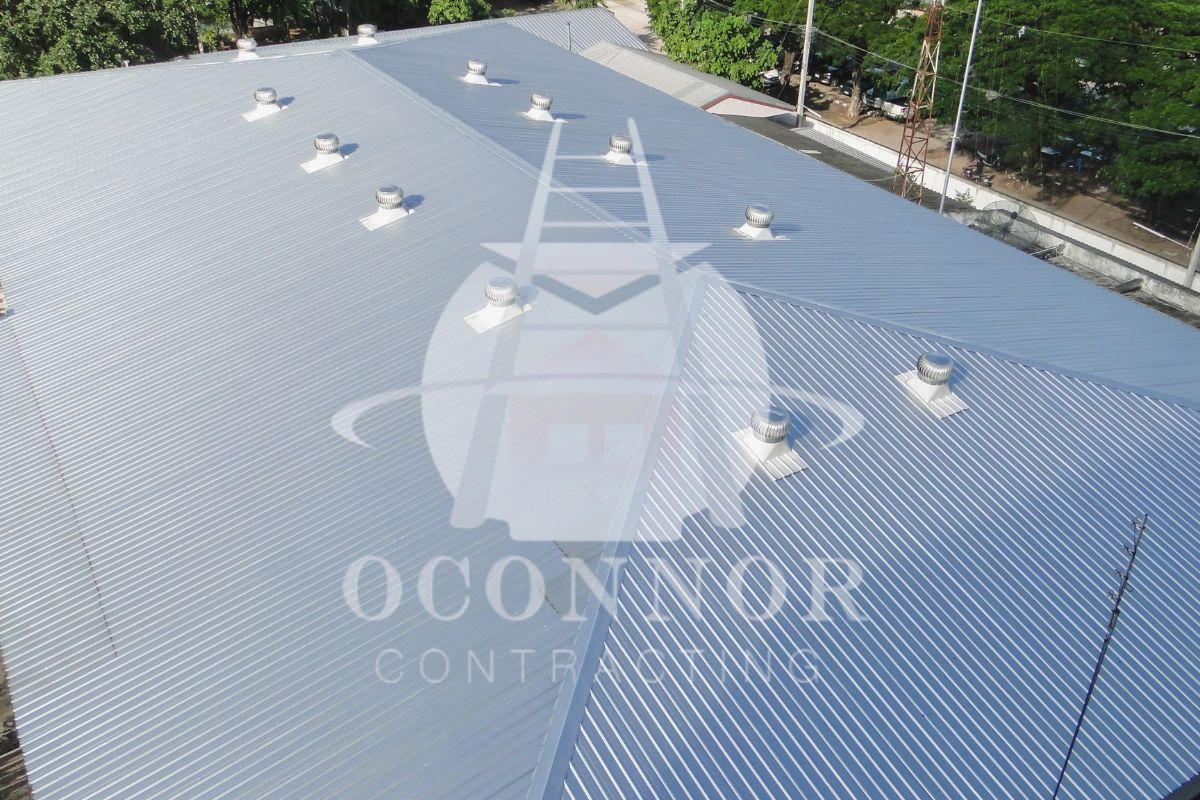
| Metal Retrofit | Facilities with structural capacity for a heavier system | Long service life with strong resistance to wind and standing water that flat roofs accumulate after heavy snow melts |
Your building's roof deck condition, current capacity, and how your roof is accessed for maintenance all factor into which system fits best. OConnor Contracting will walk through these details with you before any material decision is made.
Before a new roofing system goes down, we confirm that the roof deck beneath it can support the added weight, especially on older Lackawanna commercial buildings where wooden structures are prone to rot from years of trapped humidity. Skipping this step can turn a straightforward replacement into a much more expensive structural repair down the road.
Western New York code requires ice barriers that extend at least 24 inches past exterior walls, and this step is built into every replacement we do in this market. With the heavy snow and temperature changes Lackawanna sees from October through April, proper ice protection is what keeps your facility protected when conditions get harsh.
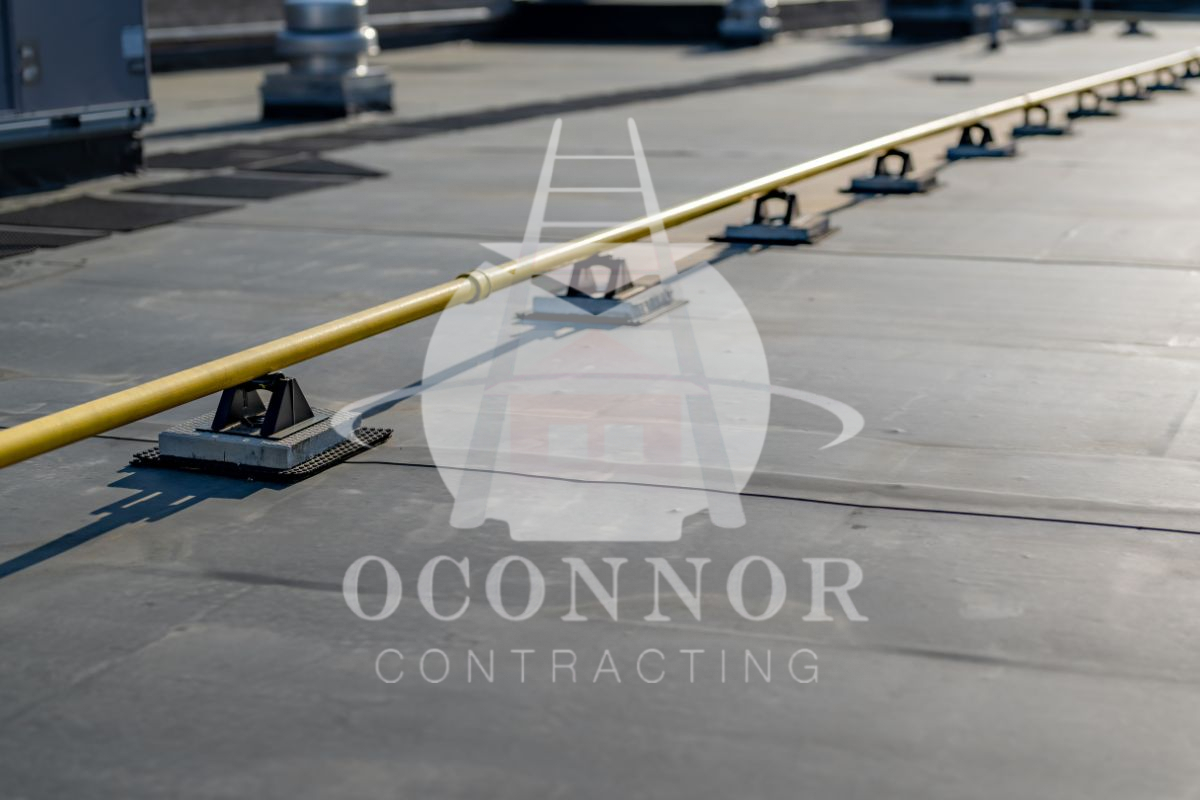
Flat commercial roofs take a beating from repeated maintenance access, and puncture damage is one of the most common issues we see on TPO and EPDM systems in this area. We install walkway pads along the paths crews use most often, which protects the membrane and extends the life of your new roof.
With over 40 inches of annual snowfall and consistent rainfall throughout the year, standing water is a real risk on flat and low-slope commercial roofs in Lackawanna. We clear and inspect all drains, scuppers, and drainage points as part of the replacement to ensure water moves off your roof the way it should from day one.
Western New York's weather does not ease up on commercial roofs. The combination of heavy snow, wind off the lake, and wide temperature swings from winter to summer puts real wear on membranes and adhesives year after year. Replacing your roof before that wear turns into interior damage protects your facility, keeps tenants from dealing with disruptions, and reduces the long-term costs that come with deferred maintenance. If your building is approaching the end of its current roof's service life, fall is typically the best window to act, with cooler temperatures and fewer weather delays than summer scheduling allows.
OConnor Contracting handles commercial roof replacements in Lackawanna with the kind of attention this market requires. From the initial inspection through the final walkthrough, the process is straightforward and built around what your building actually needs. If you are ready to move forward or just want to talk through your options, reach out and we will take it from there.
Got questions about your roof? We’ve got answers. From maintenance tips to insurance claims and repair timelines, our FAQ section covers the most common concerns homeowners have. Get informed and make confident decisions about protecting your home.
This cycle is arguably the most destructive environmental force a commercial building faces in Western New York. Throughout the winter and early spring, daytime temperatures often rise just enough to melt heavy lake-effect snow, creating water that pools around drains, curbs, or aging seams. When temperatures plummet overnight, that standing water freezes and expands, physically prying apart adhesives, opening seams, and cracking older membrane flashings.
This relentless expansion and contraction is a primary reason why older roofs fail prematurely in our region. To combat this, a proper roof replacement often involves installing tapered insulation beneath flexible, weather-resistant membranes like EPDM or heat-welded TPO. Tapered insulation creates a subtle, engineered slope on an otherwise flat deck, forcing meltwater directly into your scuppers and drains before the evening freeze can set in.
This is something any reputable contractor working in Western New York has to plan around, not just react to. Summer afternoons here can bring thunderstorms that drop significant rain in a short window, so crews typically start early and work in smaller open sections to reduce how much deck is exposed at any one time. OConnor Contracting builds this into the scheduling from the start so your facility stays protected even if the weather does not cooperate.
On older Lackawanna commercial buildings, the answer is often yes. Heavier systems like built-up roofing require roof deck verification to confirm the structure can handle the added weight, and wooden roof decks on older properties here can carry years of rot from trapped moisture that is not visible from the surface. Identifying that before installation begins is what keeps a roof replacement from turning into a larger structural project.
Don’t wait – secure your home with Buffalo’s leading roofers today!

Affordable
Pricing

Locally Owned & Operated

Quality Roofing Since 2014