Don’t wait – secure your home with Buffalo’s leading roofers today!
 716-600-ROOF
×
716-600-ROOF
×
106 Hubbardston Pl, Buffalo NY
Open 24 Hours
Grand Island sits between the Niagara River and Lake Erie, and that location shapes everything about how your roof performs through the year. Lake-effect snowfall hits this part of western New York hard, and the wide swings between warm, humid summers and cold, punishing winters put real stress on roofing materials. When a roof starts to fail in this environment, it rarely stays a small problem. Ice and snowmelt find their way under compromised shingles, and repeated temperature changes work on flashing and seams until leaks become a regular occurrence. For homeowners on Grand Island, especially those with older suburban homes that have cycled through repairs for years, the roof is one part of the house you cannot afford to ignore.
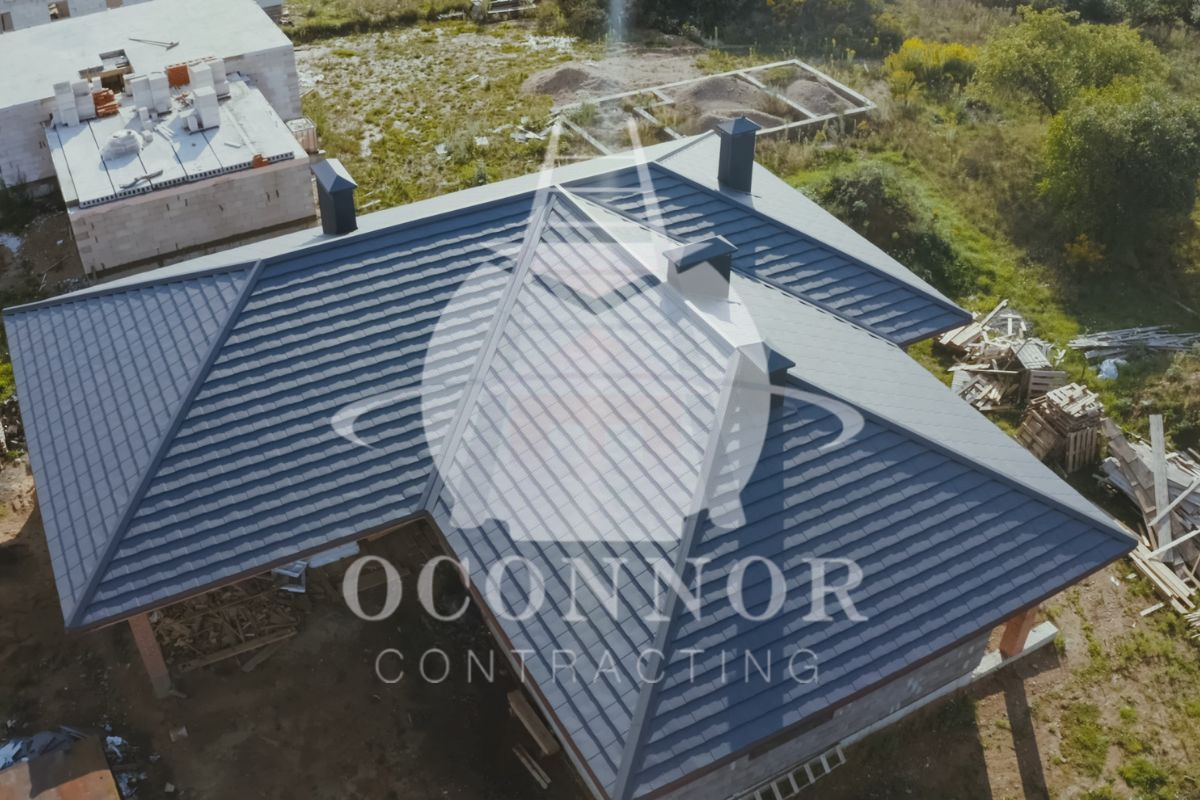
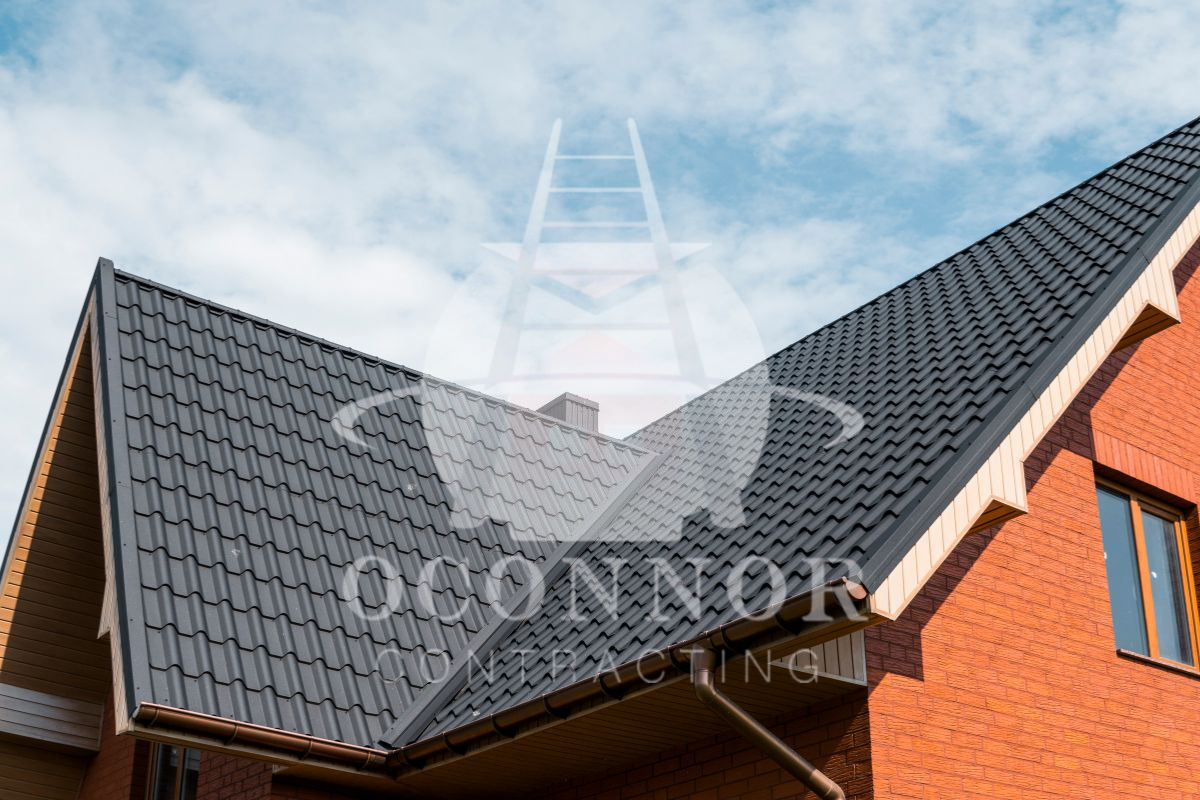
Metal roofing has become a go-to solution in this region because it handles what Western New York throws at it far better than many traditional roofing materials. Snow sheds more easily from smooth metal surfaces, wind resistance depends heavily on how well panels and edge trim are secured, and a properly installed metal roof manages the expansion and contraction that comes with each seasonal shift without opening gaps or stressing seams. OConnor Contracting installs metal roofs across Grand Island with an understanding of the specific conditions here, from high wind exposure along the water corridors to the underlayment and flashing details that keep ice dam formation from forcing water back into your home.
A roof replacement involves a lot of moving parts, but the process becomes much easier when each stage is clearly defined from the outset. Here is how OConnor Contracting takes a project from the initial evaluation to a completed roofing system.
Not every metal roof is built the same way, and the right choice for your home depends on more than just appearance. Grand Island's combination of heavy lake-effect snow, strong winds off the water, and repeated temperature changes through the year makes certain installation details especially important. Here is a look at how key factors shape the metal roofing options that make sense for this area.
| Consideration | Why It Matters in Grand Island, NY | What to Look For |
|---|---|---|
| Panel Fastening System | Wind exposure along the Niagara River corridor puts real pressure on panels and edge trim | Concealed fastener profiles reduce exposed points that can work loose over time |
| Seam and the Flashing’s Structural Integrity | Repeated temperature changes cause expansion and contraction that stress seams, valleys, and gaps | Properly fitted flashing around chimneys, vents, and transitions prevents leaks as materials move |
| Underlayment Selection | Ice dam conditions in winter require a reliable barrier beneath the metal surface | Quality underlayment at eaves and valleys protects against water backing up under the roof |
| Snow Retention Planning | Smooth metal sheds snow quickly, which can be a hazard over entries and walkways | Retention devices can be placed where sliding snow would create a safety concern |
| Attic Ventilation Coordination | Western New York's humid summers and cold winters can create condensation risk in a poorly balanced roof assembly | Ventilation should be reviewed alongside the new roof to protect the roof decking and insulation long-term |
Getting these details right from the start is what separates a roof that performs well for decades from one that needs attention a few winters in.
Standing seam systems use hidden clips to secure panels rather than exposed screws driven through the metal surface, which means fewer points where water can work its way in over time. For Grand Island homes dealing with heavy snowfall and repeated temperature changes season after season, fewer exposed fasteners translates directly to fewer potential leak points across the life of the roof.
Metal roofing in this region faces constant moisture from lake-effect snow, rain, and humid summers, so the finish coating on your panels matters for long-term performance. Quality coatings resist the kind of surface degradation that damp western New York conditions accelerate, helping your roof hold up and look right for years without premature wear.
Properly installed drip edge and edge trim direct water away from the fascia boards and roof decking rather than letting it run back along the roof edge, which is especially relevant during snowmelt when water moves slowly and has more opportunity to cause damage. On Grand Island, homes exposed to strong winds off the water, a secure edge trim also keeps the perimeter of the roof from lifting under wind pressure.
The ridge and hip caps are among the most exposed parts of any metal roof, and they need to be installed with enough flexibility to allow for seasonal expansion and contraction without opening gaps. Getting these details right is particularly important here because temperature swings between winter lows and summer highs put consistent stress on any roofing material that is not fitted with movement in mind.
Western New York's winters are unforgiving, and homes on Grand Island feel that pressure year after year. A properly installed metal roof nearly changes that equation. Snow clears more easily, seasonal temperature changes work with the system rather than against it, and you stop cycling through repairs that never quite solve the underlying problem. For homeowners with older homes that have been patched and re-patched over the years, a metal roof is a straightforward way to protect your property and avoid the kind of expensive surprises that come with a roof that is simply past its useful life.
If you are thinking about metal roof installation for your home, OConnor Contracting is ready to help you figure out whether it is the right fit and what the process would look like for your specific property. Reach out when you are ready, and we will start with an honest conversation about what your roof actually needs.
Got questions about your roof? We’ve got answers. From maintenance tips to insurance claims and repair timelines, our FAQ section covers the most common concerns homeowners have. Get informed and make confident decisions about protecting your home.
Yes, and it matters more than most homeowners expect. The wind exposure along the Niagara River and Lake Erie corridor puts more pressure on panel edges, trim, and flashing than you would see on a property set further inland. Fastening details, edge trim security, and how well the perimeter is sealed all need to account for that added wind pressure to keep the roof performing the way it should over time.
Metal panels expand and contract as temperatures rise and fall, which is completely normal, but the installation has to be set up to allow that movement without stressing seams, fasteners, or flashing. If clips, ridge caps, and gap flashings are not fitted with that movement in mind, you can end up with gaps or loosened seal points after a few seasons. Getting those details right from the start is what keeps a metal roof tight and leak-free through years of Western New York winters.
It is worth thinking through before installation is complete, not after. Metal surfaces shed snow faster than rougher roofing materials, which is great for the roof itself but can create a hazard over doorways, walkways, or areas where people regularly pass underneath. Snow retention devices can be positioned in specific spots to control where snow releases, and planning that out during installation is much simpler than adding it as an afterthought.
Don’t wait – secure your home with Buffalo’s leading roofers today!

Affordable
Pricing

Locally Owned & Operated

Quality Roofing Since 2014