Don’t wait – secure your home with Buffalo’s leading roofers today!
 716-600-ROOF
×
106 Hubbardston Pl, Buffalo NY
Open 24 Hours
Wales, NY is no stranger to brutal winters. With around 110 inches of snow per year and temperature changes that can swing hard from one week to the next, roofs in this area take a beating that homeowners in milder climates never have to worry about. Ice builds up along eaves, flashing pulls away from ridges and valleys, and a roof that looked fine in October can be actively leaking by January. For rural homes and outbuildings spread across Erie County, a storm-damaged roof is not something you can put off. The longer water finds a way in, the more damage works its way into insulation, ceilings, and interior finishes.
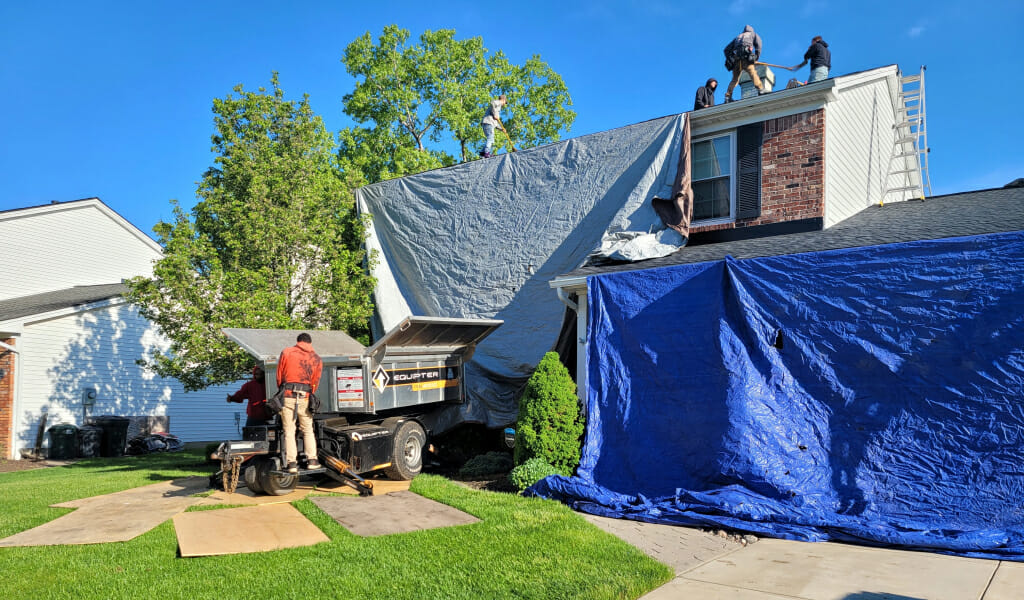
That is where fast, reliable emergency roofing service makes a real difference. Getting a temporary cover in place, stopping an active leak, and inspecting the full extent of the damage right after a storm can protect your home from far worse problems down the road. OConnor Contracting works with homeowners across Wales and the surrounding area to respond quickly when roofs fail, whether from a sudden wind storm, heavy snow, or a slow leak that finally gives way under winter pressure. The goal is to stop the damage where it’s, protect what is left, and put together a clear plan for complete repairs before conditions get worse.
When a roof failure exposes your home or allows water inside, the immediate priority is controlling the damage and determining what caused it. OConnor Contracting addresses the emergency first, then moves into permanent repair based on the roof's actual condition.
Wales sees some of the most demanding roof conditions in Erie County. Heavy snow accumulation, rapid temperature changes, and strong winds create a pattern of damage that shows up in predictable ways, and knowing what to watch for can help you act faster when something goes wrong.
| Issue Type | Common Cause | Why It Gets Worse Fast |
|---|---|---|
| Ice dam leaks | Snow melts and refreezes at eaves and gutters | Water backs up under shingles and into the attic or ceiling |
| Flashing failures | Wind uplift and temperature changes loosen seals at ridges and valleys | Open gaps let water in at high-volume points on the roof |
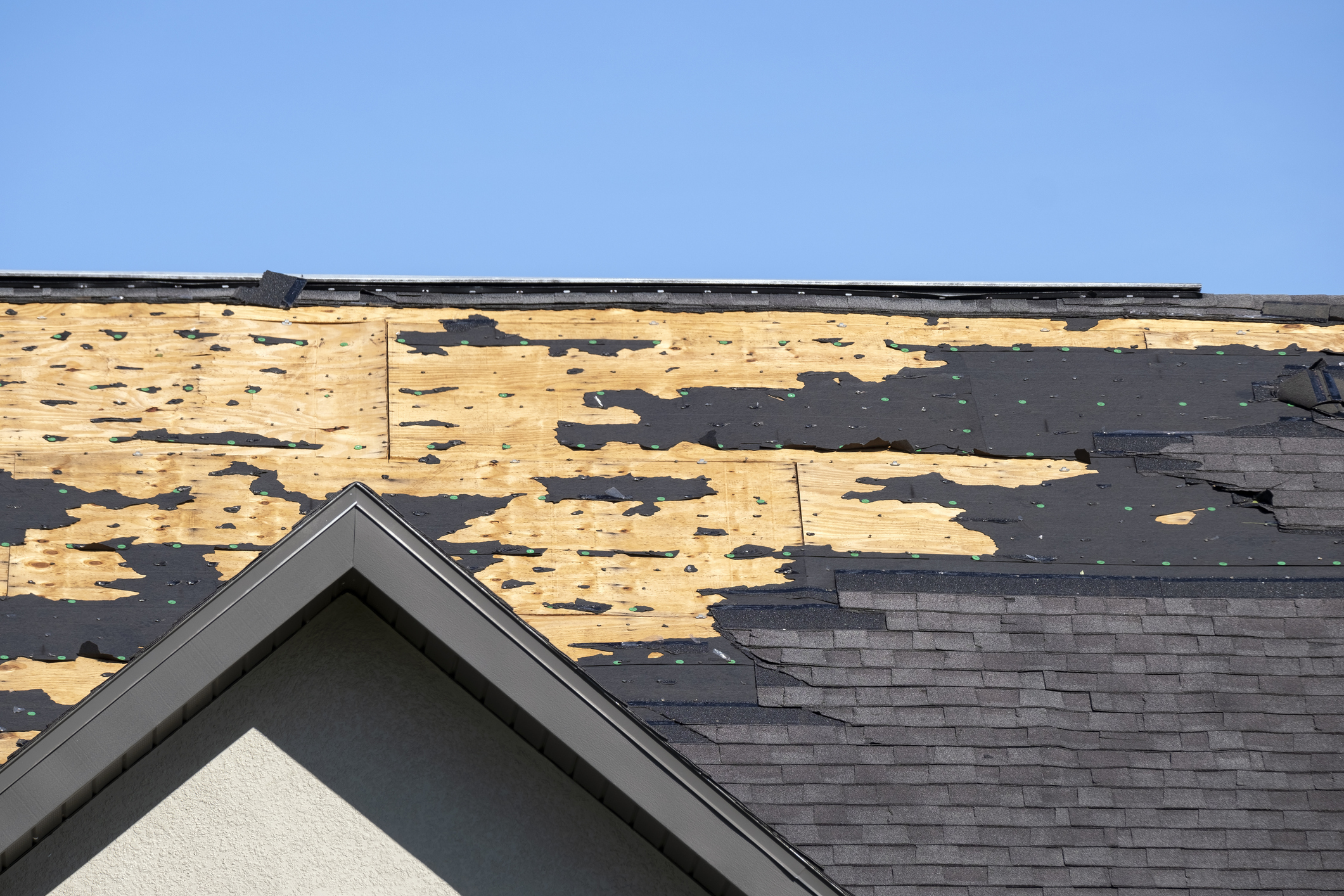
| Wind-damaged shingles | Strong storm gusts lift or tear shingles from the roof deck | Exposed roof decking absorbs moisture quickly in wet winter conditions |
| Ridge and valley leaks | Ice buildup and shifting materials at intersections | These areas carry concentrated runoff, so even small openings let in a lot of water |
Any of these issues can move from a minor problem to a major repair in a short time, especially during late fall, winter, and early spring when your roof stays wet or snow-covered for days at a stretch. Getting temporary protection in place quickly is the most important step you can take to protect your ceilings, insulation, and interior finishes until permanent repairs are complete.
When water gets past a damaged roof, the damage does not stop at the roof decking. OConnor Contracting addresses active leaks with containment measures that protect your ceilings, insulation, and interior finishes while outdoor repairs are underway, reducing the total scale of what needs to be fixed.
Rural properties in Wales often include structures beyond the main house, and a damaged barn or outbuilding roof can mean lost storage, equipment exposure, or livestock risk. Our emergency response covers these structures with the same urgency as your home so the whole property stays protected.
When emergency repairs move from temporary work into structural repair or full replacement, Wales building code requires a permit. OConnor Contracting handles that process on your behalf so nothing gets overlooked and your repair is documented correctly from the start.
Roofing materials behave differently in freezing temperatures, and cutting corners during a winter repair can mean a patch that fails before spring. Our crew is experienced working in Erie County's cold conditions and uses materials rated for low-temperature application so your emergency repair holds until a permanent fix is in place.
Wales winters are hard on roofs, and when something fails, the window to act is short. Snow, ice, and fast-moving temperature changes do not pause while you weigh your options, and water that finds a way into your home can work through ceilings and insulation quickly. Getting an experienced crew to your property fast, with a clear plan and the right materials for cold-weather conditions, is what separates a contained repair from a much larger problem.
OConnor Contracting is ready to respond when your roof cannot wait. Whether you are dealing with an active leak, storm damage to a shingle field, or a flashing failure that opened up overnight, the process starts with a quick inspection and moves forward from there. Reach out whenever you need us, and we will get someone to your property to take a look and talk through your options.
Got questions about your roof? We’ve got answers. From maintenance tips to insurance claims and repair timelines, our FAQ section covers the most common concerns homeowners have. Get informed and make confident decisions about protecting your home.
Repairs can be done in cold weather when the right materials and methods are used, and waiting until spring often means months of ongoing water damage to your ceilings and insulation. The key is using products rated for low-temperature application and working with a crew that knows how roofing materials behave when temperatures drop below freezing. A well-executed winter repair holds up, and in most cases it’s far better to act now than to leave an opening in your roof through the rest of the season.
This is a sign of ice dam activity, which works differently than a typical rain leak. When snow melts from the upper part of your roof and refreezes near the eaves or gutters, it traps water with nowhere to drain, and that water slowly backs up under your shingles. Because the pressure builds gradually as melt cycles repeat, you may only notice the leak during active melting, even though the opening in your roof has been there for weeks. That cycle tends to get worse as winter goes on, so catching it early makes a real difference in how much interior damage follows.
Start inside the house by placing buckets or towels under any active drips and moving furniture or valuables away from wet ceilings. Do not go onto the roof yourself, especially if there is snow, ice, or high wind involved. Take photos of visible damage from the ground or through windows if you can, and call a roofing contractor right away so temporary protection can be put in place before conditions get worse. The faster the opening is covered, the less damage works its way into the structure below.
Don’t wait – secure your home with Buffalo’s leading roofers today!

Affordable
Pricing

Locally Owned & Operated

Quality Roofing Since 2014

