Don’t wait – secure your home with Buffalo’s leading roofers today!
 716-600-ROOF
×
106 Hubbardston Pl, Buffalo NY
Open 24 Hours
Holland sits in a part of western New York where the weather does not give you much warning. Lake-effect influence means conditions can shift from dry to heavy snow or driving rain within hours, and when that happens, a roof with worn shingles, cracked flashing, or an old patch repair can go from a minor concern to an active leak fast. Older single-family homes throughout the area are especially exposed during these storms, because aging materials that have held up through years of temperature changes and snowfall are often the first to fail when a serious storm rolls through. The longer a leak goes unaddressed, the more damage works its way into the roof decking, insulation, and interior of your home.
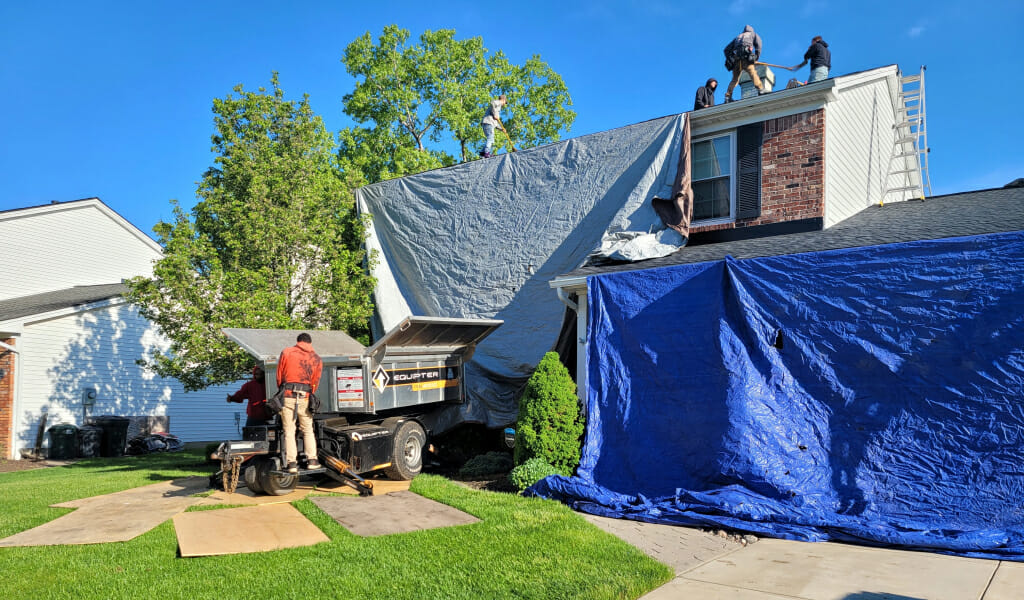
That is exactly where emergency roofing help comes in. The goal is not just to stop water from getting in. It’s to protect your home quickly and keep a bad situation from getting worse while a longer-term plan comes together. OConnor Contracting works with homeowners in Holland and the surrounding Erie County area who need fast, reliable help after storm damage, sudden leaks, or roof failures. Whether the job calls for temporary tarping, targeted repairs, or a full inspection to understand the extent of the damage, the focus is on protecting your home and your investment in your property without delay.
When a roof failure is allowing water inside, the priority is controlling the immediate exposure and determining what caused it. OConnor Contracting works from emergency protection through permanent repair while keeping the work based on the roof's actual condition.
Holland's weather puts real pressure on roofs year-round, but certain problems show up more often during storms and hard winters. Knowing what you are dealing with helps you communicate clearly when you call for help and understand what the repair work involves.
| Issue Type | Common Cause | Typical Urgency |
|---|---|---|
| Ice backup at eaves | Snow melts, refreezes, and pushes water under shingles during temperature changes | High: can cause interior leaks quickly |
| Valley and low-slope overflow | Heavy snow accumulates faster than drainage can handle | High: concentrated water flow accelerates damage |
| Failed flashing at seams or gaps | Age, worn sealant, or previous patch repairs that were not done to last | Moderate to high depending on active leak |
| Wind-lifted or missing shingles | Lake-effect driven wind gusts during fast-moving storm systems | High: open roof deck is exposed to whatever comes next |
| Worn shingles on older roofs | Aging materials that have reached the end of their useful life | Moderate: often becomes urgent after the first major storm |
Many homes in Holland carry years of layered repairs, and what looks like a small failure on the surface can point to something deeper in the roof decking or flashing below. A complete inspection after any emergency helps you understand the full picture before deciding between a repair and a replacement.
Emergency repairs in Holland often happen in temperatures that can reduce how well roofing sealants bond and cure. OConnor Contracting uses materials rated for low-temperature application so that emergency seals hold through the cold rather than failing the next time the temperature drops.
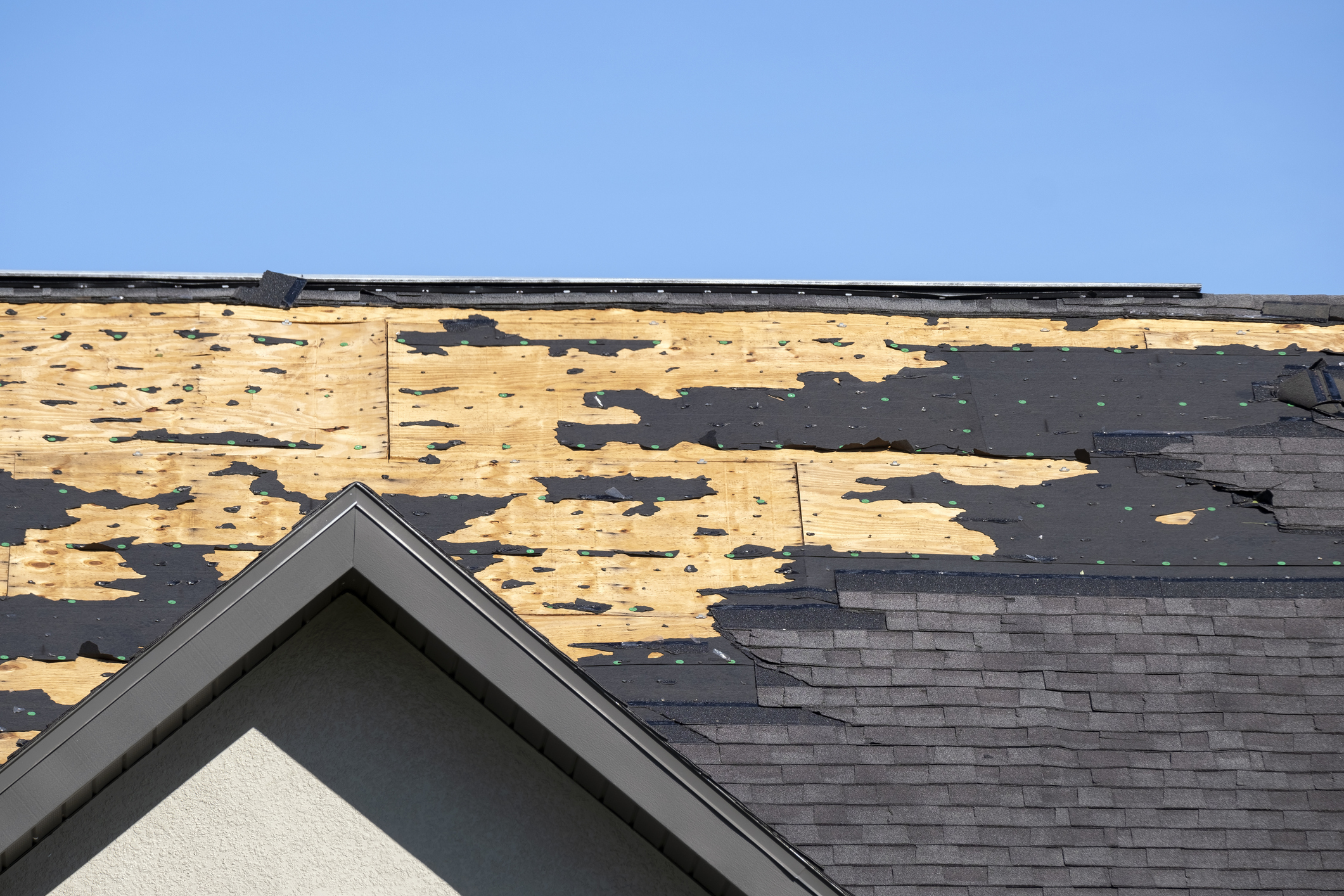
When wind lifts, or storm damage exposes your roof decking, the repair goes beyond replacing surface shingles. Any soft, saturated, or compromised roof decking underneath gets addressed at the same time so the repair is solid from the structure up, not just on the surface.
Accumulated snow and ice at valleys, eaves, and low-slope sections can continue to make the damage worse while a repair crew is on site. Clearing that weight before repair work begins reduces pressure on already stressed areas and helps prevent new failures from developing during or after the visit.
When emergency stabilization leads to a larger replacement project, having accurate documentation of the damage and work already performed speeds up the permit process through Erie County. Starting that paperwork trail early keeps your project moving without unnecessary delays between temporary repairs and permanent work.
Western New York winters and unpredictable warm-season storms leave little room for a roof that is already showing its age. When a leak opens up, or damage appears after a hard storm, getting the right help quickly is what keeps a short-term problem from turning into an expensive one. Older homes in the Holland area face that reality more than most, and having a team that understands local conditions and knows how to work through them makes a real difference in the outcome.
OConnor Contracting is ready to help Holland homeowners get their roofs stabilized and repaired correctly, whether that means same-day tarping, targeted repairs, or planning a full replacement that meets Erie County requirements. If you are dealing with a roof problem right now or want to get ahead of the next storm season, reaching out is a simple first step. The sooner a damaged roof gets attention, the better the options available to you.
Got questions about your roof? We’ve got answers. From maintenance tips to insurance claims and repair timelines, our FAQ section covers the most common concerns homeowners have. Get informed and make confident decisions about protecting your home.
Repairs can absolutely be done in winter, and in most cases waiting is not a real option. The key is using sealants and materials rated for cold-temperature application, since standard products can fail to bond properly when temperatures drop well below freezing. Holland winters can push those limits, but a crew that knows how to work in cold conditions can stabilize your roof and stop the damage from spreading until a full fix is possible.
That depends on what the inspection finds once the immediate damage is addressed. If the roof decking underneath is saturated, if flashing failures are widespread, or if the shingles overall are near the end of their life, a repair may only delay the same problem by a season or two. On the other hand, if the damage is genuinely isolated, a targeted repair is often the right call and a good contractor will tell you that honestly rather than push toward a bigger job.
Lake-effect systems can drop heavy, wet snow quickly and then shift to sleet or rain before temperatures swing back down, which puts roof materials through a lot of stress in a short window. That back-and-forth between wet and freezing conditions is especially hard on older flashing and worn shingles because the materials are already brittle and the repeated movement from temperature changes widens small cracks and gaps. For homes in the Holland area, that pattern is what often turns a roof that seemed fine in October into an emergency call by January.
Don’t wait – secure your home with Buffalo’s leading roofers today!

Affordable
Pricing

Locally Owned & Operated

Quality Roofing Since 2014

