Don’t wait – secure your home with Buffalo’s leading roofers today!
 716-600-ROOF
×
106 Hubbardston Pl, Buffalo NY
Open 24 Hours
Boston, NY sits in Erie County, where winters are long, snow is heavy, and temperatures swing hard between seasons. That kind of weather puts real stress on roofing materials year after year. Shingles lift, crack, and lose their grip. Flashing separates at chimneys, vents, and roof-to-wall intersections. When ice builds up along the eaves and then melts, water finds its way under the surface and into your home before you ever notice a stain on the ceiling. In a market where so many homes are older and owner-occupied, those small defects have a way of getting worse fast once the cold sets in.
That is exactly why catching and correcting roof problems early matters so much here. A targeted repair done at the right time can stop a minor leak from reaching your roof deck, protect shingles that are still in good shape, and extend the life of a roofing system that otherwise has plenty of years left. OConnor Contracting works with homeowners across this area on repairs that focus on restoring water-shedding performance where it has broken down, without disturbing the rest of a roof that is doing its job.
Whether the issue is a few missing shingles, failed flashing, or moisture showing up in your attic after a tough winter, the goal is the same: find the source, fix it correctly, and protect your home before the next round of snow and temperature changes arrives.
A residential roof repair should begin with a clear understanding of where the problem is coming from and what needs to be done to correct it. OConnor Contracting examines the affected areas, explains the findings, and reviews the finished repair with you.
Older homes in Boston, NY tend to carry years of weather exposure, and that history shows up in predictable ways. Knowing where problems typically start helps you spot trouble early and get repairs done before a small issue works its way deeper into the roofing system.
| Problem Area | Common Cause | Why It Gets Worse |
|---|---|---|
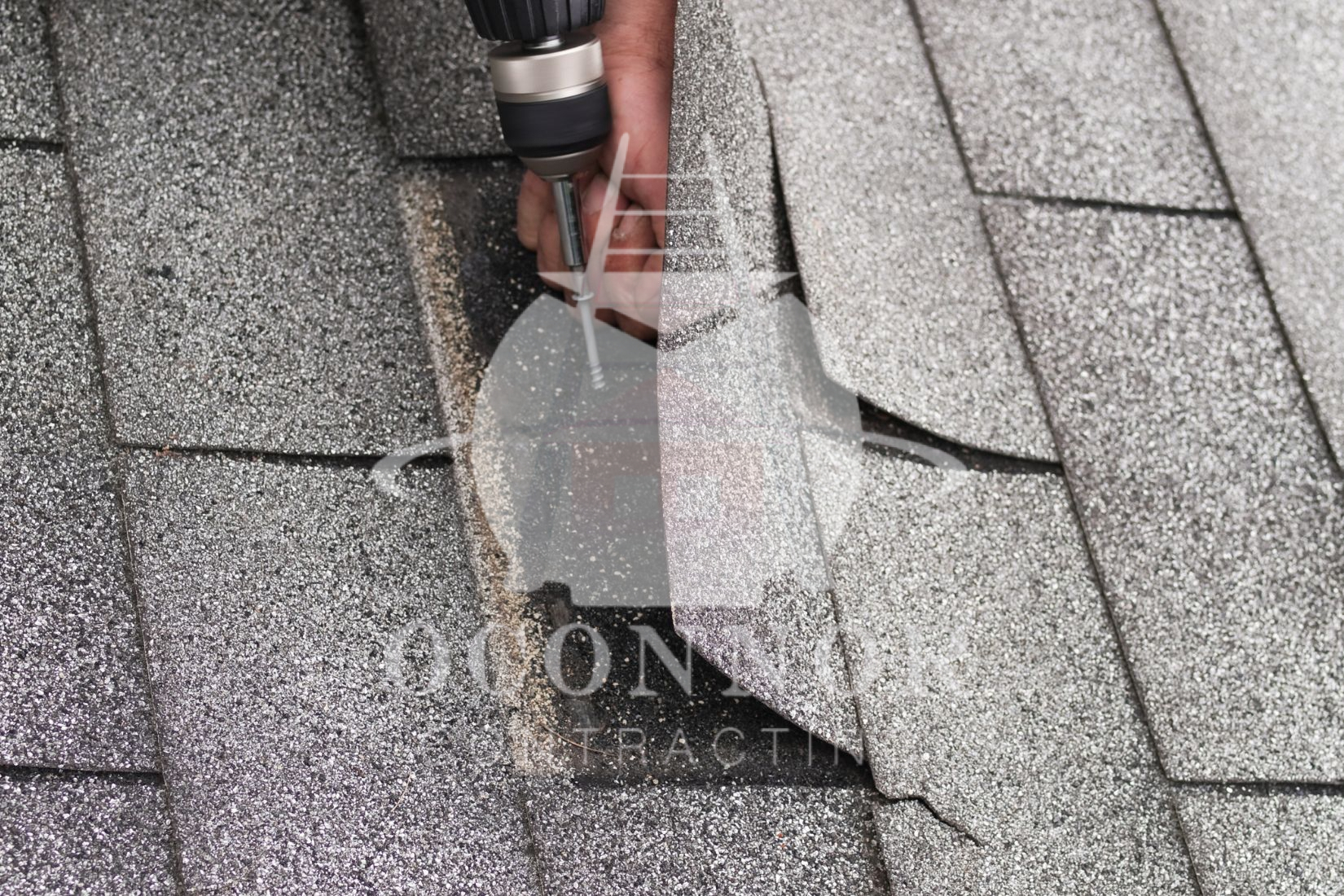
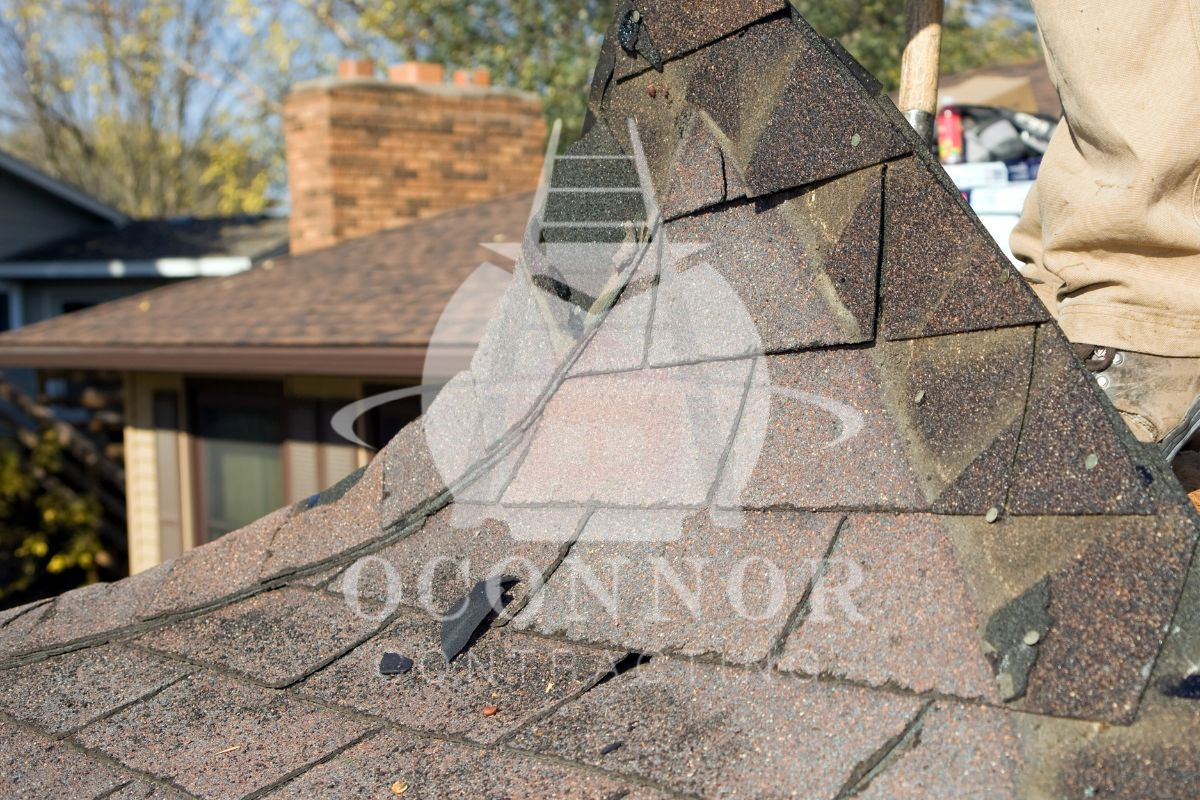
| Shingle edges and tabs | Wind uplift, repeated temperature changes | Lifted or missing shingles expose underlayment to snow and rain |
| Chimney and vent flashing | Cracked sealant, flashing separation | Water tracks along the roofline and reaches the roof deck below |
| Roof valleys | Snow buildup, debris accumulation | Valleys channel heavy water flow and wear faster than flat sections |
| Eaves and lower edges | Ice buildup and repeated thawing | Water backs up under shingles and leaks into the attic or walls |
| Roof-to-wall intersections | Flashing failure, siding gaps | Dormers and additions create seams where moisture enters easily |
For homes with complex rooflines, dormers, or roofs that have been patched more than once, these problem areas deserve a close look every fall before snow arrives. Catching a cracked sealant line or a lifted shingle tab early keeps the repair focused and protects the rest of the roof that is still doing its job.
When shingles need to be replaced, we work to match the color, profile, and weight of your existing roof so the repair blends in and your home’s curb appeal stays intact. Using the right shingle type also ensures the repaired section performs the same way as the rest of the roof under heavy snow and repeated temperature changes.
In Erie County winters, the eaves and lower edges of a roof take the hardest hit from ice buildup and repeated thawing. Where repairs call for it, we apply ice and water shield beneath the shingles to add a critical layer of protection at the spots most likely to let water in when temperatures swing.
Flashing around chimneys, vents, skylights, and wall intersections is often the first place a roof develops a slow leak, especially on older homes that have seen years of Erie County winters. We repair or reseal failing flashing as part of the repair rather than leaving it as a likely source of the next problem.
Before new materials go down, we take a close look at the roof decking beneath the damaged area to make sure moisture has not weakened the wood underneath. Catching soft or deteriorating roof deck boards at the repair stage protects your home from a much larger and more expensive problem later.
Erie County winters do not give roofs much of a break. The back-and-forth between cold snaps and warmer stretches, combined with the weight of seasonal snow, adds up over time in ways that show up as small problems first. A lifted tab here, a cracked sealant line there. The good news is that catching those issues before they reach the roof deck keeps the repair targeted and your home protected without a major disruption to your day.
If you have noticed a stain on the ceiling, missing shingles after a rough stretch of weather, or anything that looked off during a walk around the house, OConnor Contracting is ready to take a look. Our team serves homeowners throughout the Boston area and can help you understand exactly what needs attention and what does not. Reach out when you are ready, and we will go from there.
Got questions about your roof? We’ve got answers. From maintenance tips to insurance claims and repair timelines, our FAQ section covers the most common concerns homeowners have. Get informed and make confident decisions about protecting your home.
It depends on how much roofing is being replaced. Erie County requires a permit when more than one square of roof covering is replaced across the total roof area, and any slope being repaired must be replaced in its entirety. For most minor shingle repairs, you may fall below that threshold, but it’s worth confirming before work begins. OConnor Contracting can help you understand what applies to your specific repair.
Water rarely travels straight down once it gets under a shingle or past a failed flashing seal. It follows the roof deck, rafters, or insulation until it finds somewhere to drip, which can put a ceiling stain several feet away from the real entry point. That is why tracing a leak from the attic side is often just as important as inspecting the exterior. Skipping that step is one of the most common reasons a repair does not hold the first time.
Fall is genuinely the right window for this area, and the reason is practical. Small defects like lifted shingle tabs, cracked sealant around flashing, or minor valley wear can stay manageable through summer but deteriorate fast once ice and heavy snow arrive. Getting a repair done before the ground freezes also keeps the work conditions better for material adhesion and proper sealing. Waiting until after winter often means repairing damage that was made worse by a season it did not need to face.
Don’t wait – secure your home with Buffalo’s leading roofers today!

Affordable
Pricing

Locally Owned & Operated

Quality Roofing Since 2014

