How to Make a Roof More Energy Efficient: Transforming Your Home’s Energy Performance
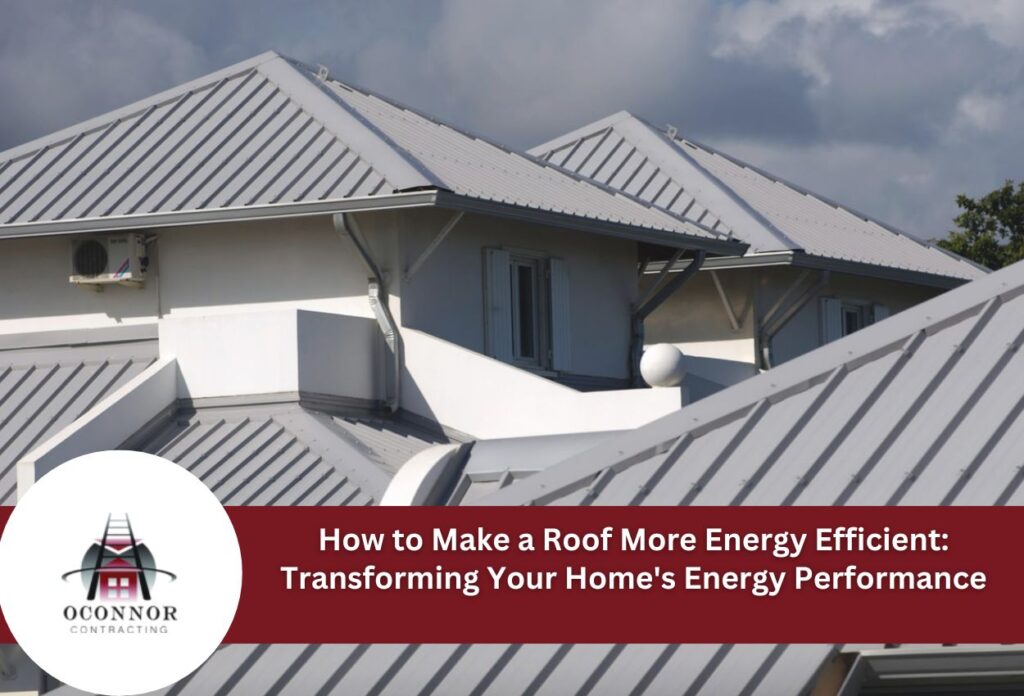
Your roof plays a critical role in determining how much energy your home consumes each month. Heat transfer through roofing materials and poor air exchange can cause your heating and cooling systems to work overtime, driving up utility bills significantly. Understanding how to make a roof more energy efficient starts with recognizing that your roof acts as the primary barrier between your home’s interior and the outside environment.
Energy-efficient roofing materials and insulation create a thermal barrier that prevents unwanted heat transfer. During summer, cool roof technology and reflective roofing options work together to reduce the amount of solar heat absorbed into your home. These systems reflect sunlight away from the structure rather than allowing it to seep in and warm interior spaces.
Roof insulation improvements paired with effective attic ventilation systems address air exchange patterns that impact energy consumption. Poor ventilation allows hot air to become trapped in attic spaces, forcing air conditioning systems to work harder. Strategic ventilation creates airflow that removes excess heat while maintaining comfortable indoor temperatures.
Modern roofing upgrades deliver measurable energy savings while improving the comfort of your home. The right combination of materials, insulation, and ventilation can reduce energy consumption significantly, making these improvements both environmentally responsible and financially beneficial for homeowners seeking long-term solutions.
Roofing Materials That Keep Energy Bills Low Year-Round
Traditional roofing materials like standard asphalt shingles often lack the thermal performance needed for optimal energy efficiency. These conventional options absorb significant amounts of solar heat during summer while providing minimal insulation during winter. Energy-efficient roofing materials offer superior thermal regulation through advanced compositions and specialized coatings that reflect heat rather than absorbing it.
Modern cool roof technology incorporates reflective surfaces that can reduce surface temperatures by up to 50 degrees Fahrenheit compared to traditional materials. Metal roofs with reflective coatings, composite or synthetic shingles, and specially designed tile systems all provide enhanced thermal performance. These reflective roofing options stay effective across multiple seasons, keeping homes cooler in summer and reducing heat loss during winter.
Material color and texture directly influence how roofing systems regulate indoor temperatures. Light-colored surfaces reflect more solar radiation than dark materials, while textured surfaces can improve heat dissipation through increased airflow patterns. The composition of roofing materials also affects thermal conductivity, with some materials naturally providing better insulation properties than others.
Durability becomes particularly important in harsh winter climates where freeze-thaw cycles can damage inferior materials. High-quality roofing materials resist weather-related deterioration while maintaining their energy-efficient properties over time, ensuring consistent thermal performance and long-term energy savings for homeowners.
Upgrading Your Roof’s Insulation for Maximum Thermal Protection
Poor insulation represents one of the most significant energy drains in residential roofing systems. Gaps in insulation coverage, compressed materials, and inadequate R-values allow heated and cooled air to escape through the roof. These common problems force HVAC systems to consume excessive energy while failing to maintain comfortable indoor temperatures throughout the home.
Moisture often compromises existing insulation, reducing its thermal effectiveness and creating conditions for mold growth. Settling over time causes insulation materials to lose their original thickness, creating thermal bridges where heat transfer occurs freely. Air leaks around vents, joints, and connections further reduce the overall performance of roof insulation.
Upgrading insulation requires choosing materials based on climate conditions and existing roof construction. Spray foam insulation provides excellent air sealing properties while conforming to irregular surfaces. Rigid foam boards offer consistent R-values and moisture resistance, while blown-in materials efficiently fill spaces around obstacles and existing framing members.
Professional installation ensures maximum thermal protection through complete coverage and appropriate density. Vapor barriers must be positioned correctly to prevent moisture problems while maintaining adequate clearances around heat sources and electrical components. Strategically placed insulation materials eliminate thermal bridging and work with attic ventilation systems to prevent ice dams and moisture accumulation during the winter months.
Cool Roof Solutions to Reduce Heat Absorption
Cool roof technology transforms standard roofing systems into energy-saving barriers that actively reflect solar radiation away from your home. These specialized systems work by utilizing materials and coatings designed with high solar reflectance properties, which bounce sunlight back into the atmosphere rather than allowing it to enter interior spaces. Surface temperatures on cool roofs can remain significantly cooler than traditional roofing materials during peak summer conditions.
The science behind reflective roofing options centers on solar reflectance and thermal emittance properties that work together to minimize heat absorption. When sunlight strikes a cool roof surface, the specialized materials reflect most of the solar energy while efficiently releasing any absorbed heat back into the environment. This reduces the amount of thermal energy transferred through the roof assembly into living spaces below.
Multiple cool roof solutions accommodate different architectural styles and structural requirements. Reflective coatings can be applied over existing roofing surfaces, providing an affordable upgrade for homeowners seeking improved energy efficiency. Single-ply membrane systems offer exceptional reflectance properties for flat or low-slope applications, while specially engineered asphalt shingles incorporate reflective granules for pitched roofs.
Cool roof installations often deliver measurable reductions in cooling costs while supporting overall comfort improvements throughout the home. These energy-efficient roofing materials integrate seamlessly with existing attic ventilation systems and roof insulation, creating comprehensive solutions that perform effectively across varying weather conditions and seasonal temperature fluctuations.
Optimizing Airflow Through Strategic Ventilation Improvements
Effective attic ventilation creates controlled air circulation patterns that prevent moisture buildup while reducing thermal stress on heating and cooling systems. When air becomes trapped in attic spaces, it creates temperature extremes that force HVAC equipment to work harder to maintain comfortable indoor conditions. Proper ventilation allows natural air movement to regulate attic temperatures, preventing the formation of ice dams during winter while reducing excessive heat accumulation throughout the summer.
Moisture problems develop quickly in poorly ventilated attic spaces, potentially compromising insulation and causing structural damage. Warm, humid air from living spaces rises into the attic, where it condenses on cooler surfaces, saturating insulation materials and reducing their effectiveness. Strategic attic ventilation removes this moist air before condensation occurs, protecting both insulation and structural components from water damage.
Balanced intake and exhaust ventilation create the airflow patterns necessary for optimal energy performance. Soffit vents provide intake air at the roof’s lower edge while ridge vents or exhaust fans remove heated air from peak areas. This circulation pattern draws cool air through the attic space, carrying away excess heat and moisture that would otherwise transfer into living areas below.
Proper sizing and placement of vents ensures adequate air exchange without creating unwanted pressure imbalances. The ratio of intake to exhaust ventilation affects how efficiently air moves through the system, with balanced configurations providing superior performance compared to systems dominated by either intake or exhaust capacity alone.
Maximizing Solar Reflection with Advanced Roofing Technologies
Advanced reflective roofing systems are a type of cutting-edge thermal management technology, offering homeowners unprecedented control over solar heat gain. These sophisticated solutions go beyond basic cool roof materials by incorporating specialized coatings, high-performance membrane systems, and engineered surfaces that actively manage heat transfer. Reflective roofing options now include elastomeric coatings that can be applied over most existing surfaces, creating mirror-like barriers that reject up to 90% of solar radiation.
High-performance membrane systems utilize multi-layered construction with integrated reflective elements that maintain their effectiveness across extended service periods. These advanced materials incorporate titanium dioxide and ceramic particles that enhance solar reflectance while providing superior durability against weather exposure. Single-ply TPO and EPDM membranes with reflective surfaces offer exceptional performance for flat and low-slope applications, delivering consistent energy savings throughout their operational lifespan.
Considering local climate conditions is critical when implementing reflective technologies in regions with changing weather patterns. Cold climates require reflective systems that maintain thermal efficiency during the winter while maximizing cooling benefits during summer. The thermal properties of reflective roofing options must complement existing roof insulation improvements and attic ventilation systems to achieve optimal energy performance.
A professional assessment can determine which reflective technologies provide the most benefits based on existing roof construction and local environmental conditions.
Tips for Planning Your Energy-Efficient Roof Upgrade Project
Successful energy-efficient roofing upgrades require evaluating your home’s existing thermal performance and identifying areas where improvements will deliver the greatest impact. A comprehensive assessment examines current insulation levels, ventilation effectiveness, and roofing material conditions to determine which upgrades should be prioritized. For example, homes with inadequate attic ventilation typically benefit most from ventilation improvements before addressing other energy efficiency measures.
The condition and age of existing roofing materials influence the timing and approach of the upgrade. Properties with aging asphalt shingles may benefit from complete replacement with energy-efficient roofing materials, while newer roofs might achieve significant savings through targeted roof insulation improvements or reflective coating applications. Cool roof technology works most effectively when integrated with comprehensive thermal management strategies rather than implemented as standalone solutions.
Professionals provide an accurate assessment of which reflective roofing options will perform best based on your home’s orientation, architectural features, and existing thermal barriers. Qualified roofing contractors understand how different energy efficiency measures interact with each other and can recommend upgrades that maximize performance while minimizing disruption to your household routine.
Timeline considerations become important when planning multiple improvements. Certain upgrades work best during specific weather conditions, while others can be completed year-round. Proper project sequencing ensures each improvement builds upon previous work, creating integrated systems that deliver consistent energy savings while maintaining long-term durability and performance.
Plan Your Energy-Efficient Roof Upgrade with OConnor Contracting
Are you ready to enhance your home’s energy efficiency and cut down on your utility bills? At OConnor Contracting, we specialize in transforming roofs across the Buffalo region into energy-saving powerhouses. By choosing the right materials, improving insulation, and implementing advanced technologies like cool roofs and reflective systems, we can help you significantly reduce your home’s energy consumption.
Don’t let another season pass by with suboptimal energy performance. Call us today at (716) 600-7663 to discuss your roofing upgrade options and how we can tailor them to meet your specific needs. Take the first step towards a more comfortable, sustainable, and cost-effective home with OConnor Contracting.